Housing must be treated as health infrastructure
MEDIA STATEMENT
FOR IMMEDIATE RELEASE
Monday 28 September 2026, 10:00AM
2 minutes to Read
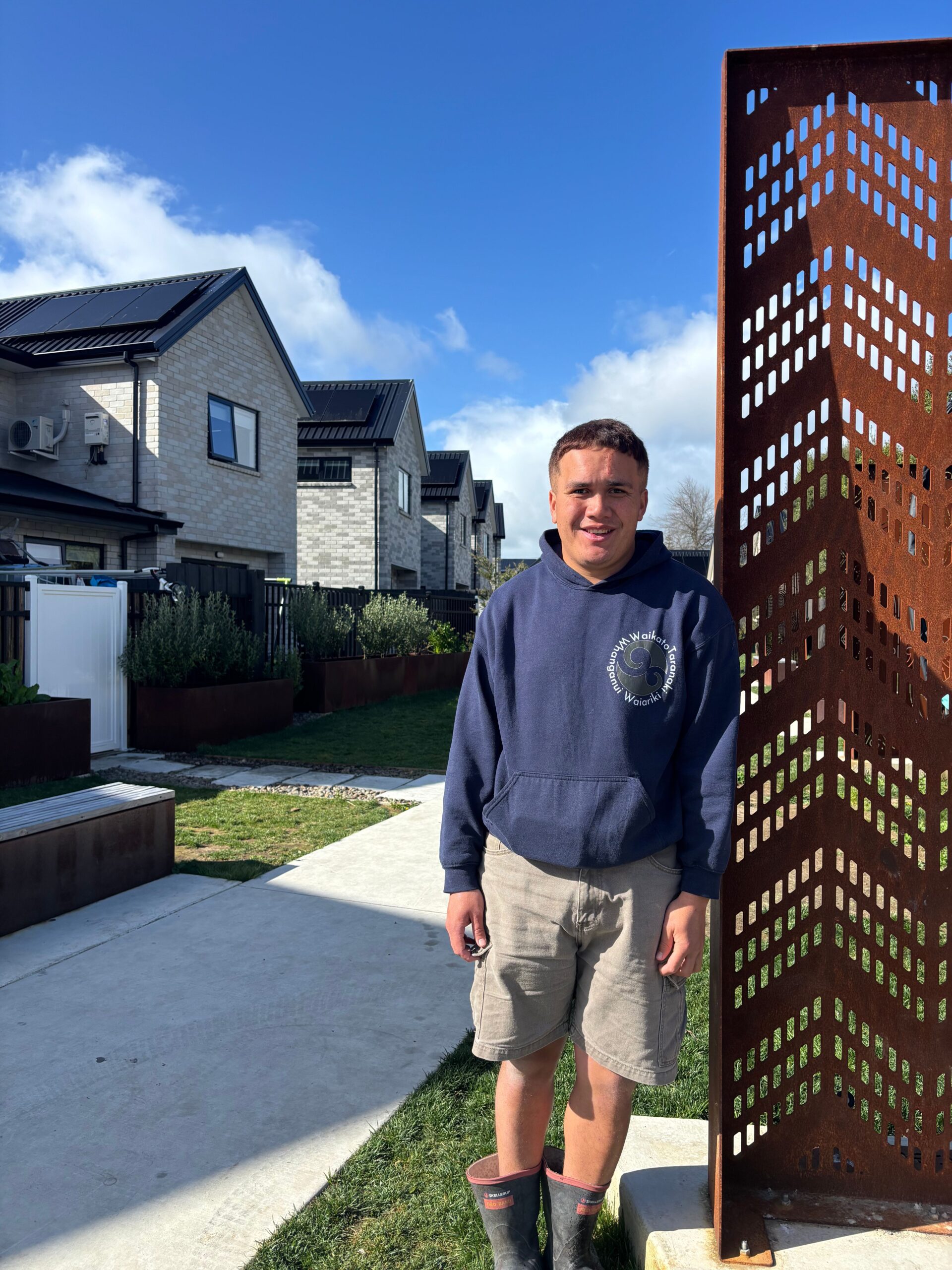
Photo: Sammo Hall, Te Rūnanga O Kirikiriroa Kaitiaki Grounds Keeper Enderley Papapakainga
Te Tiratū Iwi Māori Partnership Board representing 121,000 Māori in Tainui waka rohe challenges political leaders to put healthy homes and Māori-led housing at the centre of the next government’s agenda.
It is calling on political leaders across the House to recognise housing as a fundamental health issue and commit to practical action to ensure whānau across the Waikato, Hauraki, Maniapoto, Raukawa and Ngāti Hauā rohe have safe, affordable and secure homes.
Releasing its Tauāki Tū Position Statement on Housing today, the paper shows where whānau live, the quality of their home and their ability to afford it directly affects their health and wellbeing.
“A decent home is not simply a roof over someone’s head. It is health infrastructure,” says Wayne Knox, an experienced technical expert engaged by Te Tiratū to produce the analysis.
“Cold, damp, overcrowded and unaffordable housing creates pressure on whānau and the health system. If we are serious about improving health outcomes, housing has to be part of the solution.”
The latest data reveals almost one in four Māori report living in crowded housing, compared with 8.8 percent of non-Māori. Forty-five percent report living in damp housing and 37.2 percent report mould in their home.
An estimated 4,311 Māori in the Waikato Region are severely housing deprived or homeless, while Māori accounted for 64 percent of Housing Register applications in the HUD Waikato operational region as at September 2025.
At the same time, housing supply is not keeping pace with demand. The Waikato Region had an estimated housing shortfall of 7,240 homes in 2023, with average annual housing demand projected at 2,860 homes through to 2043.
Te Tiratū says these figures should not be treated simply as housing statistics.
“When whānau have to choose between paying the rent, keeping the power on, buying food, getting to work or seeing a doctor, housing becomes a health issue,” says Knox.
The position statement calls for action across six strategic pou Knox has devised. They include: reducing housing insecurity, ensuring safe housing for whānau in greatest need, improving the health and quality of existing homes, addressing rural isolation, improving affordability and pathways to Māori home ownership, and enabling Māori-led kāinga development.
Te Tiratū wants greater recognition by policymakers of the needs of rural whānau. Around 38 percent of Māori in the former Waikato DHB area live rurally, where distance, transport and limited access to services can compound housing and health pressures.
Māori-led housing must also be central to the response. The Government’s current housing framework recognises Māori-led housing through the MAIHI approach and identifies Māori-led local solutions, housing supply and the removal of systemic barriers as priorities. Government funding since December 2023 has included $426 million approved for Māori-led delivery of around 1,000 homes.
The challenge now, according to Te Tiratū is to deliver policy that reflects local needs.
“Iwi, hapū, Māori landowners and Māori providers are best placed to develop kāinga that reflect the realities of whānau, cultural identity and connection to whenua,” Knox says.
“We tautoko iwi and Māori organisations that are already delivering effective housing solutions. What is needed now is the investment and resources to scale that work and house the many whānau who have spent generations in unhealthy homes, or who have been displaced by extreme weather events.”
“Government needs to work with Māori to remove the barriers that prevent that happening, including infrastructure, planning, consenting and financing barriers.”
With approximately 365,992 hectares of Māori freehold land and land held by post-settlement governance entities within the wider Waikato rohe, Te Tiratū says there is significant potential for Māori-led housing and whenua development, provided the infrastructure and enabling investment are available.
As political parties set out their priorities ahead of the 7 November general election, one of the largest Iwi Māori Partnership Boards is calling for housing and health to be considered together, rather than as separate policy portfolios.
“It’s not simply how many houses will be built. It’s whether the homes being delivered will enable whānau to be healthy, secure and connected, and whether Māori will have the ability to lead solutions on their own whenua.”
The paper calls for sustained, coordinated action across central and local government, the health and housing sectors, iwi, hapū, Māori providers and communities.

Waikato rangatahi step up to shape the future of Māori health
MEDIA STATEMENT
FOR IMMEDIATE RELEASE
Monday 21 September 2026, 10:00AM
2 minutes to Read
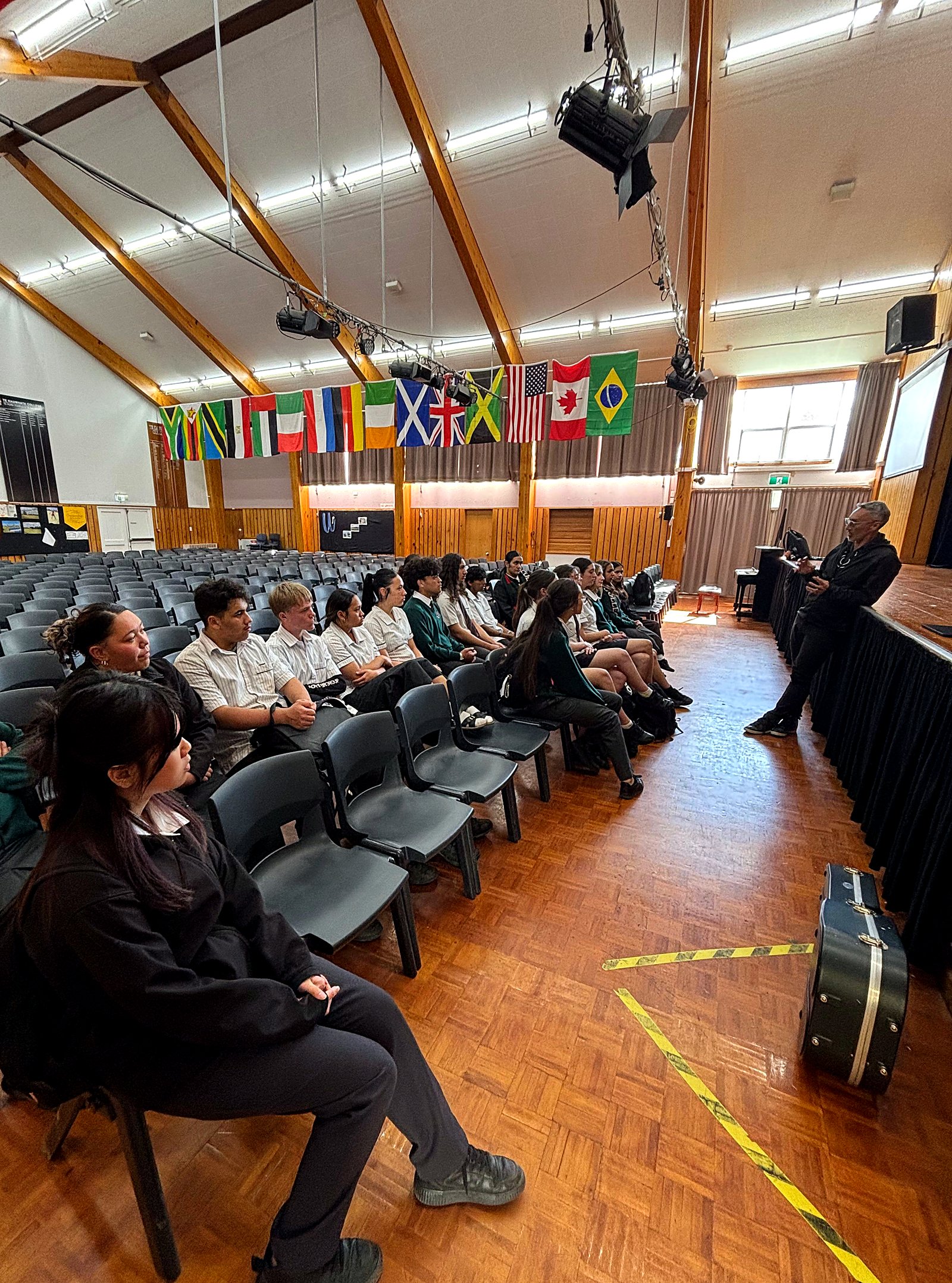
Te Kauwhata College Year 13 rangatahi are taking charge of a leadership hui that will bring a Member of Parliament, a Black Fern and a young Māori climate advocate to their school tomorrow.
Hauraki-Waikato MP Hana-Rawhiti Maipi-Clarke, Black Fern and Chiefs Manawa captain Kennedy Tukuafu MNZM, and rangatahi climate advocate and COP30 delegate Taane Aruka Te Aho will join more 130 students including five visiting kura at the Te Kauwhata Leadership Excellence Hui on Tuesday 22 September.
“Kia Tū is about more than teaching rangatahi about hauora. It is about creating the conditions for them to find their voices, understand the issues affecting their whānau and communities, and recognise their own capacity to influence what happens next,” says Te Tiratū Tumu Whakarae Brandi Hudson.
The Te Kauwhata Leadership Excellence Hui on Tuesday 22 September is the latest stage of the Kia Tū Rangatahi Māori Hauora Leadership Programme, an initiative of Te Tiratū Iwi Māori Partnership Board now expanding across seven secondary schools in the Waikato.
“Our early Te Tiratū survey results show rangatahi are consistently telling us that school pressure, stress and sleep affect their wellbeing, while mates, whānau and physical activity help keep them strong,” says Te Tiratū Tumu Whakarae Brandi Hudson.
There have been 117 responses to the survey, including 38 from Te Kauwhata. Among those who answered, the most commonly identified barriers were concerns about privacy, fear of being judged, a preference to sort things out themselves and not knowing where to go.
The pattern is reflected in a separate August engagement with 70 rangatahi from schools and kura across the wider Waikato, which identified similar challenges.
“They are also telling us that privacy concerns and fear of how others might react can make reaching out for help harder,” Hudson says.
“We have seen that beginning to happen at Te Kauwhata. Rangatahi have moved from participating in the programme to helping shape what leadership opportunities should look like for their own school, including this Leadership Excellence Hui.”
The three speakers will share their leadership journeys before taking questions directly from rangatahi.
“This hui, developed by Year 13 students, takes its inspiration from the whakataukī ‘Mā te huruhuru, ka rere te manu’ adorn the bird with feathers so it can fly, which is part of the Kia Tū kaupapa running in schools,” Hudson says.
All the students have challenged themselves to step outside their comfort zones, building confidence through public speaking and learning to use their voices with greater impact. They’ve also explored issues and ideas that matter to them through video, spoken word, art, waiata and interviews.
The programme is an opportunity to learn about hauora issues including mental health and suicide prevention, vaccination, dental care, vaping and smoking, while strengthening connection to culture, identity and each other.
At the hui, Hana-Rawhiti will speak about identity, courage and having the confidence to use your voice. Raised in Rāhui Pōkeka and educated at Te Wharekura o Rākaumangamanga, she won the Hauraki-Waikato seat in 2023 at the age of 21, becoming the youngest Member of Parliament in Aotearoa in 170 years.
Kennedy Tukuafu will bring her experience as a Black Fern and Chiefs Manawa captain. The Ngāti Maniapoto and Ngāti Māhanga wahine debuted for the Black Ferns in 2019, was named Player of the Year in 2021 and co-captained the team to Rugby World Cup victory in 2022. She is now captain of Chiefs Manawa and was appointed a Member of the New Zealand Order of Merit in 2024.
Taane Aruka Te Aho will bring the perspective of a young Māori leader working at the intersection of rangatahi, whakapapa and te taiao. A recipient of the 2024 Prime Minister’s Indigenous Exchange Scholarship, Taane was selected in 2025 for Te Kāhu Pōkere, the first iwi-mandated Māori youth delegation to attend COP30 in Brazil, where he presented on iwi-led climate solutions.
The focus will then return to the students, with an interactive ‘Design Your Hauora Day’ session where rangatahi will work in teams to develop and pitch their own ideas for a hauora-focused day.
The schools currently involved include Te Kauwhata College, Putāruru College, Ōtorohanga College, Tai Wānanga Ki Ruakura, Te Kōpuku High School, Tokoroa High School and Te Kūiti High School.
For Te Tiratū, the programme is about ensuring rangatahi are not simply recipients of information about hauora, but active participants in conversations about the issues affecting their lives, whānau and communities.
No dentist in Paeroa, two generations to plan for in Thames
MEDIA STATEMENT
FOR IMMEDIATE RELEASE
Monday 21 September 2026, 10:00AM
2 minutes to Read
The absence of a dentist in Paeroa and the challenge of meeting the needs of both older and younger generations in Thames are among the distinct health issues identified in two new Hauora Reports released by Te Tiratū Iwi Māori Partnership Board representing 121,000 Māori across Tainui waka rohe.
In Hauraki District, home to 5,340 Māori in 2025, the reports highlight how local circumstances can shape the health challenges facing individual communities. The Paeroa and Thames Hauora Reports are part of the ten-locality series that combines local health data with the experiences of whānau gathered through its Whānau Voice engagement programme.
The reports demonstrate why health planning needs to look closely at individual communities rather than relying on broad regional data.
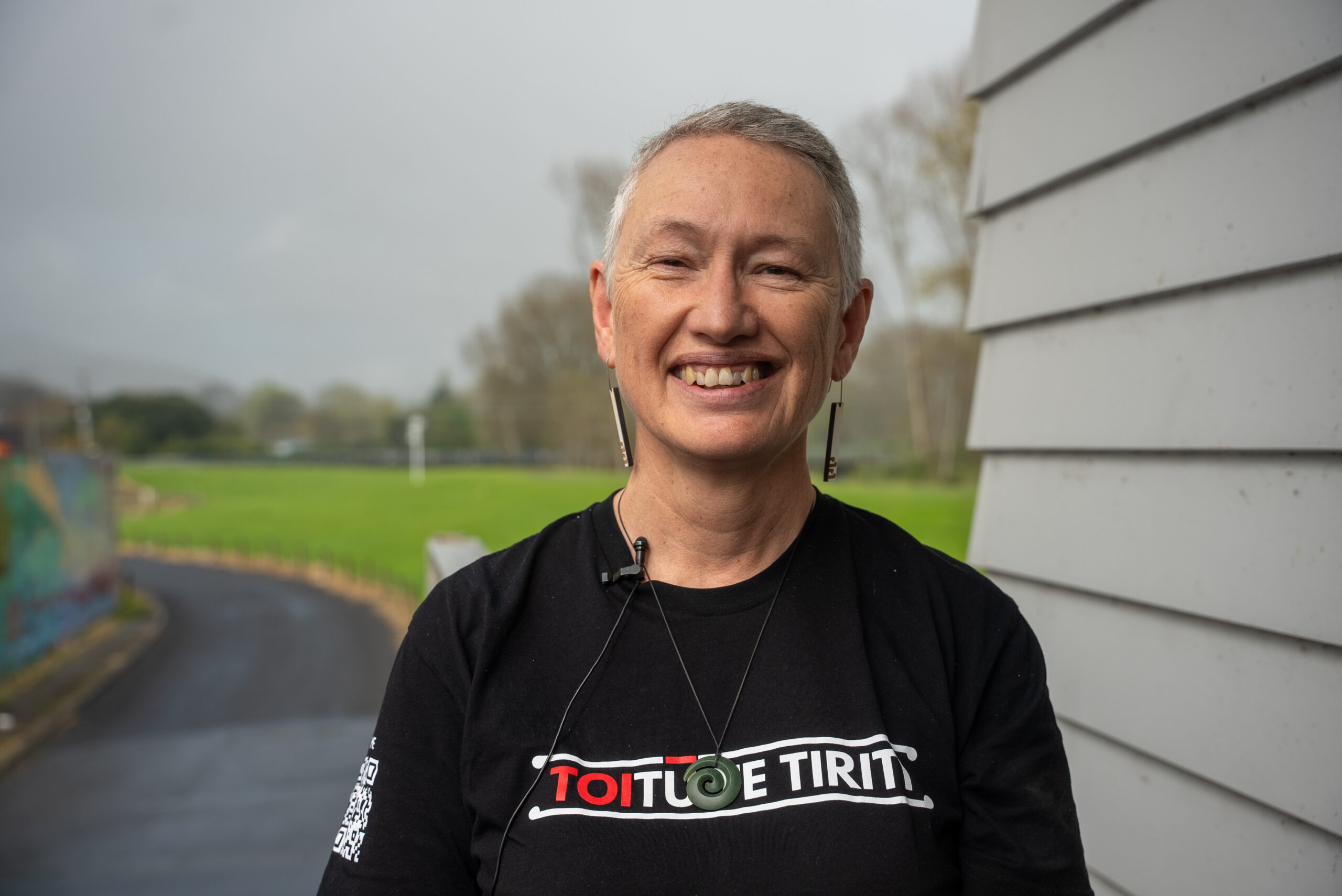
“When you aggregate things too high, you lose the nuances around particular community characteristics. Like in Paeroa there’s no dentist and there hasn’t been one for a while,” says Taima Campbell, CEO of Hauraki PHO who has fronted the video explainers on both reports for the Iwi Māori Partnership Board.
Access to dental care has emerged as a particularly strong concern during engagement with whānau.
The town has not had a dentist for some time, creating a barrier for people who may already face financial and transport pressures when seeking healthcare.
Campbell says the issue stood out because it was immediately understood by whānau, with many able to relate it to their own experiences. “Everyone got it. We didn’t have to talk anybody into it. It was such a shared experience.”
She says the lack of affordable dental care also highlights a clear equity issue. “Whānau cannot afford to go to the dentist.” The report identifies dental access as an issue requiring a locally relevant response, rather than assuming services available elsewhere will meet Paeroa’s needs.
In Thames, the demographic picture presents a different challenge with competing priorities for future health investment that need to be carefully balanced.
“We have an ageing population and on the other side of it, pockets of very young people which creates a fundamental planning question for Thames,” she says.
“Are we investing in our tamariki and rangatahi or do we need to take care of our ageing population?”
For Campbell, the issue is not simply whether a community is getting older or younger. It is about understanding its particular mix of generations and making investment decisions that respond to those needs.
“One size does not fit all,” says Campbell. “What is the problem we’re trying to address, and what is the opportunity for us to create a solution that’s tailored and designed with the community? Because you’re more likely to get a better outcome.”
That requires more than listening, she says. “The other component that has to go with that is trust.”
The Paeroa and Thames reports are the latest editions in the Hauora Report Series by Te Tiratū Iwi Māori Partnership Board covering Taumarunui, Putāruru, Tokoroa, Te Kūiti, Ōtorohanga, Te Awamutu, Kirikiriroa, Raahui Pookeka and Ngāruawāhia.
They’ve been designed and researched by Māori technical experts to bring local health evidence and whānau experience into conversations about future health planning, investment and service delivery across the Tainui waka rohe.
X-ray gap leaves Ōtorohanga whānau travelling
MEDIA STATEMENT
FOR IMMEDIATE RELEASE
Thursday 17 September 2026, 10:00AM
2 minutes to Read
For whānau in Ōtorohanga, accessing healthcare can mean travelling an hour or more out of town, finding the money for fuel and taking time away from work and whānau.
A new 68-page report from Te Tiratū Iwi Māori Partnership Board finds that limited access to diagnostic and specialist services, combined with transport and cost-of-living pressures, is making it harder for some whānau to access care when they need it.
The Ōtorohanga Hauora Report is the latest in the Hauora Report Series by Te Tiratū examining health across localities in the Tainui waka rohe. While Ōtorohanga has primary healthcare and a strong network of community support, the report identifies significant gaps in services beyond basic care.
One of the clearest gaps is access to diagnostic services, with the distance and cost of travelling for an X-ray or other imaging making it harder for whānau to get care when they need it.
“Because we don’t have medical services like X-rays and diagnostic imaging in Ōtorohanga, whānau have had to go to either Waikato Hospital, which is an hour away and quite expensive for them, or they go to Te Awamutu or Te Kūiti Hospital if they’re able to get appointments,” says longtime local and Te Tiratū Tumu Whakarae, Brandi Hudson.
“As soon as kaumātua have to travel, that’s a real big issue.” For whānau without reliable transport, the challenge is even greater. “Young Māmā need a lot of wraparound support with transport.”
The report finds that these practical challenges can lead to whānau delaying care until they are unwell, rather than having symptoms checked sooner.
That is particularly concerning as the community experiences increasing pressure from long-term conditions, including diabetes, alongside reduced access to some visiting specialist services.
“We’ve seen an increase in diabetes and at the same time we’ve seen a decrease in podiatrists able to come to the community,” she says.
The cost of accessing healthcare is also significant for whānau already managing household financial pressures. The median personal income for Māori aged 30 to 64 in Ōtorohanga is $45,100 compared with $48,700 nationally for Māori in the same age group.
Hudson says the financial pressure is increasingly visible in the community.
“One of the major signs we’re experiencing at the moment is that many whānau are turning up for the food banks, and we were very concerned about hiding in the background is a lot of stress from the rise in the cost of living like fuel costs that have been really difficult.”
The report also identifies gaps in mental health and alcohol and other drug (AOD) services. Specialist treatment is often delivered outside Ōtorohanga, while post-treatment pathways are limited and support can reduce once people no longer meet eligibility thresholds.
For Te Tiratū Iwi Maori Partnership Board, the findings point to the need for healthcare solutions that reflect the realities of rural communities rather than expecting whānau to overcome distance, cost and transport barriers themselves.
The report calls for:
- Dedicated 0.6 to 1.0 FTE diabetes and long-term condition support based in Ōtorohanga
- Diagnostic transport support bundled with referrals
- Weekly mobile imaging service in Ōtorohanga to restore access to diagnostic imaging
- Mobile ultrasound clinic operating in Ōtorohanga
- Permanent alcohol and other drugs clinician based in Ōtorohanga
- Funded six- to 12-month structured relapse-prevention follow-up for people receiving AOD treatment
- Funded transport vouchers for young Māmā.
Hudson says Ōtorohanga has significant strengths, including strong community connections and people who continue to support one another.
“Ōtorohanga is a very well-supported community by its own people. But we need a health system that recognises the realities of rural life. Whānau shouldn’t have to choose between paying for fuel, taking time off work or getting the healthcare they need. Bringing more services closer to home would make a real difference.”
This edition is one of ten locality Hauora Reports being developed by Te Tiratū across the Tainui waka rohe. The reports combine local health data with insights gathered through the Whānau Voice engagement programme to identify the health priorities, barriers and strengths of each community.
For Ōtorohanga, the report highlights how distance from essential diagnostics and specialist care can become a health barrier in itself.
Te Awamutu has health services. But can whānau find the care they need?
MEDIA STATEMENT
FOR IMMEDIATE RELEASE
Friday 28 August 2026, 10:00AM
2 minutes to Read
A new report is calling for better access to specialist care, stronger connections between local services and longer-term investment in Te Awamutu.
Te Awamutu has a strong network of health and community providers, but whānau can still face barriers getting the care they need, including travelling outside the town for specialist treatment.
That is a key finding of a new Te Awamutu Hauora Report by Te Tiratū Iwi Māori Partnership Board.
Board member Kataraina Hodge says the issue is not necessarily a lack of services but knowing what is available and where to go.
“We’ve got a lot of health and community services in Te Awamutu, but our whānau don’t necessarily know who they are, what they do or where they are. It’s often not until someone tells them, ‘You should go and see these people’, that they find out a service exists,” she says.
She says making information about local services easier to find and navigate would help whānau make better use of the services already available.
To help address the information gap, Te Tiratū is developing an online directory of kaupapa Māori hauora services across the rohe, giving whānau a clearer pathway to the support available in their communities.
The report also highlights a more fundamental gap for people needing care beyond primary health care.
Te Awamutu does not have a hospital providing the range of specialist services available in Hamilton, meaning whānau can face the added costs of transport, parking and time away from work and family.
“We don’t have a hospital. So if you need anything outside our normal doctor, the flu or an X-ray, you have to go to Hamilton. We don’t have a choice.”
Being close to Hamilton does not remove Te Awamutu’s rural healthcare challenges either according to Hodge.
“We’re rural enough to have the challenges of rural healthcare, but sometimes we’re not rural enough to get the attention and resources that other rural communities receive.”
Workforce stability, especially retaining doctors is another concern, with frequent turnover undermining continuity of care.
“You might have a doctor for three months and then they’re gone. What is it that’s not keeping them here? We need to look at why our health professionals aren’t staying.”
The strength of Te Awamutu’s existing relationships is also identified as an asset. People who have moved away will often return to see healthcare providers they have known for years.
“People still want to come home. They want to come home for their doctors because they’ve been here forever. We’ve grown up relying on the person who’s always been there for us.”
The report identifies cost, transport, workforce shortages and poor coordination between services as barriers to timely care. Housing pressures, the rising cost of living and increasing mental health needs can add further pressure for whānau.
The answer is not necessarily to create another layer of services, Hodge says, but to make the existing system work better around the people who use it.
That means stronger primary care, a sustainable workforce, better access to specialist care closer to home, stronger coordination between health and social services, and continued investment in prevention and kaupapa Māori approaches.
Funding is also critical. Short-term and fragmented funding makes it difficult for providers to plan together and build sustainable services.
“I’ve been fighting for years for five-year funding. Give us a programme of what you want us to deliver, we’ll put a budget to it, we’ll tell you how we’re going to do it and we’ll work together. But we’re still getting piecemeal funding.”
“The issue isn’t whether whānau want care. It’s whether the system makes it easy to get it,” she says.
The Te Awamutu edition is one of 10 locality Hauora Reports being developed by Te Tiratū across the Tainui waka rohe. Together, the reports are intended to ensure local voices and experiences inform health planning, investment and decisions about the services communities need.
Copies of the reports have been sent to every mayor and relevant local council across the rohe, as well as senior Te Whatu Ora officials and other relevant stakeholders putting the findings directly in front of those responsible for health planning and local decision-making.
New Te Kūiti Hauora Report reveals mounting pressure on rural ‘health hub’ serving the wider district
MEDIA STATEMENT
FOR IMMEDIATE RELEASE
Monday 13 July 2026, 10:00AM
2 minutes to Read

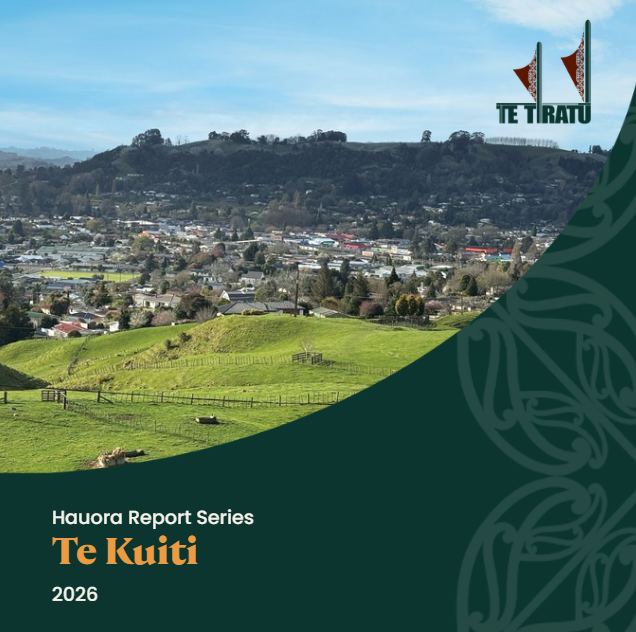
Te Tiratū Iwi Māori Partnership Board has today released its 48-page Te Kūiti Hauora Report, revealing the growing strain on one of the Waikato region’s key rural health hubs, where local services are supporting not only Te Kūiti residents but whānau from surrounding communities who rely on the town for everyday healthcare.
The report is the latest in the Hauora Report Series by the Iwi Māori Partnership Board examining health across ten localities in the Tainui waka rohe – Taumarunui, Putāruru, Tokoroa, Paeroa, Thames, Te Kūiti, Ōtorohanga, Te Awamutu, Raahui Pookeka and Ngaaruawaahia, and Kirikiriroa.
While every community has its own story, the Te Kūiti report identifies a unique challenge – a comparatively young Māori population combined with the responsibility of delivering healthcare across a much wider rural catchment.
Te Tiratū Board member and Chief Executive of Te Nehenehenui, Sam Mikaere said the report demonstrates why rural communities require different solutions than larger urban centres.
“Te Kūiti isn’t simply providing healthcare for one town. It is a rural service hub carrying the health needs of communities across the wider district. That means pressure on local services is constant, and when capacity is stretched, the effects are felt far beyond Te Kūiti itself.”
Almost 47 percent of Te Kūiti’s population is Māori, with nearly half of residents under the age of 30. At the same time, local providers are managing increasing demand from surrounding communities for GP services, maternity care, dental care and chronic disease management.
Unlike reports that focus solely on health statistics, the Te Kūiti Hauora Report combines the lived experiences of whānau with local health data revealing how transport, cost, workforce shortages, childcare and the availability of appointments influence whether people can access care early or delay treatment until conditions worsen.
The findings Mikaere said point to a straightforward conclusion.
“Te Kūiti doesn’t need the health system redesigned. It needs sustained investment in the local services already carrying the load. When whānau can access care close to home, they stay healthier, avoid unnecessary hospital admissions and the whole system performs better.”
The report found that many whānau experience difficulty enrolling with a GP or securing appointments when they need them. Travel to Hamilton often becomes the alternative, adding cost, time and disruption for families already balancing household expenses.
Providers are also managing sustained demand from long-term conditions including diabetes, asthma, cardiovascular disease and mental health concerns, while high levels of deprivation continue to shape everyday health outcomes.
Rather than proposing new structures, the Te Kūiti Hauora Report calls for practical investment in the services already supporting whānau, including:
• Greater access to primary care and GP services.
• Stable local maternity services.
• Expanded dental care.
• More specialist outreach clinics.
• Better transport connections for rural communities.
• Stronger kaupapa Māori services and whānau navigation.
The report also calls for Ngāti Maniapoto to be genuine partners in designing and leading health services, recognising that locally informed solutions produce better outcomes for whānau.
“Decisions about rural healthcare must reflect how rural communities actually live. The evidence shows that when services are local, accessible and designed with communities, people receive care earlier and health outcomes improve,” he said.
All the Hauora Reports combine population health data with insights from the Whānau Voice engagement programme run by Te Tiratū Iwi Māori Partnership Board out in the community to inform future health planning and investment.
Each edition in the series reflects the unique health challenges, strengths and aspirations of its community, recognising that no two localities experience healthcare in the same way.
Partnership reset under Pae Ora reforms between IMPBs & Ministerial Committee
MEDIA STATEMENT
FOR IMMEDIATE RELEASE
Friday 3 July 2026, 10:00AM
2 minutes to Read
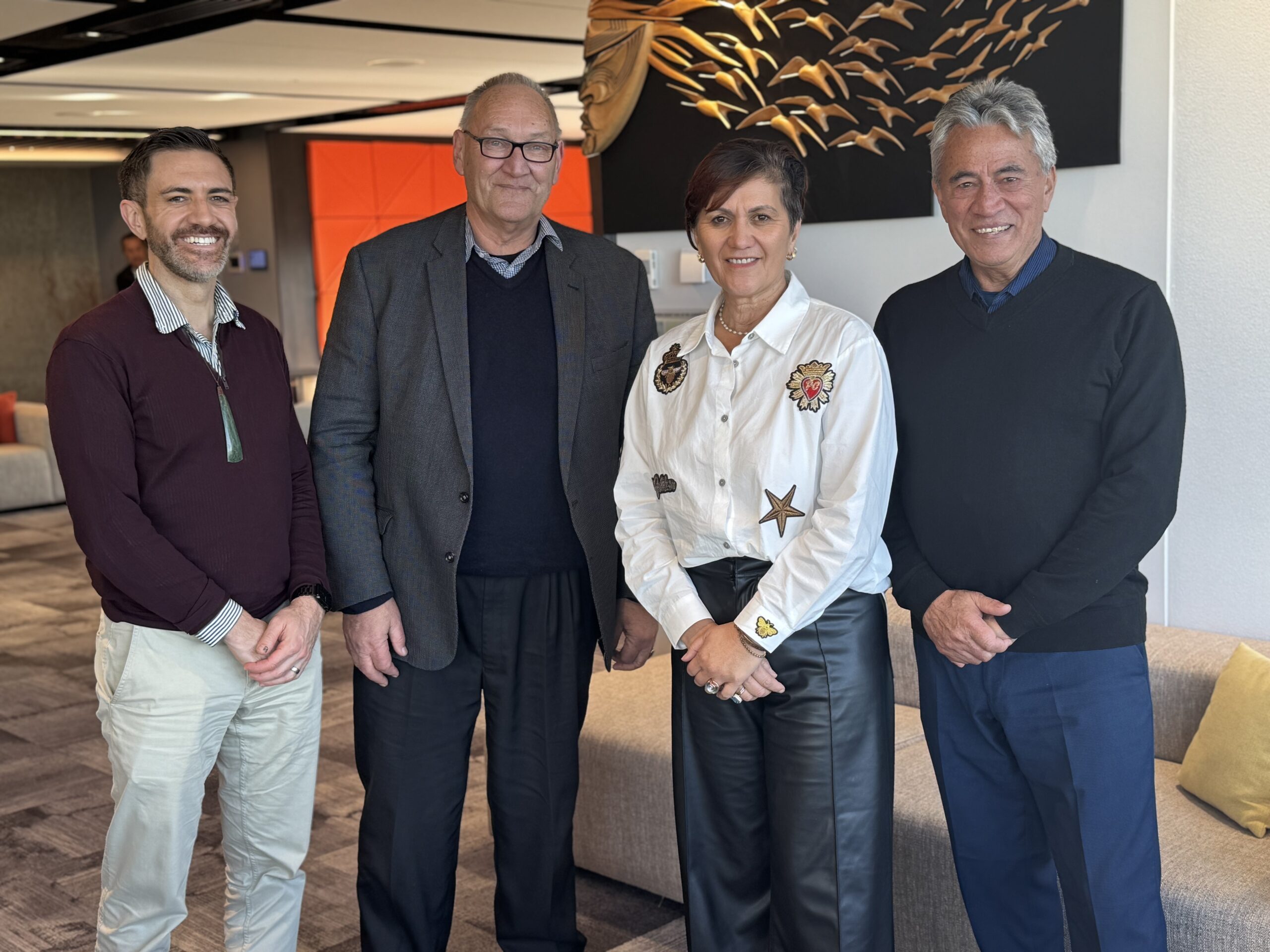
Photo, left to right: Hauora Māori Advisory Committee Chair Tā Mark Solomon, Amohaere Houkamau and Te Ururoa Flavell.
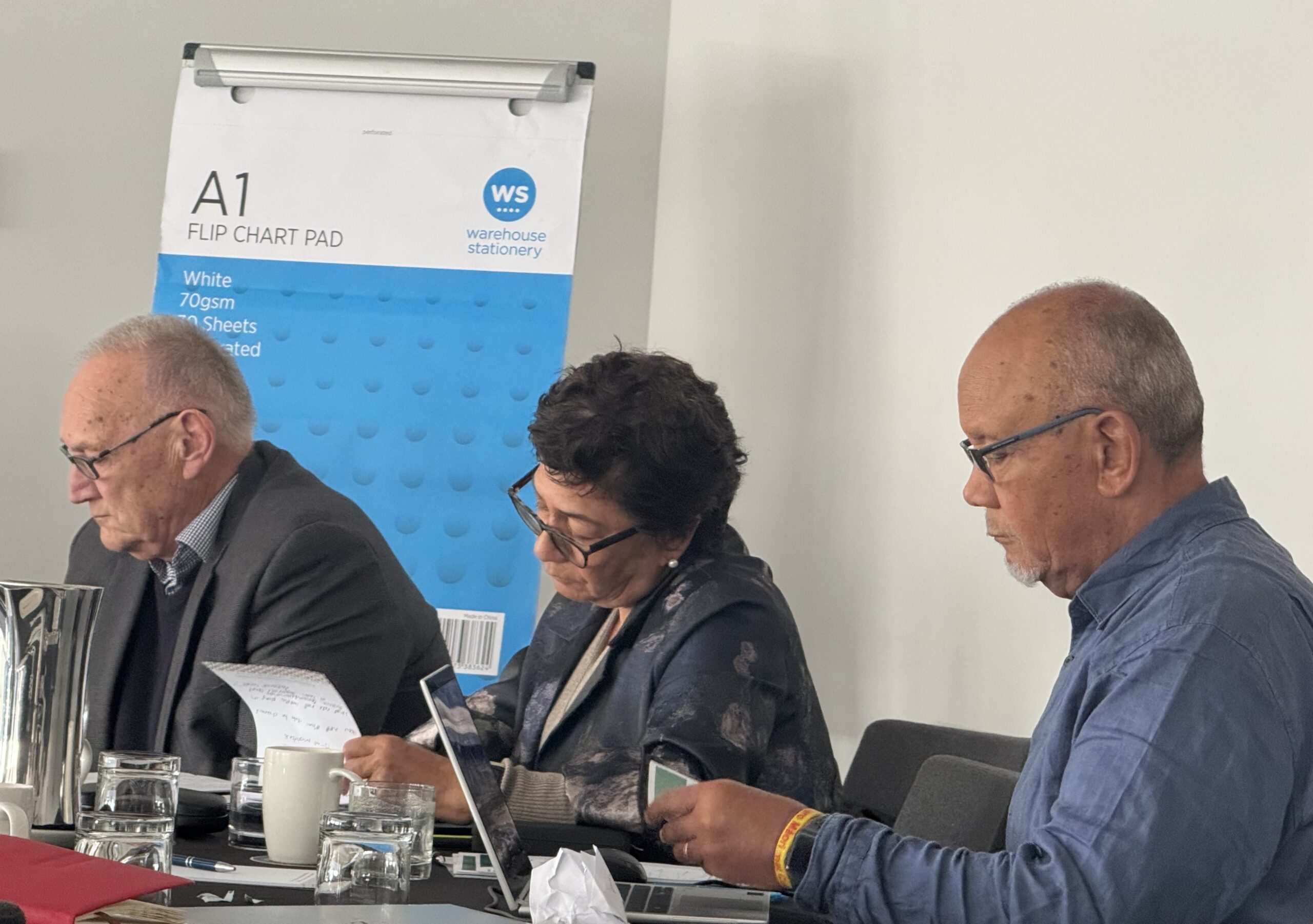
Iwi Māori Partnership Boards (IMPBs) and the Hauora Māori Advisory Committee (HMAC) have agreed to reset their working relationship following changes to the Pae Ora legislation, with IMPBs pushing for system responsiveness to whānau voice to become a formal, monitored measure.
The move follows a shared frustration. IMPBs say they are generating strong evidence and community health plans, but that this isn’t consistently translating into system decisions.
“Whānau Voice is our core asset. We are capturing it, codifying it and presenting it clearly through our community health plans and engagement systems, but too often it is not reflected back in system decisions,” IMPB representatives said.
One account by a kaumātua from Te Wai Pounamu on long-term travel for dialysis captured the human cost of the gap between evidence and action. “The treatment won’t kill me, but the travel will,” he said pointing to the cumulative burden of distance and cost on whānau in remote communities.
IMPBs said in some areas whānau cannot be confident they will be born or die on their own whenua, due to service access gaps. Boards across all regions raised consistent barriers: access to services, rurality, workforce shortages, and travel costs.
They also flagged contracting uncertainty as urgent, delays in signed agreements, no assurance for the new financial year, and repeated cancellations of engagement processes and called for longer, more stable multi-year contracts for Hauora Māori providers.
Data sovereignty was another flashpoint, with boards investing in their own data systems and demanding clearer governance and ownership of Māori data. IMPBs also warned that the system’s shift toward deprivation-based measures risks making Māori health inequities less visible.
HMAC, whose influence runs through direct engagement with the Health Minister and the Health New Zealand Board, acknowledged the gap and conceded it needs to sharpen how it packages advice for decision-makers and close the loop back to IMPBs.
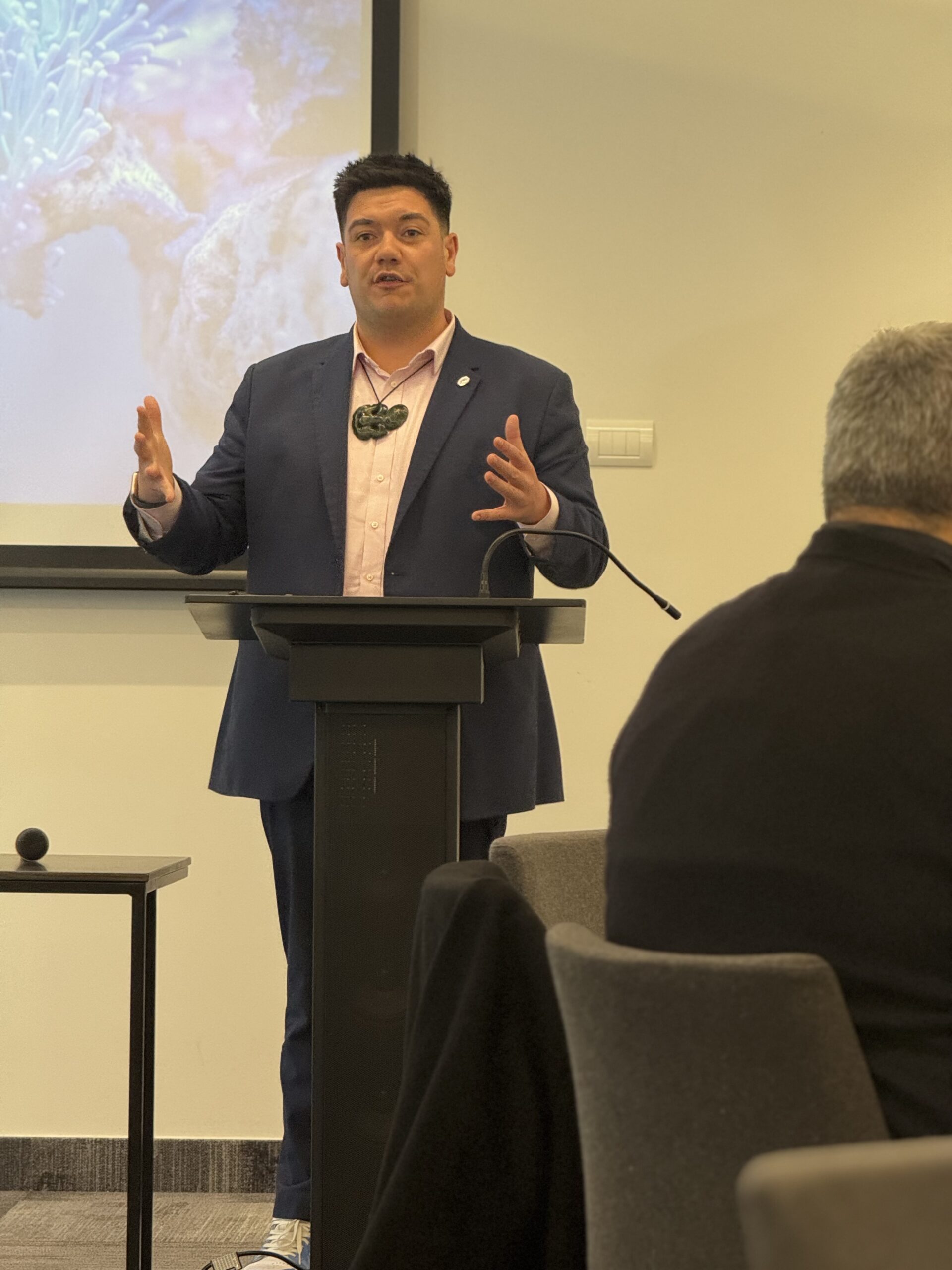
Photo: Elijah Pue, Tumu Whakarae of Te Mātuku Iwi-Māori Partnership Board, a Whanganui rohe iwi-Māori Partnership Board.
“We have heard clearly that there is strong alignment across IMPBs, but we also recognise we need to be sharper in how we translate that into advice that lands, and how we report back on what happens as a result,” HMAC members said.
Both parties agreed to make system responsiveness to whānau voice a formal monitoring focus. Four models for structuring the relationship were discussed, a kawenata (formal covenant), a board-to-board mechanism, a regional reflection-based approach, and regionally tailored arrangements, with HMAC to engage regionally on which model boards prefer rather than imposing one.
A practical first step was agreed. That HMAC will spend a dedicated day in each region, combining collective and one-on-one sessions with individual boards, backed by a planned engagement calendar.
Three enablers were identified as necessary: a national secretariat and policy function (funding and governance still to be settled), strategic national hui timed to influence decisions particularly budget cycles, rather than serve as updates, and a predictable reporting cadence with advance notice to IMPBs ahead of HMAC’s engagements with the Minister.
“We are on the same side of this mahi,” IMPB representatives said. “The measure of success over the next 12 months will be whether Whānau Voice is clearly reflected in decisions and whether the system responds in ways that can be seen and felt in communities.”
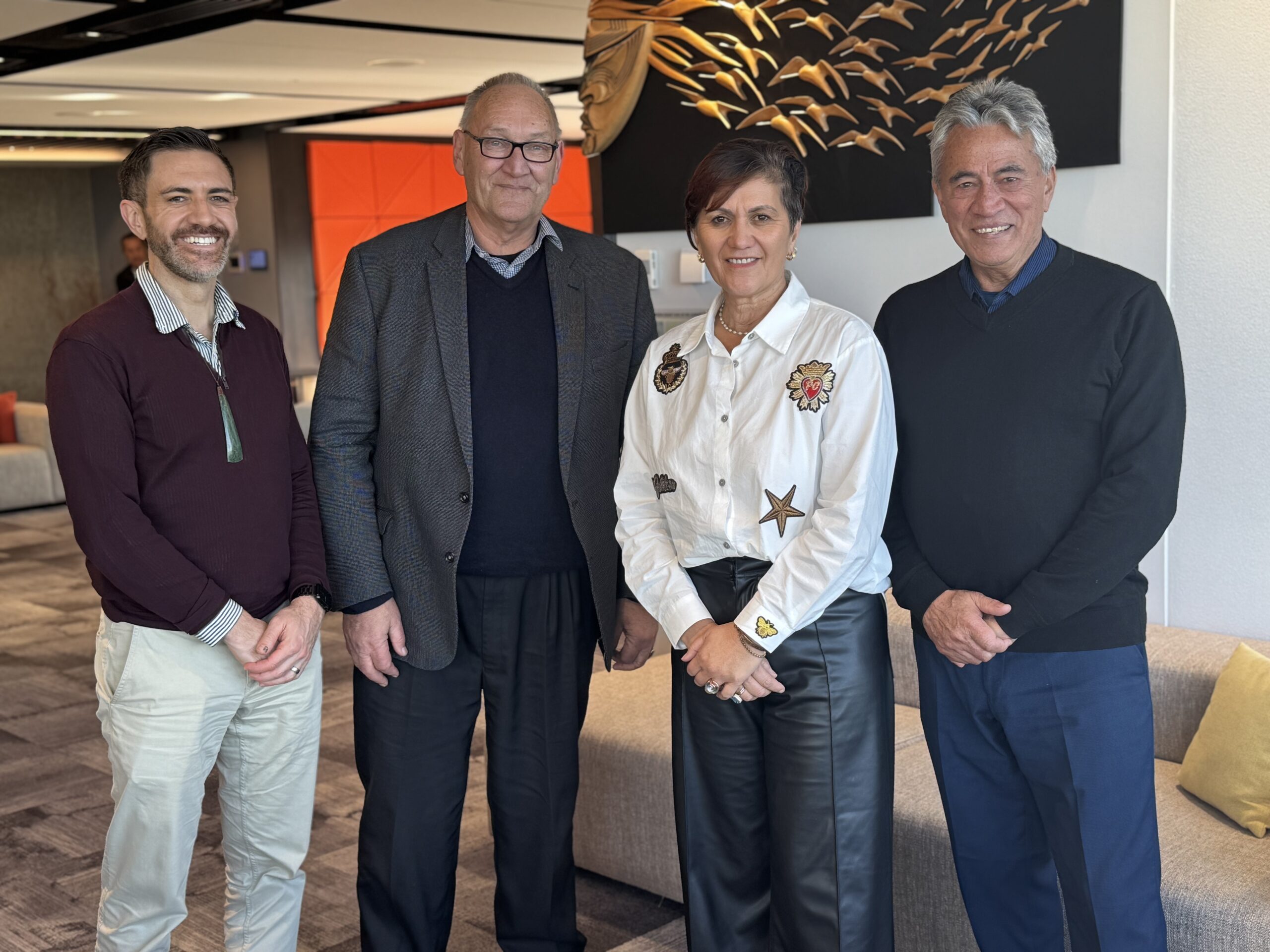
Photo, left to right: Te Tiratū Iwi Māori Partnership Board member Dr Mataroria Lyndon, Hauora Māori Advisory Committee Chair Tā Mark Solomon, Te Tiratū Iwi Māori Partnership Board Tumu Whakarae Brandi Hudson, and Te Tiratū Iwi Māori Partnership Board Co-chair Glen Tupuhi.
Waikato ED death sparks call by one of the largest Iwi Māori Partnership Boards to tackle ‘access block’
MEDIA STATEMENT
FOR IMMEDIATE RELEASE
Wednesday 1 July 2026, 10:00AM
2 minutes to Read
Te Tiratū Iwi Māori Partnership Board representing over 121,000 Māori in Tainui waka rohe extends its deepest condolences to the whānau who have lost a loved one who died after reportedly waiting nine hours in the Emergency Department at Waikato Hospital.
No family should experience the trauma of losing a loved one while waiting for emergency care, and every person who enters a hospital deserves timely, safe and dignified treatment.
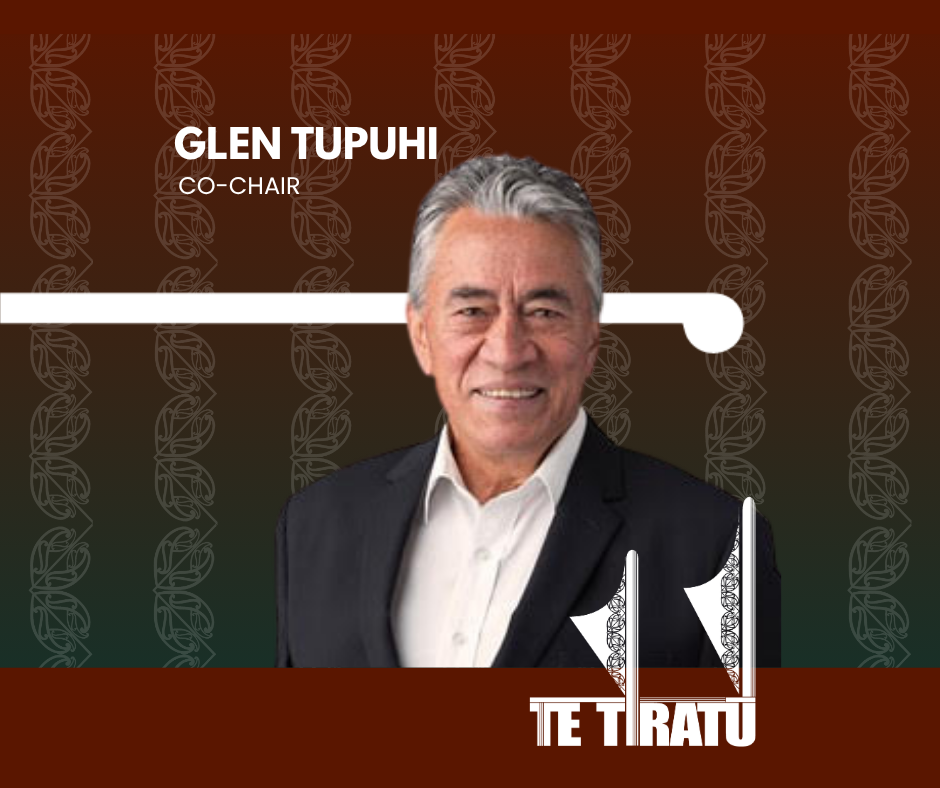
IMPB Co-chair and Chair of Hauraki PHO Glen Tupuhi said the focus must be on understanding why the system failed and ensuring it does not happen again especially when Crown oversight body, Health Quality & Safety Commission Te Tāhū Hauora has already identified Māori adverse-event harm as a system issue.[1]
“Our first thoughts are with the whānau who have suffered an unimaginable loss.”
“We respect their privacy at what will be an incredibly difficult time. Health New Zealand has advised us that a clinical review has commenced. We are deeply concerned about media reporting witnesses saying some “were waiting up to 13 hours” which is over double the performance target,” he said.
“This must be about more than one tragic event. We know many of our rurally based whānau across the region have the added stress of travel to Kirikiriroa and wait times.”
“Our community deserves confidence that emergency departments are safe, adequately resourced and able to provide timely care when people need it most.”
The Iwi Māori Partnership Board anticipates that the review will look at wider system issues such as delayed admissions from the Emergency Department also known as “access block”.
“It is the measure most strongly associated with patient harm, Te Tiratū expects these to be addressed transparently and with urgency.”
The key national benchmark for ED performance is that 95% of patients are admitted, discharged or transferred from an emergency department within six hours. Te Whatu Ora public data on overall Waikato shorter-stays-in-ED is 66.4% which is materially below the target.[2]
Te Tiratū welcomes a thorough and transparent review to establish the facts and identify any lessons that will strengthen patient safety immediately, so it never happens again.
“As the statutory Iwi Māori Partnership Board responsible for monitoring health system performance across our rohe under the Pae Ora (Healthy Futures) Act 2022, we will continue to proactively engage constructively with Health New Zealand as more information becomes available.”
While it is too early to comment on the specific circumstances of this case, this tragic event highlights the importance of ensuring the emergency department at Waikato Hospital is safe, appropriately resourced, and able to meet the needs of all whānau.
Factors Te Tiratū anticipates will be assessed include ED triage and assessment, waiting room monitoring, escalation processes when waits become unsafe, staffing rosters versus actual, inpatient bed occupancy, ‘access block’ delaying admission, ambulance offload delays, weekend or evening acute flow, specialist team response times, discharge delays and internal hospital flow.
Looking at the publicly available Health NZ Health Targets data, Waikato’s Shorter Stays in Emergency Department performance is 66%, compared with the national result of 74.2% (approximately 74.4% in the latest quarter). This remains well below the Government’s target that 95% of patients spend less than six hours in ED,” he said.[3]
The Iwi Māori Partnership Board for Tainui waka rohe know Māori experience poor outcomes in the health system across Aotearoa. More whānau experience in-hospital adverse events than any other cohort.
Te Tiratū remains committed to working alongside Te Whatu Ora Health New Zealand to improve health outcomes for whānau and strengthen public confidence in the health system.
A 2020 Health and Disability Commissioner decision involving the Waikato DHB found systemic issues contributed to a long delay in ED that put patients at risk.[4]
The Commissioner at the time was concerned the system allowed patients to fall well outside medical review times when registrar workload was overwhelmed.
[1] https://www.hqsc.govt.nz/resources/resource-library/adverse-events-exception-reporting-202021-thematic-analysis-involving-maori-and-pacific-peoples/
[2] Health NZ health target performance resources 2025/26 https://www.healthnz.govt.nz/publications/health-targets-performance-resources-2025-26 and Health NZ Q2 2025/26 Waikato factsheet, October to December 2025 https://www.healthnz.govt.nz/publications/health-targets-performance-resources-2025-26
[3] 23 June 2026 Te Whatu Ora Media Release: https://www.healthnz.govt.nz/news-and-updates/access-to-care-continuing-to-improve-across-a-range-of-health-indicators
[4] Case 18HDC0156 https://www.hdc.org.nz/media/i13ljoyl/18hdc01563.pdf
Iwi Māori Partnership Boards condemn systemic failure by Police & Health exposed in reports
MEDIA STATEMENT
FOR IMMEDIATE RELEASE
Friday 19 June 2026, 2:43 PM
2 minutes to Read
Te Tiratū , Te Taura Ora and Te Moana a Toi Iwi Māori Partnership Boards representing 646,000 Māori say the findings released today into the treatment of an 11 year old tamaiti Māori and tāngata whaikaha autistic child expose profound avoidable failures across Police and health systems breaching Te Tiriti o Waitangi, international United Nations conventions, the Health and Disability Code of Conduct, Pae Ora and mental health legislation.
“First and foremost, our Boards acknowledge the mamae of the brave whānau who have spent more than a year going up against the machinery of the Crown dealing with agencies seeking answers about what happened to their tamariki,” said Te Tiratū co-chair Glen Tupuhi.
“Whānau must be placed at the centre of the response, not the system. No whānau should have to be at the mercy of multiple systems to obtain answers after a serious incident involving their child. Police and Health needed to be sensitive and place their needs and their wishes first before doing anything.”
Te Tiratū says one of the most concerning features of the past fifteen months has been the burden placed on the whānau to navigate multiple agencies, investigations and accountability processes while trying to understand what happened to their child.
“When agencies hold most of the information, control the processes and control the public narrative, there is an inherent imbalance of power,” said Tupuhi.
“We understand that the whānau were not even consulted ahead of the first Rapid Report release last year until the press conference was happening which is totally unacceptable. That shows the system protecting the system.”
“This regrettable case demonstrates why it is mandatory that an independent whānau advocate must be appointed immediately whenever vulnerable tamariki, tāngata whaikaha, and whānau become involved in serious incidents health, disability, mental health, care or policing services – not kaimahi Māori from the agencies involved.”
“Whānau should never stand alone – ever,” said Tipa Mahuta, Te Tiratū co-chair.
“An independent advocate would ensure whānau are informed, supported, heard, and able to participate meaningfully throughout all review and accountability processes.”
Te Tiratū was deeply disturbed last year when the case was broken in the news media as it happened in its rohe and proactively reached out to Te Whatu Ora and sought information in accordance with its statutory monitoring role under the Pae Ora Act.
Despite this, Te Tiratū was not provided timely access to key information and was advised to refrain from public comment while agency review processes were underway.
“Now these independent reports confirm in black and white that there were multiple failings by several agencies to this precious autistic Māori child and her whānau,” Tupuhi said.
Both co-chairs said the reports also raise significant questions about how Te Tiriti o Waitangi obligations and the Pae Ora Act were operationalised throughout the response.
All three Iwi Māori Partnership Boards note that the reports contain limited analysis of Te Tiriti obligations, Māori health equity responsibilities, disability rights frameworks, and international human rights obligations affecting Indigenous peoples, disabled people and children.
“We are particularly concerned that Māori governance and oversight mechanisms appear to have been largely absent from key escalation and response processes,” Mapihi Raharuhi, Te Moana a Toi Tumu Whakarae said.
The escalation pathway released by Health New Zealand back in 2025 did not identify involvement of key Māori oversight mechanisms, including Iwi Māori Partnership Boards, the Hauora Māori Directorate or the Hauora Māori Advisory Committee. The action plan released today was the same.
“The issue is not whether Crown agencies conducted reviews and an action plan. The issue is whether Māori governance structures established under the Pae Ora Act were present when decisions affecting a vulnerable tamaiti Māori were being made and afterwards in the restoration response,” said Te Taura Ora Tumu Whakare, Hinemoa Awatere.
“Te Tiriti requires partnership, participation and active protection. Those obligations must be visible during a crisis, or it is a breach. That is why accountability must focus not only on individuals but on the systems, cultures and safeguards that failed.”
The Boards unanimously support the call by the whānau for meaningful accountability and assurance that no other tamariki will experience similar harm ever again.
Te Tiratū backs the petition that has just been launched behalf of the whānau.
CALL FOR ACTION
Te Tiratū is calling for:
•Independent advocacy for whānau from the outset of serious incidents
•Mandatory Māori and disability-informed oversight in cases involving vulnerable tamariki and tāngata whaikaha
•Full implementation of recommendations arising from the Section 95 Inquiry and Health and Disability Commissioner processes
•Stronger Te Tiriti accountability mechanisms within escalation and crisis response pathways
•Clear monitoring and public reporting on implementation of recommendations
•Improved autism, neurodiversity and disability training across frontline agencies
•Strengthened safeguards for tamariki entering acute mental health services
•Greater integration of whānau-centred practice and supported decision-making frameworks
Budget must close widening rural health gap warns Te Tiratū Iwi Māori Partnership Board
MEDIA STATEMENT
FOR IMMEDIATE RELEASE
Thursday 28 May 2026, 5:00 PM
2 minutes to Read
Te Tiratū Iwi Māori Partnership Board says today’s Budget will ultimately be judged on whether new health spending reaches frontline primary care and kaupapa Māori services especially in under resourced rural communities already carrying high levels of unmet need.
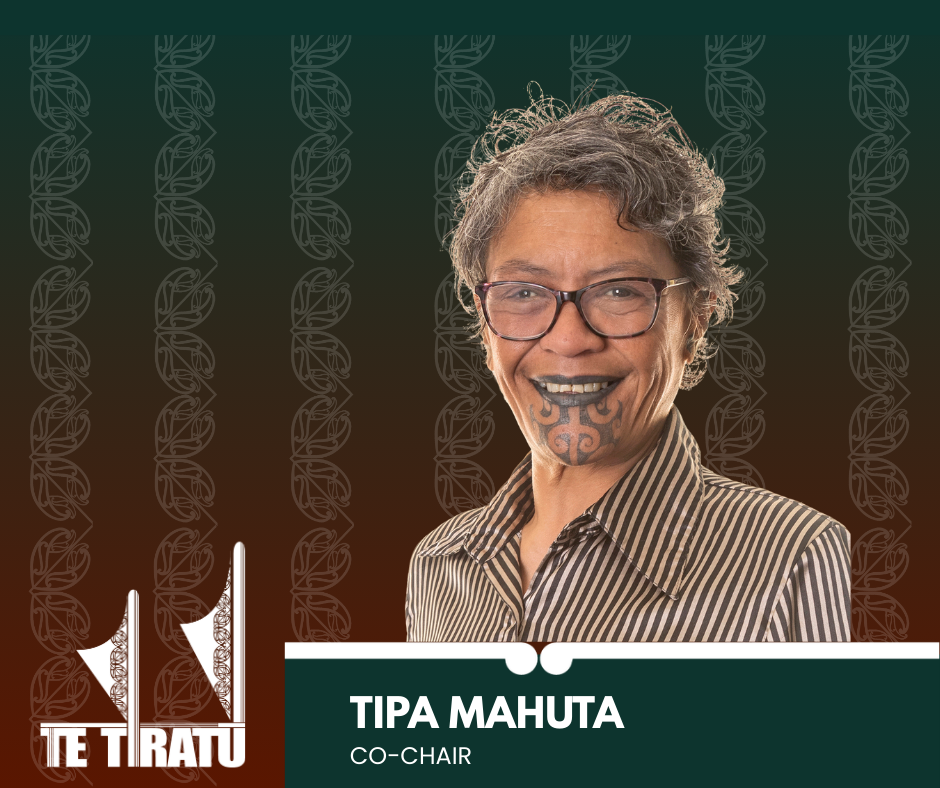
“Yes, this Budget contains substantial health spending. The question for Māori communities, is whether enough of that investment reaches the frontline services carrying the heaviest burden of inequity,” said Tipa Mahuta, Co-Chair of Te Tiratū Iwi Māori Partnership Board.
While Budget 2026 includes significant health investment of $5.8 billion over four years, the Iwi Māori Partnership Board in Waikato representing over 121,300 Māori says Māori and rural communities continue to require sustained, long-term funding focused on prevention, early intervention, and locally led care to address persistent inequities.
Te Tiratū says whānau in Waikato continue to face growing pressure from chronic disease, mental health need, poor housing, workforce shortages, and barriers to timely access to healthcare particularly in rural and provincial communities.
Despite overall health investment, the Board says there is no clear identifiable uplift for primary and community care at the level required to meet growing demand.
“Primary care is where the pressure is already sitting. If investment does not reach frontline and kaupapa Māori providers, communities will continue paying the price later through avoidable hospital admissions, worsening illness and delayed treatment,” Mahuta said.
“The issue is not simply whether funding is announced. It is whether whānau in places like Taumarunui, Tokoroa, Kāwhia or Ngāruawāhia actually experience earlier access to care, shorter waits, and better support.”
The Board’s Hauora Report series across Te Kūiti, Taumarunui, Te Awamutu, Tokoroa, Thames, Ōtorohanga, Putāruru, Paeroa, Rāhui Pōkeka and Ngāruawāhia continues to show consistent system pressures, including:
•high deprivation
•rising chronic disease burden
•transport and rural access barriers
•workforce shortages
•mental health need
•gaps in adult dental care
•growing demand for kaupapa Māori and whānau-centred services
It’s local monitoring and Whānau Voice surveys point to rural hospitals carrying sustained acute demand, with Māori often presenting later, encountering access barriers, and limited local service availability.
Primary and community care capacity remains particularly constrained in high-needs rural areas such as Ōtorohanga, Kāwhia and the wider King Country, where workforce shortages continue to limit timely and culturally safe care, especially in mental health, addictions, and kaupapa Māori services.
In Taumarunui, local monitoring shows nearly 87 percent of residents live in high deprivation areas. In Rāhui Pōkeka (Huntly) and Ngāruawāhia, more than half the Māori population is under 30, increasing pressure on youth wellbeing and early intervention services.
The co-Chair of Te Tiratū says whānau are experiencing longer waits, reduced continuity of care, and increasing travel burdens that compound existing inequities. Rural Waikato continues to be treated as if healthcare access is equitable across the system, when it is not.
“For many whānau, healthcare access is not just whether a service exists. It is whether they can afford the appointment, travel the distance, take time off work, arrange transport, or be seen early enough before conditions become acute,” Mahuta said.
She said many of the Budget’s largest investments appear focused on hospital infrastructure and system capacity, while primary and community-based services remain under pressure.
Clinically, prevention and early intervention services remain fragmented according to Te Tiratū, resulting in avoidable escalation of conditions into acute care settings and placing further strain on emergency departments and rural hospitals.
The Iwi Māori Partnership Board says Budget 2026 will be assessed on whether it meaningfully strengthens:
•primary care
•kaupapa Māori providers
•rural and mobile services
•rangatahi mental health
•chronic disease prevention
•adult dental services
•workforce recruitment and retention
•whānau-centred care
Te Tiratū also highlights the $531 million in historical underfunding of Māori health organisations1, alongside ongoing uncertainty for Māori providers following the disestablishment of Te Aka Whai Ora (Māori Health Authority) and raises concerns about how Māori health priorities will now be consistently funded and delivered across the system.
Proposed changes to national funding and eligibility settings, including diabetes medicine access pathways, reinforce the need for Māori health need to remain visible within mainstream funding decisions.
“Clinical need does not sit separately from inequity. Māori communities carry higher burden of chronic illness, poorer access to services, and greater barriers to early care. Those realities must remain visible in funding and access decisions,” she said.
Strengthening rural hospitals and community-based services, the Iwi Partnership Board notes, would reduce avoidable hospital admissions and enable earlier intervention closer to home. Expanding adult dental services would address a significant prevention gap and reduce preventable presentations to emergency departments. Improving access to diabetes and dialysis care would help prevent progression to late-stage disease while also reducing the travel burden on whānau.
“We support investment into treatment and hospital services, but clinically we know pressure starts much earlier in unmet primary care need, delayed diagnosis, poor access to prevention, and fragmented follow-up care.”
Te Tiratū believes the evidence from across the rohe is already clear, regardless of Budget announcements. Long-term investment is needed in kaupapa Māori and iwi-led services, rural and community-based care, mental health and addictions services, workforce development, and prevention-focused models of care.
“If these areas are not materially addressed, the pressure we are already seeing across the system will continue to escalate and inequities for Māori will widen,” said Mahuta.
“What matters now is whether Budget 2026 reduces the distance between policy announcements in Wellington and the lived reality for whānau trying to access healthcare in rural Waikato.”