MEDIA STATEMENT
FOR IMMEDIATE RELEASE
Friday 19 June 2026, 2:43 PM
2 minutes to Read
Te Tiratū , Te Taura Ora and Te Moana a Toi Iwi Māori Partnership Boards representing 646,000 Māori say the findings released today into the treatment of an 11 year old tamaiti Māori and tāngata whaikaha autistic child expose profound avoidable failures across Police and health systems breaching Te Tiriti o Waitangi, international United Nations conventions, the Health and Disability Code of Conduct, Pae Ora and mental health legislation.
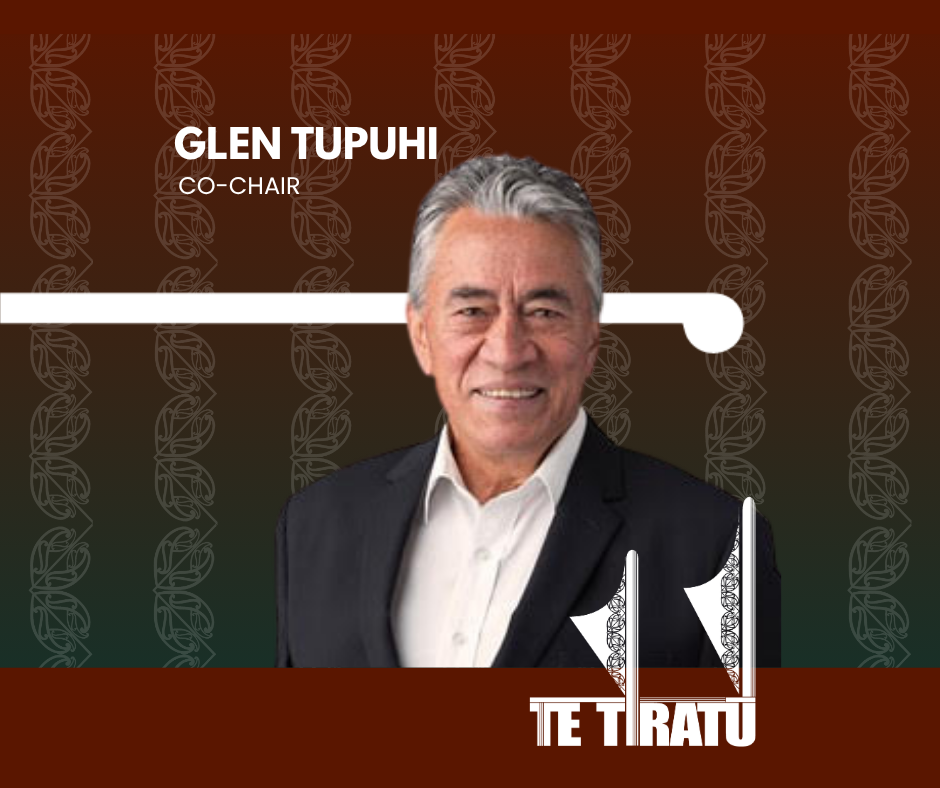
“First and foremost, our Boards acknowledge the mamae of the brave whānau who have spent more than a year going up against the machinery of the Crown dealing with agencies seeking answers about what happened to their tamariki,” said Te Tiratū co-chair Glen Tupuhi.
“Whānau must be placed at the centre of the response, not the system. No whānau should have to be at the mercy of multiple systems to obtain answers after a serious incident involving their child. Police and Health needed to be sensitive and place their needs and their wishes first before doing anything.”
Te Tiratū says one of the most concerning features of the past fifteen months has been the burden placed on the whānau to navigate multiple agencies, investigations and accountability processes while trying to understand what happened to their child.
“When agencies hold most of the information, control the processes and control the public narrative, there is an inherent imbalance of power,” said Tupuhi.
“We understand that the whānau were not even consulted ahead of the first Rapid Report release last year until the press conference was happening which is totally unacceptable. That shows the system protecting the system.”
“This regrettable case demonstrates why it is mandatory that an independent whānau advocate must be appointed immediately whenever vulnerable tamariki, tāngata whaikaha, and whānau become involved in serious incidents health, disability, mental health, care or policing services – not kaimahi Māori from the agencies involved.”
“Whānau should never stand alone – ever,” said Tipa Mahuta, Te Tiratū co-chair.
“An independent advocate would ensure whānau are informed, supported, heard, and able to participate meaningfully throughout all review and accountability processes.”
Te Tiratū was deeply disturbed last year when the case was broken in the news media as it happened in its rohe and proactively reached out to Te Whatu Ora and sought information in accordance with its statutory monitoring role under the Pae Ora Act.
Despite this, Te Tiratū was not provided timely access to key information and was advised to refrain from public comment while agency review processes were underway.
“Now these independent reports confirm in black and white that there were multiple failings by several agencies to this precious autistic Māori child and her whānau,” Tupuhi said.
Both co-chairs said the reports also raise significant questions about how Te Tiriti o Waitangi obligations and the Pae Ora Act were operationalised throughout the response.
All three Iwi Māori Partnership Boards note that the reports contain limited analysis of Te Tiriti obligations, Māori health equity responsibilities, disability rights frameworks, and international human rights obligations affecting Indigenous peoples, disabled people and children.
“We are particularly concerned that Māori governance and oversight mechanisms appear to have been largely absent from key escalation and response processes,” Mapihi Raharuhi, Te Moana a Toi Tumu Whakarae said.
The escalation pathway released by Health New Zealand back in 2025 did not identify involvement of key Māori oversight mechanisms, including Iwi Māori Partnership Boards, the Hauora Māori Directorate or the Hauora Māori Advisory Committee. The action plan released today was the same.
“The issue is not whether Crown agencies conducted reviews and an action plan. The issue is whether Māori governance structures established under the Pae Ora Act were present when decisions affecting a vulnerable tamaiti Māori were being made and afterwards in the restoration response,” said Te Taura Ora Tumu Whakare, Hinemoa Awatere.
“Te Tiriti requires partnership, participation and active protection. Those obligations must be visible during a crisis, or it is a breach. That is why accountability must focus not only on individuals but on the systems, cultures and safeguards that failed.”
The Boards unanimously support the call by the whānau for meaningful accountability and assurance that no other tamariki will experience similar harm ever again.
Te Tiratū backs the petition that has just been launched behalf of the whānau.
CALL FOR ACTION
Te Tiratū is calling for:
•Independent advocacy for whānau from the outset of serious incidents
•Mandatory Māori and disability-informed oversight in cases involving vulnerable tamariki and tāngata whaikaha
•Full implementation of recommendations arising from the Section 95 Inquiry and Health and Disability Commissioner processes
•Stronger Te Tiriti accountability mechanisms within escalation and crisis response pathways
•Clear monitoring and public reporting on implementation of recommendations
•Improved autism, neurodiversity and disability training across frontline agencies
•Strengthened safeguards for tamariki entering acute mental health services
•Greater integration of whānau-centred practice and supported decision-making frameworks