MEDIA STATEMENT
FOR IMMEDIATE RELEASE
Thursday 28 May 2026, 5:00 PM
2 minutes to Read
Te Tiratū Iwi Māori Partnership Board says today’s Budget will ultimately be judged on whether new health spending reaches frontline primary care and kaupapa Māori services especially in under resourced rural communities already carrying high levels of unmet need.
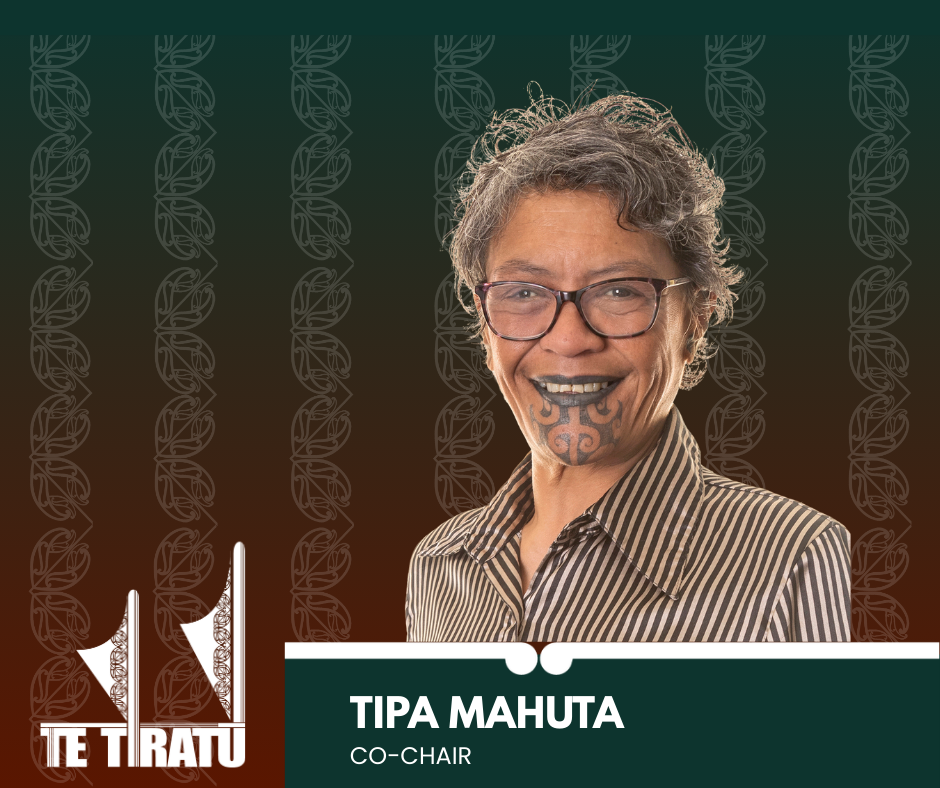
“Yes, this Budget contains substantial health spending. The question for Māori communities, is whether enough of that investment reaches the frontline services carrying the heaviest burden of inequity,” said Tipa Mahuta, Co-Chair of Te Tiratū Iwi Māori Partnership Board.
While Budget 2026 includes significant health investment of $5.8 billion over four years, the Iwi Māori Partnership Board in Waikato representing over 121,300 Māori says Māori and rural communities continue to require sustained, long-term funding focused on prevention, early intervention, and locally led care to address persistent inequities.
Te Tiratū says whānau in Waikato continue to face growing pressure from chronic disease, mental health need, poor housing, workforce shortages, and barriers to timely access to healthcare particularly in rural and provincial communities.
Despite overall health investment, the Board says there is no clear identifiable uplift for primary and community care at the level required to meet growing demand.
“Primary care is where the pressure is already sitting. If investment does not reach frontline and kaupapa Māori providers, communities will continue paying the price later through avoidable hospital admissions, worsening illness and delayed treatment,” Mahuta said.
“The issue is not simply whether funding is announced. It is whether whānau in places like Taumarunui, Tokoroa, Kāwhia or Ngāruawāhia actually experience earlier access to care, shorter waits, and better support.”
The Board’s Hauora Report series across Te Kūiti, Taumarunui, Te Awamutu, Tokoroa, Thames, Ōtorohanga, Putāruru, Paeroa, Rāhui Pōkeka and Ngāruawāhia continues to show consistent system pressures, including:
•high deprivation
•rising chronic disease burden
•transport and rural access barriers
•workforce shortages
•mental health need
•gaps in adult dental care
•growing demand for kaupapa Māori and whānau-centred services
It’s local monitoring and Whānau Voice surveys point to rural hospitals carrying sustained acute demand, with Māori often presenting later, encountering access barriers, and limited local service availability.
Primary and community care capacity remains particularly constrained in high-needs rural areas such as Ōtorohanga, Kāwhia and the wider King Country, where workforce shortages continue to limit timely and culturally safe care, especially in mental health, addictions, and kaupapa Māori services.
In Taumarunui, local monitoring shows nearly 87 percent of residents live in high deprivation areas. In Rāhui Pōkeka (Huntly) and Ngāruawāhia, more than half the Māori population is under 30, increasing pressure on youth wellbeing and early intervention services.
The co-Chair of Te Tiratū says whānau are experiencing longer waits, reduced continuity of care, and increasing travel burdens that compound existing inequities. Rural Waikato continues to be treated as if healthcare access is equitable across the system, when it is not.
“For many whānau, healthcare access is not just whether a service exists. It is whether they can afford the appointment, travel the distance, take time off work, arrange transport, or be seen early enough before conditions become acute,” Mahuta said.
She said many of the Budget’s largest investments appear focused on hospital infrastructure and system capacity, while primary and community-based services remain under pressure.
Clinically, prevention and early intervention services remain fragmented according to Te Tiratū, resulting in avoidable escalation of conditions into acute care settings and placing further strain on emergency departments and rural hospitals.
The Iwi Māori Partnership Board says Budget 2026 will be assessed on whether it meaningfully strengthens:
•primary care
•kaupapa Māori providers
•rural and mobile services
•rangatahi mental health
•chronic disease prevention
•adult dental services
•workforce recruitment and retention
•whānau-centred care
Te Tiratū also highlights the $531 million in historical underfunding of Māori health organisations1, alongside ongoing uncertainty for Māori providers following the disestablishment of Te Aka Whai Ora (Māori Health Authority) and raises concerns about how Māori health priorities will now be consistently funded and delivered across the system.
Proposed changes to national funding and eligibility settings, including diabetes medicine access pathways, reinforce the need for Māori health need to remain visible within mainstream funding decisions.
“Clinical need does not sit separately from inequity. Māori communities carry higher burden of chronic illness, poorer access to services, and greater barriers to early care. Those realities must remain visible in funding and access decisions,” she said.
Strengthening rural hospitals and community-based services, the Iwi Partnership Board notes, would reduce avoidable hospital admissions and enable earlier intervention closer to home. Expanding adult dental services would address a significant prevention gap and reduce preventable presentations to emergency departments. Improving access to diabetes and dialysis care would help prevent progression to late-stage disease while also reducing the travel burden on whānau.
“We support investment into treatment and hospital services, but clinically we know pressure starts much earlier in unmet primary care need, delayed diagnosis, poor access to prevention, and fragmented follow-up care.”
Te Tiratū believes the evidence from across the rohe is already clear, regardless of Budget announcements. Long-term investment is needed in kaupapa Māori and iwi-led services, rural and community-based care, mental health and addictions services, workforce development, and prevention-focused models of care.
“If these areas are not materially addressed, the pressure we are already seeing across the system will continue to escalate and inequities for Māori will widen,” said Mahuta.
“What matters now is whether Budget 2026 reduces the distance between policy announcements in Wellington and the lived reality for whānau trying to access healthcare in rural Waikato.”