MEDIA STATEMENT
FOR IMMEDIATE RELEASE
Monday 21 September 2026, 10:00AM
2 minutes to Read
The absence of a dentist in Paeroa and the challenge of meeting the needs of both older and younger generations in Thames are among the distinct health issues identified in two new Hauora Reports released by Te Tiratū Iwi Māori Partnership Board representing 121,000 Māori across Tainui waka rohe.
In Hauraki District, home to 5,340 Māori in 2025, the reports highlight how local circumstances can shape the health challenges facing individual communities. The Paeroa and Thames Hauora Reports are part of the ten-locality series that combines local health data with the experiences of whānau gathered through its Whānau Voice engagement programme.
The reports demonstrate why health planning needs to look closely at individual communities rather than relying on broad regional data.
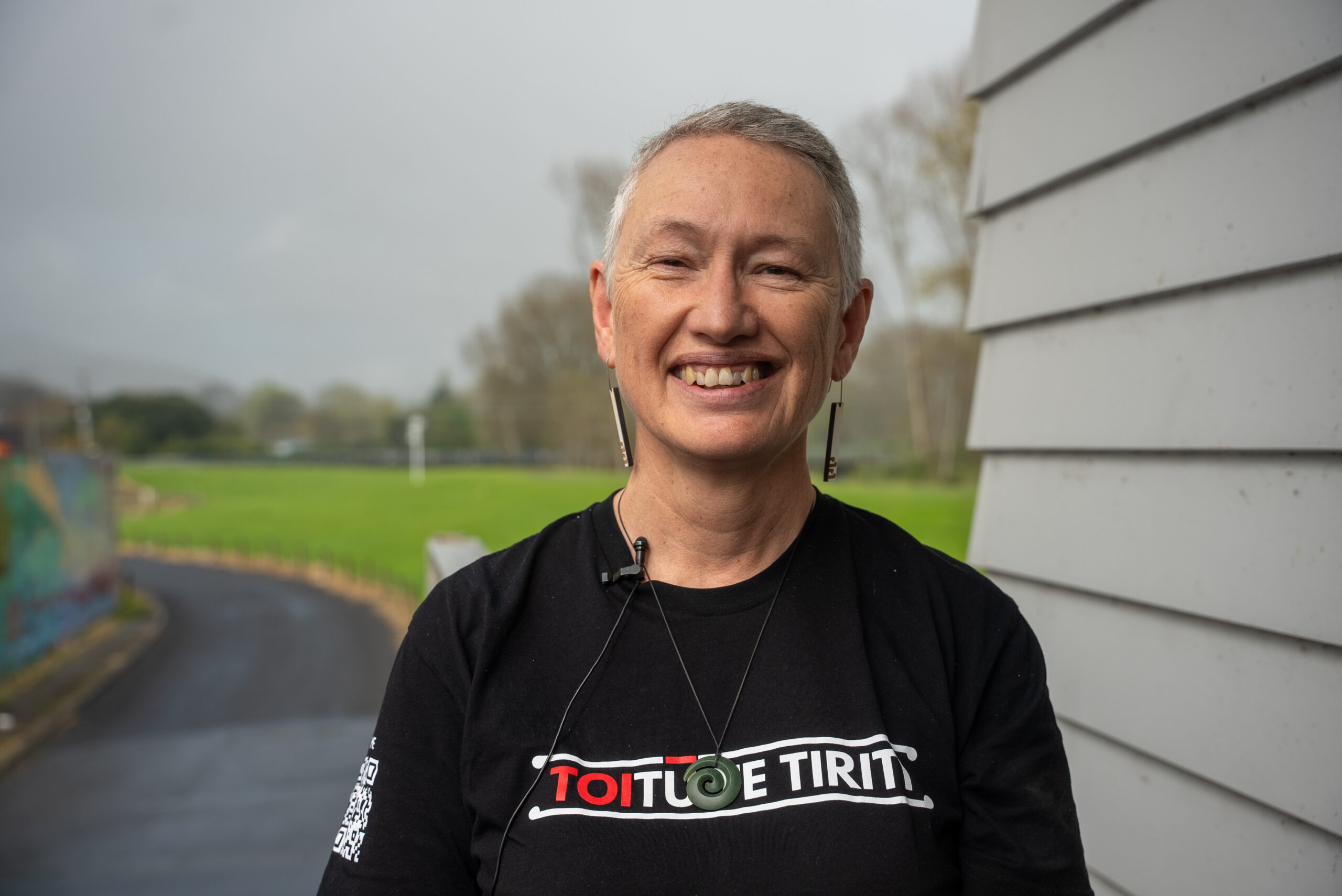
“When you aggregate things too high, you lose the nuances around particular community characteristics. Like in Paeroa there’s no dentist and there hasn’t been one for a while,” says Taima Campbell, CEO of Hauraki PHO who has fronted the video explainers on both reports for the Iwi Māori Partnership Board.
Access to dental care has emerged as a particularly strong concern during engagement with whānau.
The town has not had a dentist for some time, creating a barrier for people who may already face financial and transport pressures when seeking healthcare.
Campbell says the issue stood out because it was immediately understood by whānau, with many able to relate it to their own experiences. “Everyone got it. We didn’t have to talk anybody into it. It was such a shared experience.”
She says the lack of affordable dental care also highlights a clear equity issue. “Whānau cannot afford to go to the dentist.” The report identifies dental access as an issue requiring a locally relevant response, rather than assuming services available elsewhere will meet Paeroa’s needs.
In Thames, the demographic picture presents a different challenge with competing priorities for future health investment that need to be carefully balanced.
“We have an ageing population and on the other side of it, pockets of very young people which creates a fundamental planning question for Thames,” she says.
“Are we investing in our tamariki and rangatahi or do we need to take care of our ageing population?”
For Campbell, the issue is not simply whether a community is getting older or younger. It is about understanding its particular mix of generations and making investment decisions that respond to those needs.
“One size does not fit all,” says Campbell. “What is the problem we’re trying to address, and what is the opportunity for us to create a solution that’s tailored and designed with the community? Because you’re more likely to get a better outcome.”
That requires more than listening, she says. “The other component that has to go with that is trust.”
The Paeroa and Thames reports are the latest editions in the Hauora Report Series by Te Tiratū Iwi Māori Partnership Board covering Taumarunui, Putāruru, Tokoroa, Te Kūiti, Ōtorohanga, Te Awamutu, Kirikiriroa, Raahui Pookeka and Ngāruawāhia.
They’ve been designed and researched by Māori technical experts to bring local health evidence and whānau experience into conversations about future health planning, investment and service delivery across the Tainui waka rohe.