MEDIA STATEMENT
FOR IMMEDIATE RELEASE
Thursday 17 September 2026, 10:00AM
2 minutes to Read
For whānau in Ōtorohanga, accessing healthcare can mean travelling an hour or more out of town, finding the money for fuel and taking time away from work and whānau.
A new 68-page report from Te Tiratū Iwi Māori Partnership Board finds that limited access to diagnostic and specialist services, combined with transport and cost-of-living pressures, is making it harder for some whānau to access care when they need it.
The Ōtorohanga Hauora Report is the latest in the Hauora Report Series by Te Tiratū examining health across localities in the Tainui waka rohe. While Ōtorohanga has primary healthcare and a strong network of community support, the report identifies significant gaps in services beyond basic care.
One of the clearest gaps is access to diagnostic services, with the distance and cost of travelling for an X-ray or other imaging making it harder for whānau to get care when they need it.
“Because we don’t have medical services like X-rays and diagnostic imaging in Ōtorohanga, whānau have had to go to either Waikato Hospital, which is an hour away and quite expensive for them, or they go to Te Awamutu or Te Kūiti Hospital if they’re able to get appointments,” says longtime local and Te Tiratū Tumu Whakarae, Brandi Hudson.
“As soon as kaumātua have to travel, that’s a real big issue.” For whānau without reliable transport, the challenge is even greater. “Young Māmā need a lot of wraparound support with transport.”
The report finds that these practical challenges can lead to whānau delaying care until they are unwell, rather than having symptoms checked sooner.
That is particularly concerning as the community experiences increasing pressure from long-term conditions, including diabetes, alongside reduced access to some visiting specialist services.
“We’ve seen an increase in diabetes and at the same time we’ve seen a decrease in podiatrists able to come to the community,” she says.
The cost of accessing healthcare is also significant for whānau already managing household financial pressures. The median personal income for Māori aged 30 to 64 in Ōtorohanga is $45,100 compared with $48,700 nationally for Māori in the same age group.
Hudson says the financial pressure is increasingly visible in the community.
“One of the major signs we’re experiencing at the moment is that many whānau are turning up for the food banks, and we were very concerned about hiding in the background is a lot of stress from the rise in the cost of living like fuel costs that have been really difficult.”
The report also identifies gaps in mental health and alcohol and other drug (AOD) services. Specialist treatment is often delivered outside Ōtorohanga, while post-treatment pathways are limited and support can reduce once people no longer meet eligibility thresholds.
For Te Tiratū Iwi Maori Partnership Board, the findings point to the need for healthcare solutions that reflect the realities of rural communities rather than expecting whānau to overcome distance, cost and transport barriers themselves.
The report calls for:
- Dedicated 0.6 to 1.0 FTE diabetes and long-term condition support based in Ōtorohanga
- Diagnostic transport support bundled with referrals
- Weekly mobile imaging service in Ōtorohanga to restore access to diagnostic imaging
- Mobile ultrasound clinic operating in Ōtorohanga
- Permanent alcohol and other drugs clinician based in Ōtorohanga
- Funded six- to 12-month structured relapse-prevention follow-up for people receiving AOD treatment
- Funded transport vouchers for young Māmā.
Hudson says Ōtorohanga has significant strengths, including strong community connections and people who continue to support one another.
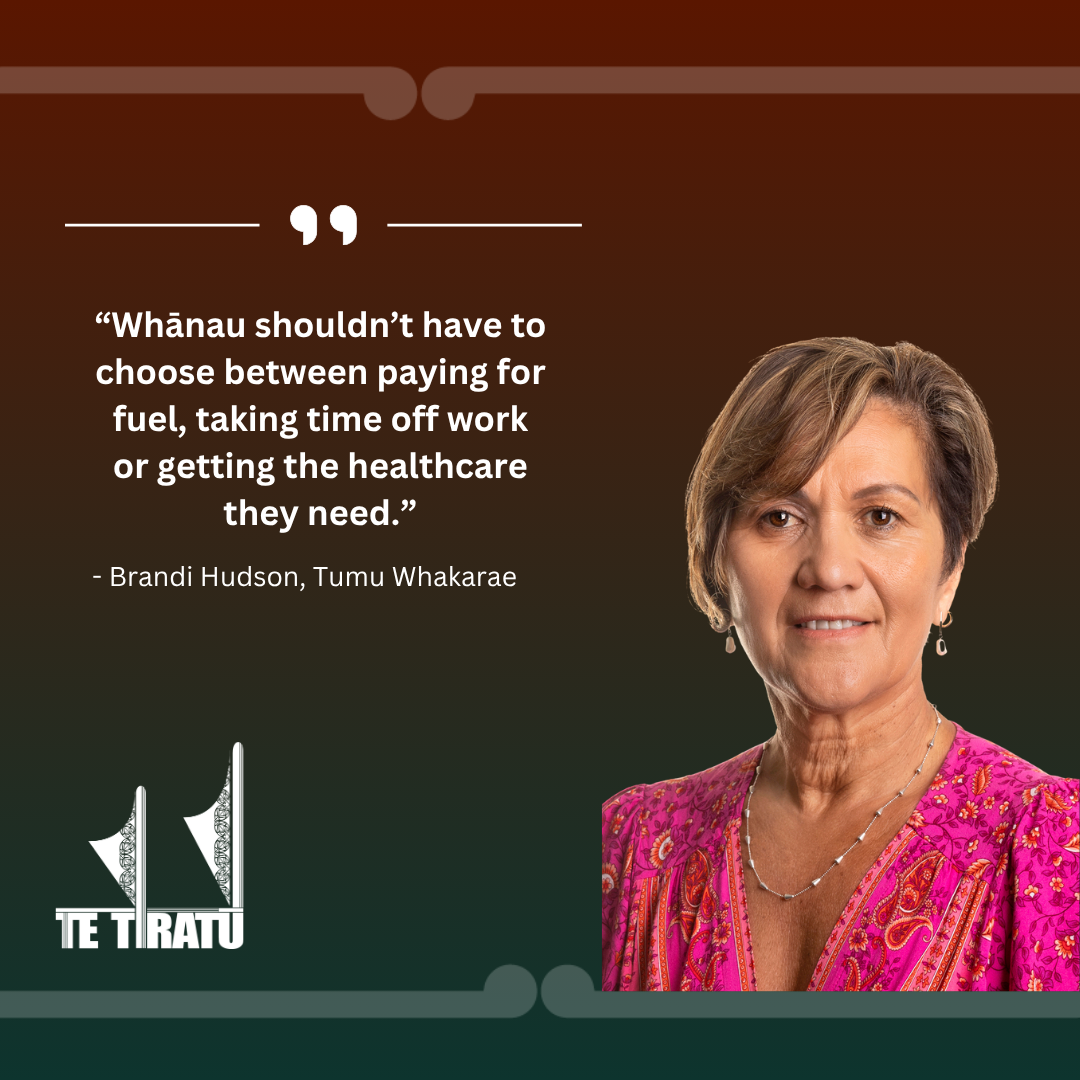
“Ōtorohanga is a very well-supported community by its own people. But we need a health system that recognises the realities of rural life. Whānau shouldn’t have to choose between paying for fuel, taking time off work or getting the healthcare they need. Bringing more services closer to home would make a real difference.”
This edition is one of ten locality Hauora Reports being developed by Te Tiratū across the Tainui waka rohe. The reports combine local health data with insights gathered through the Whānau Voice engagement programme to identify the health priorities, barriers and strengths of each community.
For Ōtorohanga, the report highlights how distance from essential diagnostics and specialist care can become a health barrier in itself.