Partnership reset under Pae Ora reforms between IMPBs & Ministerial Committee
MEDIA STATEMENT
FOR IMMEDIATE RELEASE
Friday 3 July 2026, 10:00AM
2 minutes to Read
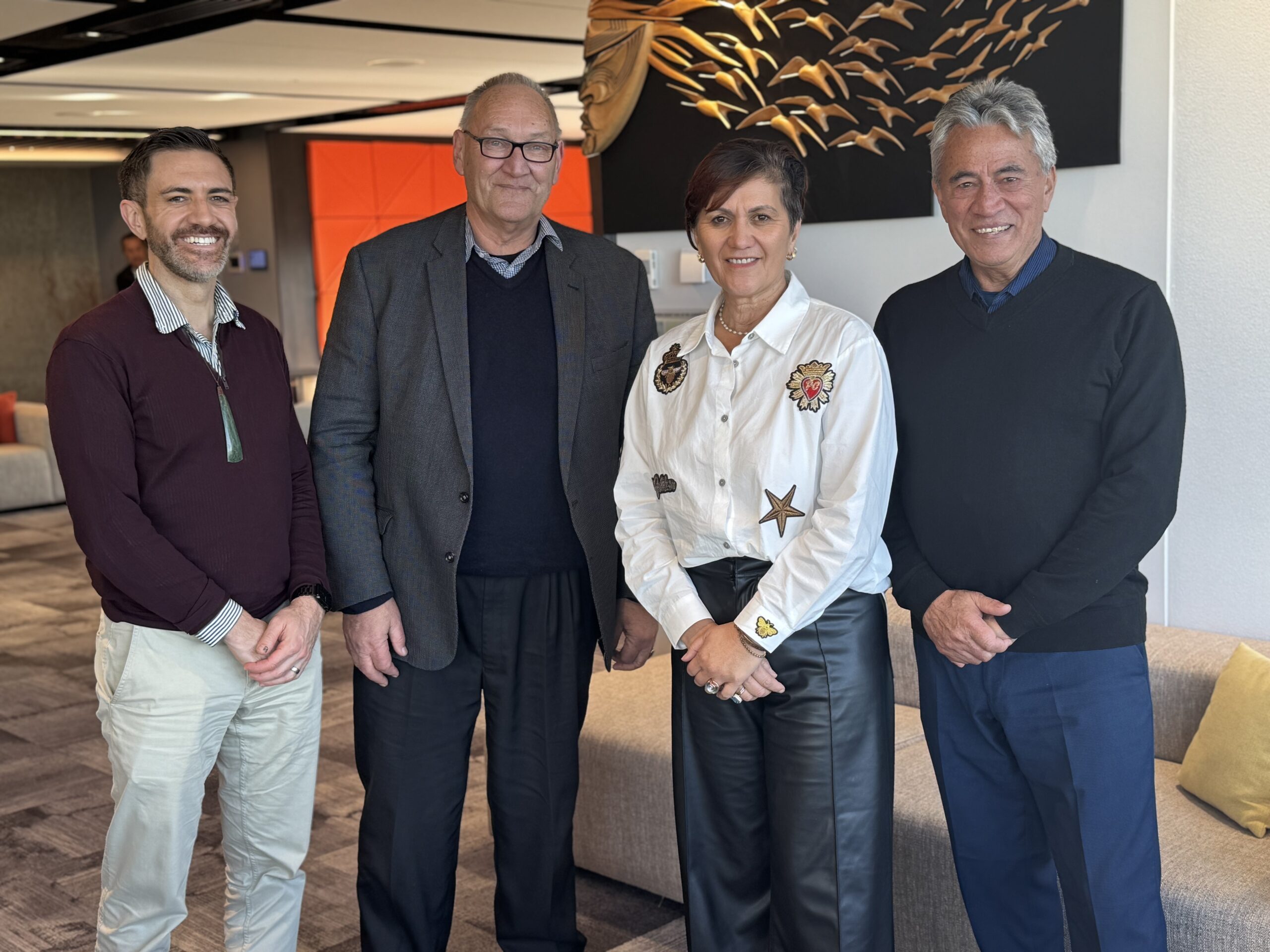
Photo, left to right: Hauora Māori Advisory Committee Chair Tā Mark Solomon, Amohaere Houkamau and Te Ururoa Flavell.
Iwi Māori Partnership Boards (IMPBs) and the Hauora Māori Advisory Committee (HMAC) have agreed to reset their working relationship following changes to the Pae Ora legislation, with IMPBs pushing for system responsiveness to whānau voice to become a formal, monitored measure.
The move follows a shared frustration. IMPBs say they are generating strong evidence and community health plans, but that this isn’t consistently translating into system decisions.
“Whānau Voice is our core asset. We are capturing it, codifying it and presenting it clearly through our community health plans and engagement systems, but too often it is not reflected back in system decisions,” IMPB representatives said.
One account by a kaumātua from Te Wai Pounamu on long-term travel for dialysis captured the human cost of the gap between evidence and action. “The treatment won’t kill me, but the travel will,” he said pointing to the cumulative burden of distance and cost on whānau in remote communities.
IMPBs said in some areas whānau cannot be confident they will be born or die on their own whenua, due to service access gaps. Boards across all regions raised consistent barriers: access to services, rurality, workforce shortages, and travel costs.
They also flagged contracting uncertainty as urgent, delays in signed agreements, no assurance for the new financial year, and repeated cancellations of engagement processes and called for longer, more stable multi-year contracts for Hauora Māori providers.
Data sovereignty was another flashpoint, with boards investing in their own data systems and demanding clearer governance and ownership of Māori data. IMPBs also warned that the system’s shift toward deprivation-based measures risks making Māori health inequities less visible.
HMAC, whose influence runs through direct engagement with the Health Minister and the Health New Zealand Board, acknowledged the gap and conceded it needs to sharpen how it packages advice for decision-makers and close the loop back to IMPBs.
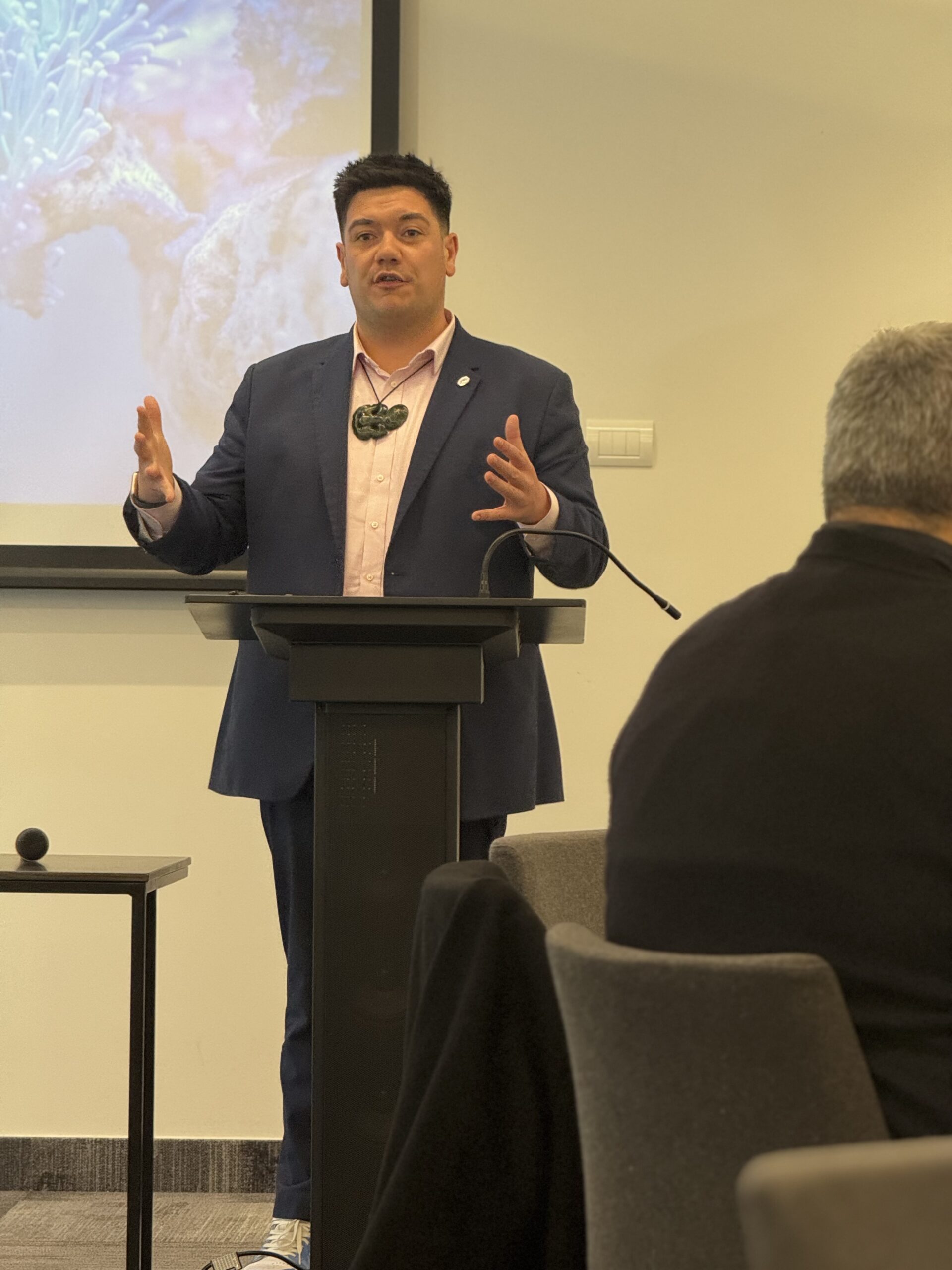
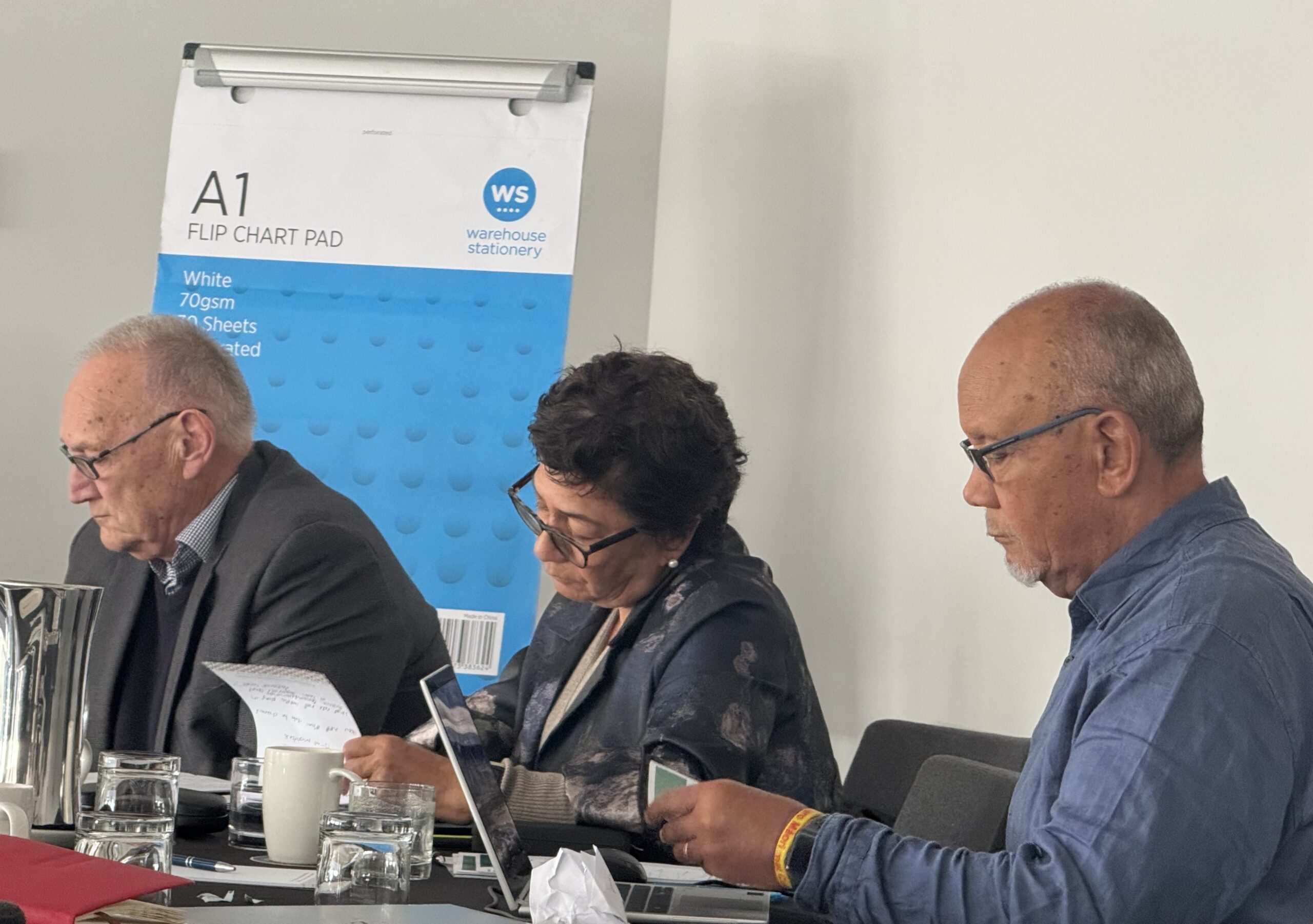
Photo: Elijah Pue, Tumu Whakarae of Te Mātuku Iwi-Māori Partnership Board, a Whanganui rohe iwi-Māori Partnership Board.
“We have heard clearly that there is strong alignment across IMPBs, but we also recognise we need to be sharper in how we translate that into advice that lands, and how we report back on what happens as a result,” HMAC members said.
Both parties agreed to make system responsiveness to whānau voice a formal monitoring focus. Four models for structuring the relationship were discussed, a kawenata (formal covenant), a board-to-board mechanism, a regional reflection-based approach, and regionally tailored arrangements, with HMAC to engage regionally on which model boards prefer rather than imposing one.
A practical first step was agreed. That HMAC will spend a dedicated day in each region, combining collective and one-on-one sessions with individual boards, backed by a planned engagement calendar.
Three enablers were identified as necessary: a national secretariat and policy function (funding and governance still to be settled), strategic national hui timed to influence decisions particularly budget cycles, rather than serve as updates, and a predictable reporting cadence with advance notice to IMPBs ahead of HMAC’s engagements with the Minister.
“We are on the same side of this mahi,” IMPB representatives said. “The measure of success over the next 12 months will be whether Whānau Voice is clearly reflected in decisions and whether the system responds in ways that can be seen and felt in communities.”
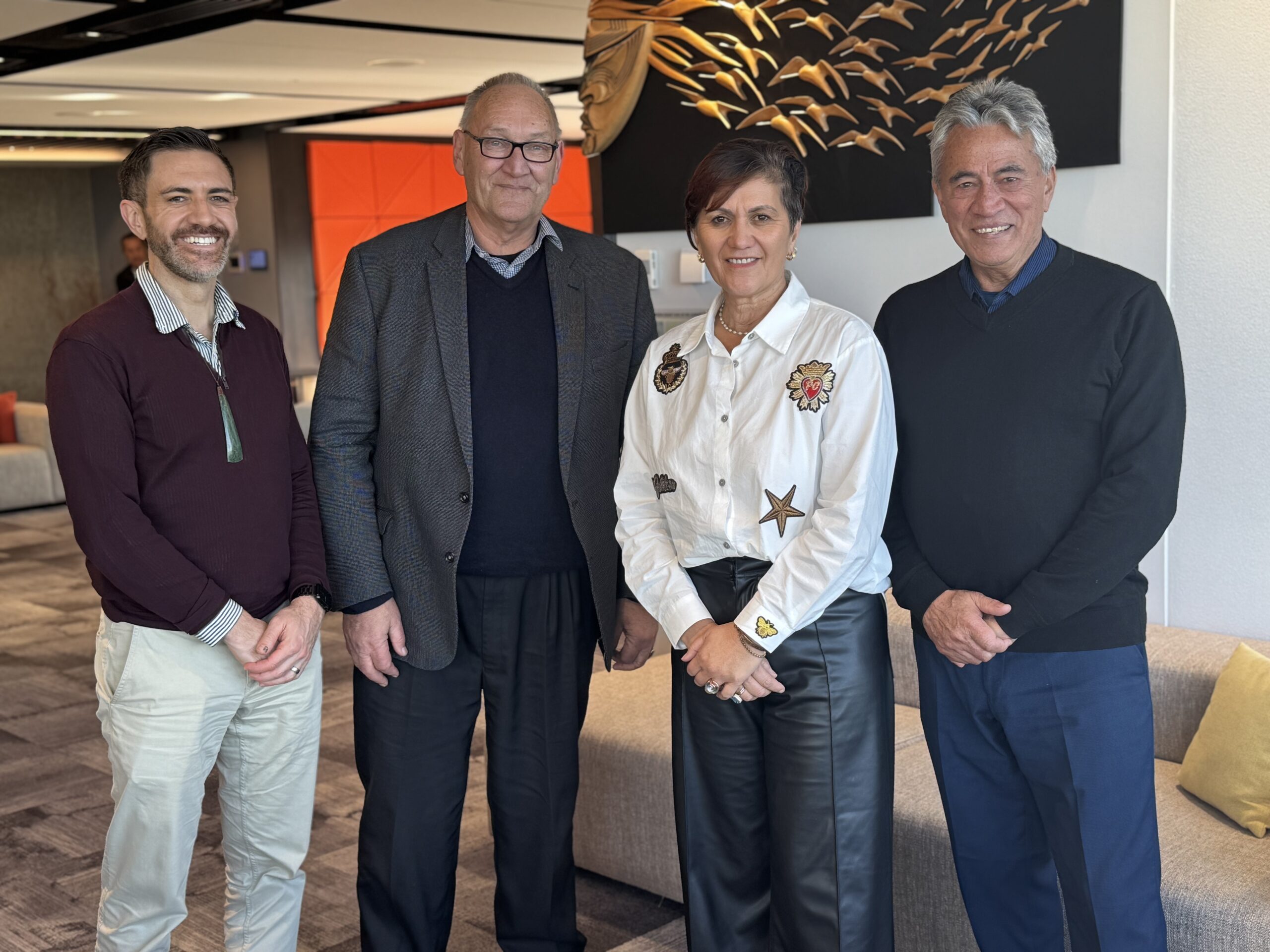
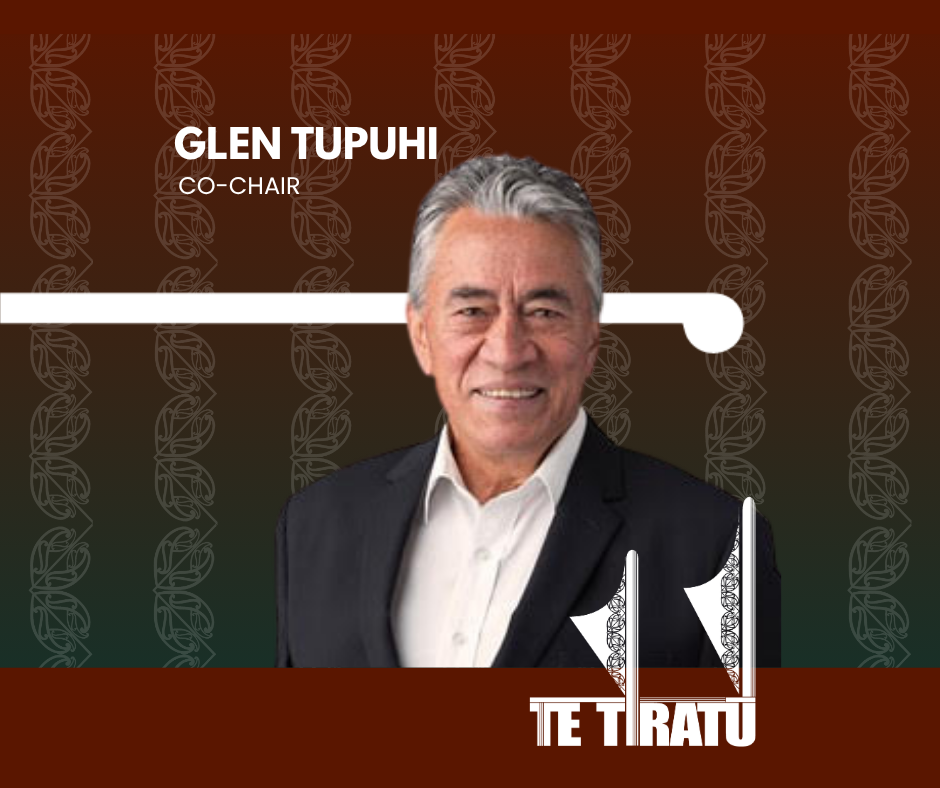
Photo, left to right: Te Tiratū Iwi Māori Partnership Board member Dr Mataroria Lyndon, Hauora Māori Advisory Committee Chair Tā Mark Solomon, Te Tiratū Iwi Māori Partnership Board Tumu Whakarae Brandi Hudson, and Te Tiratū Iwi Māori Partnership Board Co-chair Glen Tupuhi.

A death in the ED waiting room is a system failure, not one bad day
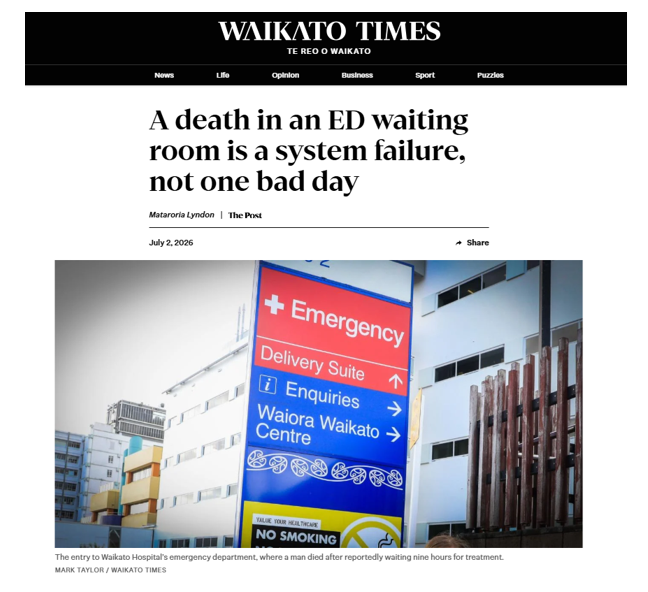
A person died in a toilet in the waiting room of Waikato Hospital’s emergency department this week, after reportedly waiting nine hours to be seen. Staff performed CPR in front of a packed waiting room, full of whānau and tamariki. The patient could not be revived.
Three factors typically drive it. Patients wait too long for assessment and a definitive management decision by a senior clinician. Those who require admission remain in the emergency department because no inpatient beds are available. Delays in diagnostics, such as CT scans, slow diagnosis and treatment, create further bottlenecks throughout the hospital.
The consequences ripple well beyond the waiting room. Ambulances queue outside because they cannot hand patients over. Emergency clinicians cannot move patients into treatment spaces. Hospital wards remain full because people who are medically ready cannot be discharged while community and aged-care services are stretched. Pressure builds across every part of the system, from primary care through to hospital discharge. Simply adding more emergency department staff cannot solve a problem when there is nowhere for patients to go.
For whānau Māori, these system pressures compound barriers that already exist. Waikato Hospital serves a vast region extending far beyond Hamilton, where rural communities often face longer travel times, fewer primary care services and more limited access to urgent healthcare. Combined with the wider determinants of health, including poor housing and socioeconomic disadvantage, many whānau become seriously unwell before they even reach the hospital.
Understanding these realities does not excuse what happened this week. It helps explain why the burden of an overstretched system falls disproportionately on those who already experience the greatest inequities.
Two reviews are now under way: a rapid review and a serious adverse event review. Those processes must establish exactly what happened clinically, and that work should proceed without prejudice.
But our responsibility cannot end when those reports are released.
Te Tiratū will continue to scrutinise emergency department performance and the wider health system that sits behind it. We will continue advocating for meaningful implementation of the recommendations that emerge, for Waikato Hospital and for a health system under strain across the country.
The evidence for the solutions already exists, even if implementing them requires sustained investment and political commitment.
We need stronger primary and community healthcare, including Māori health providers delivering care closer to where whānau live. We need workforce planning that ensures graduates from the new Waikato medical school progress into specialist training and remain in our region. We need hospital infrastructure that provides safe clinical spaces rather than relying on corridors and waiting rooms. We also need better information sharing across primary care, community providers and hospitals so patients are not forced to repeat their story every time they encounter another part of the system.
To whānau who may now feel anxious about seeking care, please do not let this tragedy stop you from accessing health services when you need them. Delaying care carries risks of its own. If your condition is not an emergency, your GP, community pharmacy, telehealth services and Māori health providers remain important options. If it is an emergency, please still come to hospital.
As winter deepens, we can all help reduce pressure on the health system by getting influenza and Covid-19 vaccinations, keeping childhood immunisations up to date to protect against serious vaccine-preventable illnesses such as whooping cough and pneumococcal disease, staying home when unwell, and checking in on kaumātua and those living with chronic health conditions.
A whānau has lost someone they loved. We owe them, and the staff who tried to save them, more than sympathy. We owe them a health system that learns from this tragedy and is better because of it.
Dr Mataroria Lyndon (Ngāti Hine, Ngāti Wai, Ngāti Whātua, Waikato) is a member of the Te Tiratū Iwi Māori Partnership Board, director of population health and equity at Tend Health, and senior lecturer at the University of Auckland’s Centre for Medical and Health Sciences Education.
Māori health leaders respond after person dies waiting in Waikato Hospital
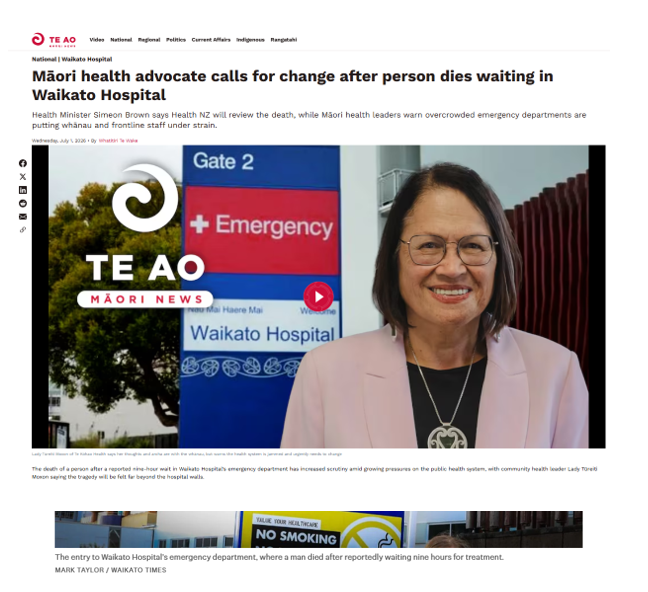
A Whakaata Māori News report has highlighted renewed concern about pressure on Waikato Hospital’s emergency department following the death of a patient after a reported nine-hour wait for care.
Lady Tūreiti Moxon, managing director of Te Kohao Health, said the impact of the tragedy would extend well beyond the hospital, affecting the patient’s whānau, hospital staff, and others who were present. She said long emergency department delays have become distressingly common.
Te Tiratū Iwi Māori Partnership Board, also expressed condolences and emphasised that no whānau should endure the trauma of losing a loved one while waiting for emergency care.
Board member and Hauraki PHO chair Glen Tupuhi said the focus must be on understanding systemic failure and preventing recurrence, noting that Māori experience disproportionate harm within the health system, including for rurally based whānau who face added barriers such as travel and long wait times.
Waikato ED death sparks call by one of the largest Iwi Māori Partnership Boards to tackle ‘access block’
MEDIA STATEMENT
FOR IMMEDIATE RELEASE
Wednesday 1 July 2026, 10:00AM
2 minutes to Read
Te Tiratū Iwi Māori Partnership Board representing over 121,000 Māori in Tainui waka rohe extends its deepest condolences to the whānau who have lost a loved one who died after reportedly waiting nine hours in the Emergency Department at Waikato Hospital.
No family should experience the trauma of losing a loved one while waiting for emergency care, and every person who enters a hospital deserves timely, safe and dignified treatment.
IMPB Co-chair and Chair of Hauraki PHO Glen Tupuhi said the focus must be on understanding why the system failed and ensuring it does not happen again especially when Crown oversight body, Health Quality & Safety Commission Te Tāhū Hauora has already identified Māori adverse-event harm as a system issue.[1]
“Our first thoughts are with the whānau who have suffered an unimaginable loss.”
“We respect their privacy at what will be an incredibly difficult time. Health New Zealand has advised us that a clinical review has commenced. We are deeply concerned about media reporting witnesses saying some “were waiting up to 13 hours” which is over double the performance target,” he said.
“This must be about more than one tragic event. We know many of our rurally based whānau across the region have the added stress of travel to Kirikiriroa and wait times.”
“Our community deserves confidence that emergency departments are safe, adequately resourced and able to provide timely care when people need it most.”
The Iwi Māori Partnership Board anticipates that the review will look at wider system issues such as delayed admissions from the Emergency Department also known as “access block”.
“It is the measure most strongly associated with patient harm, Te Tiratū expects these to be addressed transparently and with urgency.”
The key national benchmark for ED performance is that 95% of patients are admitted, discharged or transferred from an emergency department within six hours. Te Whatu Ora public data on overall Waikato shorter-stays-in-ED is 66.4% which is materially below the target.[2]
Te Tiratū welcomes a thorough and transparent review to establish the facts and identify any lessons that will strengthen patient safety immediately, so it never happens again.
“As the statutory Iwi Māori Partnership Board responsible for monitoring health system performance across our rohe under the Pae Ora (Healthy Futures) Act 2022, we will continue to proactively engage constructively with Health New Zealand as more information becomes available.”
While it is too early to comment on the specific circumstances of this case, this tragic event highlights the importance of ensuring the emergency department at Waikato Hospital is safe, appropriately resourced, and able to meet the needs of all whānau.
Factors Te Tiratū anticipates will be assessed include ED triage and assessment, waiting room monitoring, escalation processes when waits become unsafe, staffing rosters versus actual, inpatient bed occupancy, ‘access block’ delaying admission, ambulance offload delays, weekend or evening acute flow, specialist team response times, discharge delays and internal hospital flow.
Looking at the publicly available Health NZ Health Targets data, Waikato’s Shorter Stays in Emergency Department performance is 66%, compared with the national result of 74.2% (approximately 74.4% in the latest quarter). This remains well below the Government’s target that 95% of patients spend less than six hours in ED,” he said.[3]
The Iwi Māori Partnership Board for Tainui waka rohe know Māori experience poor outcomes in the health system across Aotearoa. More whānau experience in-hospital adverse events than any other cohort.
Te Tiratū remains committed to working alongside Te Whatu Ora Health New Zealand to improve health outcomes for whānau and strengthen public confidence in the health system.
A 2020 Health and Disability Commissioner decision involving the Waikato DHB found systemic issues contributed to a long delay in ED that put patients at risk.[4]
The Commissioner at the time was concerned the system allowed patients to fall well outside medical review times when registrar workload was overwhelmed.
[1] https://www.hqsc.govt.nz/resources/resource-library/adverse-events-exception-reporting-202021-thematic-analysis-involving-maori-and-pacific-peoples/
[2] Health NZ health target performance resources 2025/26 https://www.healthnz.govt.nz/publications/health-targets-performance-resources-2025-26 and Health NZ Q2 2025/26 Waikato factsheet, October to December 2025 https://www.healthnz.govt.nz/publications/health-targets-performance-resources-2025-26
[3] 23 June 2026 Te Whatu Ora Media Release: https://www.healthnz.govt.nz/news-and-updates/access-to-care-continuing-to-improve-across-a-range-of-health-indicators
[4] Case 18HDC0156 https://www.hdc.org.nz/media/i13ljoyl/18hdc01563.pdf
Rangatira call for urgent systemic reform after autistic child case exposes serious agency failures
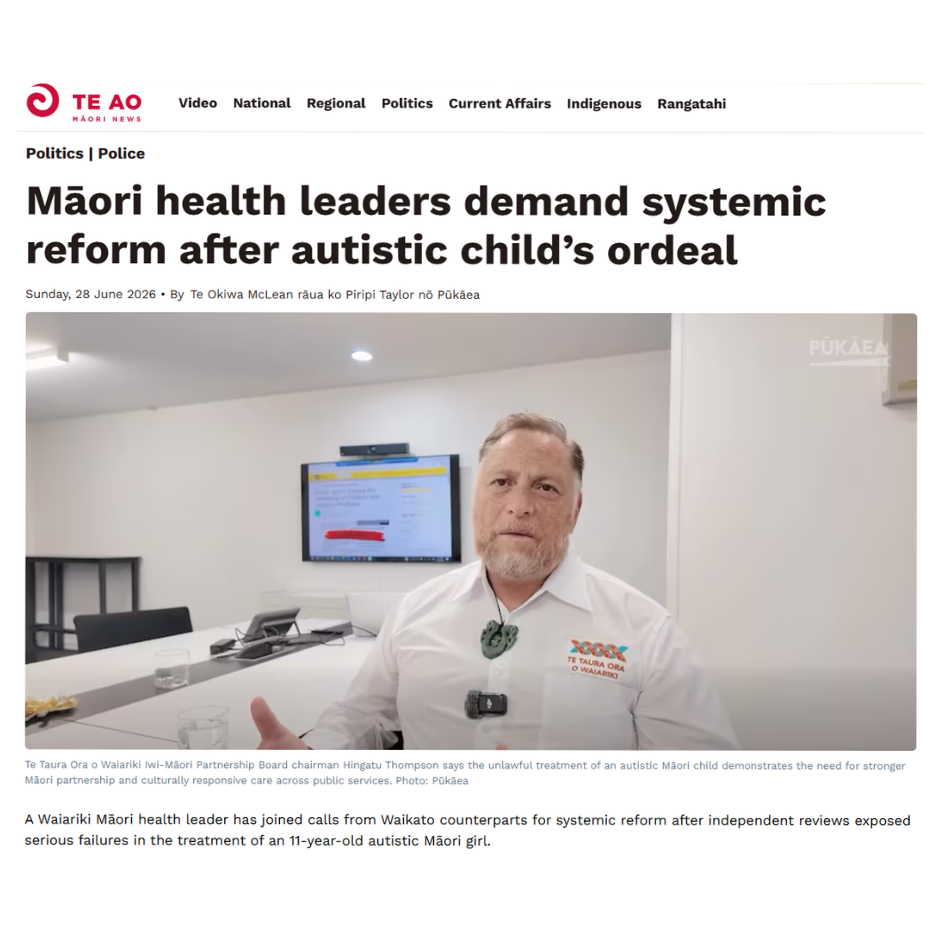
Māori health leaders including Te Taura Ora o Waiariki Iwi-Māori Partnership Board, Te Tiratū Iwi Māori Partnership Board and Lady Tūreiti Moxon are calling for urgent systemic reform following two independent reviews into the treatment of an 11-year-old autistic Māori child. Whakaata Māori reports the findings revealed multiple agency failures, including misidentification, unlawful restraint and inappropriate medication, prompting renewed demands for accountability, a formal Government apology, stronger Māori partnership in frontline services and disability system reform.
Waikato Times cover childhood immunisation rate rise as Māori-led health approaches deliver results
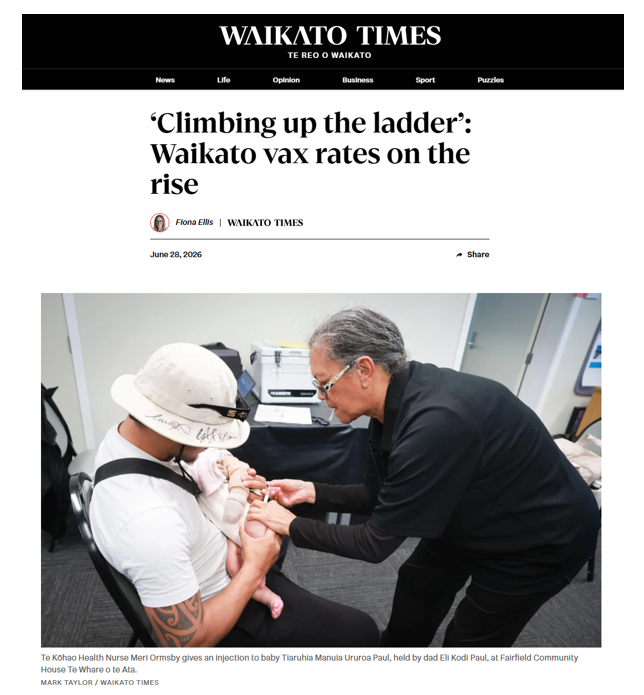
The Waikato Times has highlighted Waikato’s significant improvement in childhood immunisation rates, with Te Kōhao Health and Te Tiratū Iwi Māori Partnership Board recognising the impact of trusted Māori providers, whānau-centred outreach and community-based vaccination services. Board member Dr Mataroria Lyndon said the progress was encouraging but stressed continued investment is needed to close the remaining equity gap for Māori tamariki and achieve the Government’s 95% immunisation target.
RNZ highlights IMPBs call for independent whānau advocacy following Waikato Hospital failures
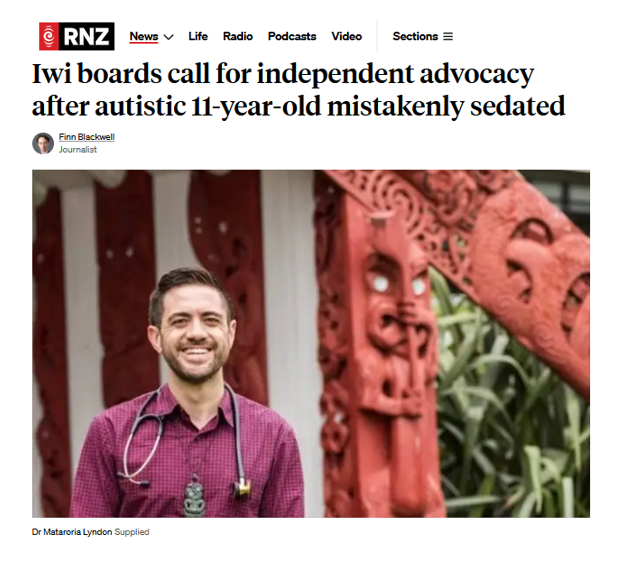
Te Tiratū, Te Taura Ora and Te Moana a Toi Iwi Māori Partnership Boards are calling for independent advocacy for whānau from the outset of serious incidents, following RNZ coverage of findings into the treatment of an 11-year-old autistic Māori child mistakenly identified as a 20-year-old and subjected to restraint and sedation at Waikato Hospital.
The child had been taken to hospital by Police after being found in the community, but was incorrectly identified as a missing adult mental health patient. Subsequent reports identified significant system failures across health and Police services, including breaches of Te Tiriti o Waitangi, the Health and Disability Code, Pae Ora and mental health legislation.
Speaking to RNZ, Te Tiratū Board member Dr Mataroria Lyndon described the findings as deeply concerning and said a more whānau-centred approach is urgently needed, including independent advocacy throughout serious incidents and investigations. The Boards also raised concern about delays in information sharing despite their statutory monitoring role under Pae Ora, and are calling for all recommendations to be fully implemented.
Iwi Māori Partnership Boards condemn systemic failure by Police & Health exposed in reports
MEDIA STATEMENT
FOR IMMEDIATE RELEASE
Friday 19 June 2026, 2:43 PM
2 minutes to Read
Te Tiratū , Te Taura Ora and Te Moana a Toi Iwi Māori Partnership Boards representing 646,000 Māori say the findings released today into the treatment of an 11 year old tamaiti Māori and tāngata whaikaha autistic child expose profound avoidable failures across Police and health systems breaching Te Tiriti o Waitangi, international United Nations conventions, the Health and Disability Code of Conduct, Pae Ora and mental health legislation.
“First and foremost, our Boards acknowledge the mamae of the brave whānau who have spent more than a year going up against the machinery of the Crown dealing with agencies seeking answers about what happened to their tamariki,” said Te Tiratū co-chair Glen Tupuhi.
“Whānau must be placed at the centre of the response, not the system. No whānau should have to be at the mercy of multiple systems to obtain answers after a serious incident involving their child. Police and Health needed to be sensitive and place their needs and their wishes first before doing anything.”
Te Tiratū says one of the most concerning features of the past fifteen months has been the burden placed on the whānau to navigate multiple agencies, investigations and accountability processes while trying to understand what happened to their child.
“When agencies hold most of the information, control the processes and control the public narrative, there is an inherent imbalance of power,” said Tupuhi.
“We understand that the whānau were not even consulted ahead of the first Rapid Report release last year until the press conference was happening which is totally unacceptable. That shows the system protecting the system.”
“This regrettable case demonstrates why it is mandatory that an independent whānau advocate must be appointed immediately whenever vulnerable tamariki, tāngata whaikaha, and whānau become involved in serious incidents health, disability, mental health, care or policing services – not kaimahi Māori from the agencies involved.”
“Whānau should never stand alone – ever,” said Tipa Mahuta, Te Tiratū co-chair.
“An independent advocate would ensure whānau are informed, supported, heard, and able to participate meaningfully throughout all review and accountability processes.”
Te Tiratū was deeply disturbed last year when the case was broken in the news media as it happened in its rohe and proactively reached out to Te Whatu Ora and sought information in accordance with its statutory monitoring role under the Pae Ora Act.
Despite this, Te Tiratū was not provided timely access to key information and was advised to refrain from public comment while agency review processes were underway.
“Now these independent reports confirm in black and white that there were multiple failings by several agencies to this precious autistic Māori child and her whānau,” Tupuhi said.
Both co-chairs said the reports also raise significant questions about how Te Tiriti o Waitangi obligations and the Pae Ora Act were operationalised throughout the response.
All three Iwi Māori Partnership Boards note that the reports contain limited analysis of Te Tiriti obligations, Māori health equity responsibilities, disability rights frameworks, and international human rights obligations affecting Indigenous peoples, disabled people and children.
“We are particularly concerned that Māori governance and oversight mechanisms appear to have been largely absent from key escalation and response processes,” Mapihi Raharuhi, Te Moana a Toi Tumu Whakarae said.
The escalation pathway released by Health New Zealand back in 2025 did not identify involvement of key Māori oversight mechanisms, including Iwi Māori Partnership Boards, the Hauora Māori Directorate or the Hauora Māori Advisory Committee. The action plan released today was the same.
“The issue is not whether Crown agencies conducted reviews and an action plan. The issue is whether Māori governance structures established under the Pae Ora Act were present when decisions affecting a vulnerable tamaiti Māori were being made and afterwards in the restoration response,” said Te Taura Ora Tumu Whakare, Hinemoa Awatere.
“Te Tiriti requires partnership, participation and active protection. Those obligations must be visible during a crisis, or it is a breach. That is why accountability must focus not only on individuals but on the systems, cultures and safeguards that failed.”
The Boards unanimously support the call by the whānau for meaningful accountability and assurance that no other tamariki will experience similar harm ever again.
Te Tiratū backs the petition that has just been launched behalf of the whānau.
CALL FOR ACTION
Te Tiratū is calling for:
•Independent advocacy for whānau from the outset of serious incidents
•Mandatory Māori and disability-informed oversight in cases involving vulnerable tamariki and tāngata whaikaha
•Full implementation of recommendations arising from the Section 95 Inquiry and Health and Disability Commissioner processes
•Stronger Te Tiriti accountability mechanisms within escalation and crisis response pathways
•Clear monitoring and public reporting on implementation of recommendations
•Improved autism, neurodiversity and disability training across frontline agencies
•Strengthened safeguards for tamariki entering acute mental health services
•Greater integration of whānau-centred practice and supported decision-making frameworks
Budget must close widening rural health gap warns Te Tiratū Iwi Māori Partnership Board
MEDIA STATEMENT
FOR IMMEDIATE RELEASE
Thursday 28 May 2026, 5:00 PM
2 minutes to Read
Te Tiratū Iwi Māori Partnership Board says today’s Budget will ultimately be judged on whether new health spending reaches frontline primary care and kaupapa Māori services especially in under resourced rural communities already carrying high levels of unmet need.
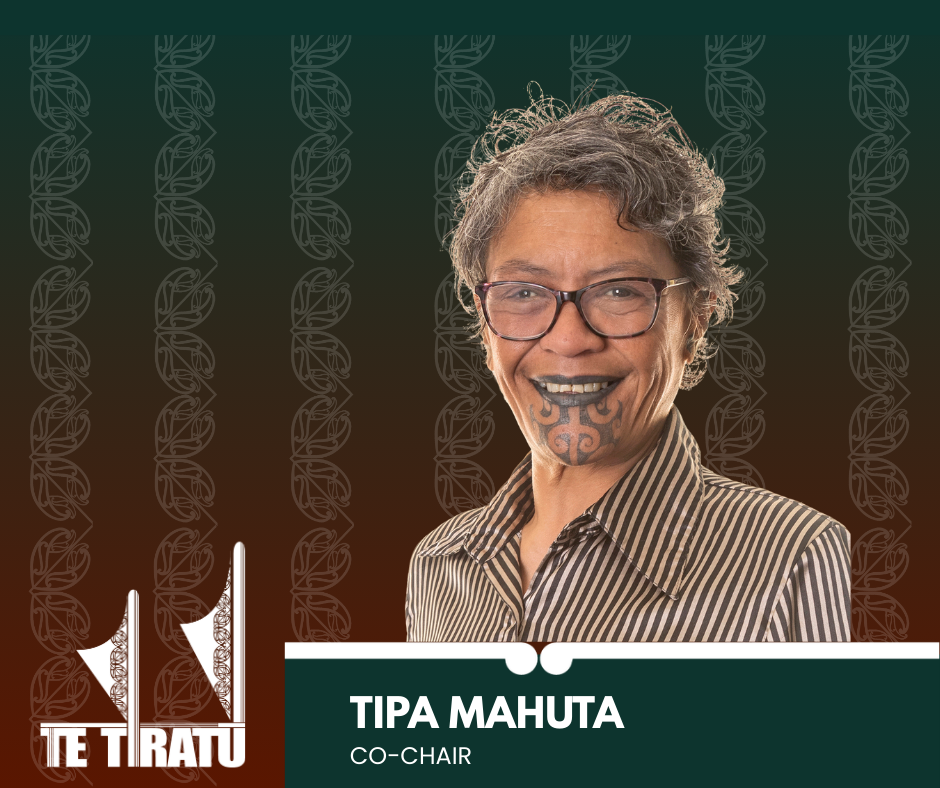
“Yes, this Budget contains substantial health spending. The question for Māori communities, is whether enough of that investment reaches the frontline services carrying the heaviest burden of inequity,” said Tipa Mahuta, Co-Chair of Te Tiratū Iwi Māori Partnership Board.
While Budget 2026 includes significant health investment of $5.8 billion over four years, the Iwi Māori Partnership Board in Waikato representing over 121,300 Māori says Māori and rural communities continue to require sustained, long-term funding focused on prevention, early intervention, and locally led care to address persistent inequities.
Te Tiratū says whānau in Waikato continue to face growing pressure from chronic disease, mental health need, poor housing, workforce shortages, and barriers to timely access to healthcare particularly in rural and provincial communities.
Despite overall health investment, the Board says there is no clear identifiable uplift for primary and community care at the level required to meet growing demand.
“Primary care is where the pressure is already sitting. If investment does not reach frontline and kaupapa Māori providers, communities will continue paying the price later through avoidable hospital admissions, worsening illness and delayed treatment,” Mahuta said.
“The issue is not simply whether funding is announced. It is whether whānau in places like Taumarunui, Tokoroa, Kāwhia or Ngāruawāhia actually experience earlier access to care, shorter waits, and better support.”
The Board’s Hauora Report series across Te Kūiti, Taumarunui, Te Awamutu, Tokoroa, Thames, Ōtorohanga, Putāruru, Paeroa, Rāhui Pōkeka and Ngāruawāhia continues to show consistent system pressures, including:
•high deprivation
•rising chronic disease burden
•transport and rural access barriers
•workforce shortages
•mental health need
•gaps in adult dental care
•growing demand for kaupapa Māori and whānau-centred services
It’s local monitoring and Whānau Voice surveys point to rural hospitals carrying sustained acute demand, with Māori often presenting later, encountering access barriers, and limited local service availability.
Primary and community care capacity remains particularly constrained in high-needs rural areas such as Ōtorohanga, Kāwhia and the wider King Country, where workforce shortages continue to limit timely and culturally safe care, especially in mental health, addictions, and kaupapa Māori services.
In Taumarunui, local monitoring shows nearly 87 percent of residents live in high deprivation areas. In Rāhui Pōkeka (Huntly) and Ngāruawāhia, more than half the Māori population is under 30, increasing pressure on youth wellbeing and early intervention services.
The co-Chair of Te Tiratū says whānau are experiencing longer waits, reduced continuity of care, and increasing travel burdens that compound existing inequities. Rural Waikato continues to be treated as if healthcare access is equitable across the system, when it is not.
“For many whānau, healthcare access is not just whether a service exists. It is whether they can afford the appointment, travel the distance, take time off work, arrange transport, or be seen early enough before conditions become acute,” Mahuta said.
She said many of the Budget’s largest investments appear focused on hospital infrastructure and system capacity, while primary and community-based services remain under pressure.
Clinically, prevention and early intervention services remain fragmented according to Te Tiratū, resulting in avoidable escalation of conditions into acute care settings and placing further strain on emergency departments and rural hospitals.
The Iwi Māori Partnership Board says Budget 2026 will be assessed on whether it meaningfully strengthens:
•primary care
•kaupapa Māori providers
•rural and mobile services
•rangatahi mental health
•chronic disease prevention
•adult dental services
•workforce recruitment and retention
•whānau-centred care
Te Tiratū also highlights the $531 million in historical underfunding of Māori health organisations1, alongside ongoing uncertainty for Māori providers following the disestablishment of Te Aka Whai Ora (Māori Health Authority) and raises concerns about how Māori health priorities will now be consistently funded and delivered across the system.
Proposed changes to national funding and eligibility settings, including diabetes medicine access pathways, reinforce the need for Māori health need to remain visible within mainstream funding decisions.
“Clinical need does not sit separately from inequity. Māori communities carry higher burden of chronic illness, poorer access to services, and greater barriers to early care. Those realities must remain visible in funding and access decisions,” she said.
Strengthening rural hospitals and community-based services, the Iwi Partnership Board notes, would reduce avoidable hospital admissions and enable earlier intervention closer to home. Expanding adult dental services would address a significant prevention gap and reduce preventable presentations to emergency departments. Improving access to diabetes and dialysis care would help prevent progression to late-stage disease while also reducing the travel burden on whānau.
“We support investment into treatment and hospital services, but clinically we know pressure starts much earlier in unmet primary care need, delayed diagnosis, poor access to prevention, and fragmented follow-up care.”
Te Tiratū believes the evidence from across the rohe is already clear, regardless of Budget announcements. Long-term investment is needed in kaupapa Māori and iwi-led services, rural and community-based care, mental health and addictions services, workforce development, and prevention-focused models of care.
“If these areas are not materially addressed, the pressure we are already seeing across the system will continue to escalate and inequities for Māori will widen,” said Mahuta.
“What matters now is whether Budget 2026 reduces the distance between policy announcements in Wellington and the lived reality for whānau trying to access healthcare in rural Waikato.”
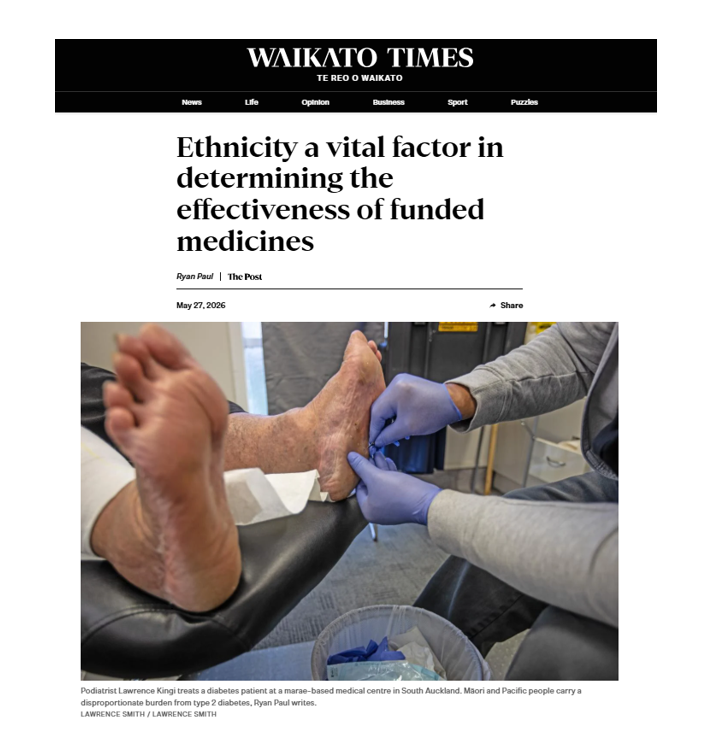
Ethnicity a vital factor in determining the effectiveness of funded medicines
Associate Professor Dr Ryan Paul, a clinician and technical expert advisor to Te Tiratū, explains why ethnicity should be a criterion for access to funded medications in Aotearoa New Zealand. [This think piece also appeared in The Post and The Press]
He says it is important to look at the evidence objectively. Māori and Pacific peoples are at least 2–3 times more likely to develop type 2 diabetes, acquire complications, and die prematurely from those complications than other New Zealanders.
“Pharmac’s volte-face to then remove the ethnicity criterion suggests that it was either ineffective or unfair, yet no public impact assessment or scientific explanation has been provided,” Dr Ryan Paul says.
Te Tiratū is encouraging whānau, clinicians, providers and community leaders to make a submission opposing the removal of equity access pathways.
Use Our Free Submission Template
We have created a free submission template to make it easy for whānau to have their voices heard.
Simply:
- Download or copy the template HERE
- Add your name and any personal comments
- Email it directly to Pharmac before 11 June 2026
The consultation closes on 11 June 2026.