Te Tiratū releases first “confronting” monitoring report on health system
MEDIA STATEMENT
FOR IMMEDIATE RELEASE
Friday 27 June 2025, 6:00 PM
2 minutes to Read
Te Tiratū Iwi Māori Partnership Board has released its inaugural Monitoring Report — a 46-page document under Section 30(1) of the Pae Ora Act 2022 that holds a mirror up to the system and asks two urgent questions: Is it working for us? And is it honouring Te Tiriti o Waitangi?
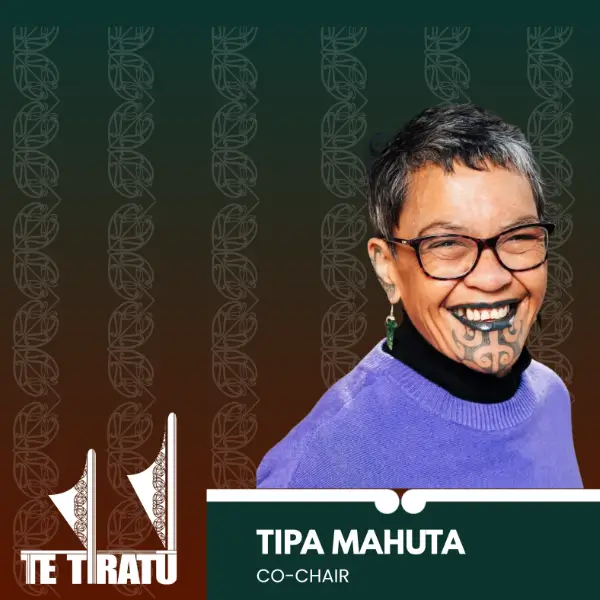
“This isn’t just data,” says Te Tiratū Co-Chair Tipa Mahuta. “It’s a reflection of what our whānau are actually living through every day — and it’s hurting them. The gap between policy promises and real-life outcomes is still too wide. Te Tiriti o Waitangi must be upheld in practice, it’s not a nice to do – it’s a must do.”
“Top of mind for our Board is the toll of cardiovascular, respiratory, and renal disease on our people which is simply devastating. Too many of our whānau are dying from preventable conditions — on average, seven years earlier than anyone else in the country.”
Representing 114,000 whānau across the Tainui waka rohe, Te Tiratū has drawn on lived experience from Whānau Voice surveying in the community, very limited data from Te Whatu Ora Health New Zealand, and legislative benchmarks to track system performance— and the findings are both sobering and clear – equity remains out of reach for too many Māori.
The report evaluates how well the system is delivering based on Te Tiratū’s regional health priorities, the five Government health targets, and Te Whatu Ora Health New Zealand’s statutory obligations under the Pae Ora (Healthy Futures) Act 2022.
It arrives at a pivotal time, as the Crown signals more major changes — including proposed amendments to Pae Ora after the disestablishment of Te Aka Whai Ora Māori Health Authority in its first 100 days.
“What we found in the report is confronting. Despite isolated gains — such as in mental health and addiction services — inequity remains entrenched. Our whānau continue to face multiple barriers to care, including cost, distance, culturally unsafe services, and long wait times,” said Mahuta.
Cancer screening rates for Māori remain far below national targets, and many Māori are missing out on essential primary care. Data is either missing or incomplete across key health areas like immunisation, oral health and long-term conditions — making it nearly impossible to track improvements or hold the system accountable.
The report also highlights that Te Whatu Ora Health New Zealand is falling short on many of its Pae Ora legislative obligations. Authentic iwi partnership in governance and decision-making is minimal or missing altogether.
Hauora Māori providers, while delivering high-trust, culturally grounded services, remain constrained by funding inequities and fragmented, siloed contracting systems.
Te Tiratū has sent the monitoring report to both Te Whatu Ora Health New Zealand and the Hauora Māori Advisory Committee and invited them to use the findings to shape advice to Minister Brown on investment, governance, and policy affecting Māori.
“We’ve seen what’s possible when whānau are listened to and resourced properly — particularly in areas like renewing the successful childhood immunisation programme run by Māori providers,” Mahuta said.
“Now we need to scale that success. We remain committed to advocating for a health system that is fair, accessible, and equitable — one that reflects the rights, needs and aspirations of our people.”

Concerns raised over proposed health legislation amendments
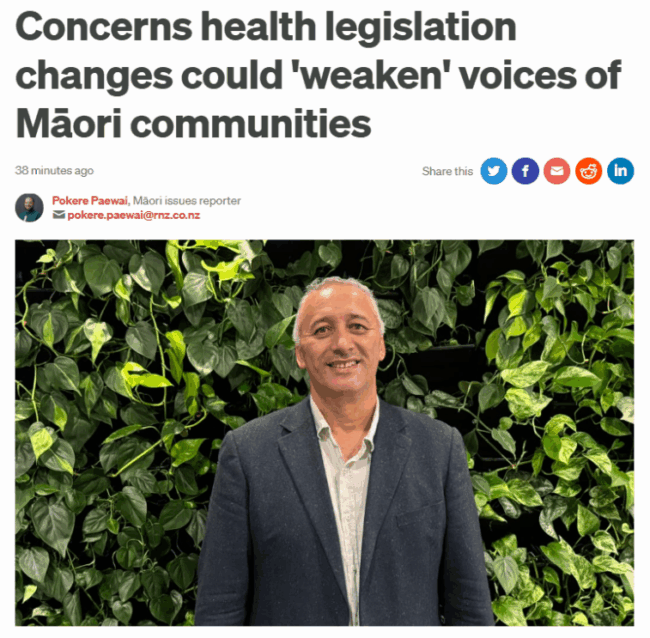
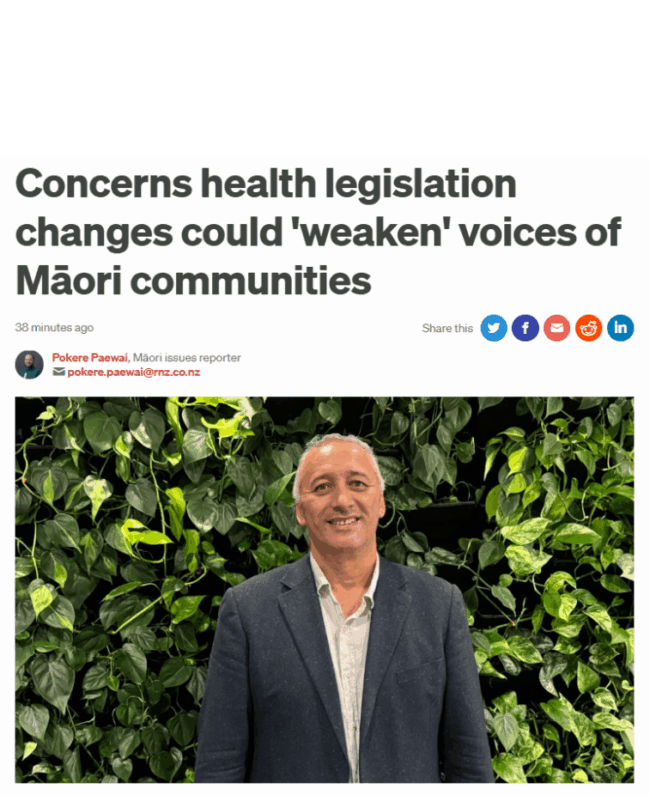
Photo: Te Tiratū Iwi Māori Partnership Board Co-chair Hagen Tautari
A collective of 15 Iwi Māori Partnership Boards (IMPBs), including Te Tiratū Iwi Māori Partnership Board, has voiced strong concerns that upcoming amendments to the Pae Ora (Healthy Futures) Act may dilute local Māori influence and centralise health decision‑making in Wellington
Health Minister Simeon Brown’s proposed changes would reshape IMPBs from local decision-makers into advisory bodies, shifting their role to providing input via the Hauora Māori Advisory Committee (HMAC) rather than engaging directly in service design.
Hagen Tautari, Co‑Chair of Te Tīratu IMPB (Waikato region), warns that removing IMPBs’ autonomy threatens the authentic voice of whānau and undermines hard-won local gains. While welcoming the Minister’s commitment to equitable and timely healthcare, Tautari stresses that progress for Māori health is rooted in partnership and community-led design under Te Tiriti — not top-down governance.
The IMPBs have formally submitted their concerns in a letter to the Minister, emphasising that any reform must align with Treaty obligations by maintaining local influence, community engagement, and regional mana to achieve genuine equitable outcomes.

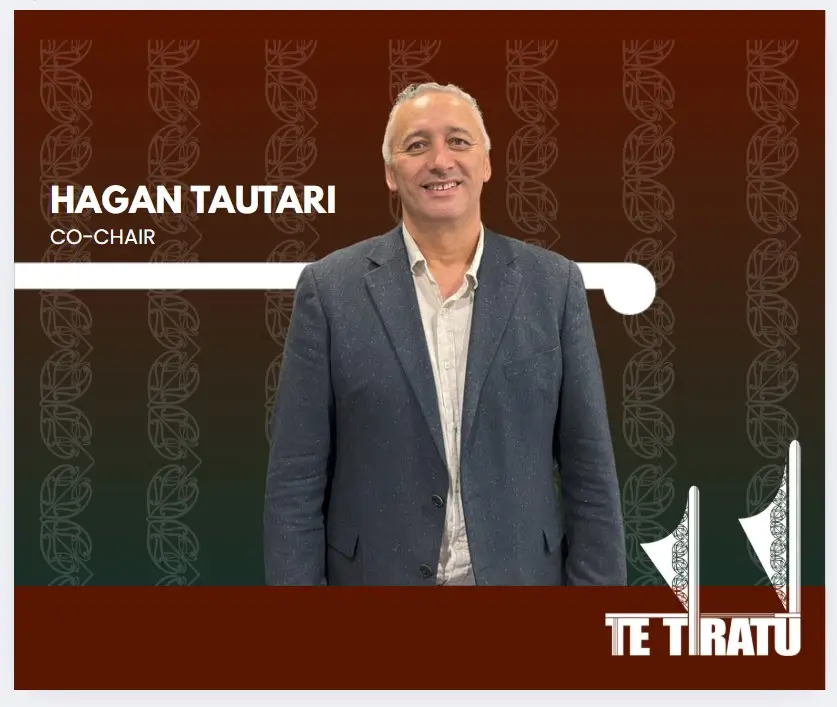
Rural Māori at risk: Unsafe hospital job share called out
MEDIA STATEMENT
FOR IMMEDIATE RELEASE
Thursday 26 June 2025, 3:00 PM
2 minutes to Read
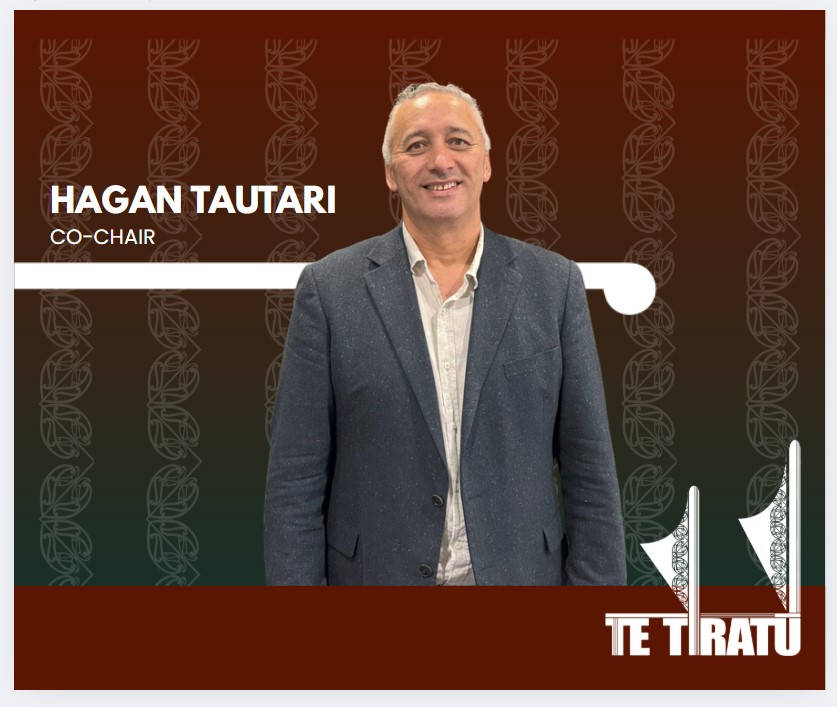
Te Tiratū Iwi Māori Partnership Board representing 114,000 whānau in Tainui waka rohe is calling for a full review of an integrated cleaner-security staffing model in two rural Waikato hospitals which serve communities with high Māori populations.
The Board was alerted by media reports about Te Whatu Ora Health New Zealand’s decision, which raised serious concerns regarding patient and staff safety, as well as the practicality of merging the roles.
Implemented at Te Kuiti and Tokoroa hospitals, the model combines the roles of hospital cleaner and security officer — a move that has been called “a life-or-death matter”.[1] These hospitals that sit within Te Tiratū Iwi Māori Partnership Board’s rohe are directly relevant to its work to ensure that Māori have a real say in local health design, delivery, and decision-making.
“Rural Māori communities should not be treated as testing grounds for potentially unsafe and ill-conceived workforce experiments. It is time for Te Whatu Ora Health New Zealand to put the safety and dignity of our people first and uphold the principles of Te Tiriti o Waitangi,” said Hagen Tautari, co-chair of Te Tiratū Iwi Māori Partnership Board.
It reflects a wider systemic failure to uphold Te Tiriti o Waitangi and engage iwi as genuine partners in health governance. At its heart it’s about how the Crown treats mana whenua in the decisions that directly impact whānau – and how it involves the Treaty partner at a locality as an equal.
A recent Te Whatu Ora Health New Zealand review confirms that while cleaning duties were being carried out, security coverage was inadequate and staff felt unsafe, particularly during overnight shifts where only two nurses and one cleaner-security officer are present.
“This staffing model fails our people, healthcare professionals and hapori. It undermines basic safety, disrespects the skill of both roles, and ignores the lived realities of rural hospitals — where Māori make up a significant proportion of patients and staff,” Tautari added.
Key concerns highlighted by Te Tiratū Iwi Māori Partnership Board include:
- Safety is non-negotiable. It is a matter of time before preventable harm occurs. Staff cannot be in two places at once during critical incident and expecting them to compromise both patient and worker safety.
- It’s a false economy. The model was meant to save over $200,000 in its first year. It only saved $137,000 — a shortfall that cannot justify the identified safety risk and workforce dissatisfaction.
- Rural Māori carry the burden. This model would not be trialled in larger urban hospitals. That it has been tested in predominantly Māori rural communities is a breach of equity and justice.
- Lack of consultation with Treaty partner. Health NZ must uphold its Te Tiriti obligations to work in partnership with Māori – which is not optional, symbolic, or after-the-fact.
Te Tiratū Iwi Māori Partnership Board is now calling on Te Whatu Ora Health New Zealand to commit to a community-informed review that centres safety, wellbeing, and equity, invest in separate, skilled roles for security and cleaning that are fit for purpose and protect whānau, support staff and nurses in rural hospitals through properly resourced, safe, and sustainable models of care.
[1] https://www.rnz.co.nz/news/national/564931/hospital-staff-concerned-about-combined-cleaner-security-officer-roles
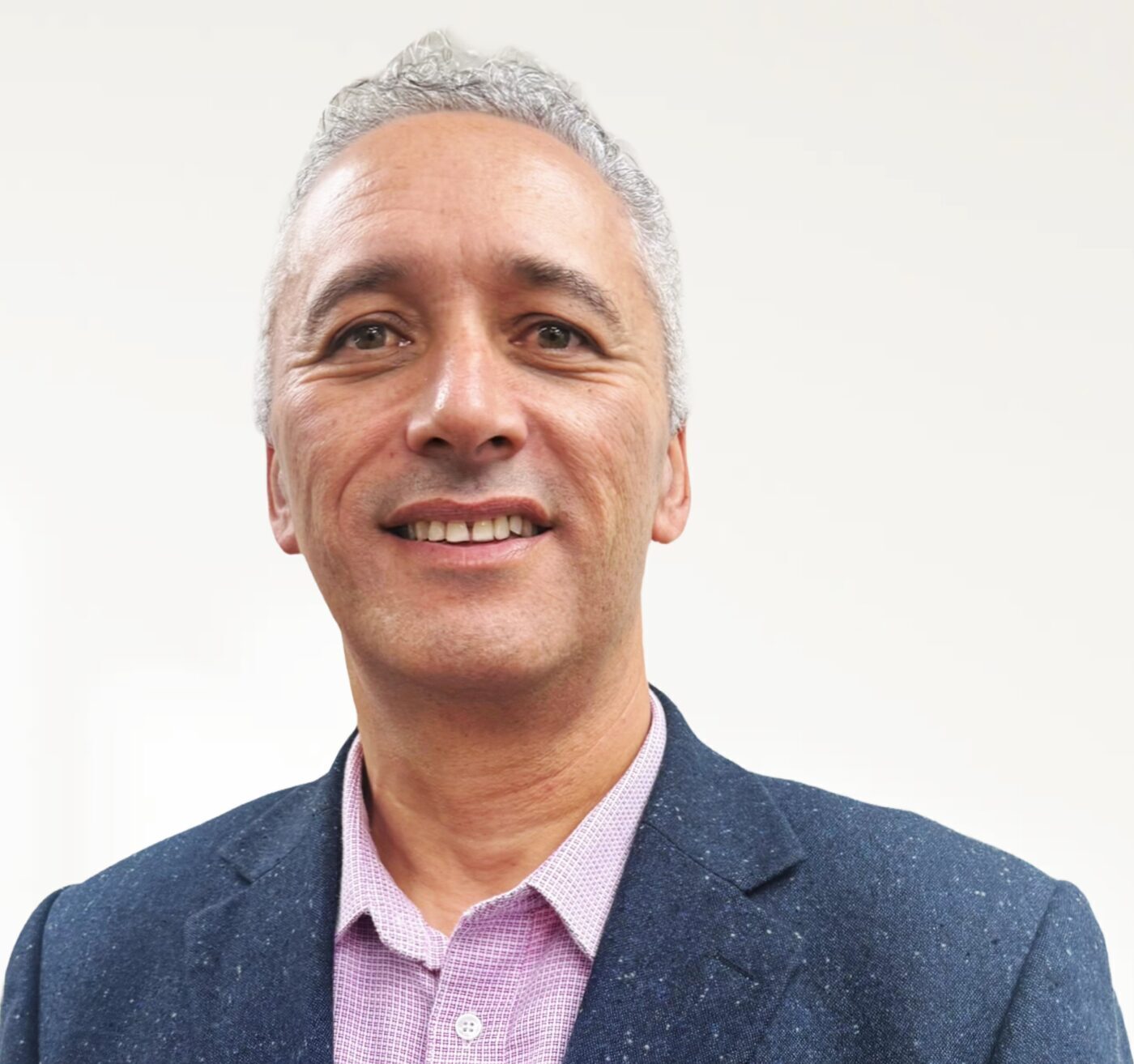
Iwi Māori Partnership Boards share concerns over new health reforms
Photo: Te Tiratū Iwi Māori Partnership Board Co-chair Hagen Tautari
Te Tiratū Iwi Māori Partnership Board (IMPB) has voiced concern over the government’s proposed changes to the Pae Ora (Healthy Futures) Act 2022, which would reduce the board’s decision-making authority to a purely consultative role.
Co-chair Hagen Tautari says this move weakens the intent of Pae Ora and undermines the Crown’s obligations under Te Tiriti o Waitangi. “Te Tiriti is a constitutional foundation. Partnership must be upheld in law and practice—not just policy,” he said.
While critical of the proposed reforms, IMPB supports Minister Simeon Brown’s focus on patient-centred care and timely, quality health services. In a formal response, IMPB offered constructive solutions and reaffirmed support for better national oversight—so long as reforms are properly resourced and protect the community-based leadership role of IMPBs.
Tautari warns against centralising decision-making in Wellington, which could reverse hard-won gains in Māori health equity. “The voices of whānau are strongest at the local level—where services are delivered and gaps identified. True equity means enabling local solutions,” he said.
Partnership, not centralisation in Pae Ora health reforms
MEDIA STATEMENT
FOR IMMEDIATE RELEASE
Tuesday 24 June 2025, 10:00 AM
2 minutes to Read
Te Tiratū Iwi Māori Partnership Board is concerned over proposed legislative reforms to the Pae Ora (Healthy Futures) Act 2022 that removes the current direct role of Iwi Māori Partnership Boards (IMPBs) in shaping the local health service design and delivery.
Stripping IMPBs of their decision-making authority and reducing our role to that of a ‘consultative’ body risks undermining the spirit and intent of Pae Ora, weakening community-led health leadership, and falls well short of the Crown’s obligations under Te Tiriti o Waitangi,” said Hagen Tautari, co-chair of Te Tiratū Iwi Māori Partnership Board.
“Te Tiriti is a constitutional foundation. Reforms must reflect the Crown’s enduring duty to uphold Te Tiriti obligations in both law and practice, not through policy alone.”
The sentiment is also shared by the larger Te Manawa Taki IMPB collective that comprises of Te Tiratū, Tairāwhiti Toitū Te Ora, Te Moana a Toi, Te Taura Ora o Waiariki, Tūwharetoa, and Te Pūnanga Ora.
The rōpū has called for the legislative changes to enter a formal co-design phase with Iwi Māori Partnership Boards and asked the Minister for urgent clarification on:
- How IMPBs’ Community Health Plans will influence service outcomes under the new framework
- What mechanisms will ensure IMPBs retain their role in local service design
- How the Crown will ensure accountability and transparency without undermining Tiriti-led governance
While Te Tiratū supports the Minister’s back-to-basics approach putting patients first and stated goal of timely, quality healthcare for all New Zealanders, Tautari says the proposals risk centralising decision-making in Wellington which would erode decades of hard-won progress trying to improve health outcomes for highest-need group in New Zealand’s health system.[1]
A letter to the Minister has been penned and endorsed by the Te Manawa Taki IMPB collective providing constructive feedback and solutions. It supports reforms that strengthen national oversight and equity outcomes – including the proposed expansion of the Hauora Māori Advisory Committee (HMAC) – but only if they are adequately resourced and do not displace the unique, community-based role of IMPBs.
“Partnership is not a principle to be referenced in policy—it is a constitutional obligation that must be upheld in law and practice,” said Tautari. “The voices of our whānau are strongest at the local level, where services are delivered, where the gaps are being identified by Whānau Voice and where IMPBs are making a real difference.”
The Board points to recent success in Te Moana a Toi, a member of te Manawa Taki IMPB collective where the regional IMPB worked alongside Whakatāne Hospital to address critical maternity service issues, delivering faster solutions than waiting on national intervention.
“Equity comes from working alongside whānau, listening to communities, and enabling local solutions. The reforms must protect that,” Tautari said. Reiterating the Board’s commitment to working constructively with the Government to ensure the health system delivers better, more equitable outcomes for Māori and all New Zealanders.
[1] Pg23-24 https://forms.justice.govt.nz/search/Documents/WT/wt_DOC_195476216/Hauora%202023%20W.pdf
Te Tiratū on 1News: Pae Ora amendments spark national conversation
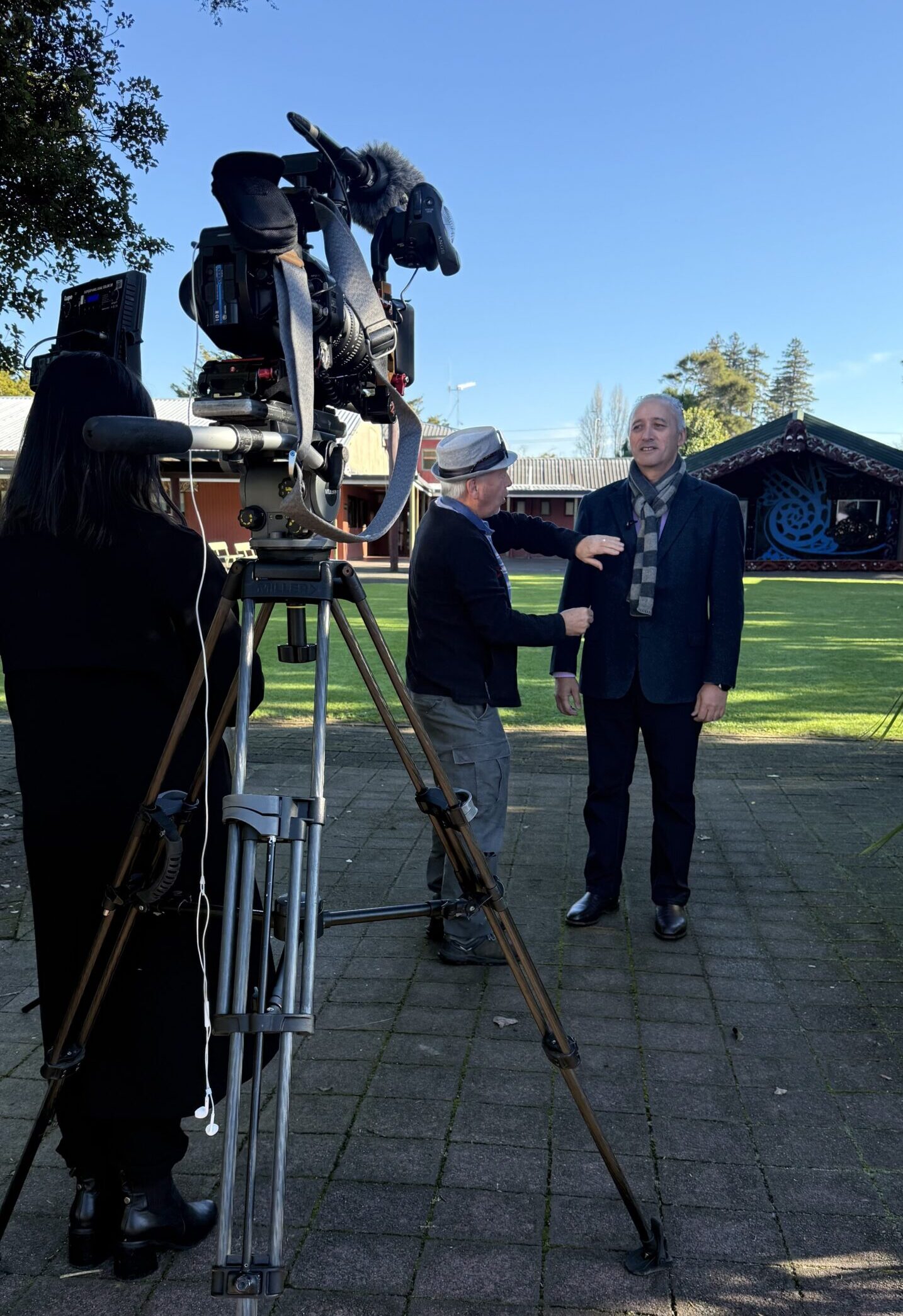
Our co-chair Hagen Tautari getting ready to be interviewed by 1News at Kirikiriroa Marae
Our co-chair Hagen Tautari featured on 1News this week, representing the voice of Te Tiratū and our wider iwi Māori communities, as the government proposes changes to the Pae Ora (Healthy Futures) Act.
There are 15 Iwi Māori Partnership Boards (IMPBs) across the motu, each tasked with identifying the health needs of Māori in their region and advising Health New Zealand (Te Whatu Ora) on how to address those needs.
“We’ve been legislated to provide a voice of whānau,” said Hagen Tautari. “That’s why we’re so important.”
Under the previous health minister, IMPBs were also set to receive decision-making powers. However, the current Minister of Health has signalled a different direction.
“Health New Zealand gets a huge amount of money each year from the government, and we expect them to deliver for patients,” the Minister said.
In response, Hagen made it clear that iwi Māori want more than a seat at the table.
“I think everybody would want to be more than just an advisory group,” he told 1News.
While Te Tiratū supports the Minister’s back-to-basics approach of putting patients first, and the stated goal of timely, quality healthcare for all New Zealanders, Tautari says the proposals risk centralising decision-making in Wellington — undermining decades of hard-won progress to improve outcomes for the highest-need group in Aotearoa’s health system.
Questions remain about how equity will be upheld. Te Tiratū stands firm in our role — ensuring Māori voices are heard and upheld at every level of health system decision-making.
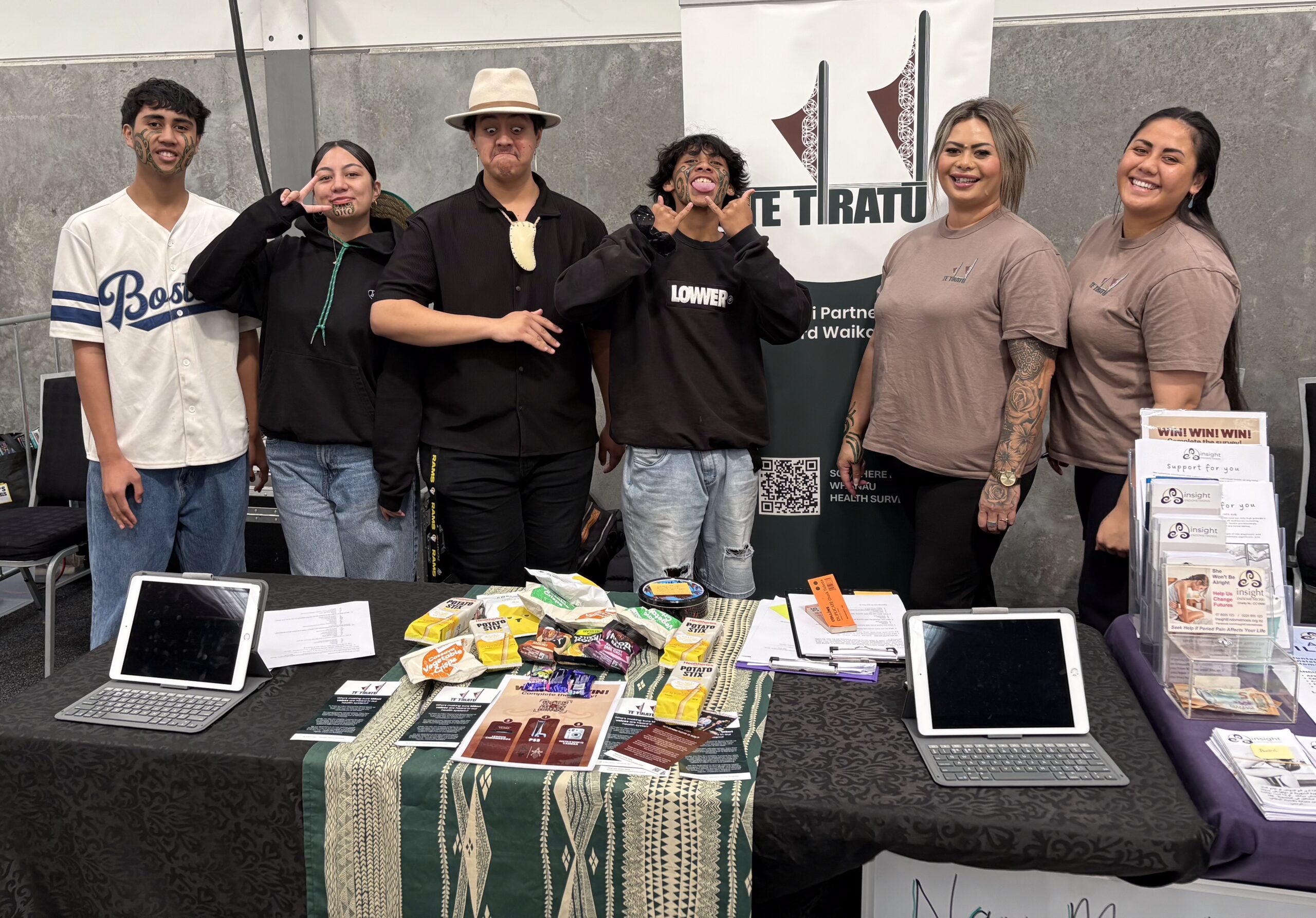
Rangatahi real talk at the Kapa Haka regionals
Photo: Rangatahi with Ngatini Torea and Raven Torea, Whānau Voice kaimahi
“We’re aware. We just need more support.”
That was the clear message from rangatahi and whānau who engaged with our Whānau Voice kaimahi at the inaugural Te Mokotini ki Tainui and Tainui Secondary School Kapa Haka regionals over the weekend. Alongside thousands gathered to celebrate te ao Māori, haka excellence, and hāpori, our Te Tiratū stand was part of a ‘Hauora Hub’ inside the doors of Claudelands Event Centre. The whare was humming with conversation — and concern. From rangatahi to kaumātua, whānau shared openly about their health journeys, what’s working, and what’s failing them.
What Our Rangatahi Are Saying
Across two days, rangatahi spoke frankly about what they’re facing. They’re switched on and vocal about the lack of mental health and sexual health education in schools — especially around hauora hinengaro. Many shared they learn more from social media than from the classroom. They know mental distress is a problem among their peers but feel unsupported by the current system. They want more—more kōrero, more guidance, and more honest talk in safe spaces. One rangatahi said it best: “We talk about it on TikTok, but not in class. That’s not right.”
Vaping: From “Cool” to “Can’t Stop”
We were alarmed by how widespread vaping is among rangatahi, particularly those aged 12 to 17. Nearly all told us they had easy access — either through shops not checking ID or older siblings buying on their behalf. What began as something “cool” quickly became something they couldn’t stop. Many now feel addicted. They want to quit, but said it’s hard — and support is scarce.
Their message was clear: restrictions aren’t enough. They believe a total ban is the only way to truly protect rangatahi. Importantly, they also called for earlier education, aimed at tamariki aged 10–12, before peer pressure kicks in and the dreaded addiction cycle begins.
Vaccination? Yes. Understanding It? Not So Much.
While most rangatahi had received their HPV vaccination at school, nearly none knew what it was for. One said: “I just signed the form. I didn’t even know what it was.”
This shows a huge gap in informed consent and health literacy. Our tamariki and rangatahi deserve to know what’s going into their tinana and why.
Primary Care: Cost, Wait Times & Whānau Avoiding Help
Whānau told us loud and clear: “If it’s not for the tamariki, we just don’t go.” The reasons are simple — long wait times and unaffordable costs. Standard GP visits range from $60 to $80, and after-hours care can be as high as $180. Many are turning to emergency departments by default, not because it’s ideal, but because it’s faster and more accessible. For some, the choice between paying rent or seeing a doctor isn’t really a choice — it’s about survival. While telehealth works for a few, unclear pricing has left others feeling misled — one whānau member was shocked when their father’s online consult cost more than an in-person visit.
Cancer Screening: Awareness Growing, But Gaps Remain
Many whānau had been screened for breast, cervical, or bowel cancer, but few had completed all three — and most had to initiate the process themselves, with little guidance from GPs or nurses. A registered nurse told us that while reminders appear in patient files, many health professionals simply overlook them. For wāhine, the screening experience was often described as cold and clinical, lacking cultural safety, with many feeling whakamā — exposed, undignified, and unlikely to return. There was positive feedback too, particularly around cervical screening reminders, which were clear and helpful, and the fast, reassuring turnaround times for breast screening results. However, follow-up care was inconsistent, and whānau made it clear they want more community-based education and engagement — they want to understand what to expect, why it matters, and how to access care before it becomes urgent.
Thank you For Your Truths
We’re deeply grateful to every whānau member and rangatahi who stopped by to share a laugh, a selfie, and a story — your voices are shaping the future of our hauora. Every kōrero is being carried forward in our regular reporting and meetings with Te Whatu Ora. We’re listening, and we thank you for trusting us with your truths.
Whānau Ora launches new agency with fresh leadership
Rangitāmiro, the Whānau Ora Commissioning Agency, has announced its inaugural board of directors and the appointment of its first chair. The collaborative includes Te Tiratū Iwi Māori Partnership Board with the National Hauora Coalition, and Ngaa Pou Hauora o Tāmaki Makaurau Iwi Māori Partnership Board.
Eru Lyndon (Ngāpuhi, Ngāti Hine, Ngāti Kahu, Ngāti Wai, Ngāti Whātua and Ngāti Toa) has been named chair of the board. Lyndon brings extensive governance experience, including being chair of Waitangi Limited and having board roles with the National Hauora Coalition, The Selwyn Foundation, and the University of Auckland Business School.
The appointed board members are:
- Dr Mataroria Lyndon (Ngāti Hine, Ngāti Wai, Ngāti Whātua, Waikato), member of Te Tiratū Iwi Māori Partnership Board
- Dr Rachel Brown (Te Ātiawa ki Wharekauri, Kāi Tahu), CEO of the National Hauora Coalition
- Shelley Katae (Te Rarawa, Ngāti Porou), Chief Executive of Tāmaki Regeneration
- Karen Wilson (Te Ākitai Waiohua, Ngāti Te Ata, Ngāti Pikiao), Chair of Te Ākitai Waiohua Settlement Trust
Rangitāmiro is part of a new commissioning model, Whānau Ora 2.0, which will be rolled out across four regions:
- Region 1: Rangitāmiro – Taupō to Northland
- Region 2: Te Rūnanga o Toa Rangatira – Wellington to Waiariki
- Region 3: Te Tauraki – Te Waipounamu/Rakiura, Wharekauri
- Region 4: The Cause Collective – Pasifika families nationwide
To find out more click HERE.
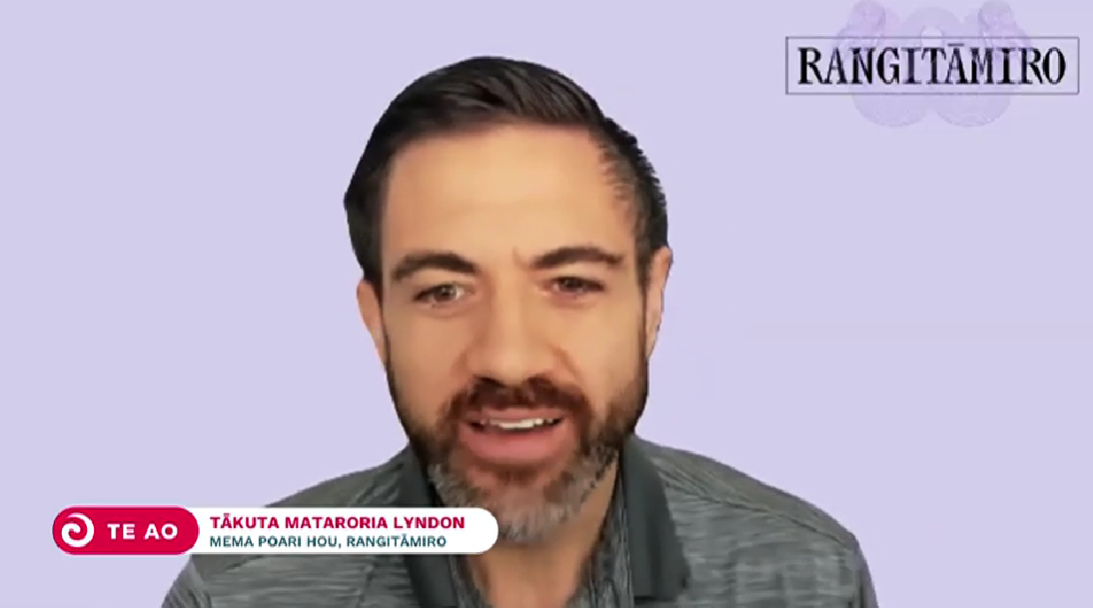
Dr Mataroria Lyndon, member of Te Tiratū Iwi Māori Partnership Board

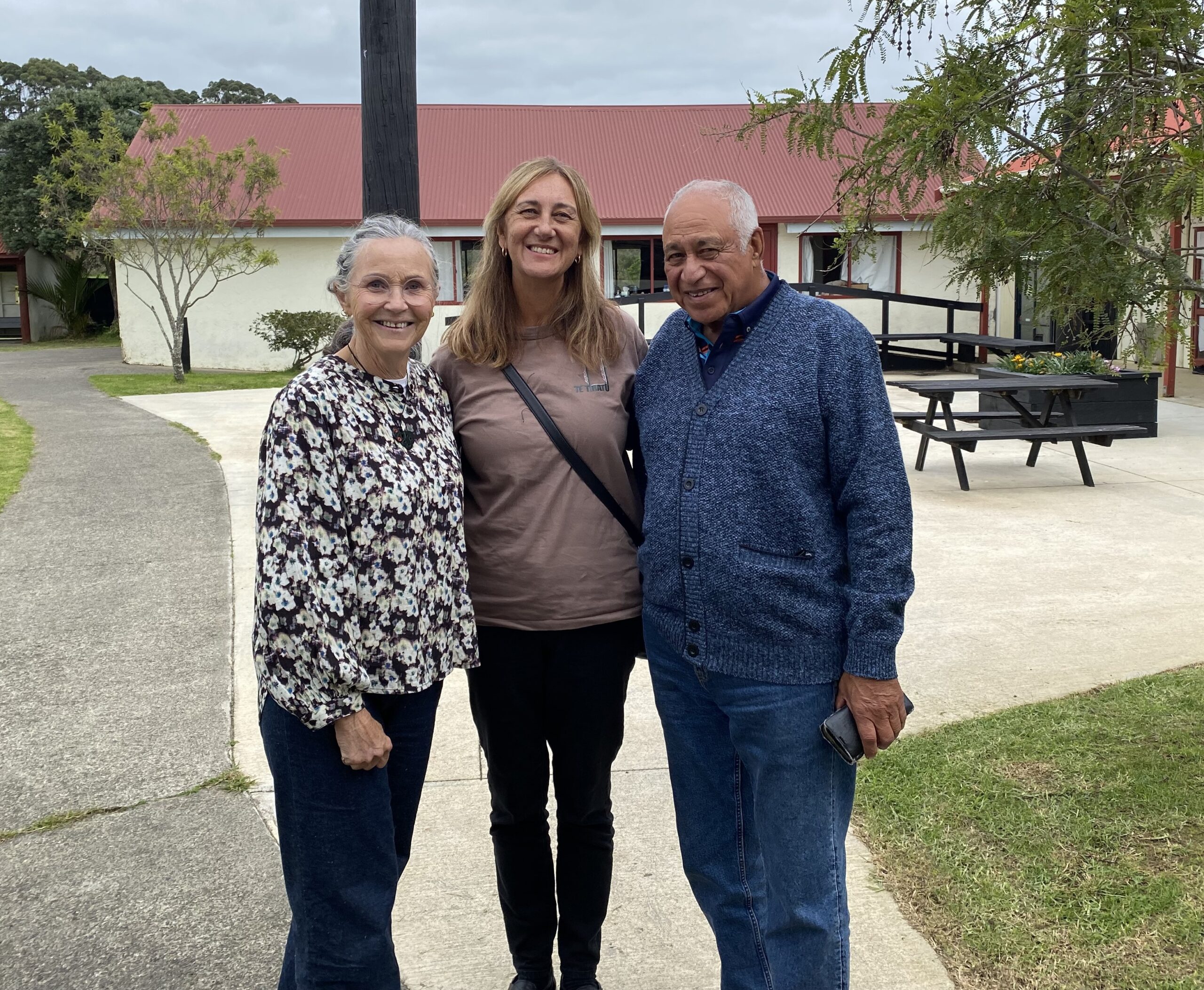
Hauora at home: Everything under one roof in Whaingāroa
Poihākena Marae in Whaingāroa Raglan was the place to be this week as whānau gathered hauora check-ups, hosted by Toi Oranga in partnership with a range of local and visiting health providers. The open-door event invited whānau to drop in, share a cuppa, and check up on their wellbeing — all in a familiar, friendly environment.
Nurses were onsite offering general health checks, alongside a wide range of services including physiotherapy, mirimiri (traditional Māori bodywork), immunisation, cervical screening, and counselling. A Ministry of Social Development (MSD) staff member was also available.
Two Heart Foundation representatives were kept busy with blood pressure checks, while a local GP provided full consultations in a dedicated clinical space.
Having services close to home made a big difference, particularly for kaumātua who often face challenges accessing care, and for younger whānau looking for convenient, supportive options.
“Whānau felt more comfortable at the marae, and not having to travel far — and having everything under one roof in such a friendly space just made sense,” said Megan Tunks, one of our Whānau Voice kaimahi.
Predominantly Māori came, but some non-Māori as well. “They relaxed with a hot drink and some kai, connected with others, and visited different service providers while they waited.”
Many of the visiting providers, including the physiotherapist and mirimiri practitioners, were from the local community themselves — a powerful reminder of the strength and value of community-led solutions.
The kaupapa was simple and effective: bring health services to where whanau already feel safe, respected, and connected. The result? A whānau-first day grounded in manaakitanga, kaitiakitanga, and whanaungatanga— showing what’s possible when hauora is delivered with aroha.
Photo: Lesley Thornley, a physiotherapist and daughter of the late Dr John “Digger” Penman, who served as the local GP from the 1940s to the late 1960s before being succeeded by Dr Ellison; Megan Tunks, Whānau Voice kaimahi with the Te Tiratū Iwi Māori Partnership Board; and Pablo Rickard, affectionately known as Whāingaroa Raglan’s ‘unofficial Mayor’.
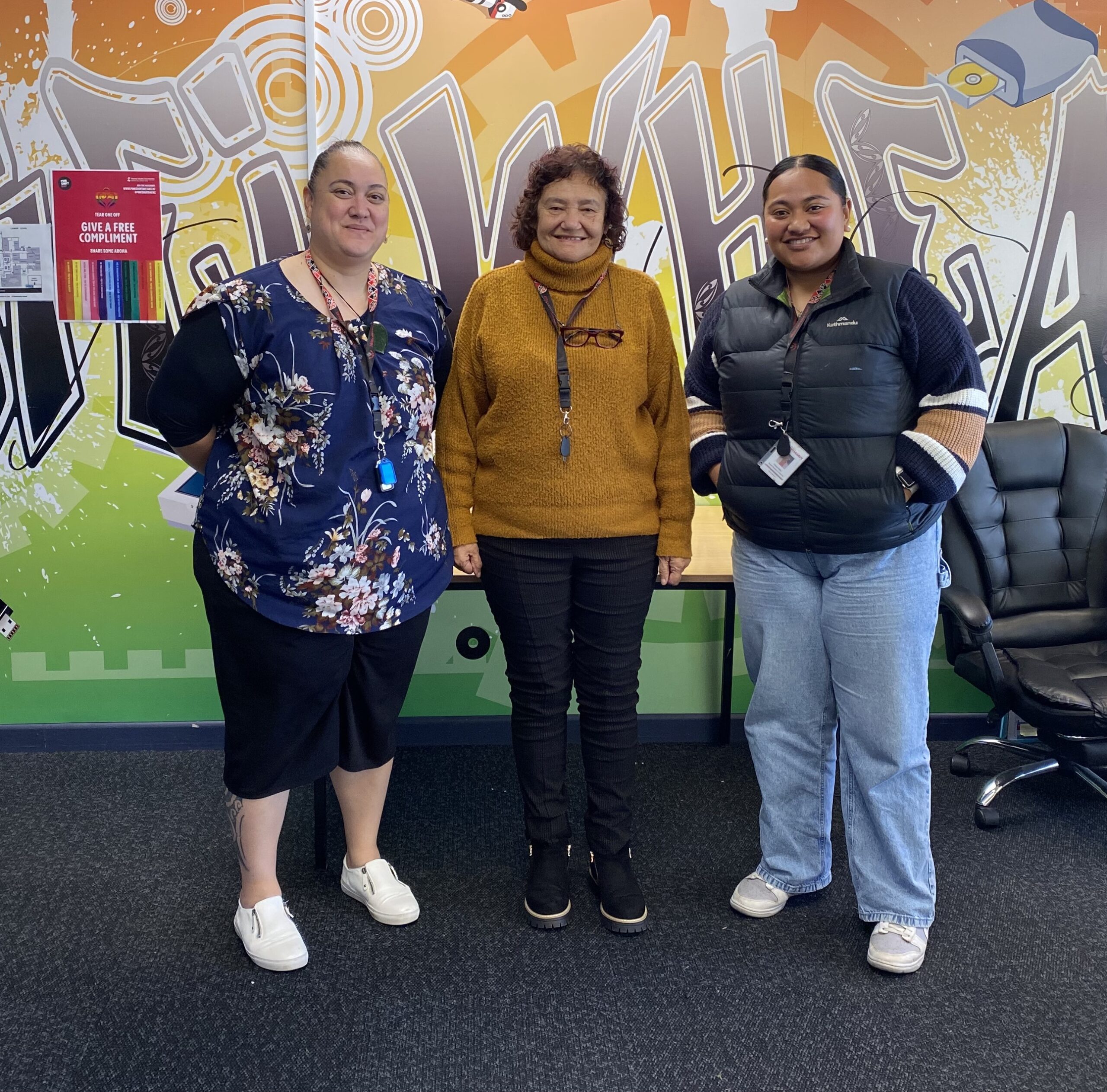
From the Frontlines at Waahi Whaanui: Mental Health and Addiction Gaps
On the frontlines of whānau support, the cracks in the system are becoming impossible to ignore.
This week, our Whānau Voice team visited Waahi Whaanui in Raahui Pookeka-Huntly that was established in 1983 by the Tainui Maori Trust Board as one of its ten Marae Cluster Management Committees that works across a vast rohe — from Mercer in the north, to Raglan in the west, Te Hoe in the east, and Kirikiriroa in the south.
They deliver an impressive range of integrated services: Whānau Ora, parenting support, family violence response, social workers in schools, rangatahi transition services, alcohol and addiction support, and more. Deeply embedded in their hapori driven by a commitment to uplift whānau. But even with all their expertise, one reality stood out: they’re doing critical mahi with our people experiencing a health system under immense strain. The need is growing significantly, particularly for our rangatahi.
Mental Health: Access Denied by Distance and Delay
For Raahui Pookeka based whānau,often access mental health assessment is to travel half an hour to Hamilton. Once seen, they’re referred back to local services in Raahui Pookeka—services that are already under immense pressure.
The latest data from Te Hiringa Mahara – Mental Health and Wellbeing Commission backs this up:
- 16,000 fewer people were seen by specialist services in the year to June 2024, compared to 2021.
- More than 10,000 of them were under 25 years old.
- The drop isn’t because fewer people need help—it’s because they can’t get it.
This is a crisis. Not just of access, but of dignity.
Addiction Support Has a Waitlist—But Pain Doesn’t Wait
There’s a four-week wait to see an addiction counsellor at Waahi Whaanui. For some whānau, that’s a tipping point. There is limited alcohol and drug support for rangatahi under 18. We heard that many rangatahi are in crisis, with no place to turn.
Kaumātua Saving Up Their Pain
Kaumātua said they “save up” their health concerns because of cost and not wanting to be hōhā or overburden already stretched services.
It is not tika that they should feel like a burden. They carry our whakapapa, our mātauranga, our mauri. They should be cherished and prioritised.
The Numbers Are Stark—But Not New to Us
Māori in Waikato are:
- 9 times more likely than non-Māori to be hospitalised for any mental or substance use disorder
- 6 times more likely for schizophrenia
- 7 times more likely for substance and alcohol-related harm
- And an average of 225 Māori (mostly wāhine) are hospitalised for intentional self-harm each year
In Hamilton, over 2,000 Māori aren’t enrolled with a GP—shut out from the most basic preventative care.
Where to From Here?
What we saw was a failure of the health system to support providers like Waahi Whaanui who are under pressure, the increased caseload of kaimahi carrying too much without the resources they need, and whānau trying to hold on without falling through the cracks.
We stand alongside them—and we raise their voices.
Last week the Government announced a $28 million investment over four years in Budget 2025 to shift the response to 111 mental distress calls from Police to mental health professionals. For frontline providers like Waahi Whaanui it will take far more to address the deep gaps in accessibility, workforce, and culturally grounded care.
Te Tiratū is calling for:
Providers to be adequately resourced to cope with the increasing demand on services
- A focus on services for rangatahi under 18 that are locally relevant and accessible
- Appropriate whanau orientated triage processes
- Culturally grounded, local solutions led by whānau, hapū and iwi
Te Tiratū will continue to amplify your voice until the system listens.
From left to right: Rawinia Marsh – Integrated Services Manager Waahi Whaanui Trust, Fiona Helu and Hemi-Lee Morgan – Whānau Ora Team.