Turning global learning into local action – World Indigenous Cancer Conference
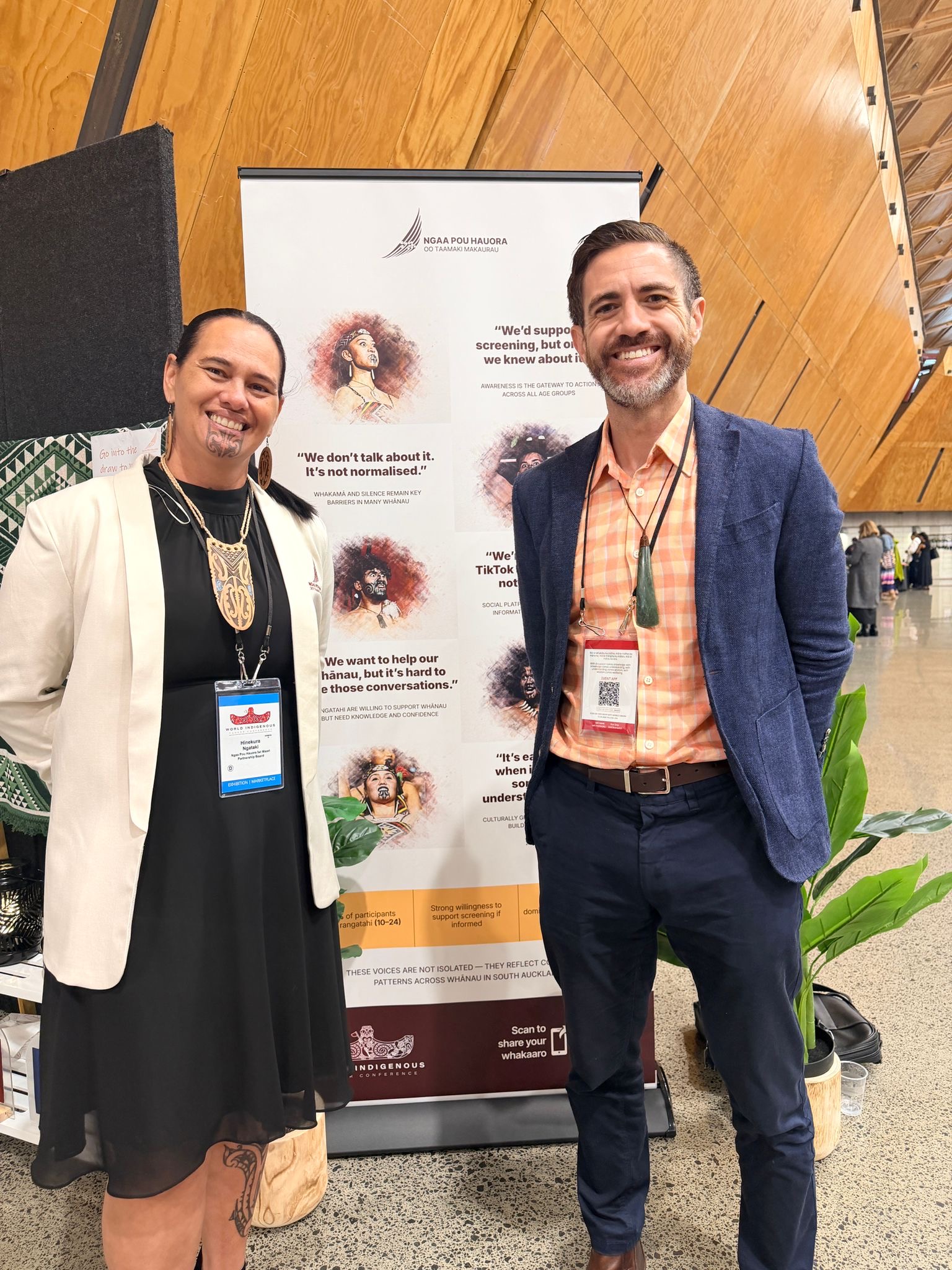
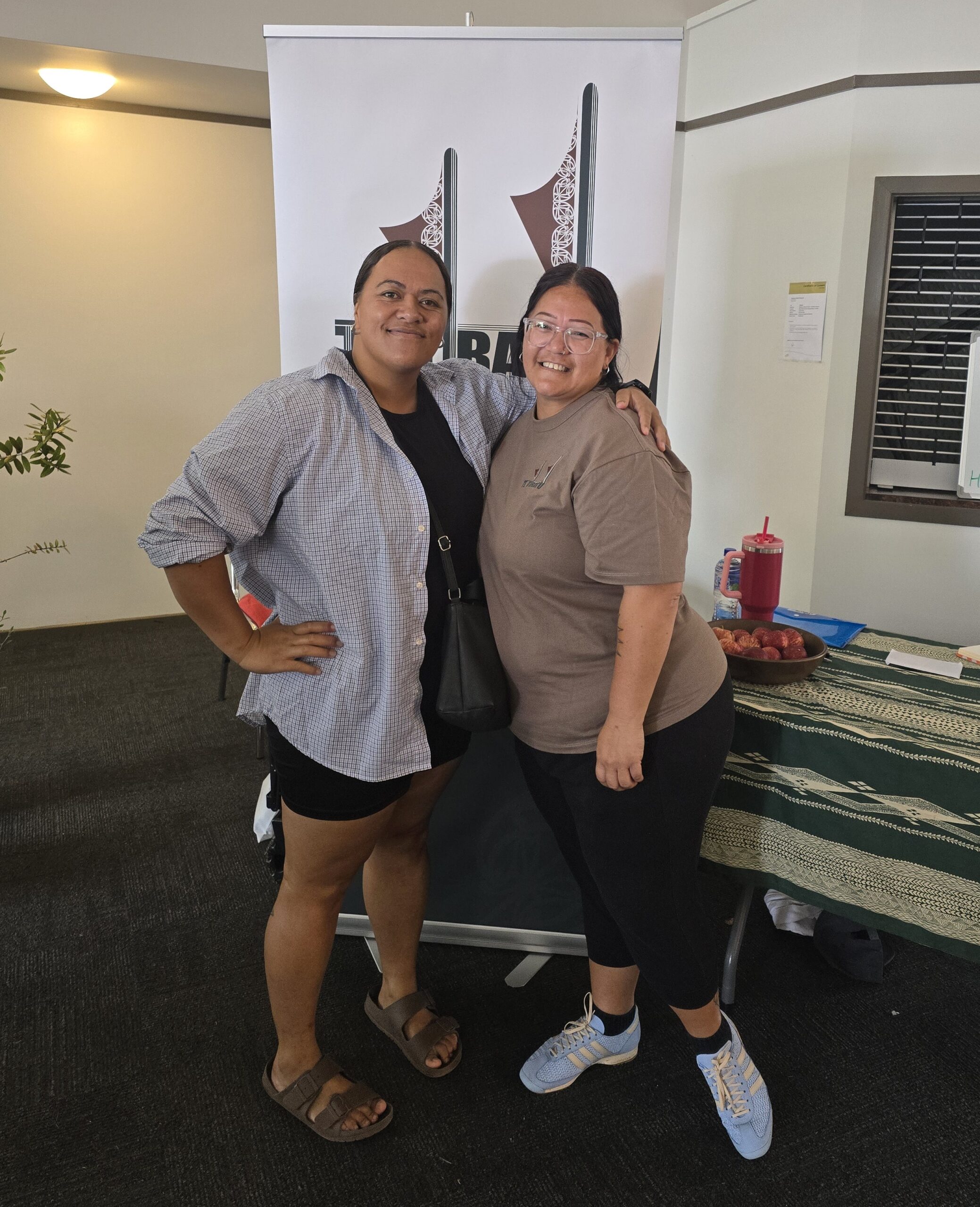
Photo: Hinekura Ngataki, Principal Lead Health Sector and Clinical Engagement Kaitohutohu Clinical Advisor at Ngaa Pou Hauora oo Taamaki Makaurau Iwi Maaori Partnership Board with Dr Mataroria Lyndon, board member of Te Tiratū Iwi Māori Partnership Board.
Indigenous leaders, clinicians, researchers, community voices and Iwi Māori Partnership Boards, including Te Tiratū, have gathered in Tāmaki Makaurau for the 2026 World Indigenous Cancer Conference, hosted by Hei Āhuru Mōwai Māori Cancer Leadership Aotearoa.
It is the first time the global event has been held in Aotearoa. It brings a clear and urgent message, that the solutions to cancer inequities already exist and now it is time to act on them consistently to change our health system.
For Māori, the urgency is clear. We are more likely to be diagnosed with cancer and twice as likely to die from it. These inequities are long-standing and well understood. What is needed now is not more evidence of the problem, but commitment to implementing solutions.
One of our board members, Dr Mataroria Lyndon, attended the opening day. “The kaupapa goes beyond cancer. It is about equity, rangatiratanga and ensuring whānau are not left behind. The challenge is no longer identifying what needs to change but having the courage and accountability to make it happen.”
He believes we need to turn global learning into local action so that our next generation experiences a system that works for them, not against them.
Lived experiences shared at the conference reinforced how the system continues to fail whānau. Professor Jackie Kidd spoke about her Stage 4 bowel cancer diagnosis, highlighting how delayed screening and policy settings contributed to late detection. Sir Collin Tukuitonga also shared how difficult it was to navigate the system, despite decades of experience in health. Both stories pointed to the same issue: a system that is not designed around whānau needs.
A clear direction emerged. Stop researching barriers. Start implementing what works. That means placing mātauranga Māori at the centre of care, recognising rongoā Māori as part of prevention and wellbeing, and designing services that are whānau-centred and culturally grounded. It also means ensuring information is accessible and delivered in ways that connect with communities.
Practical examples showed what this can look like. Mobile screening services demonstrated how care can be brought closer to communities, removing access barriers. A dedicated rongoā Māori space reflected a more holistic approach to health that supports both prevention and healing.
International experience showed that change is possible. In Australia, Indigenous-led smoking programmes have significantly reduced smoking rates and helped tens of thousands of people quit. Across the Pacific, HPV vaccination programmes are showing early success.
However, many communities still face high tobacco use, limited screening access and increasing cancer rates, particularly where poverty and food environments are driving poor health outcomes.
Indigenous data sovereignty was also identified as critical, ensuring communities control how their data is used to shape better outcomes.
“Lasting change depends on genuine partnerships. These must be built on trust, shared decision-making and Indigenous leadership, not short-term or transactional approaches,” Dr Lyndon said.
“This conference comes at a critical time, as the Cancer Action Plan reaches its midpoint. Ongoing issues, such as screening age thresholds for Māori, highlight where equity has not yet been achieved and where action is needed.”

Two days, one message on what it takes to stay well
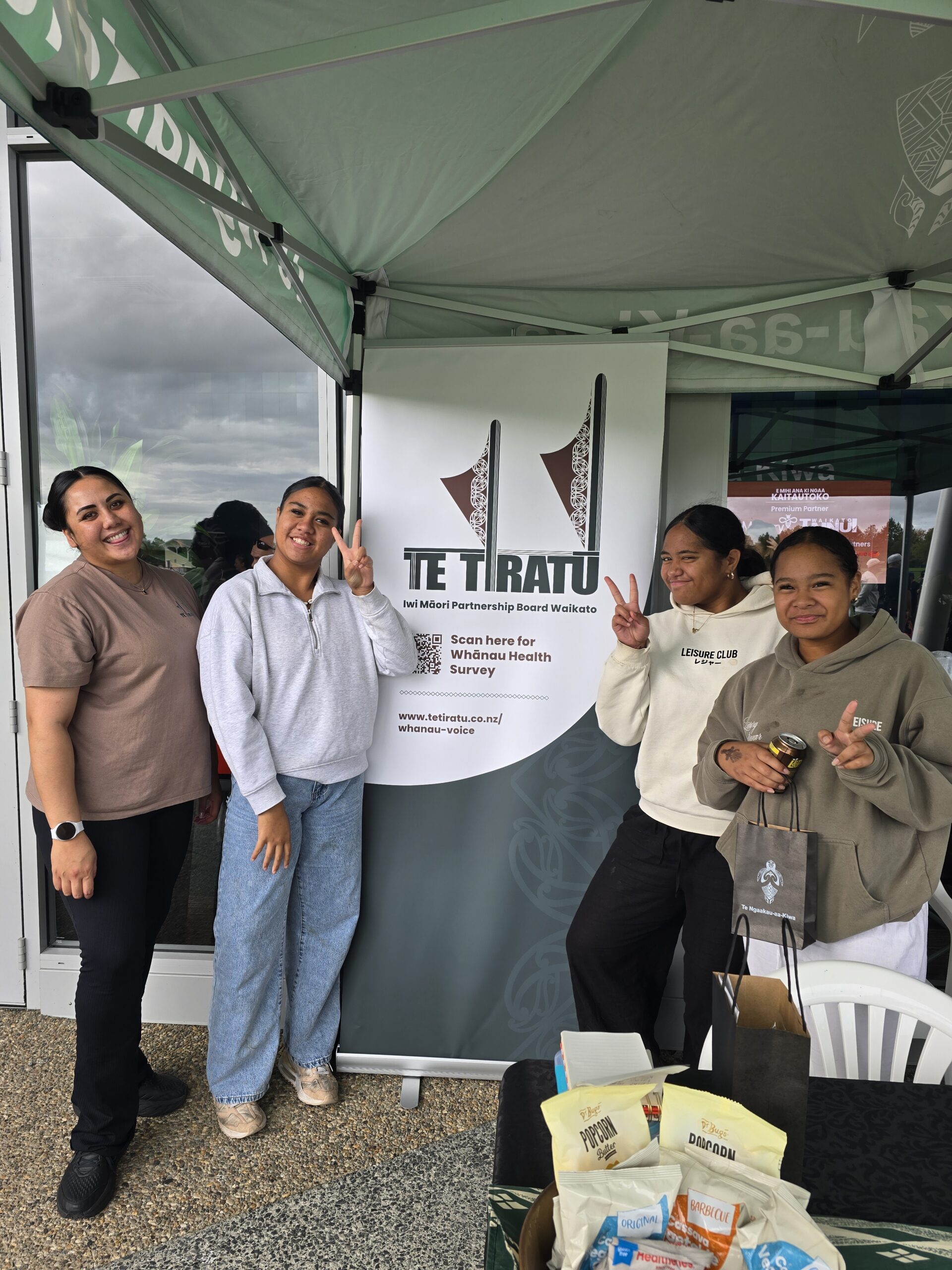
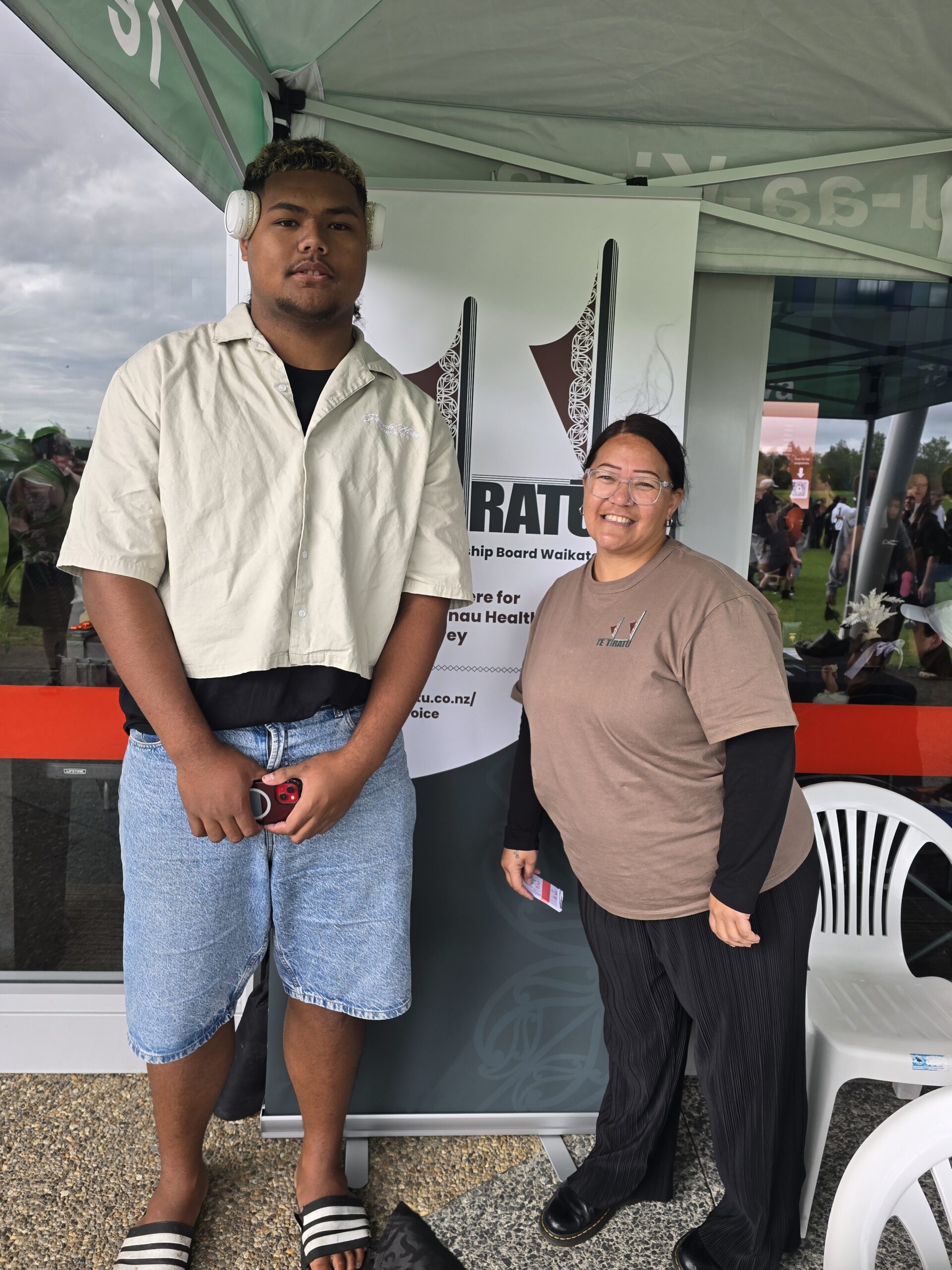
Across two days at the Tainui Senior Regional Kapa Haka Competition at Claudelands, our Whānau Voice team stood alongside our people, kanohi ki te kanohi, listening to the lived realities behind the performances.
Whānau showed up not just to tautoko their rōpū, but to share their experiences. Our Whānau Voice team completed more than 80 surveys across the two days, including rangatahi voices. Most who engaged were wāhine, with strong representation from Kirikiriroa and across the wider rohe, all connected through whakapapa to Tainui and many other iwi. Beneath the numbers were honest kōrero about what it takes to stay well right now.
Across both days, the same pressures came through clearly. The cost of living and transport are shaping everyday decisions for whānau. Whānau spoke about the difficulty of affording petrol just to get to appointments, and the rising cost of kai making it harder to feed their families well. These pressures are constant, and they are directly affecting access to care.
At the same time, whānau were clear about what is working. Our local Kaupapa Māori provider services, especially Te Kōhao Health in Kirikiriroa and Ngā Miro Health Centre in Ngāruawāhia, were spoken about with real appreciation.
Whānau described care that is affordable, accessible and grounded in respect. They spoke about being able to get appointments, about manageable costs, and about clinicians who take time to understand and treat the issue properly. There was a strong sense of trust and cultural safety. Other providers such as Ngaa Ringa Āwhina and Tui Medical were also valued, though wait times were more of a challenge, particularly for those outside of Hamilton, where delays of several weeks were common.
Delays Stretch into Years
Even with these positives, system pressures were clear. Wait times for specialist appointments and elective surgeries came through as one of the biggest barriers. For some, these delays stretch into years, particularly for procedures like hip and knee replacements. Whānau also spoke about not always understanding the advice they receive, showing that access alone is not enough.
Health concerns reflected what many communities are facing. Respiratory conditions, type 2 diabetes, cardiovascular issues, cancer, dental health, addiction and mental health were all raised. Tamariki and rangatahi wellbeing featured strongly, as did the health of māmā and pēpi. Most whānau said they were able to access care, but the pathway to get there was often difficult.
The stories behind the surveys brought these realities into focus. One Kuia shared her experience of waiting two years for surgery, followed by more than a year for proper follow up care. By the time she was seen again, infection and nerve damage had set in, leaving her without feeling in her foot and unable to work after decades as a truck driver. Her story reflects the cost of delay, where health impacts extend into every part of life.
Another young Māmā spoke about raising her pēpi in damp transitional housing that is difficult to keep warm and poorly ventilated. One of her children is immunocompromised and living with kidney failure, yet the home itself is contributing to ongoing illness. Despite raising concerns, she has been told to accept the situation or leave. For her, the system meant to support her is adding to the burden she carries.
The Lengths Whānau Go to for Treatment
A further kōrero highlighted the lengths whānau are going to in order to access timely care. One wahine diagnosed with kidney cancer withdrew nearly $50,000 from her KiwiSaver to access surgery privately within weeks, rather than wait months in the public system. She spoke about how complex the system was to navigate and how critical it was to have her sister, a nurse, alongside her to help guide each step.
Another tāne shared that he continues to travel long distances to see his doctor in another region, rather than transfer closer to home, out of fear of losing his place on a surgical waitlist. His experience reflects a system where certainty cannot be taken for granted.
Housing also came through as a key issue. One wahine spoke about living in a cold, damp home where she cannot afford to run the heat pump, relying instead on layers and hot water bottles. These everyday realities sit directly alongside health outcomes.
There were also stories of resilience, alongside a loss of trust. One Māmā described feeling judged by hospital staff when repeatedly seeking care for her pēpi. That experience led her to turn to rongoā Māori, which she now uses to care for her tamariki. At the same time, she is navigating her daughter’s mental health journey with support from a school-based social worker, learning to listen and support in new ways.
Rangatahi voices added another layer. Many spoke about the importance of sport, kapa haka and whānau connection in supporting their wellbeing. At the same time, their biggest concerns were having enough kai at home, mental health, feeling safe and education. While most felt able to access health services, their priorities reflect the broader conditions shaping their lives.
Across both days, whānau were clear about what is working, and they know where the system is falling short. They are navigating barriers with resilience, but they are also clear about what needs to change.
The Whānau Voice team will continue to gather and uplift these kōrero to decisionmakers, ensuring that the voices of our whānau are heard loud and clear.
Providers doing the work, system not keeping pace
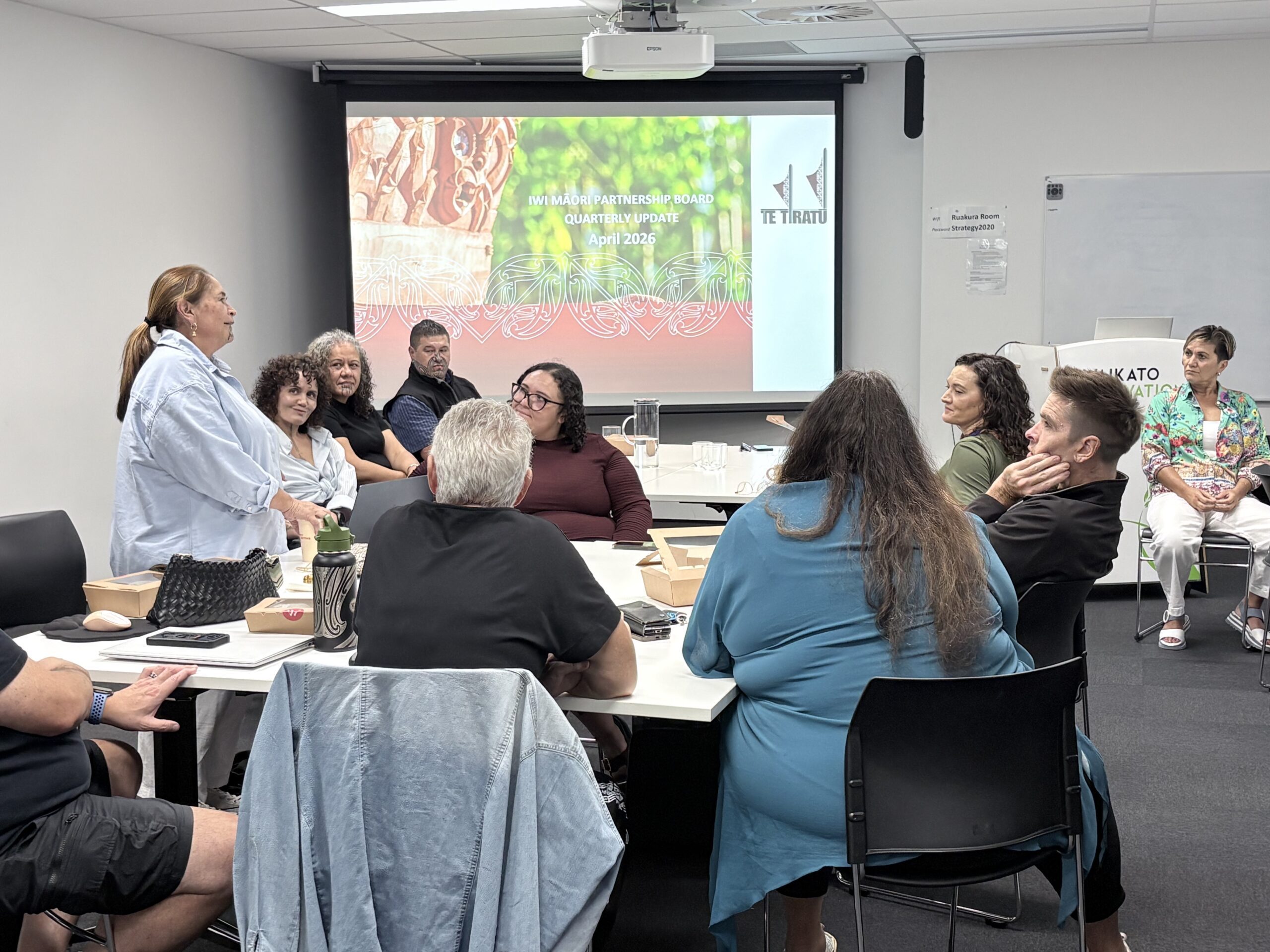
Providers from across the Tainui waka rohe gathered at our quarterly Stakeholder Forum today, laying bare the frontline reality. Rising demand, increasing complexity, and whānau carrying the strain of a system under pressure.
Thirty-two representatives spanning iwi, hauora, and community services from organisations such as ĀKI Innovations, Waikato-Tainui, Ngā Miro Health, Te Hauora o Ngāti Hāua, Te Rūnanga o Kirikiriroa, Raukawa, Maniapoto Marae Pact Trust, Waiariki Whānau Mentoring Trust, Rauawaawa Kaumatua Charitable Trust, Pinnacle PHO, Hauraki PHO, Kokiri Hauora, Waahi Whānau, Rangitāmiro Whānau ora Commissioning Agency, and Raukura Hauora o Tainui stood alongside Te Tiratū Iwi Māori Partnership Board to share what is happening on the ground and what must change.
What emerged was a clear and consistent message. Providers are doing the work, but the system is not keeping pace.
Questions were raised about the impact of ongoing system changes, including shifts in Hauora Māori Advisory Committee and funding uncertainty, and what this means for continuity of care. Providers signalled strong interest in the soon to be released town-by-town Hauora reports by Te Tiratū and the development of a data dashboard. Tools that can better surface where pressure is building and support more targeted, timely responses.
Frontline voices anchored the kōrero. Waata Heathcote of Waiariki Whānau Mentoring Trust, alongside his team, spoke directly to the realities facing Ngāi Toko Matua whānau, those living on the fringes, often only visible when crisis hits. Mike’s kōrero, “Enemy to Inner Me,” captured the lived journey of transformation, and the depth of trust and consistency required to walk alongside whānau in meaningful ways.
Raukura Hauora o Tainui reinforced the need for long-term, relationship-based approaches, particularly for whānau carrying histories of disconnection and broken trust. Their message was unequivocal: short-term, fragmented responses will not deliver lasting change. Investment must match the reality of the work. Grounded in whakapapa, strength, and sustained engagement.
Rangitāmiro Whānau ora Commissioning Agency engaged directly with providers on key areas including emergency support, workforce development, and the role of data. The forum created a critical space to align Whānau Voice with service delivery, highlighting where collective action is needed and where gaps remain.
Across the room, the message was unified. Providers are holding the line for whānau, often absorbing increasing pressure without the backing of a coordinated system response. This is not sustainable.
What is needed now is not more fragmentation, but alignment. Not short-term fixes, but long-term commitment. A system that invests earlier, listens deeply, and strengthens what is already working in our communities.
Te Tiriti-led health funding focus for World Health Day
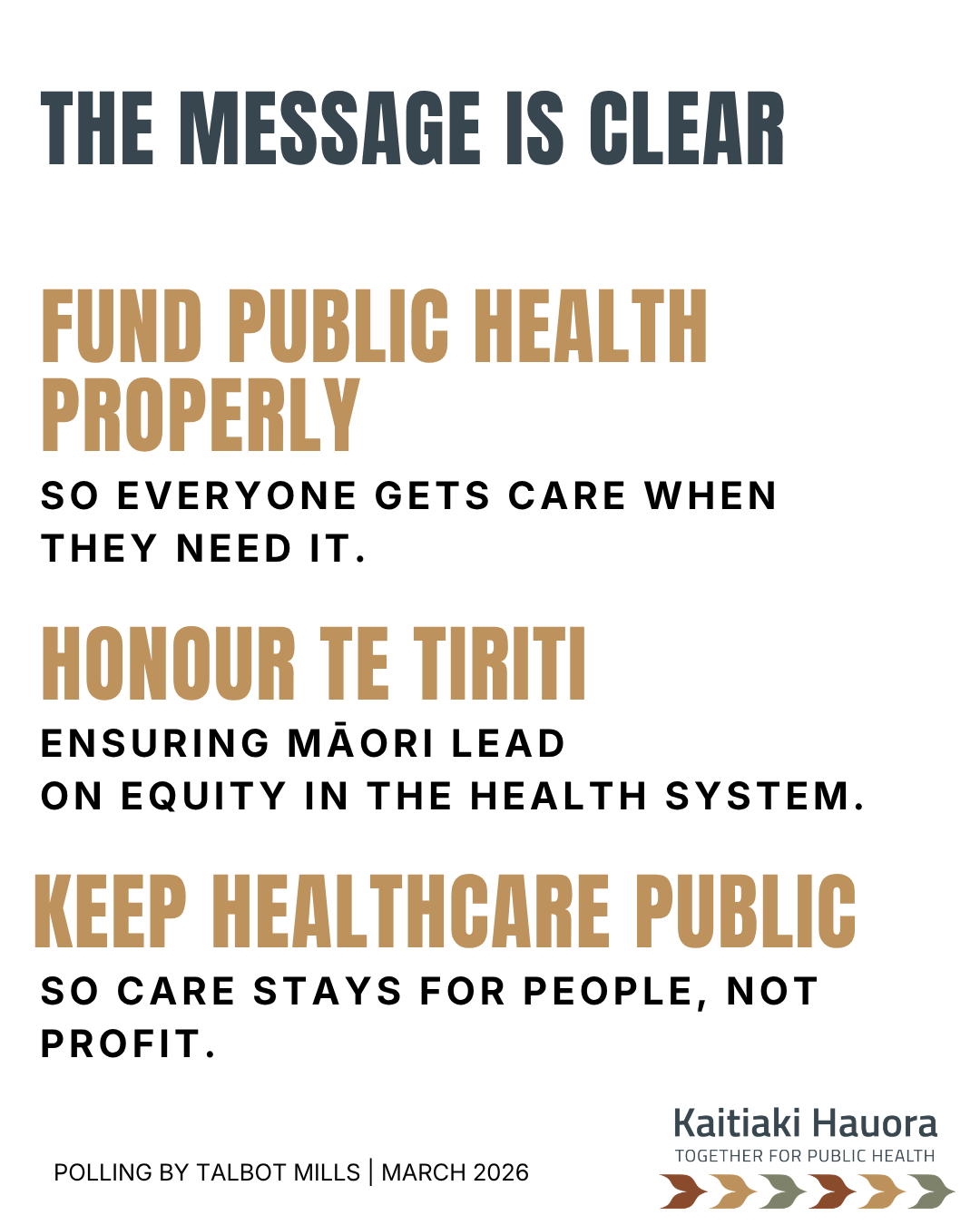
New polling commissioned by major health lobby group, Kaitiaki Hauora involving Iwi Māori Partnership Board representatives shows overwhelming public support for increased investment in our public health system.
The research found that 85 per cent of those surveyed support increasing health funding at least in line with rising costs, wages, and population growth. Four in ten go further, saying funding should increase above inflation to improve services and reduce pressure on the system. Only a small minority support cuts.
The results signal a broad public expectation that the health system must be properly resourced to meet need. Rob Campbell, Chair of Kaitiaki Hauora, says the findings send a clear message that New Zealanders understand the system is under strain and requires urgent and sustained investment.
Alongside this, strong voices from Iwi Māori Partnership Boards are reinforcing that funding alone is not enough without a clear commitment to equity and to the principles of Te Tiriti o Waitangi in how the system is designed and delivered.
Louisa Wall, Chair of the Tūwharetoa Iwi Māori Partnership Board, says Aotearoa is being tested against its global commitment to Universal Health Coverage, advocated by members of the World Health Organisation and United Nations which requires not only access to services, but measurable and equitable outcomes.
She says health is a fundamental human right and warns that focusing only on “equal opportunity” without equal outcomes allows inequity to persist.
Māori, Pacific peoples, disabled people, rural whānau, and low-income families continue to experience higher barriers to care and poorer health outcomes. She says these are not individual failures, but the result of structural design decisions within the health system.
Wall says Te Tiriti o Waitangi must be central to rebuilding accountability in health, with outcomes measured and inequities actively reduced rather than accepted.
She also warns that weakening equity frameworks and underinvestment in public health infrastructure risks deepening long-standing gaps and shifting the system toward greater inequality over time.
The polling and wider commentary together highlight a growing alignment between public expectation and iwi Māori leadership: that Aotearoa’s health system must be properly funded, Te Tiriti-led, and accountable for delivering equitable outcomes in practice, not just in principle.
World Health Day is being marked by Kaitiaki Hauora to highlight the gap between current health funding and what is needed to sustain a fair, accessible, and effective public health system.
Kaitiaki Hauora brings together health workers, patients, unions, and communities with a shared commitment to a publicly funded health system that delivers for all people in Aotearoa, grounded in Te Tiriti o Waitangi and focused on equity of outcomes.
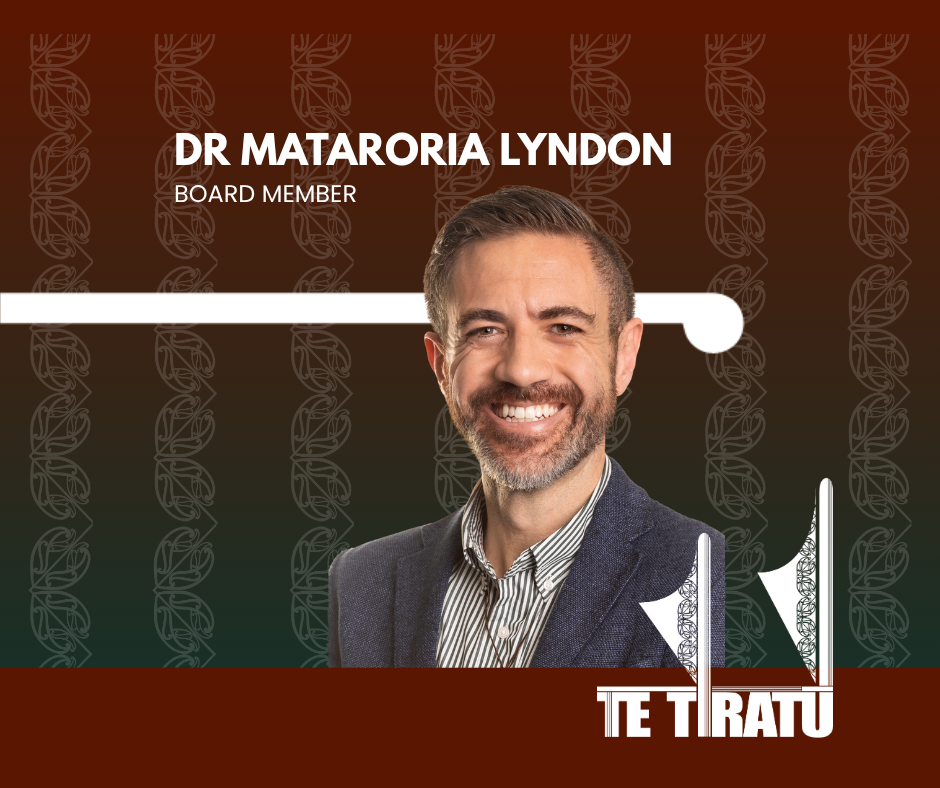
Cultural safety must be owned by the whole system, Medical Council told
Our Board member, clinician and Senior Lecturer in Medical Education at the University of Auckland, Dr Mataroria Lyndon says new draft guidance from the Medical Council of New Zealand is an important step forward for the health system, but it must go further to truly deliver for whānau.
In his submission filed today responding to the Council’s work on cultural competence, cultural safety, and hauora Māori, he described it as timely and a clear signal of commitment to improving equity and strengthening expectations for culturally safe medical practice.
He says the Council should be commended for advancing this work while also noting there is a significant opportunity to more fully express what cultural safety means in Aotearoa and why it matters.
Cultural safety must go further
Cultural safety was developed in this country as a response to inequity and to address racism, bias, and power imbalances in the health system. Dr Lyndon believes it must remain grounded in Te Tiriti o Waitangi, equity, and the redistribution of power. Without that depth, there is a risk it becomes reduced to a technical competency rather than the transformative framework it was intended to be.
He explains that cultural competence and cultural safety are not the same. Cultural competence is about the skills and knowledge of a clinician, while cultural safety is defined by the experience of patients and whānau. That means only whānau can determine whether care felt safe. The shift is not just about improving behaviour but about changing relationships and power so people feel respected, heard, and able to participate in decisions about their own care.
Dr Lyndon also points to new guidance from the Nursing Council of New Zealand, saying it is more progressive in how it clearly names racism, centres equity, and grounds cultural safety in Te Tiriti. He says this shows what is possible and provides a strong foundation for alignment across the health sector.
A key concern raised in his submission is that the current draft focuses too heavily on individual clinicians. While self-reflection and awareness are important, they are not enough to address deeper drivers of inequity such as institutional bias and system level barriers. Dr Lyndon says cultural safety must be owned by the whole system including organisations and leadership, not just individuals.
What this means for whānau
He also calls for stronger accountability so cultural safety is not only reflected on by practitioners, but a measurement of whānau experience and health outcomes. What matters most is whether people feel safe and whether equity is improving.
On hauora Māori, Dr Lyndon supports the draft statement and says it appropriately centres Māori health, acknowledges colonisation, and recognises the right to equity and self-determination. He also sees an opportunity to strengthen the focus on Māori led solutions, system accountability, and whānau centred care that looks beyond immediate treatment to long term and intergenerational wellbeing.
For whānau, this work is about being able to access care without fear, being listened to, and having their knowledge and lived experience valued. Dr Lyndon says the direction is right and the intent is strong, but this is a moment to go further so Aotearoa can build a health system that truly delivers for Māori and for all whānau.
Taking a stand on vaping – Protect our rangatahi
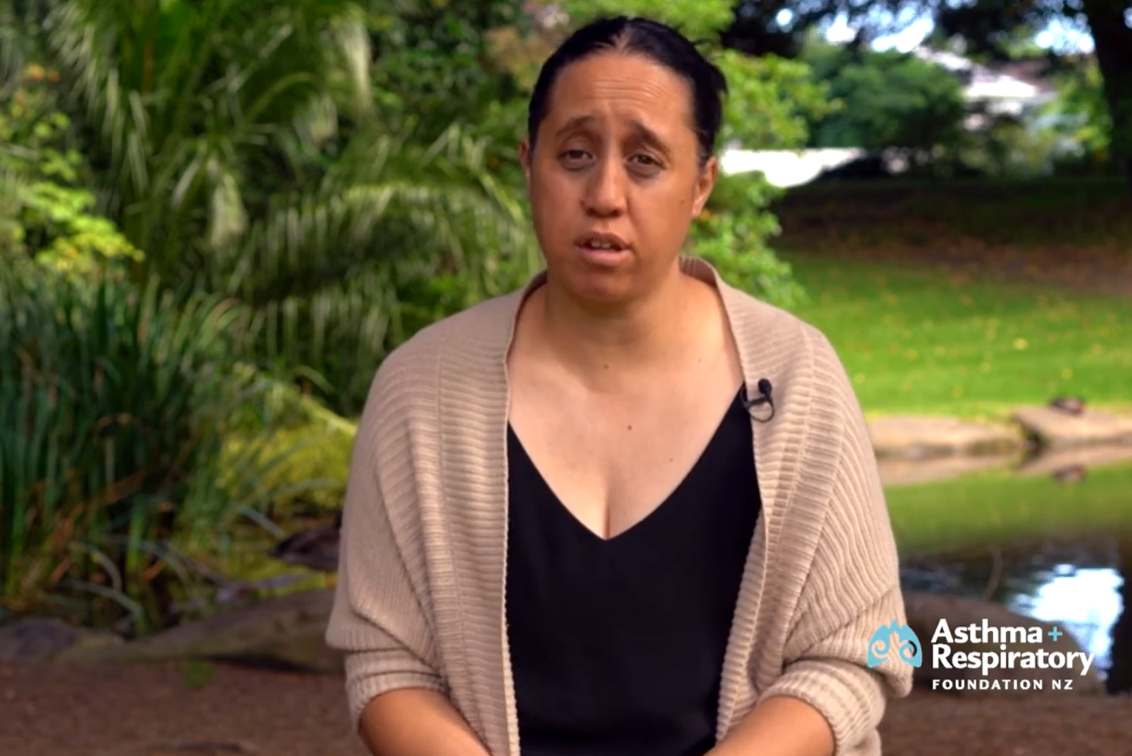
Vaping is an issue that is affecting too many rangatahi across Aotearoa.
Our priority is the health and wellbeing of whānau, and that includes protecting tamariki and rangatahi from preventable harm. We know that the best outcome for respiratory health is to live both smokefree and vapefree, and we fully support the position of the Asthma and Respiratory Foundation NZ on this.
While vaping, alongside strong quit-smoking support, may help some people stop using tobacco, the current environment is not striking the right balance, and far too many young people are being exposed to and taking up vaping. This is not acceptable, and our hapori are already seeing the consequences.
We recognise that vaping can play a role as a quit-smoking tool when combined with wraparound support, and we understand the Ministry of Health’s challenge in balancing access for adults who want to quit tobacco with the need to protect rangatahi and non-smokers. But that balance is currently off, and the health of our rangatahi is at risk.
Te Tiratū IMPB supports stronger regulation to reduce harm and protect future generations. We back calls to reduce maximum nicotine concentrations to 20mg/ml, in line with international best practice, to lower the risk of addiction. We support stronger enforcement of existing rules so that rangatahi cannot easily access vaping products, with meaningful penalties for those who break the law.
We also call for limiting the number and location of vape retailers, keeping them away from schools and kura, and closing loopholes that allow dairies and convenience stores to operate as specialist vaping retailers.
We welcome recent Government proposals to tighten restrictions, but more needs to be done, and done urgently. Our communities have already experienced the harms of widely available addictive products, and we cannot allow vaping to follow the same path.
Te Tiratū IMPB stands with the Asthma and Respiratory Foundation in calling for decisive action that prioritises rangatahi, strengthens whānau wellbeing, and creates a truly smokefree and vapefree future.
We will continue to advocate for policies that protect Māori health and equity, support evidence-based approaches to smoking cessation, amplify the voices of whānau and communities, and work alongside partners to reduce harm and improve outcomes. A smokefree, vapefree future is possible, but it requires urgent action now to protect those most at risk.
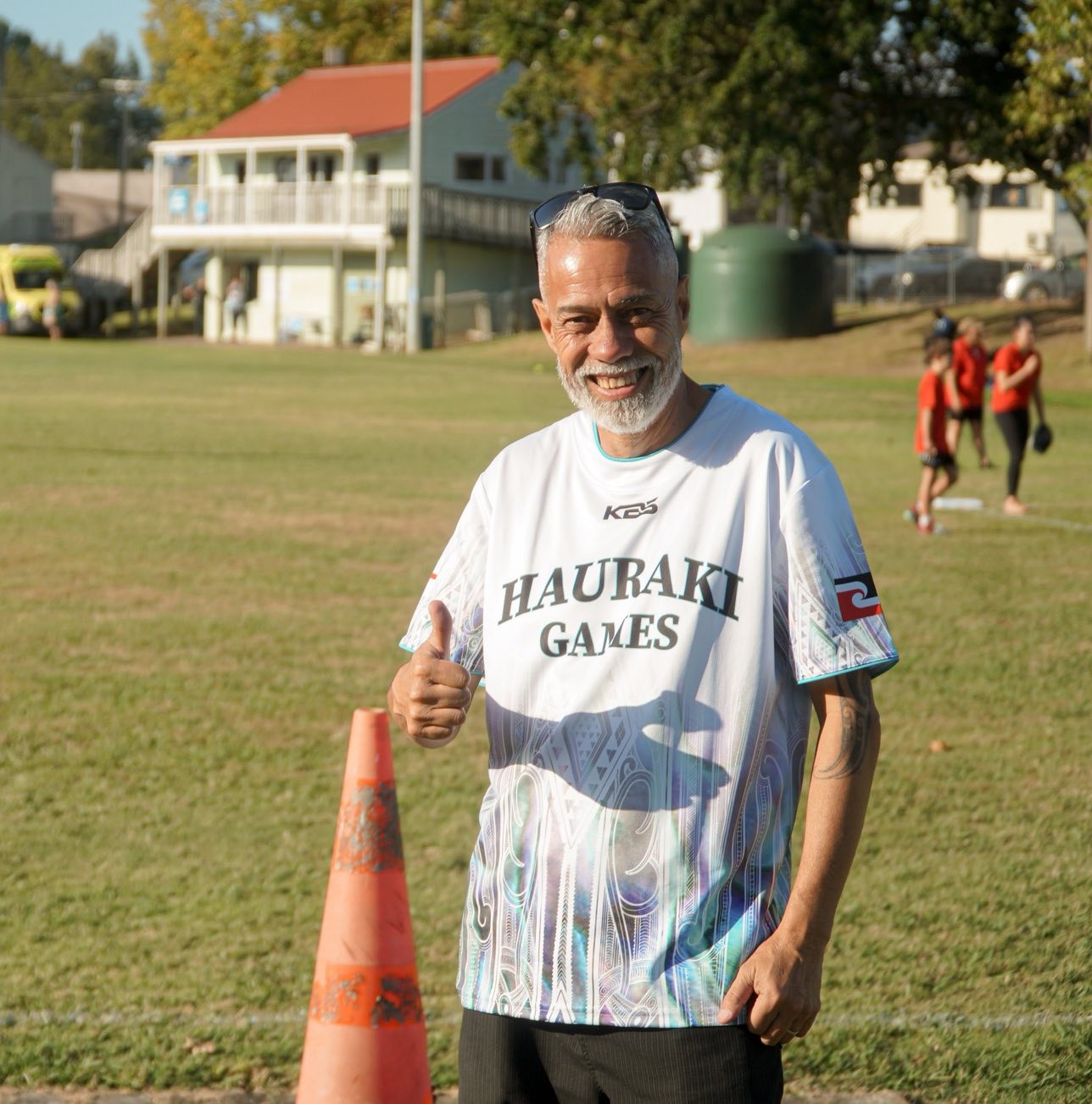
Paeroa plays - First Hauraki Games since COVID
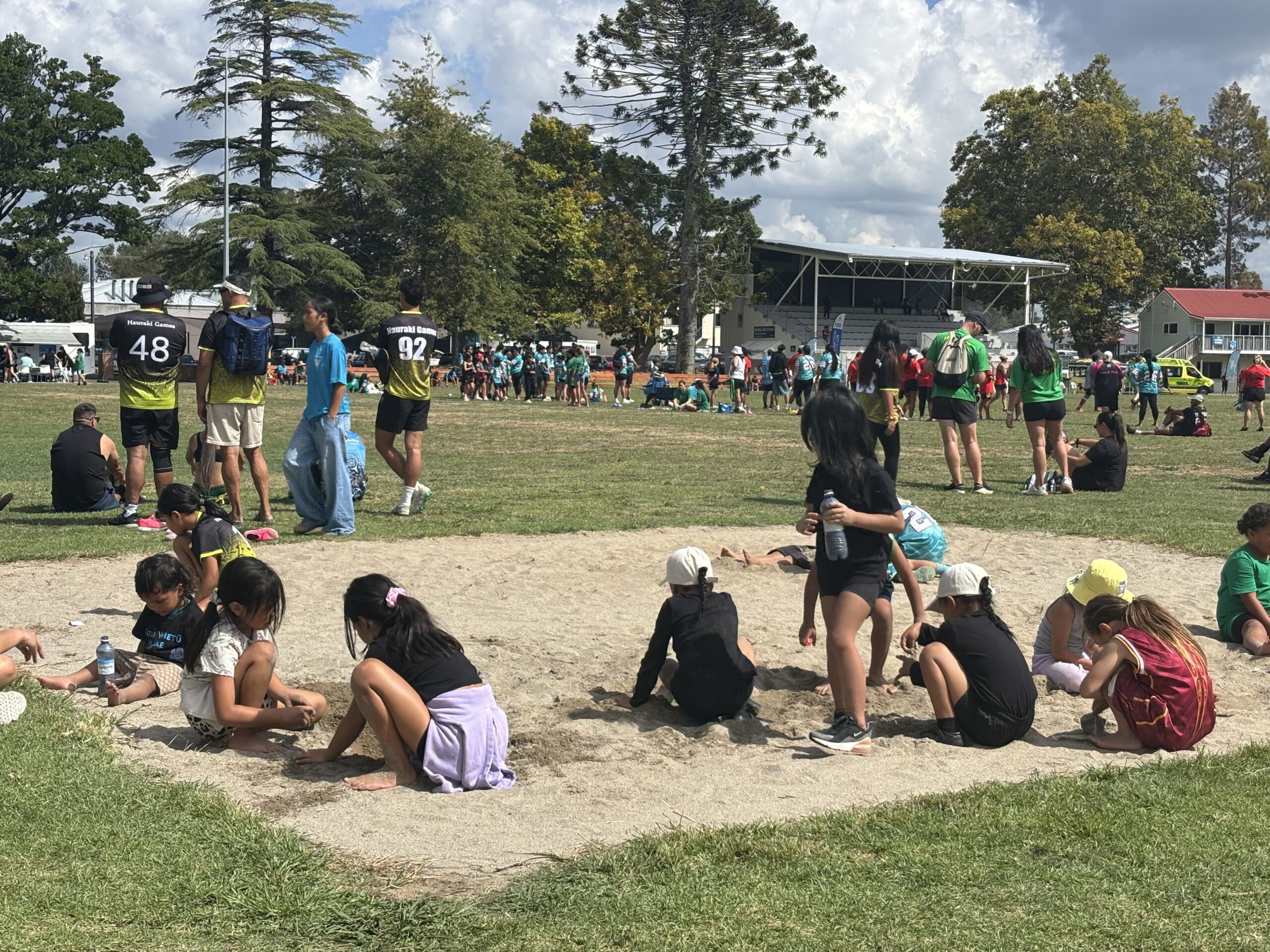
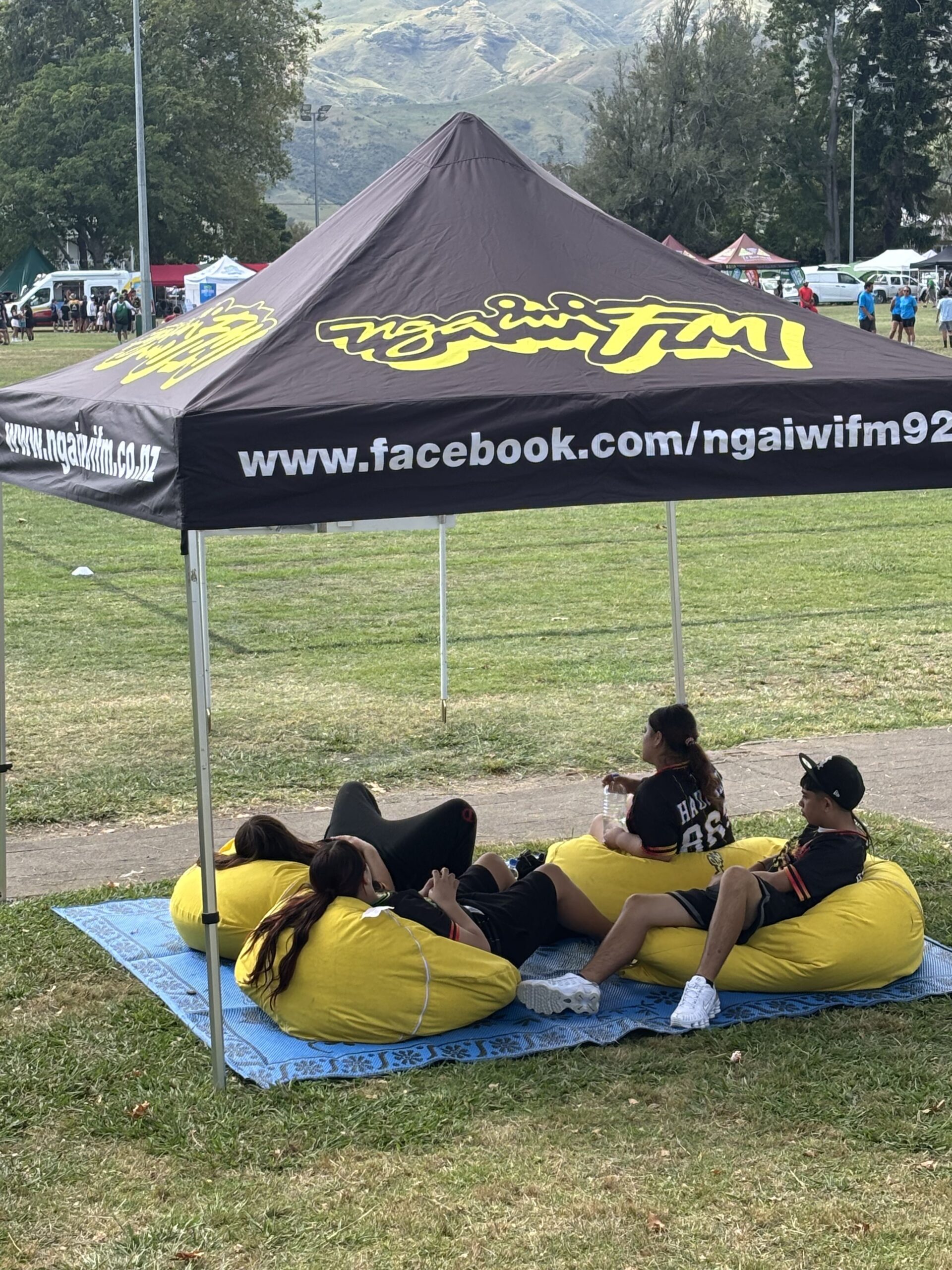
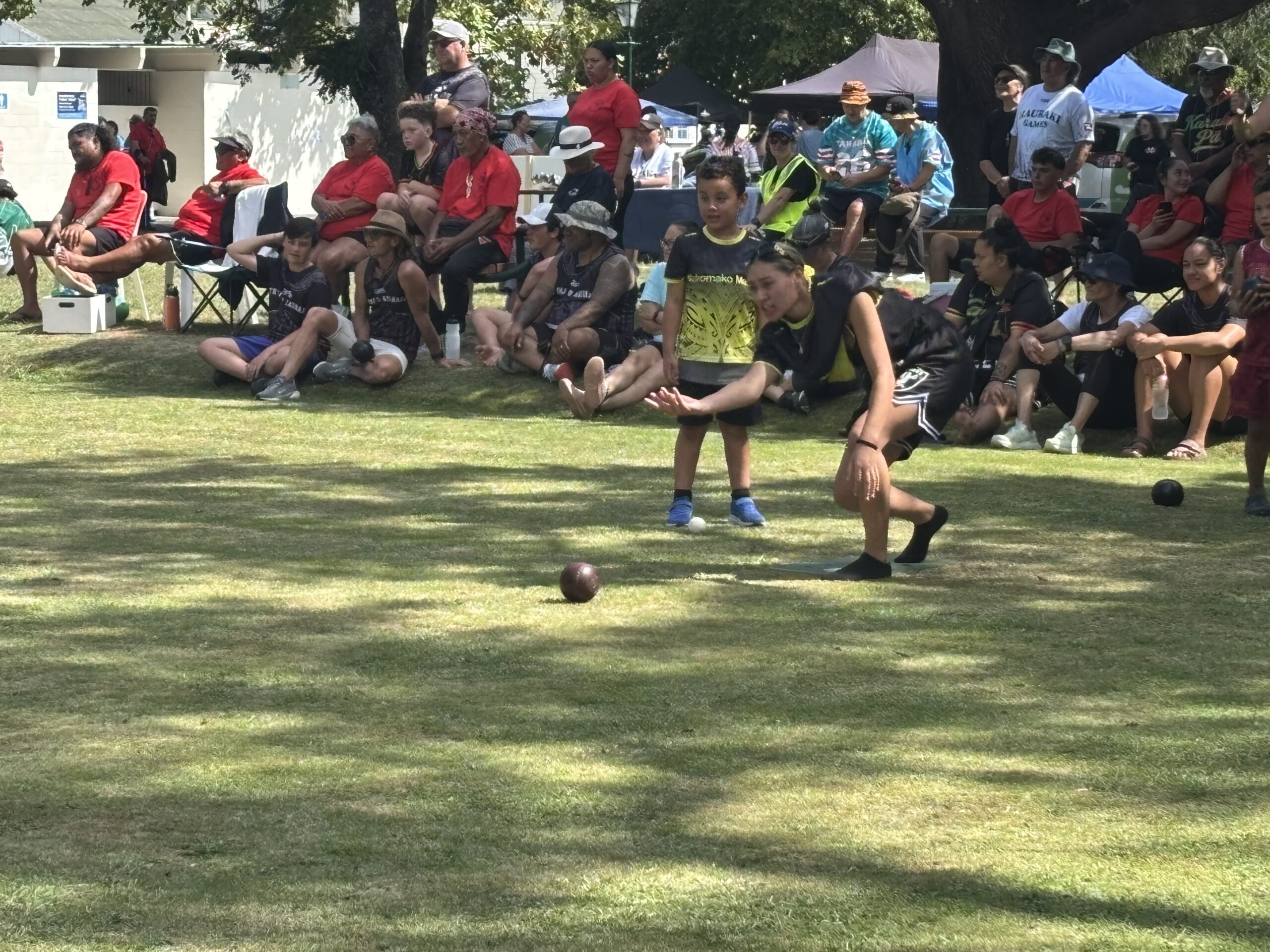
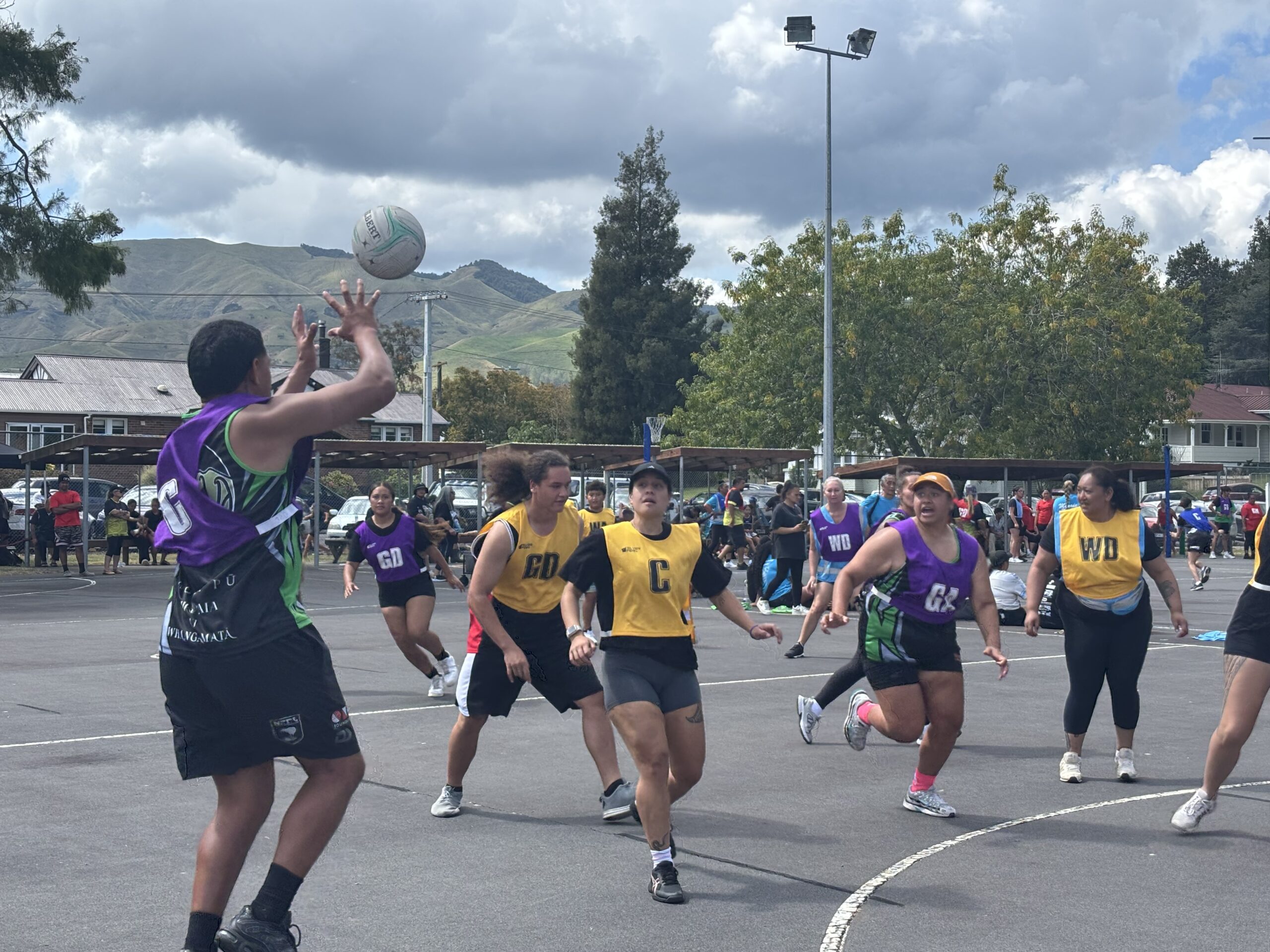
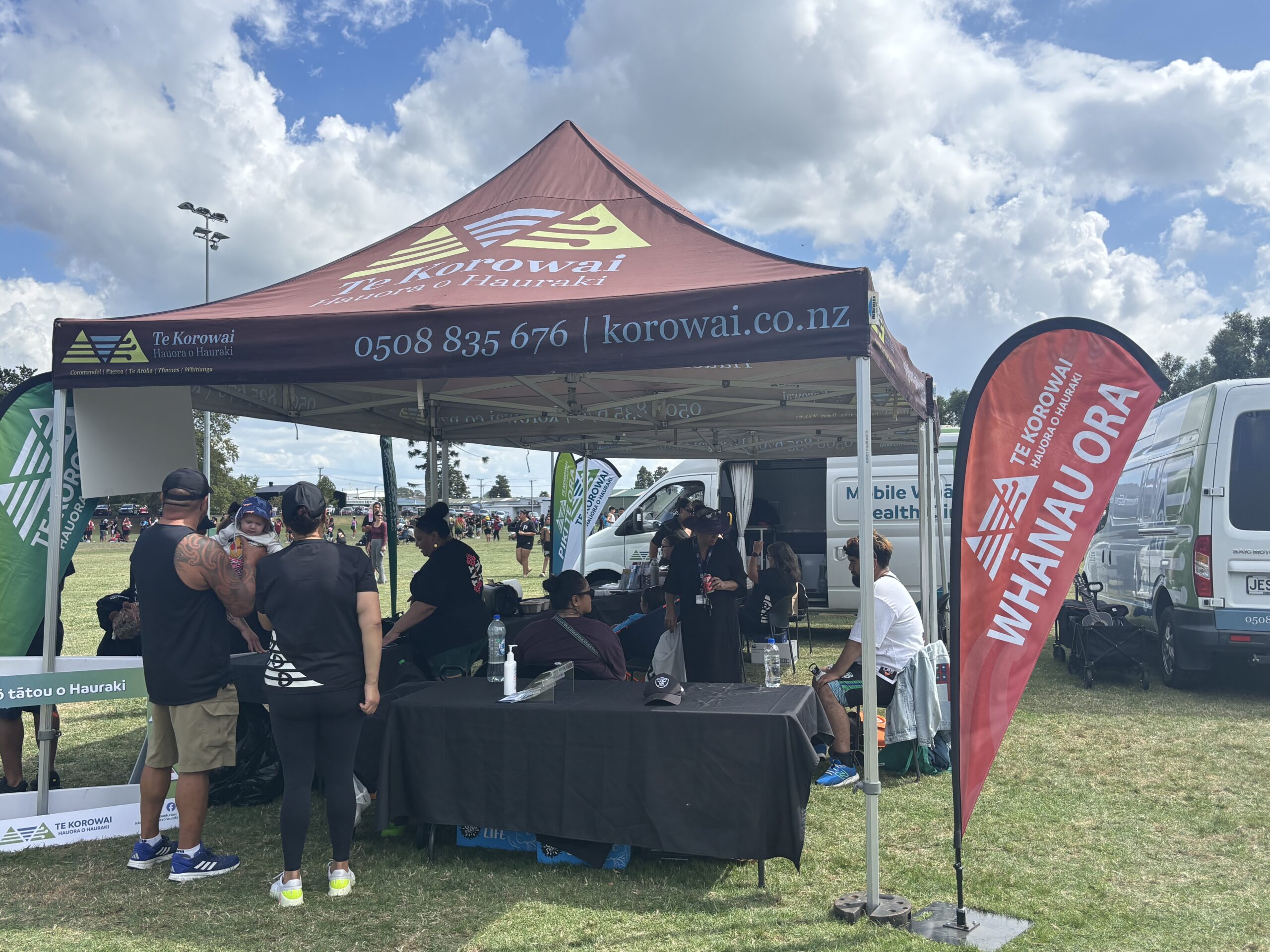
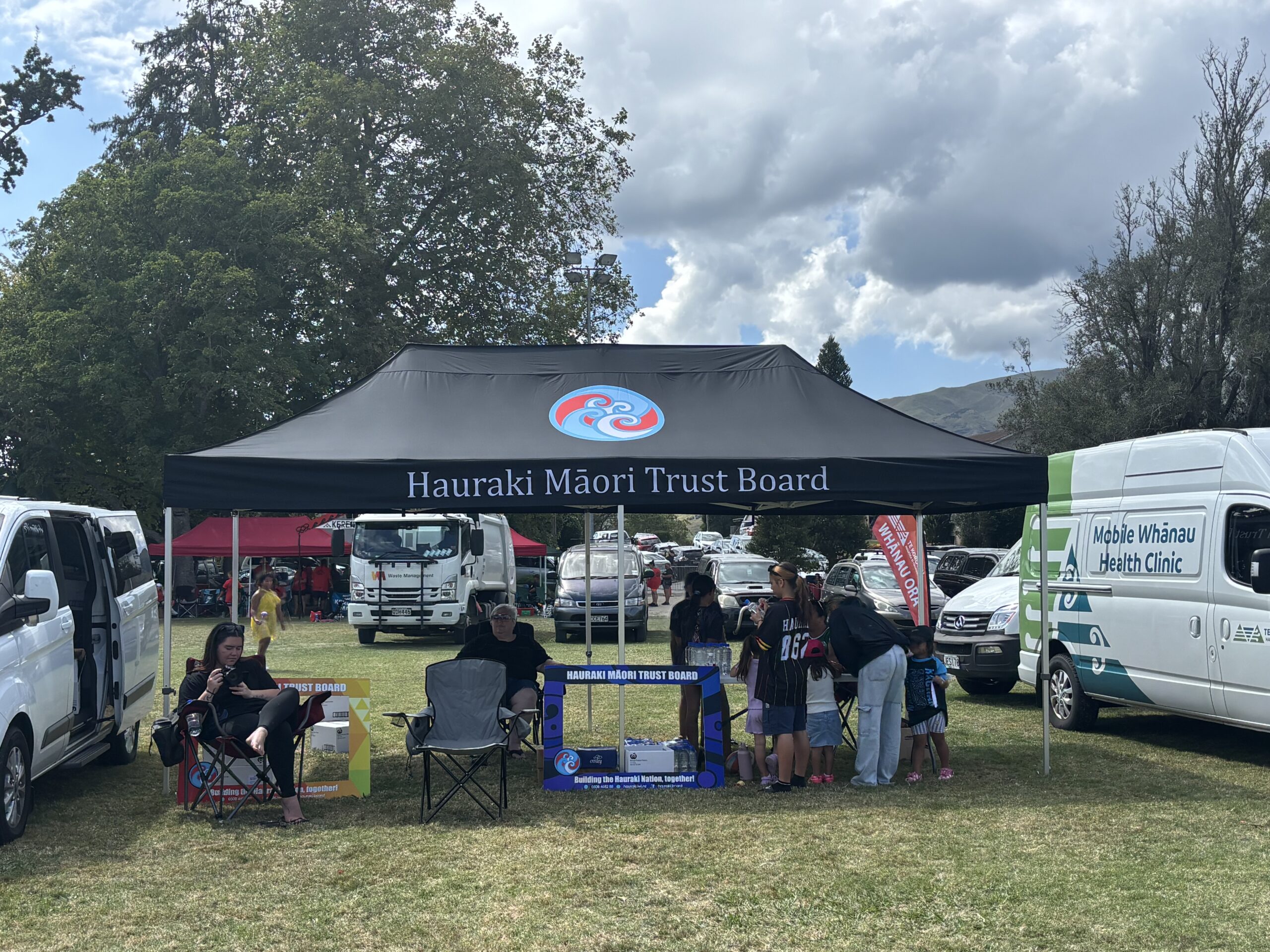
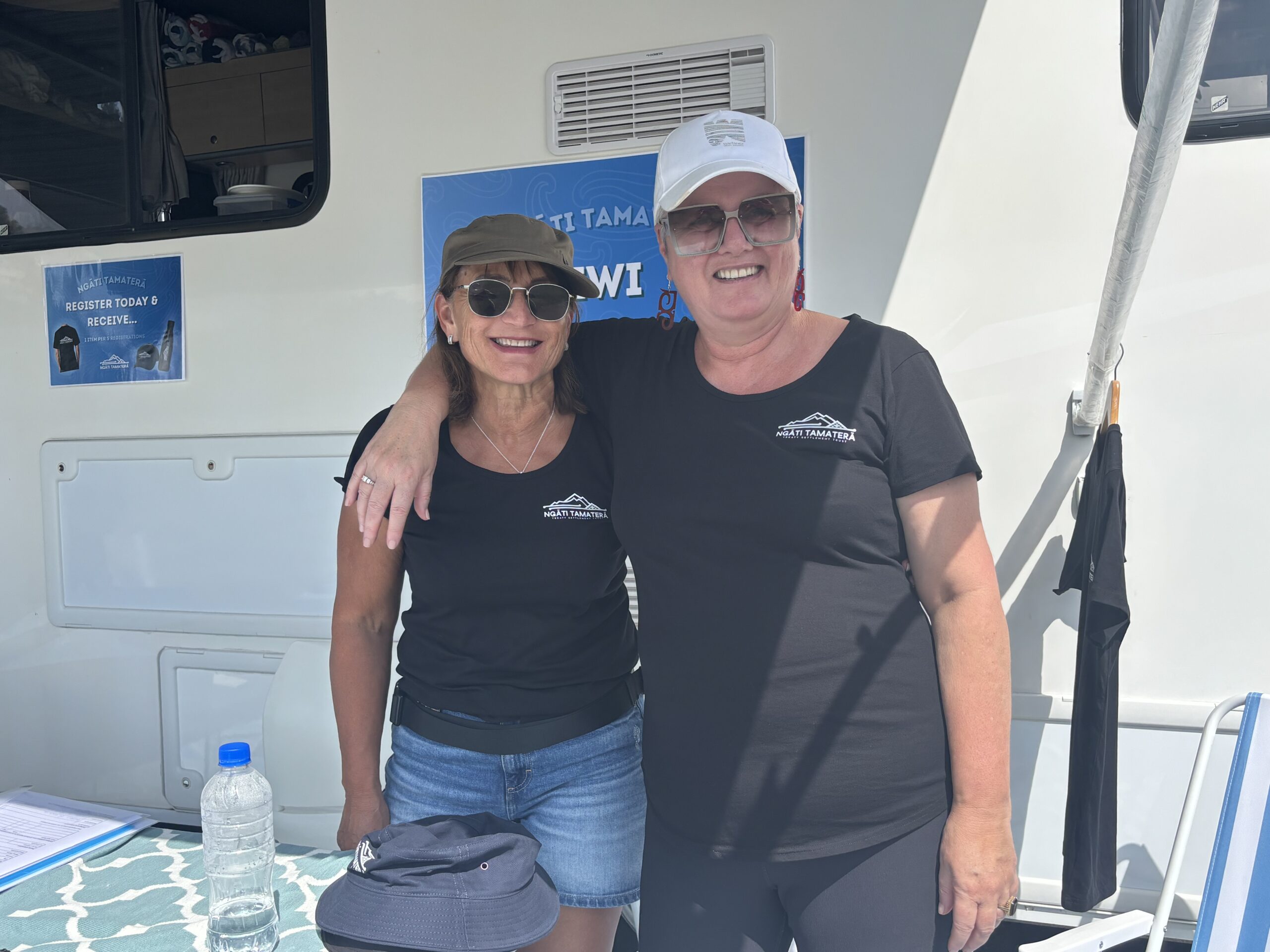
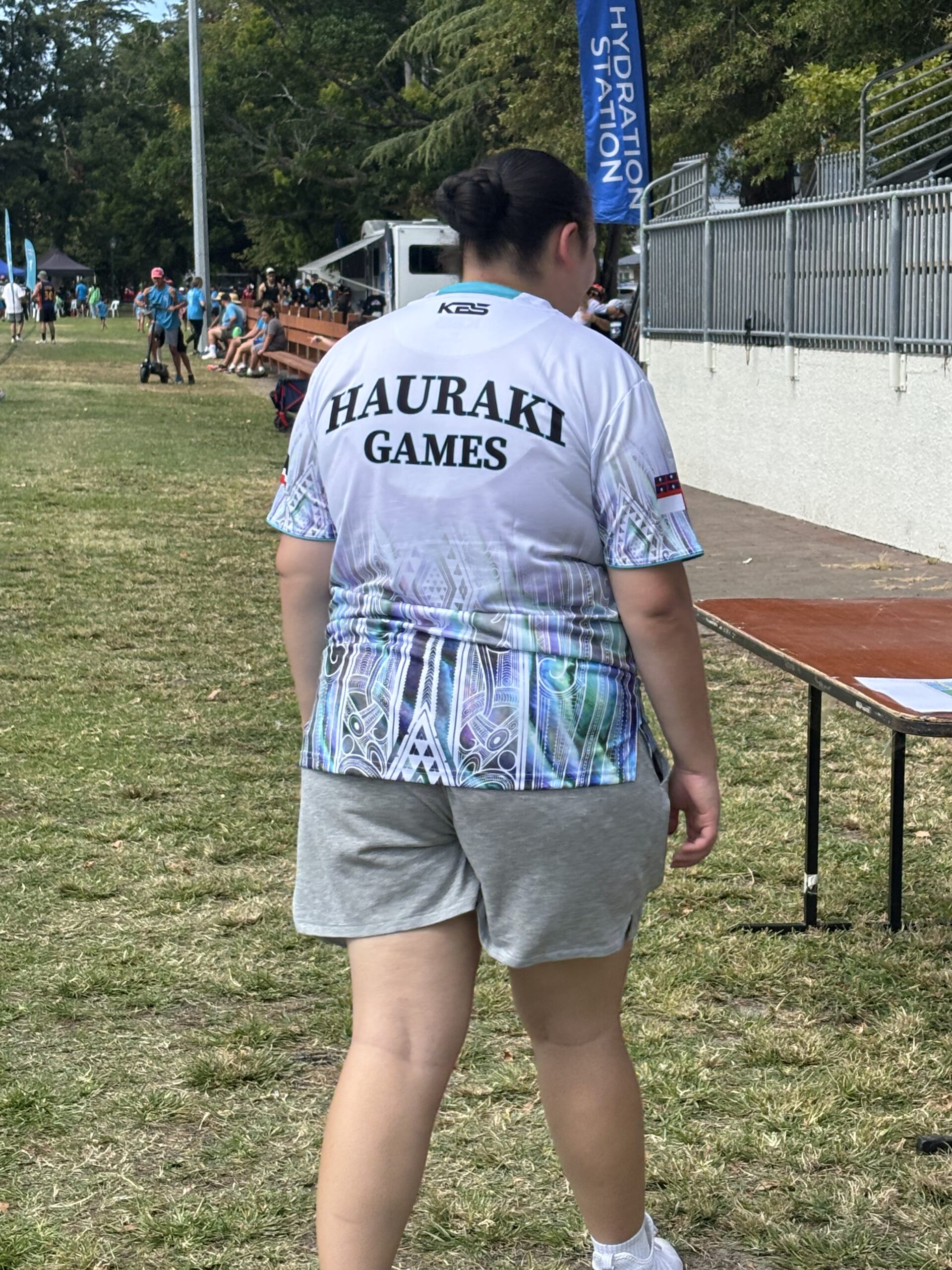
For the first time since COVID the Hauraki Games have returned to Paeroa, bringing together over 2,500 whānau from 20 marae at Te Puru o Te Rangi.
Rangatahi and tamariki played alongside kaumātua, enjoying netball, touch, lawn bowls, tug-of-war, and euchre, in a day alive with energy, laughter, and whanaungatanga.
Events like this reflect what our Te Tiratū IMPB Hauora Māori Priorities Summary Report says.
That whānau want to exercise Mana Motuhake in Hauora and have the space to follow their self-determined pathways to what positive health and wellbeing outcomes are, supported by their community.
This aligns directly with our advocacy about equity and culturally-led approaches to hauora Māori, ensuring our hapori have the resources, access, and decision-making power to thrive.
Our Hauora Māori Priorities Summary Report highlights the importance of solutions shaped with whānau, honouring their knowledge, experiences, and aspirations.
The Hauraki Games were much more than a sports day.
They were a space for whānau to lead their own wellbeing, strengthen connections, celebrate identity and pride, and enjoy intergenerational participation. It was a chance to pause from the business of the world especially during these times of war in the Middle East and focus on what really matters – oranga, whakawhanaungatanga and manaakitanga.
Te Kūiti whānau want to grow hauora solutions already working
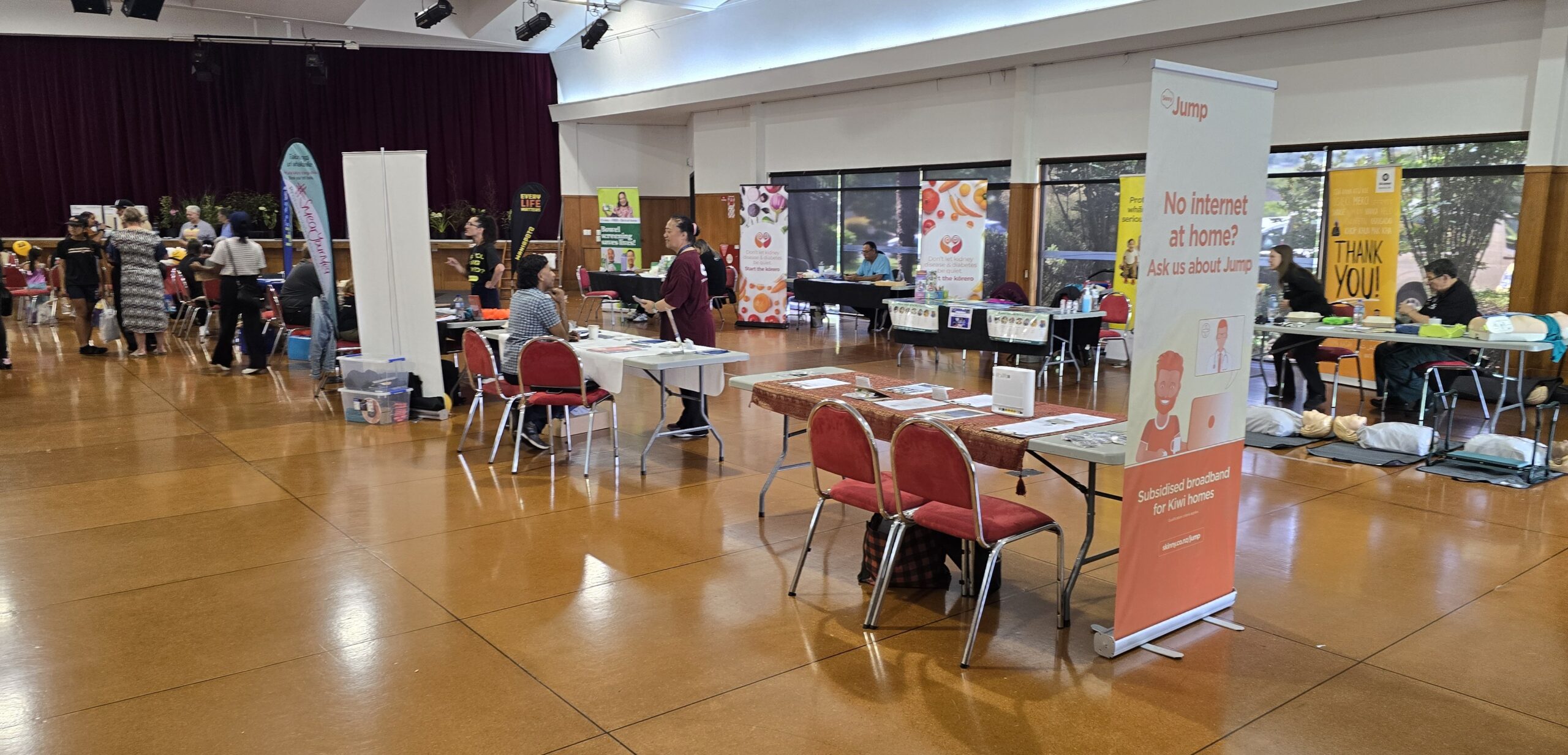
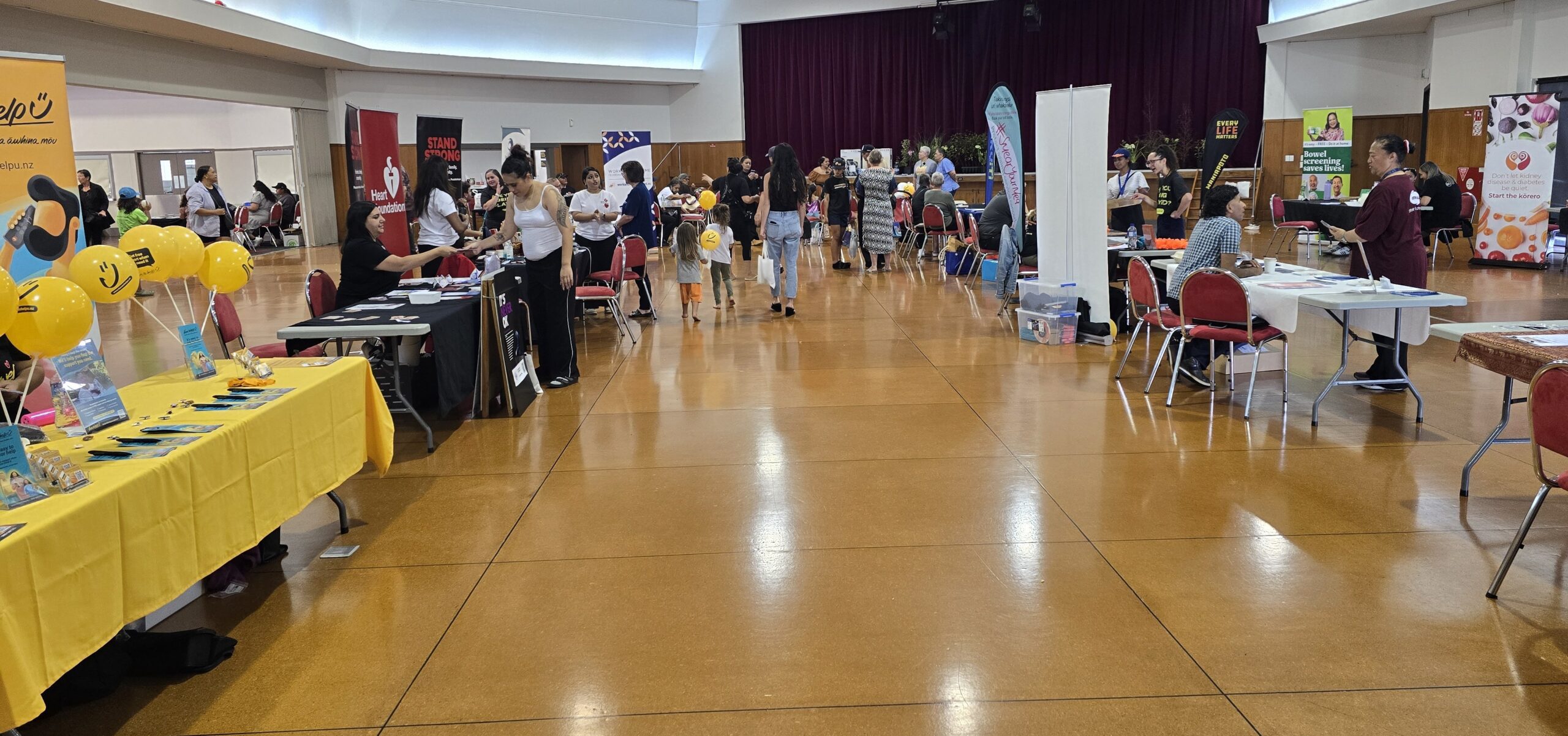
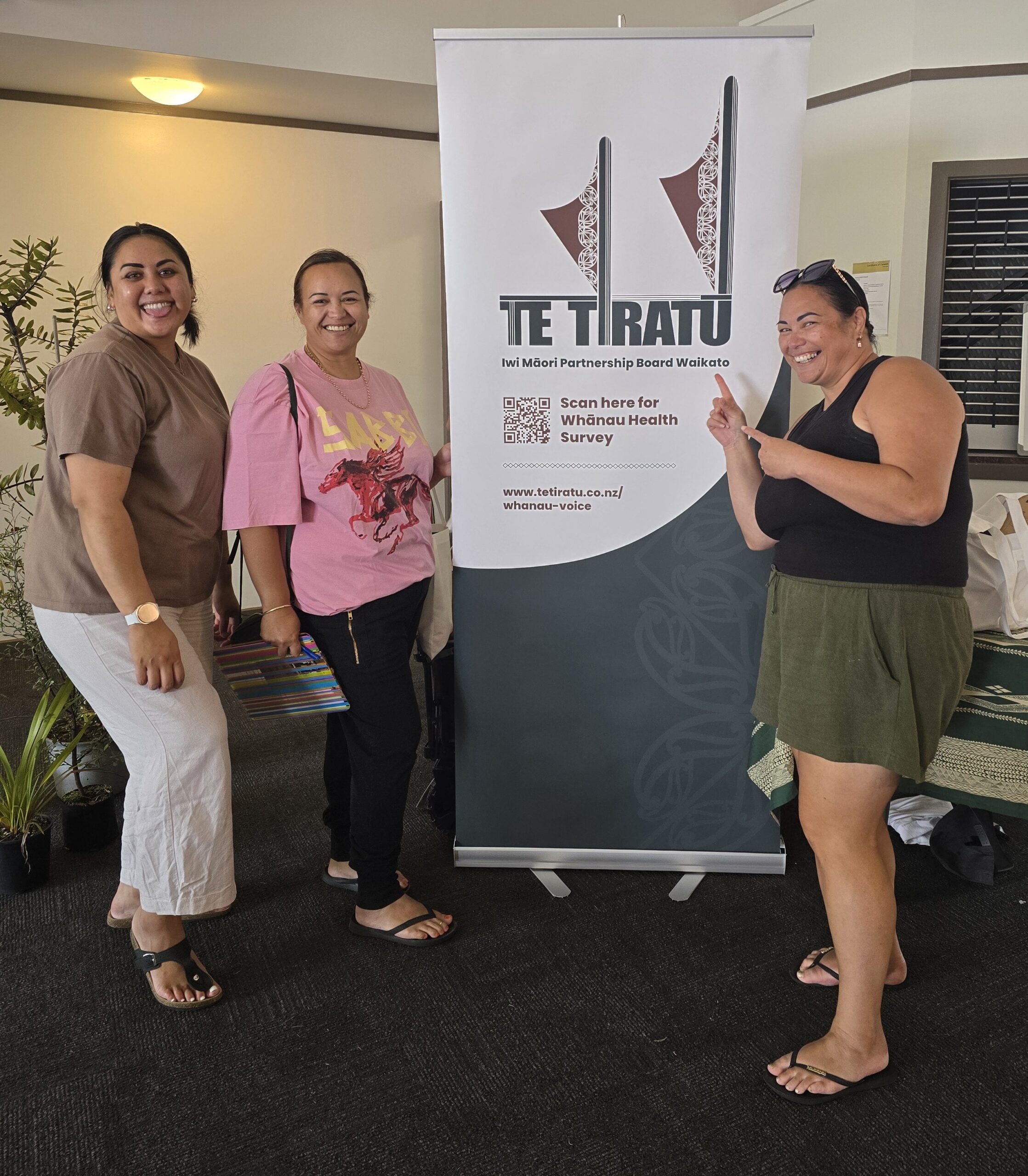
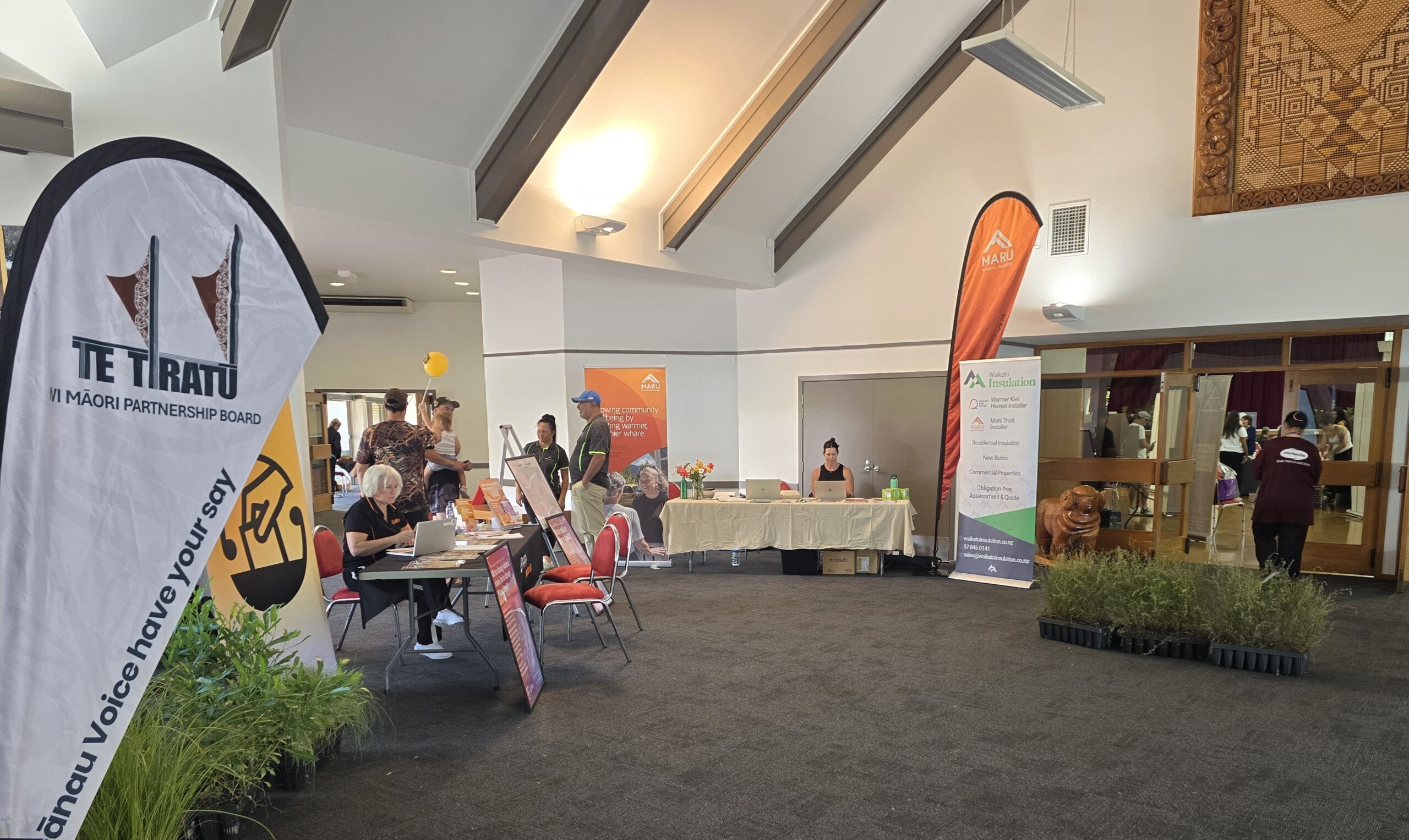
Whānau at the Hauora Day at the Les Munro Centre in Te Kūiti spoke openly about the everyday challenges they face, from the cost of petrol and healthy kai to limited support for rangatahi and tamariki dental care. Even with these pressures, they highlighted solutions already working, demonstrating how they exercise mana motuhake, kaitiakitanga, and manaakitanga.
One of the strongest solutions already in place was whānau supporting each other day to day. In homes where Type 2 Diabetes is common, some are managing it collectively, cooking together, sharing kai, supporting medication routines and keeping each other well.
Accessible and affordable local services are making a difference for many whānau. Some shared they could get appointments quickly and at low cost, showing that when services are responsive and trusted, whānau will use them.
Whānau stepping up to support others is another strength already working in the community. One tane took things into his own hands and started doing it all himself, because he felt like he couldn’t trust the system. He became a volunteer to help navigate others through the journey. Now he walks alongside others, helping them understand the system and what to expect.
Outreach services that already serve surrounding areas are valued by whānau. For example, foot care services travelling to places like Maniaiti / Benneydale were seen as helpful and something that could be built on.
At the same time, whānau were clear about where these solutions need to grow.
Whānau called for more services closer to home, especially for mental health and addiction, so support is available earlier and not only in times of crisis. For rangatahi, services need to feel safe and accessible, with options that allow for privacy. Outreach, online support and services outside the immediate area were all identified as ways to build on what is already working.
Access to care remains uneven. A big one for Mama’s was oral health. They told us how hard it is for tamariki to get into oral health services; the mobile dental bus is not enough. Whānau want to see more consistent dental services, more health workers across the region and visiting specialists like podiatry and pain support to reduce the need for travel.
Transport and cost continue to shape whether whānau can access care. Building on existing supports, whānau said more help with petrol, more transport options and more local delivery of services would make a significant difference.
Whānau also highlighted the importance of strengthening what they already do. Support for healthy kai, services that work alongside whānau routines and approaches that recognise collective care were all seen as ways to build on existing strengths.
For kaumātua, the focus remains on maintaining independence. Improving access to mobility support, transport and social connection would strengthen what is already helping kaumātua stay well.
Housing also sits at the centre of hauora. Warm, dry homes and the ability to afford heating were identified as essential foundations that would support all other health gains.
Across the day, 27 Whānau Voice surveys were completed, but it was the kōrero behind them that mattered most. Whānau shared not only the challenges they face, but the solutions they are already living every day.
The hauora day in Te Kūiti showed a community that is not starting from zero. The foundations are already there. What whānau are asking for now is the support to grow what is already working.
Iwi Chairs & IMPBs unite to map a hauora ‘manifesto’
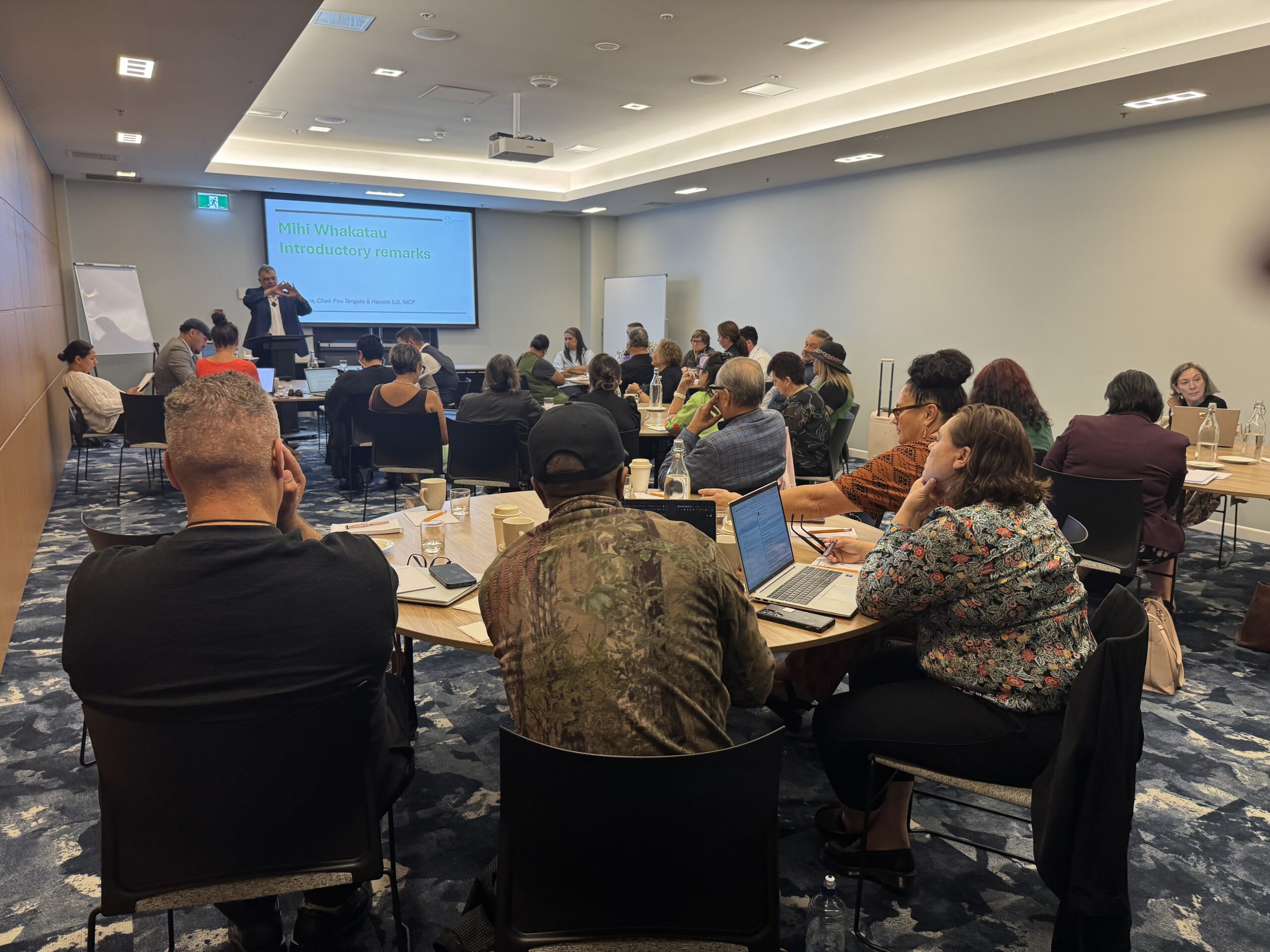
Today rangatira from across Aotearoa came together, gathering from the National Iwi Chairs Forum, Hauora Iwi Leaders Group, and Iwi Māori Partnership Boards.
They met with one purpose in mind. To kōrero, share, and map a path forward for Hauora that truly puts whānau at the centre.
The hui invitation came from Hauora ILG leaders Kahurangi Dame Naida Glavish, Rahui Papa, and Tereki Stewart, and guided by Janell Dymus-Kurei, whose knowledge from Pou Tangata and the Matike Mai working groups helped bring the ideas into focus. The room hummed with conversation, with each voice weaving into a bigger picture of health, wellbeing, and rangatiratanga.
Rahui Papa opened the hui with a call to work together. “We’re looking forward to solidifying the relationship between IMPB and ILG and align perspectives, so we create definitive action points together like a hitchhiker’s guide to Hauora strategy,” he said. There was a sense that something important was beginning.
Throughout the day, leaders explored how iwi, Hauora ILG, IMPBs, Hauora Māori Advisory Committee, and commissioning agencies could walk side by side, working in ways that make services easier to access, stronger, and more culturally safe for whānau.
Māori-led initiatives like the Taakiri Tuu wellness and diagnostic centre in Kirikiriroa sparked conversation on devolution, showing what is possible when communities lead, care is delivered locally, and whānau are respected in every decision.
The hui also turned to deeper discussions. Why IMPBs need statutory authority and stable funding, how the te Tiriti o Waitangi relationship with the Crown sits firmly with iwi, and why Māori governance over health data matters for protecting whānau outcomes.
Speaking with one voice across the system makes sense, so does creating a Manifesto to present clear and coherent positions to government, and working together so every decision strengthens equity, trust, and wellbeing.
Janell reminded everyone that these were early ideas, a beginning rather than an end. The Manifesto will grow and change as the journey continues, shaped by shared insights and careful kōrero.
The next steps have been agreed. To finalise a joint statement by the end of April, continue working on commissioning and service delivery, and support IMPBs with leadership, resourcing, and capacity to ensure whānau remain at the heart of Hauora.
As the hui came to a close, a sense of hope and momentum filled the room. This was more than just a meeting; it was a clear signal of ‘doey’ – a shared commitment from everyone to come together and take action.
Tokoroa whānau speak up at Hauora Day
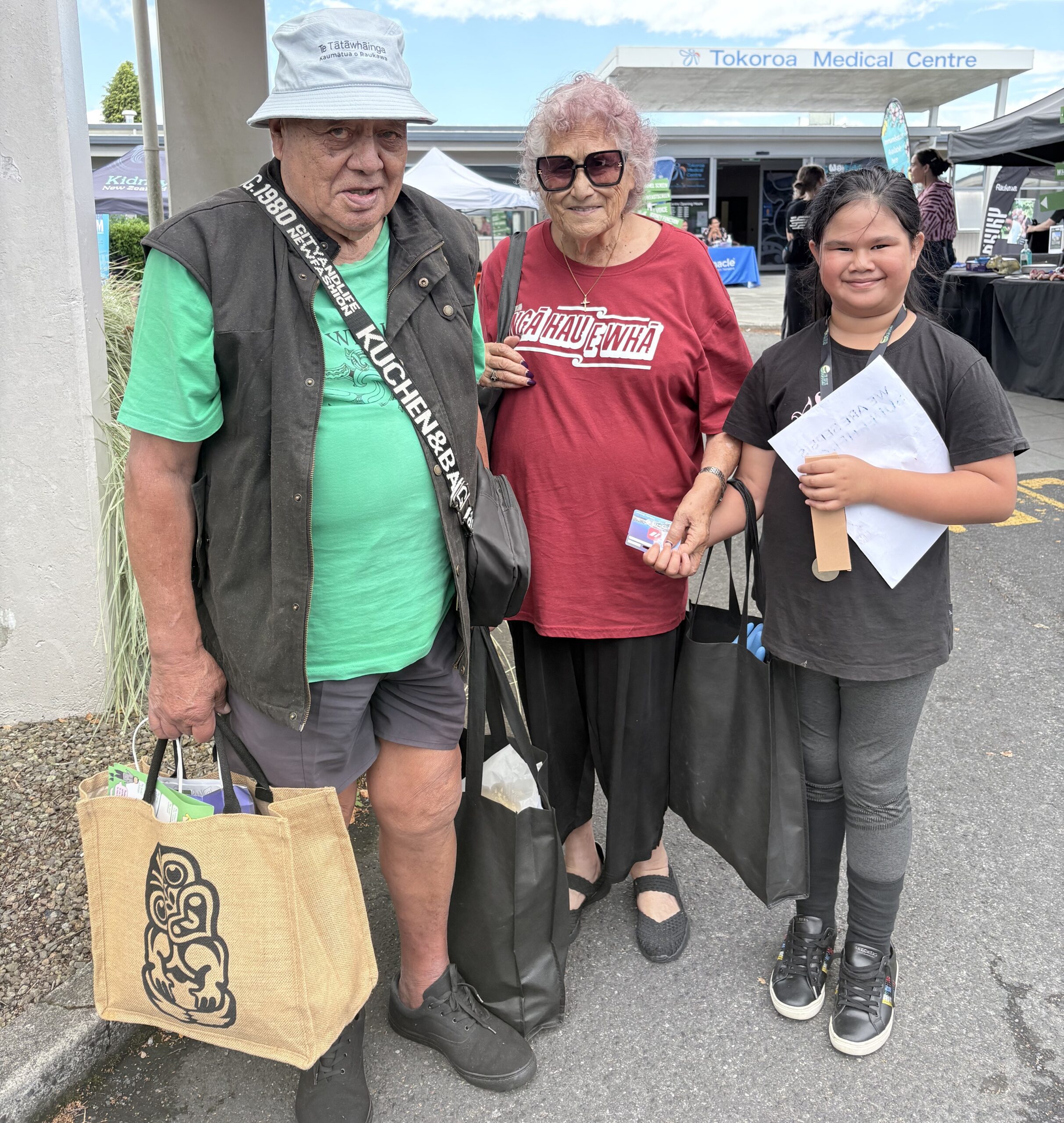
Whānau in Tokoroa came together for the Hauora Day at Tokoroa Hospital organised by South Waikato Community Services. The event brought together health providers, clinicians, community organisations, locals, and the Te Tiratū Whānau Voice team, offering a wide range of health, wellbeing, and support services for all ages.
Our kaimahi completed a dozen surveys and had countless conversations with whānau that revealed common concerns, including diabetes, respiratory conditions like asthma, mental health challenges, and addiction.
Many whānau appreciated the presence of nurses at the event, who offered advice, education, and quick checks for blood pressure, diabetes, and cardiovascular risks. Skin lesion checks and general surgery advice were also available, alongside children’s vision and hearing screenings, oral health checks, cervical and HPV screening, breast and bowel screening guidance, and pre-school health assessments.
Several whānau highlighted that sitting down with health professionals helped them better understand their conditions and the guidance they receive. Health promoters were also on hand to provide education and prevention support. Free information on immunisations, Well Child Tamariki Ora services, and whānau education programmes supported families in navigating care.
Access to GP appointments was generally possible for urgent needs, but standard appointments often involved waits of around two weeks. Some whānau said they resorted to Accident and Emergency when earlier care was unavailable.
Advocacy from nurses such as liaising with GPs or helping prepare for appointments was seen as vital. Whānau noted the importance of having family members who understand the health system or can help interpret medical advice, particularly when travelling to Waikato Hospital added stress and cost.
Access to affordable, healthy kai was also raised as an ongoing challenge for some families.
Mental health services were mentioned by a small number of whānau who had lived experience of the system. They spoke about long waits to see a psychologist and the difficulty of finding clear information about available support. There was also interest in kaupapa Māori mental health services and culturally grounded responses.
Rangatahi wellbeing was a recurring topic. Whānau voiced a desire for more youth programmes and activities, expressing concern over vape and gambling outlets and their impact on young people. Other concerns raised included communication between schools and families about health risks.
One parent described frustration when there had been a delay in communication after a person with COVID-19 had been on a school bus, which was particularly concerning because their child was immunocompromised.
Community safety was also mentioned, including concerns about parking and pedestrian crossings around a local primary school.
Employment opportunities were another topic raised in conversations with the Te Tiratū team. Some people were concerned that overseas companies were bringing in workers from other countries while employment remains a challenge for some local residents.
A small number of whānau also spoke about experiences of racism in the wider community, although these experiences were not specifically linked to the health system.
Alongside the challenges, whānau also spoke positively about the work of local providers and community organisations. Programmes that support health education, including diabetes education, were appreciated, as were community initiatives focused on wellbeing.
A local kaumātua group was mentioned as an example of a kaupapa that brings older people together through activities and guest speakers. Community food māra kai initiatives were also recognised for helping whānau access healthy food.
Support for the Cancer Lodge was also acknowledged, with whānau noting the importance of having accommodation available for patients and whānau who need to travel for cancer treatment.
The Hauora Day offered a full range of services beyond clinical checks. Parenting, men’s and women’s groups, elder safety and financial harm support, Family Start home-based parenting programmes, healthy homes guidance, driver and truck licensing, apprenticeship and employment pathways, financial literacy, smoking cessation support, transport assistance, and community referrals including the Putāruru shuttle service were all available.
For the Te Tiratū Whānau Voice team, the day was a vital opportunity to hear from whānau directly, ensuring their experiences and priorities inform our ongoing advocacy work to improve health outcomes across the rohe, particularly in Tokoroa where 46.6% of the population has identified as Māori.