
MEDIA STATEMENT
FOR IMMEDIATE RELEASE
Wednesday 11 November 2026, 10:00AM
2 minutes to Read
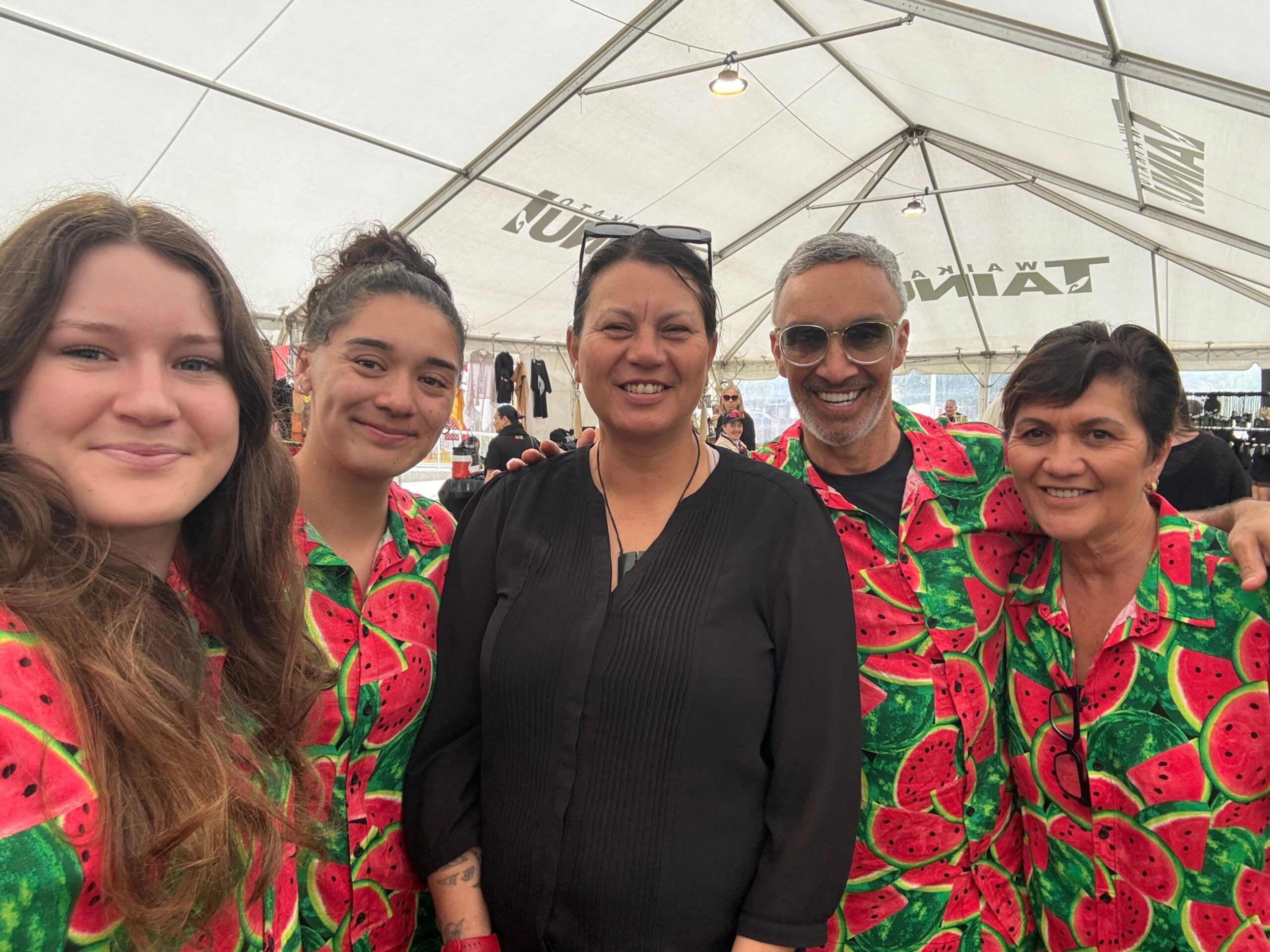
Photo from left to right: Ruby Anderson, Arielle Williams, Judy Wiki Papa a kaiako from Tai Wānanga ki Ruakura Tama Tawhara, Brandi Hudson the Tumu Whakarae of Te Tiratū Iwi Māori Partnership Board with our kaimahi
Listen to us, take our views seriously and give us the space to lead. That’s the message from rangatahi across Aotearoa and Indigenous communities overseas about the future of suicide prevention.
Fifty shared their experiences and aspirations anonymously at a rangatahi dinner at the recent World Indigenous Suicide Prevention Conference (WISPC26), held at Tūrangawaewae Marae in Ngāruawāhia.
In 2025, rangatahi Māori aged 15 to 24 experienced a suspected suicide rate of approximately 24 per 100,000, compared with around 13 per 100,000 for non-Māori in the same age group.
Te Tiratū Iwi Māori Partnership Board says the messages closely reflect what Waikato rangatahi have been telling its Kia Tū Rangatahi Māori Hauora Leadership Programme.
“These rangatahi have never met the ones we work with in our local high schools, yet they’re raising the same issues and calling for the same things. When young people from different places arrive at the same message, it tells us this is not an isolated issue. It’s a pattern we need to act on,” says Te Tiratū Tumu Whakarae Brandi Hudson.
Asked what life looks like for them now, rangatahi described living in survival mode, the rising cost of living and a lack of health services in their rural communities. Some spoke about carrying the effects of generational trauma and feeling the pressure to break the cycle. Others raised anxiety, racism and the impact of social media beauty standards.
They were equally clear about what helps them thrive. Noho marae, whakapapa, whānau connections and creativity featured strongly, alongside rangatahi-led and iwi-led kaupapa Māori services. They also emphasised the importance of safe, consistent adults who show up and stay alongside them.
But when it came to what prevents rangatahi from taking the lead, the message was pointed. They identified “pakeke hierarchy and egos, and not letting us through”, tall poppy syndrome, jargon and “flash words”, and being judged on their appearance.
“That’s a clear challenge for every one of us as pakeke, particularly those of us sitting at decision-making tables. Rangatahi aren’t asking permission to have a voice. They’re asking us to stop blocking the doorway,” Hudson says.
Asked what a thriving future would look like, rangatahi described a world where their essential needs are met and where they can be “completely safe and unapologetically ourselves and Indigenous”. They wanted a future filled with waiata and laughter, and a genuine voice in shaping the services and decisions that affect them in the spirit of “by rangatahi, for rangatahi”.
Te Tiratū sponsored five teachers and eight hauora kaimahi from across its rohe to attend WISPC26, investing in the trusted people who work alongside rangatahi every day.
Judy Wiki Papa, a teacher from Tai Wānanga ki Ruakura, said the conference reinforced the importance of how adults communicate with and support young people.
“Words have power, he mana tō te kupu. The words we speak can uplift or dismantle someone’s mana; use them wisely,” she says. “Our children are miracles waiting to blossom.”
Vinnie Ngaruhe, Hauora Team Lead for Ko Wai Au Trust, a rangatahi service based in Te Awamutu, said one important takeaway was the importance of setting intentions before undertaking puure (cleansing rituals).
“We already incorporate puure into the youth programmes we run, and I want to ensure the intention-setting element receives greater focus,” Ngaruhe says.
The Kia Tū Rangatahi Māori Hauora Leadership Programme currently operates in seven Waikato secondary schools: Te Kauwhata College, Putāruru College, Ōtorohanga College, Tai Wānanga ki Ruakura, Te Kōpuku High School, Tokoroa High School and Te Kūiti High School.
The programme supports rangatahi to develop leadership skills and take an active role in shaping their own hauora, guided by the whakataukī “Mā te huruhuru, ka rere te manu” adorn the bird with feathers so it can fly.
“Ten years on from the historic Tūramarama Declaration that recognised the profound grief suicide leaves for whānau and communities, while exploring ways to strengthen Indigenous resilience and wellbeing, rangatahi have told us plainly what they need from us. Our responsibility now is to listen properly and turn what we’ve heard into action,” Hudson says.
Te Tiratū will share further insights from Waikato rangatahi when it releases its rangatahi report before the end of 2026.