
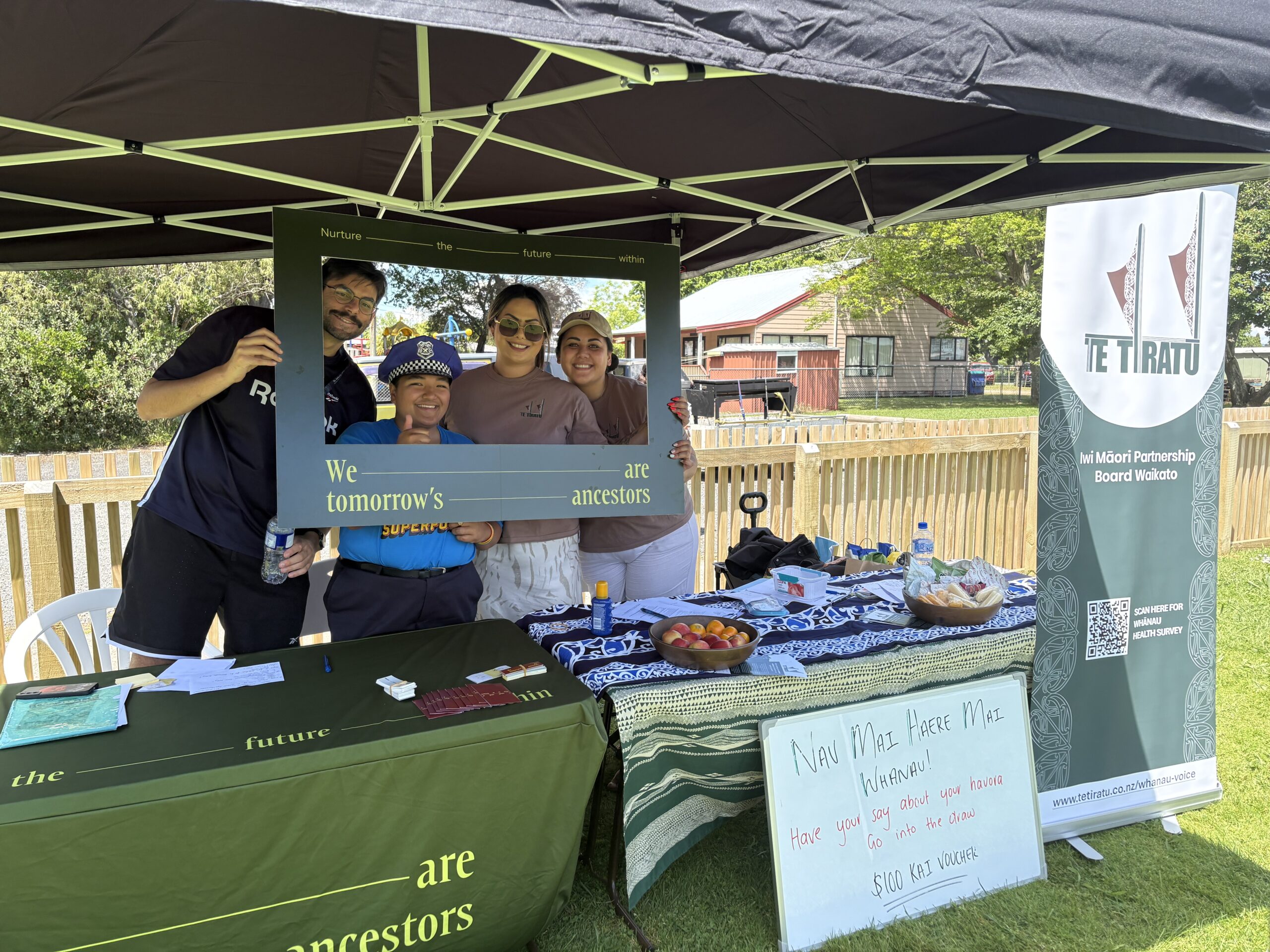
Hauora Day brings Cambridge whānau together
As the sunshine lit up Cambridge Community Marae, Ngāti Koroki Kahukura welcomed whānau, health providers, and our Whānau Voice kaimahi from Te Tiratū to celebrate Hauora Day.
It was a vibrant gathering of kōrero, connection, and community spirit. Organised by Norma Taute who we applaud as she has championed Hapu Hauora amongst Ngāti Koroki Kahukura. The event brought together Māori and non-Māori providers alongside whānau of all ages, creating a safe space to share stories, explore health services, and highlight both the strengths and gaps in care.
Providers shared insights into the needs of whānau, from understanding the difference between occupational and sports injuries versus age-related conditions with ACC, to the importance of alcohol and other drug support in and out of prison.
The kōrero revealed gaps in primary mental health care, challenges accessing cervical screening despite self-testing kits, and the ongoing need for hearing checks and oral health support for tamariki. Traditional rongoā practitioners, St John’s Ambulance, and suicide prevention teams were also part of the kaupapa on the day.
Whānau also shared their experiences, celebrating excellent hospital support while caring for loved ones, and highlighting disruptions when long-standing doctors retire. Across the 16 surveys completed on the day, whānau spoke of long GP and specialist wait times, the rising cost of healthcare, transport challenges, and the need for kaupapa Māori and holistic health services closer to home.
Activities that support wellbeing including whānau time, cultural connection, marae participation, and physical activity were identified as central to hauora. Almost all whānau who participated felt that government health and mental health targets do not meet their needs, reinforcing the importance of listening to whānau voices.
We gathered kōrero and ensured whānau perspectives were amplified alongside providers, making the day as much about listening as it was about sharing. On stage, Hauora providers showcased their services, a raffle was drawn as we all enjoyed a delicious, shared hangi.
Despite other events like waka ama taking place on the same day, Hauora Day was a clear testament to the commitment of Ngāti Koroki Kahukura to whānau wellbeing. It showed that whānau people come together to kōrero, share knowledge, and celebrate collective care, it strengthens not only their individual health journeys but the health of the whole hapori.

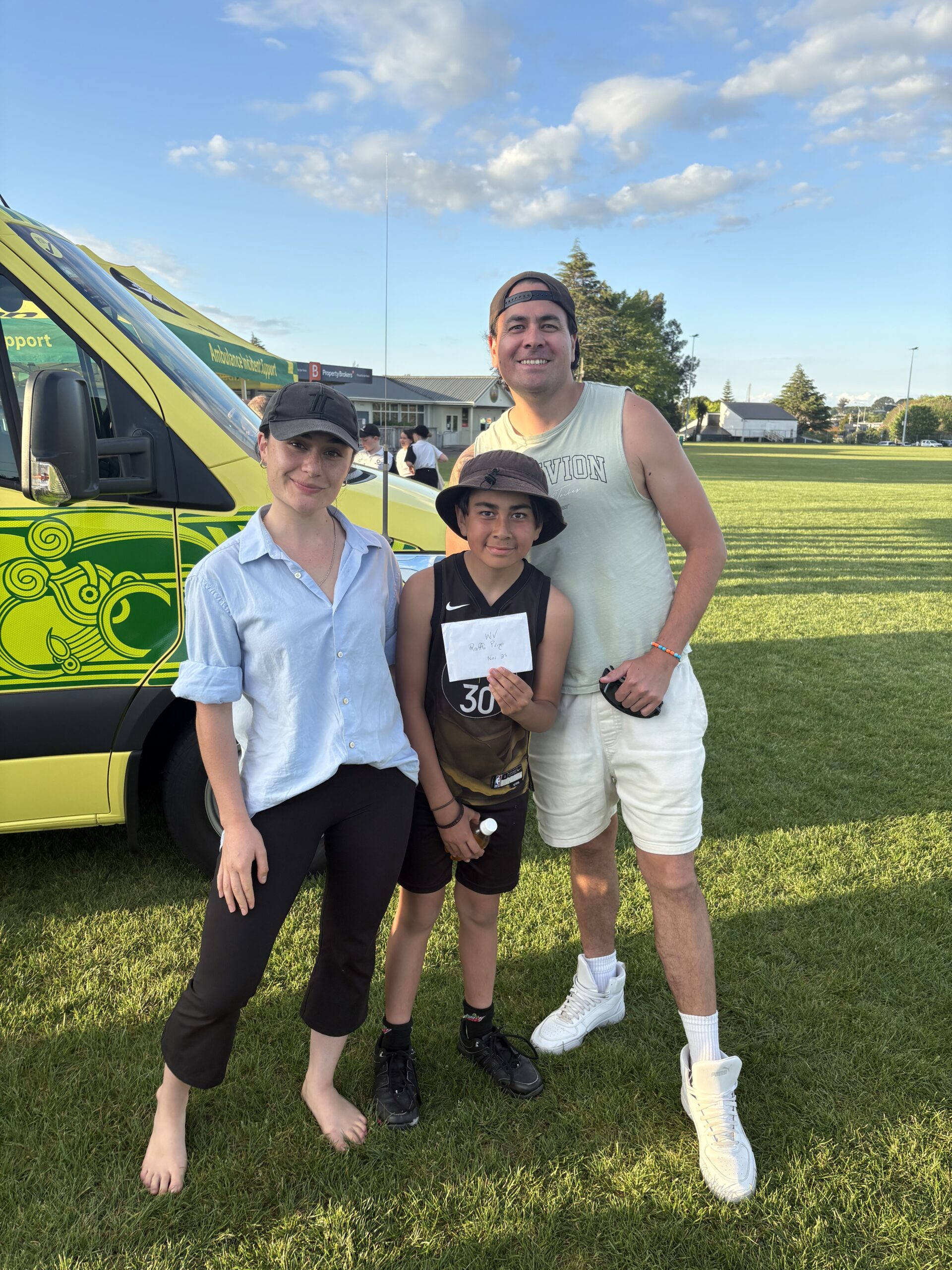
Te Awamutu Gala celebrates Hato Hone St John & hauora
Te Tiratū was proud to attend Te Awamutu’s annual Community Gala at Albert Park, held in support of Hato Hone St John and their ongoing commitment to our community. The gala brought together locals, visitors, businesses, supporters, and volunteers for an evening of celebration, connection, and entertainment.
This year’s 2025 gala highlighted the incredible mahi of Hato Hone St John on the frontline of medical response and ambulance care in the district, mahi tika ana ngā kaimahi o St John! Te Tiratū acknowledges and celebrates their dedication and tireless work.
The event also provided a space for whānau to share kōrero about health care in Te Awamutu and rural communities. While celebrating available services, attendees spoke openly about the challenges they face in accessing comprehensive hauora support, including high costs, difficulty securing appointments, and care that doesn’t always reflect their unique cultural needs. Some whānau admitted they often avoid check-ups altogether.
A representative from St John, who works in the Emergency Department, shared how these access barriers affect frontline care and highlighted the importance of improving primary care for rural communities. We heard about Kaumātua experiences and the positive impact of Mangatoatoa Health Clinic at Mangatoatoa Marae, noting the critical support provided by Pinnacle and Waikato iwi resources.
The gala also reflected the strong community networks and partnerships supporting hauora across the district. Neighbourhood Watch shared concerns about youth vaping, nangs, meth use, and alcohol, while also noting positive changes such as Kihikihi’s earlier bottle store closing.
Our hardworking Hauora providers emphasised the importance of access for remote and rural whānau and highlighted successful community-led responses, including initiatives from Arahina. The Māori Women’s Welfare League Tainui Branch shared their health programmes delivered in Kihikihi, supporting whānau engagement in wellbeing activities.
Organised by Te Awamutu Sports, Ko Wai Au, and other local groups, the gala was a hugely unifying annual event celebrating the generosity, care, and resilience of whānau and community. Through the kōrero shared at the gala, Te Tiratū reinforces the importance of accessible, culturally responsive health care and the ongoing collaboration needed to ensure whānau in Te Awamutu and surrounding rural areas are supported in their hauora journey.
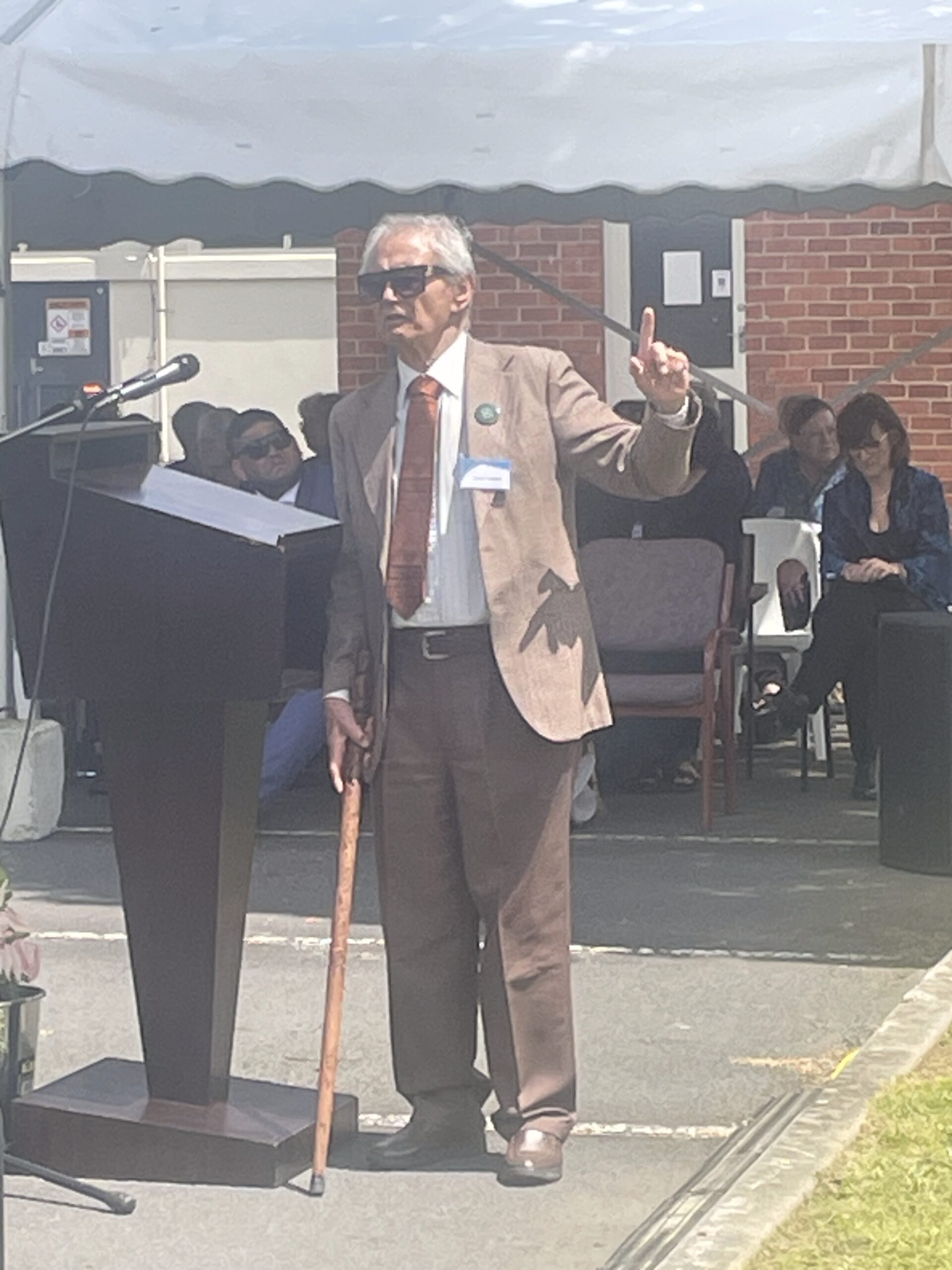
Te Kūiti Hospital Centenary: Honouring a Taonga of the King Country
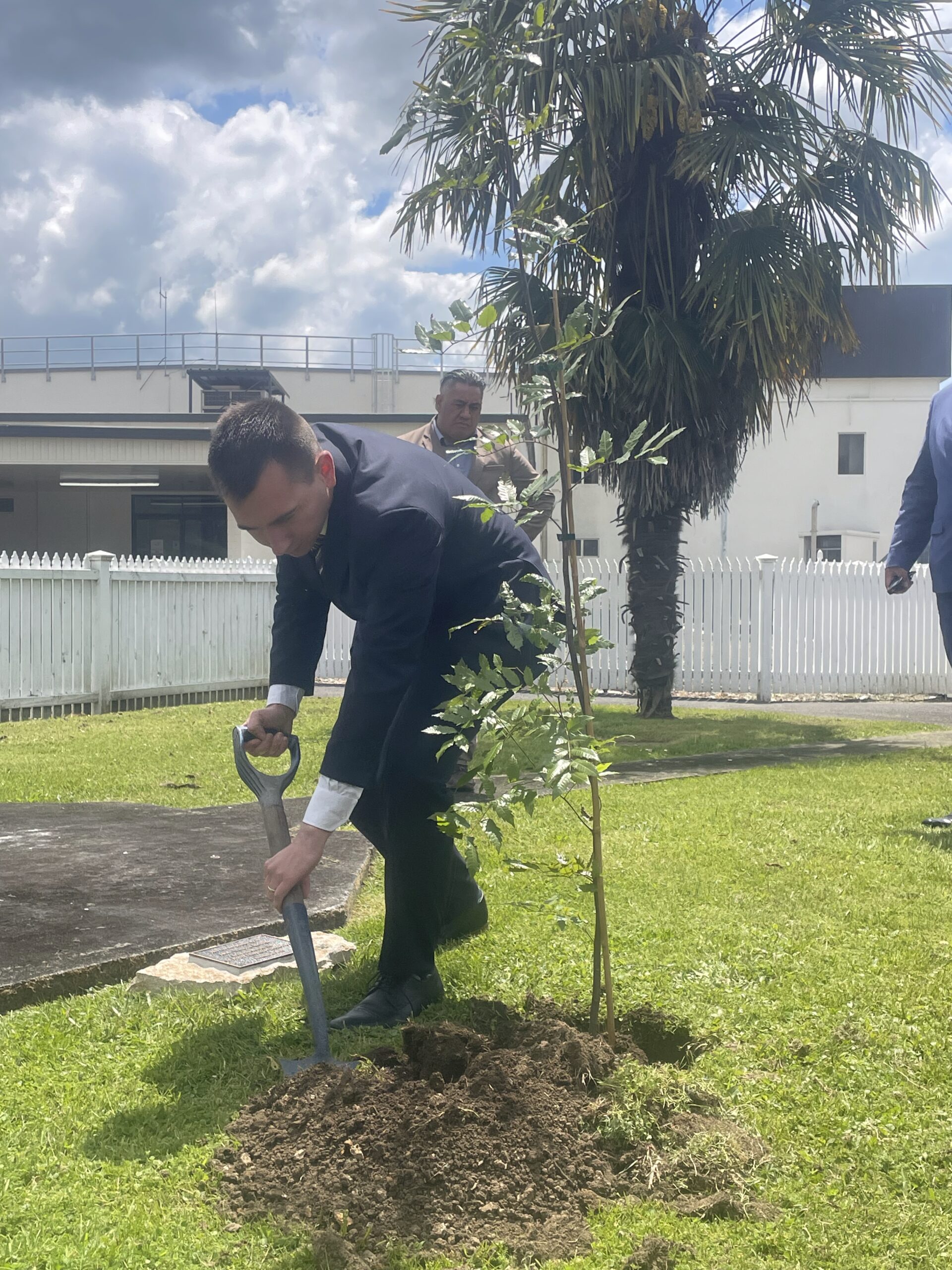
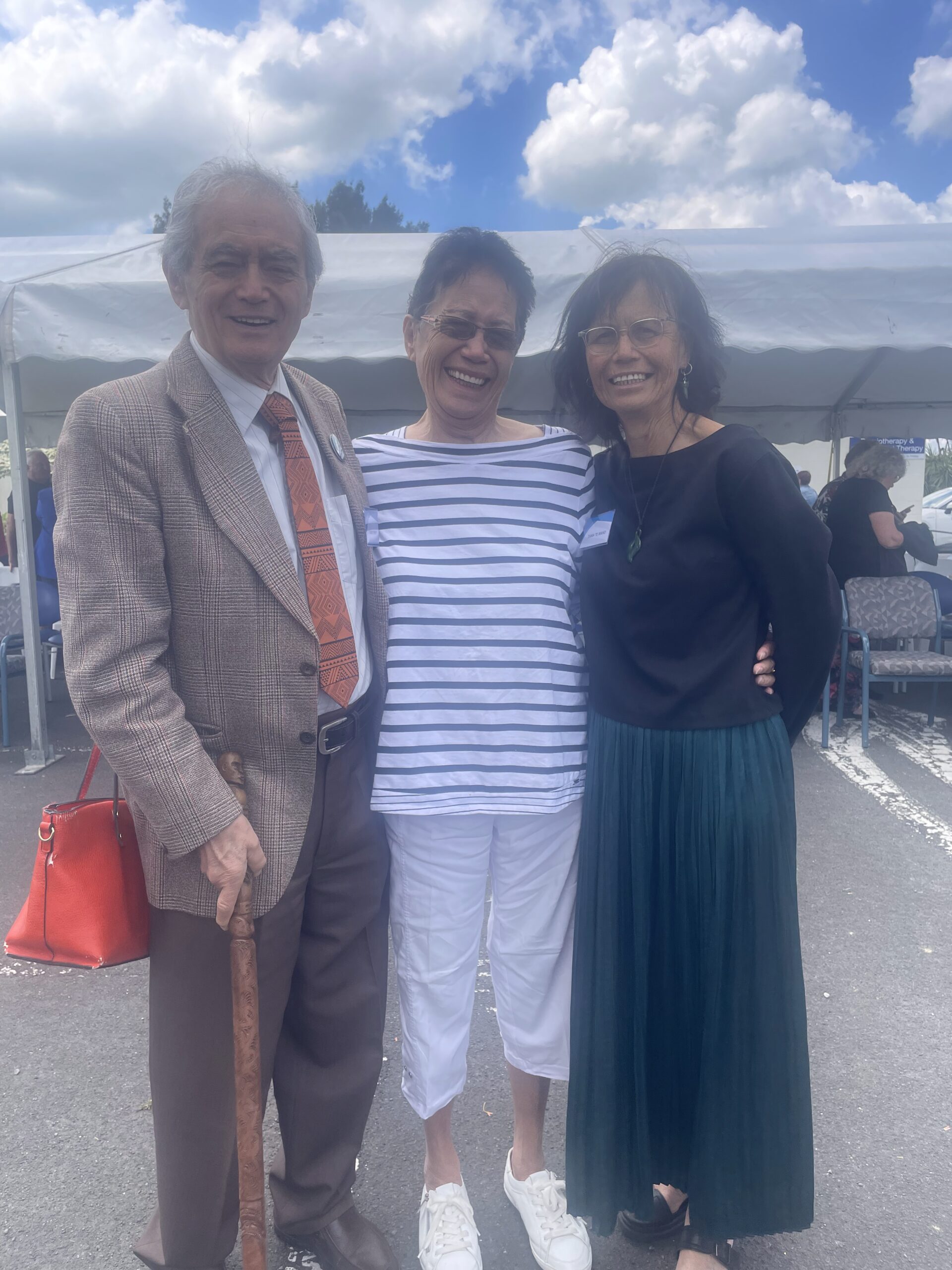
From left to right: Kaumātua Ngāti Rora, Kingi Turner, Health Minister Hon. Simeon Brown planting a rākau, Kingi Turner with Lynne Stafford and Charge nurse Tania Te Wano
Te Kūiti Hospital, a treasured taonga of the King Country, has been honoured for 100 years of service to the community.
We were there at the centenary celebration in the weekend at the hospital grounds hosted by Ngāti Rora, brought together staff, whānau to reflect on the hospital’s enduring connection to tangata whenua and the whenua it stands upon.
Ngāti Rora paid tribute to the legacy of those who built and sustained the hospital, from its official opening by Sir Māui Pōmare in 1925 to the dedicated teams who continue to care for the people of the region today.
The hospital sits on land gifted by Rangatira Tanirau Hetet, whose uri attended the centenary to honour the contribution of their tūpuna. Generous support from Tanirau Hetet, who donated 3.5 acres of land, laid the foundation for an enduring partnership between Māori and the Crown to deliver vital health services across the King Country.
For generations, Te Kūiti Hospital has been a lifeline for our whānau, providing emergency, maternity, surgical, and community services across the rohe. Feedback gathered through our Whānau Voice shows that whānau want health care to remain close to home.
Many say that local access to care allows them to stay connected to whānau and whenua, rather than face long and costly travel to Waikato Hospital. A bus service introduced 30 years ago between Taumarunui and Waikato Hospital continues to support whānau who must travel for specialist appointments, a reflection of how community-led solutions have long underpinned rural health care in the region.
For charge nurse Tania Te Wano, who has served Te Kūiti Hospital for three decades, the centenary was deeply personal. Community tributes shared on the Legendary Te Kūiti Facebook page described the hospital’s legacy as one that has produced “iconic surgeons and doctors, medical advancements, births of legends, helicopter transfers, and pandemic responses.”
Health Minister Simeon Brown attended the celebration acknowledging Te Kūiti Hospital as a symbol of perseverance and partnership. He planted a commemorative tree to mark the milestone and recognised the hospital’s ongoing role as one of six rural prototype sites trialling improvements to local health services, including better access to diagnostics, on-call pharmacy support, and digital tools for clinicians.
Te Whatu Ora rural manager Rachel Swain said workforce shortages and aging infrastructure remain challenges for rural hospitals. She highlighted the government’s Rural Health Strategy, which prioritises keeping services close to home, strengthening prevention, and supporting a flexible rural health workforce. Investments in regional training hubs and the new Waikato Medical School aim to grow the next generation of doctors and nurses from within rural communities.
One hundred years on, Te Kūiti Hospital remains more than a place of healing. It stands as a taonga, a testament to partnership between whānau, mana whenua, and health services and a reminder of what can be achieved when care is grounded in place, people, and whakapapa.
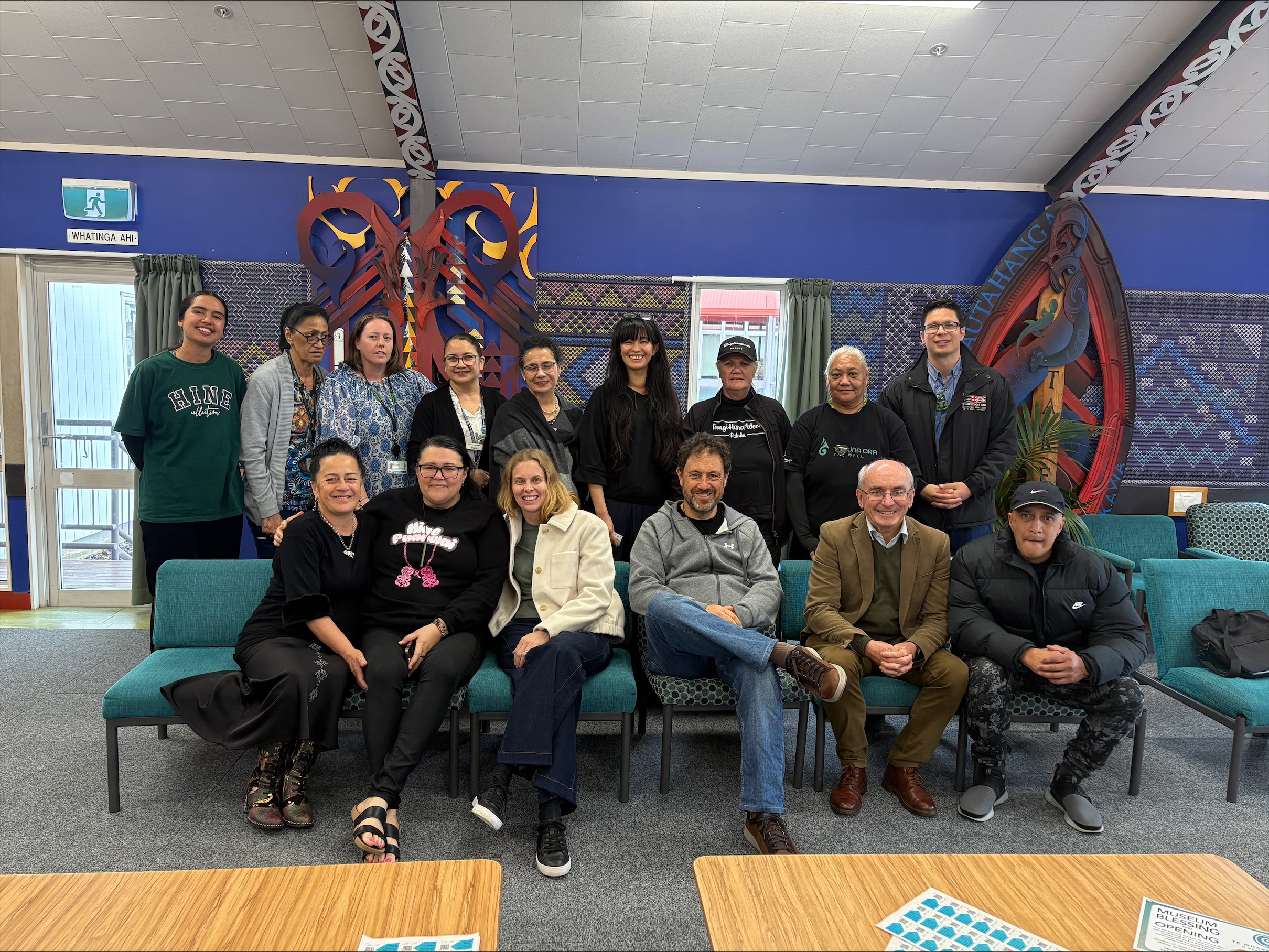
Skin health kōrero at kura draws many in Rāhui Pōkeka
Our Whānau Voice kaimahi attended a community hui at Te Wharekura o Rakaumanga, hosted by Matawhaanui Trust to kōrero about common health challenges affecting tamariki and whānau, with a special focus on skin conditions.
It was a packed and uplifting session, bringing together whānau, nurses, paediatricians, rongoā practitioners and other health professionals who shared their knowledge and practical advice. Among those present were Nurse Practitioner Justina Leaf, CEO of Matawhaanui Trust Joyce Maipi and her whānau, Julia from Sexual Health Waikato, and three paediatricians from the ARROW childhood wheeze trial, Dr Cameron Bennett, Dr Owen Sinclair, and Dr Te Aro Moxon.
The kōrero centred on simple, practical ways to support whānau managing skin issues like eczema and scabies. Dr Owen Sinclair reminded those gathered not to be too hard on themselves, saying the problem is the eczema, not the child. He emphasised that mindset matters, and that parents should not feel blame but instead focus on gentle, consistent care.
Dr Cameron Bennett spoke about the importance of rest, as sleep gives the body time to fight infection, and also shared tips around salt baths, soaked dressings, and managing infections that can complicate skin conditions. Others suggested checking whether soaps or food such as cow’s milk might be contributing to irritation.
For some whānau, cost can be a barrier, and affordable options like adding a teaspoon of Janola to the bath were discussed as simple ways to disinfect the skin when used safely. Parents were also encouraged to make sure that kōhanga or preschools are aware if tamariki have hot or red skin, so early help can be found.
Dr Te Aro Moxon, who works both as a community paediatrician and general physician, spoke about the need to strengthen the link between hospital-based care and the support available in communities. The hui also highlighted the barriers that many whānau face in accessing healthcare, from the cost of travel to Hamilton, to issues of trust, affordability, and feeling heard.
Joyce Maipi, shared a heartfelt story about a young wahine from the community who passed away at just 38 years old from breast cancer that was detected too late. She spoke of her legacy as a reminder to all wāhine to get screened early, noting that the Breast Screening Aotearoa mobile unit is currently parked outside Huntly Woolworths.
Justina Leaf acknowledged that this was the first face-to-face forum held in some time and thanked those who travelled down from Auckland to attend. She shared examples of the manaaki shown by Matawhaanui’s team, from staying on late to help a koro with heart issues, to supporting another with nicotine patches that helped him give up smoking and improve his health. These small but powerful acts of care, she said, are what make the difference for whānau.
Rongoā healers from Te Puna Ora also attended, sharing their mirimiri and natural health knowledge. Julia from Sexual Health Services (formerly Family Planning) spoke about the importance of HPV vaccination and the rising rates of syphilis, encouraging whānau to get checked and treated, especially for the health of unborn pēpi. Rangatahi were also present including nieces and nephews brought along by their aunties and uncles and their participation was warmly acknowledged as a positive sign of intergenerational learning in action.
The hui ended with Ursula from the Electoral Commission encouraging everyone to make their voices count in the upcoming election. For whānau wanting trusted information and support, the KidsHealth website was recommended as a valuable resource for parents, alongside the ARROW study site and the Paediatric Society’s equity commitment page.
It was a powerful and timely reminder that hauora begins at home with aroha, rest, and simple, practical care. By bringing together community voices, health professionals and researchers, gatherings like this help bridge the space between hospitals and homes, between science and rongoā, and between whānau and wellbeing.
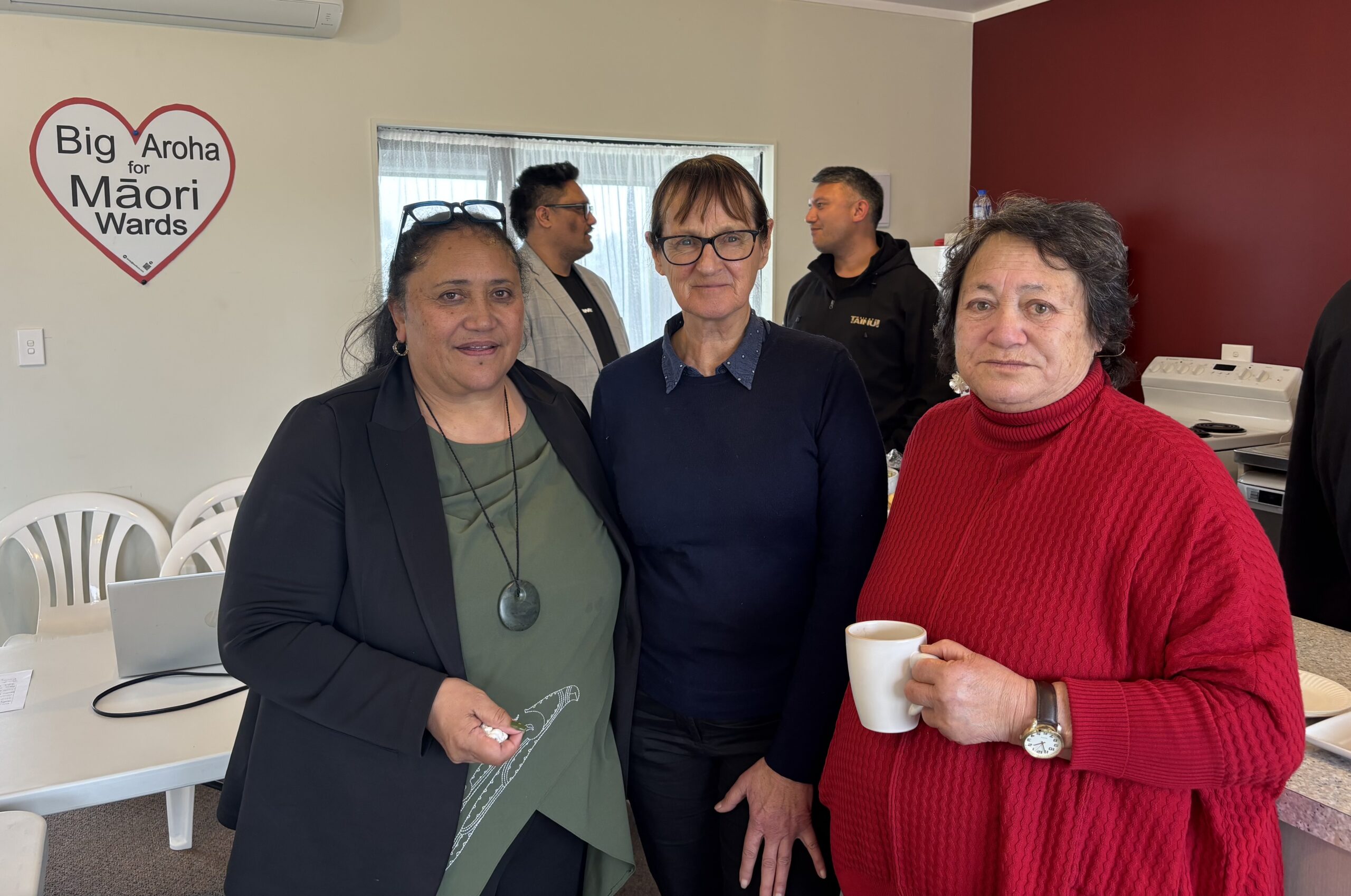
Kāwhia whānau lead kōrero on more support
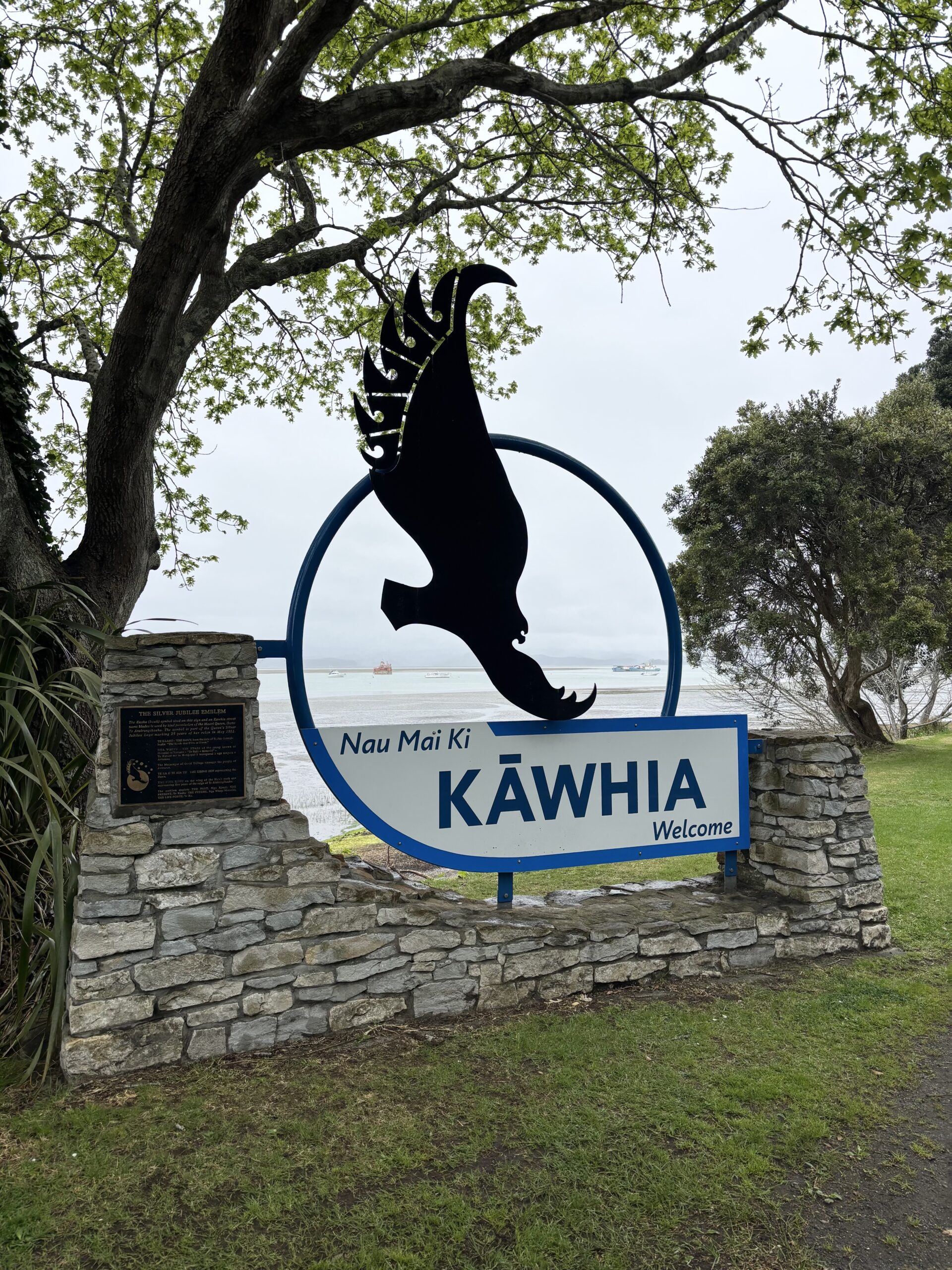
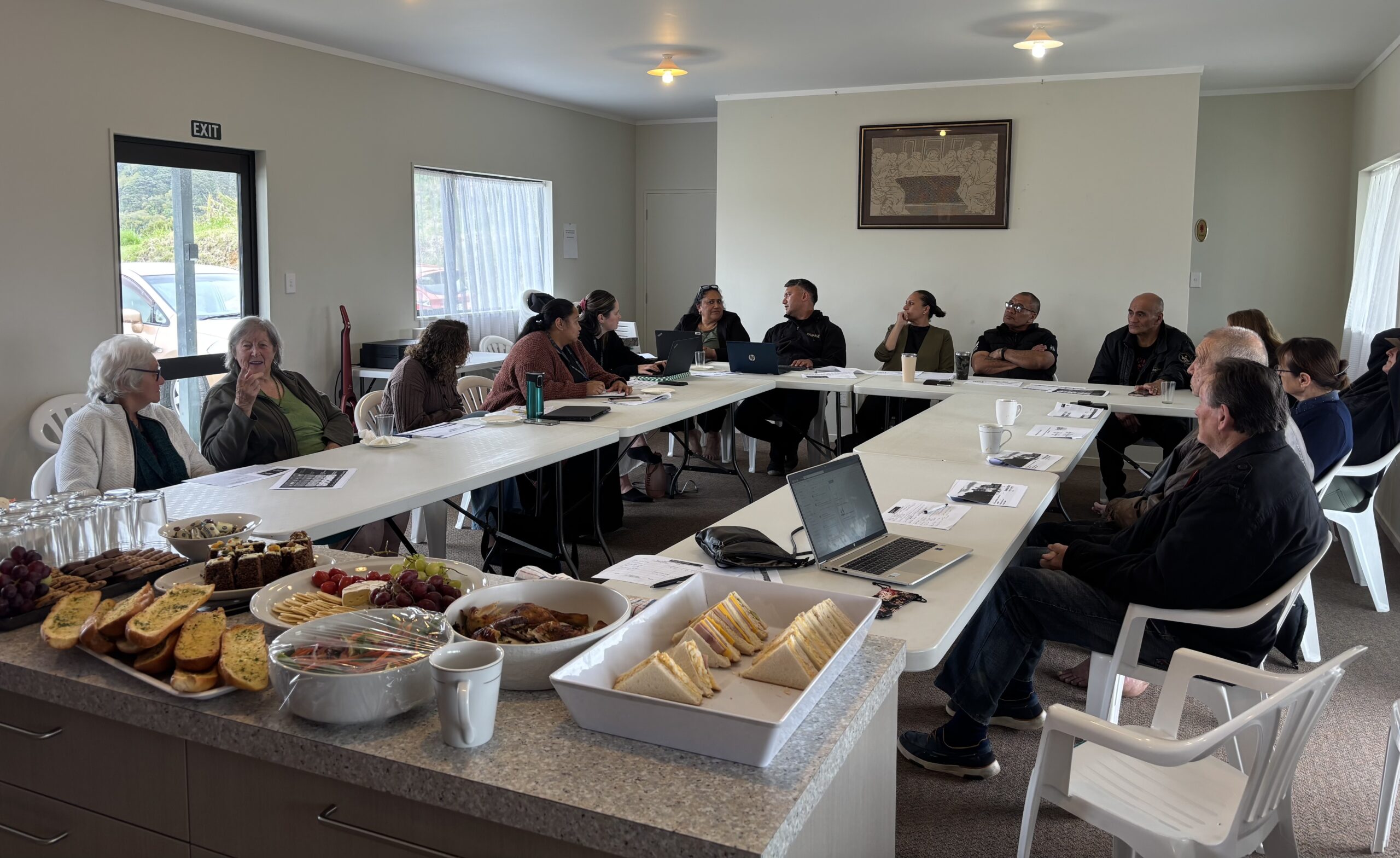
This morning in Kāwhia, a close-knit community of just 378 people, we joined the latest Community Health Forum to kōrero, listen, and offer tautoko. Te Tiratū acknowledges the vital work of Te Whatu Ora kaimahi, who coordinate these hui across the rohe to connect with whānau, share updates, and ensure their voices are heard.
Whānau travelled from across the West Coast Harbours to share their stories, experiences, and priorities for the wellbeing of their whānau and community.
A key priority was funding awareness and support. Whānau highlighted the need for proactive guidance from Te Whatu Ora staff to help them understand and access available funding opportunities. Clear advice, they said, empowers whānau to improve wellbeing, build resilience, and strengthen independence.
Another strong theme was community connection. Whānau spoke about the importance of small, humble events, from karaoke nights to kaumatua creative workshops, which lift spirits and reduce isolation, especially for those living alone.
The forum also highlighted kaumātua support needs. Many kaumātua are struggling with everyday tasks and require consistent, daily support. Whānau spoke about the need for a kaumatua bus, tailored services, and culturally appropriate care to help uphold their dignity and independence.
Transport challenges were another key concern. Funding and reliable transport to Waikato Hospital and nearby towns remain a significant barrier, especially for those requiring regular appointments, specialist care, or after-hours help.
Accessing home help is difficult in isolated areas. Limited carer training and high travel costs make services unaffordable for many whānau. Investment in workforce development and travel support is urgently needed to ensure everyone receives the care they need.
Rangatahi mental health was a serious topic of discussion. Suicide among rangatahi is a concern in isolated communities. Whānau want more clinical expertise, suicide prevention support, and culturally responsive mental health services available close to home.
Primary care workforce shortages were raised as a pressing issue. Dr John Burton, the local GP, has been a lifeline for Kāwhia whānau, but there is uncertainty about future care provision once he retires. Succession planning and investment in rural healthcare are critical to maintaining services.
Whānau also spoke about the need for Disability Allowance awareness. Clear communication and outreach regarding support available through WINZ and ACC will ensure that entitlements are accessed and whānau can receive the help they need.
After-hours care is available through Ka Ora Telecare and 24/7 telehealth services, but these user-pays services can be costly for those without a Community Service Card. Affordable options are needed to ensure whānau can access care at any time.
Public health preparedness was another focus. The Waikato Immunisation and Public Health Teams are coordinating plans in case of measles or other outbreaks. Community awareness and readiness are key to keeping whānau safe.
Finally, whānau highlighted the urgent need for affordable dental services for adults in rural areas, to ensure everyone has access to essential care.
It was clear that the Health Forum shone a light on the power of connection. It reminded everyone that strong kōrero, listening, and care can make a real difference in whānau wellbeing.
Frontline voices on state of rural health in Thames
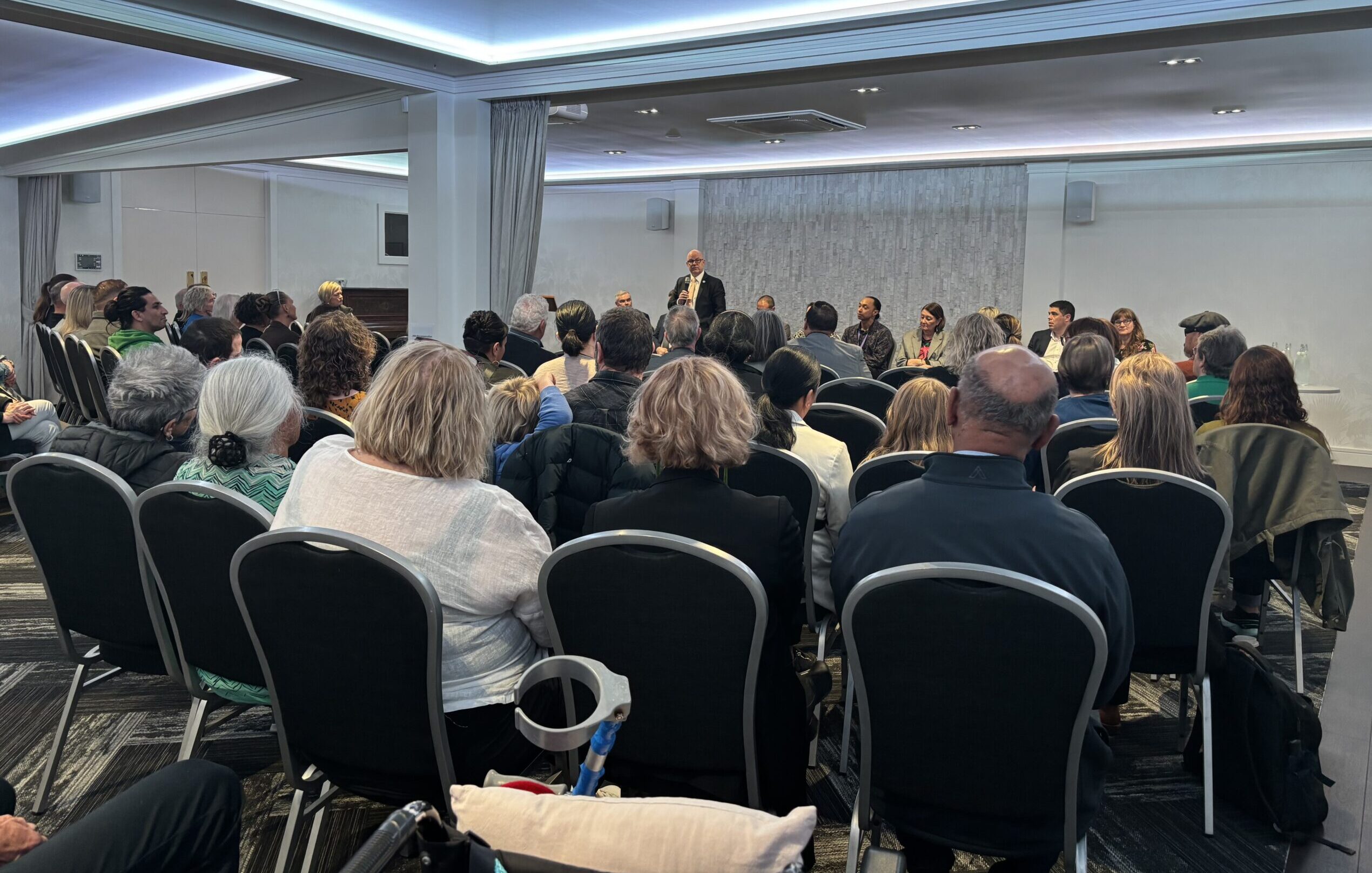
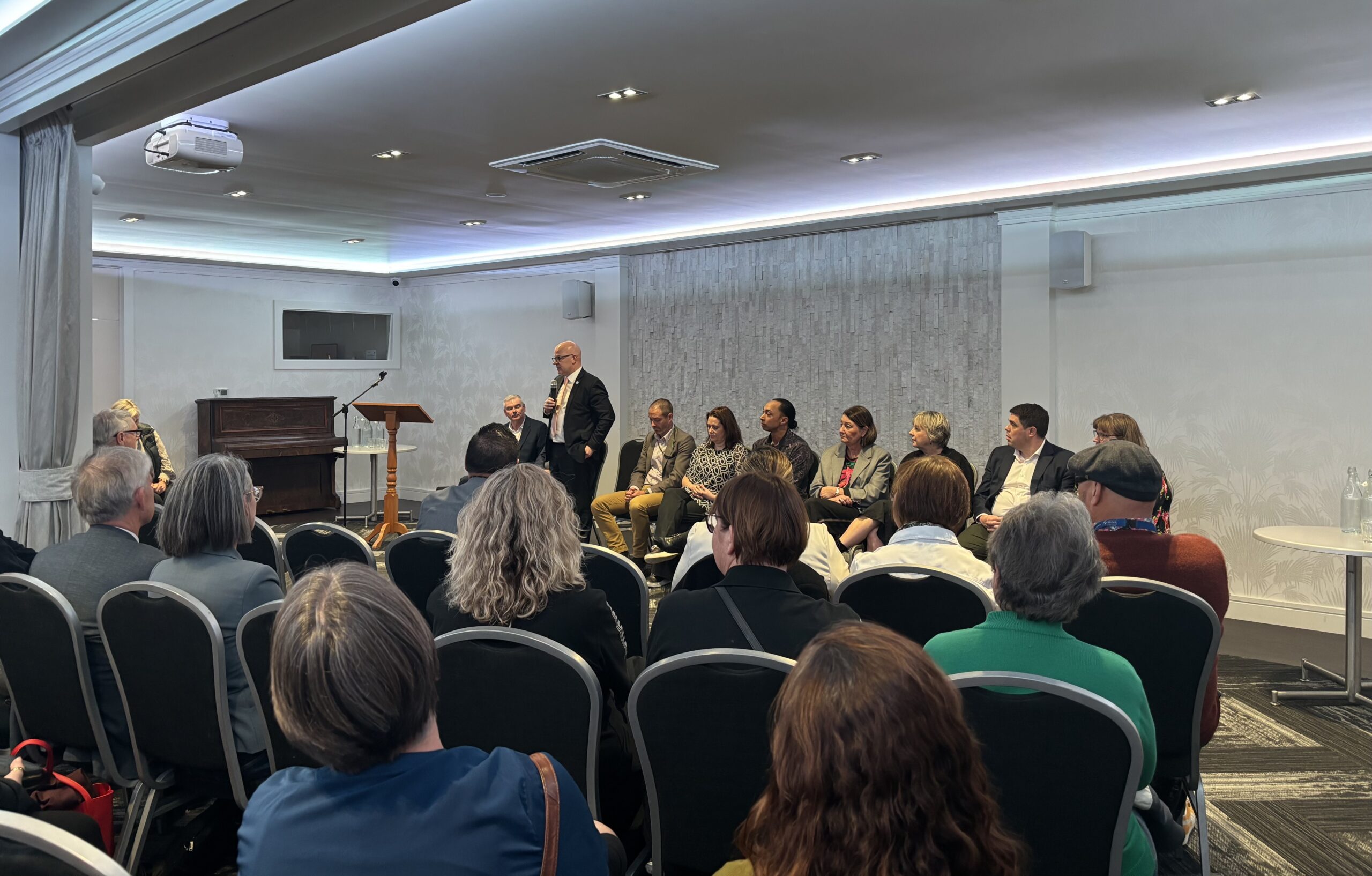
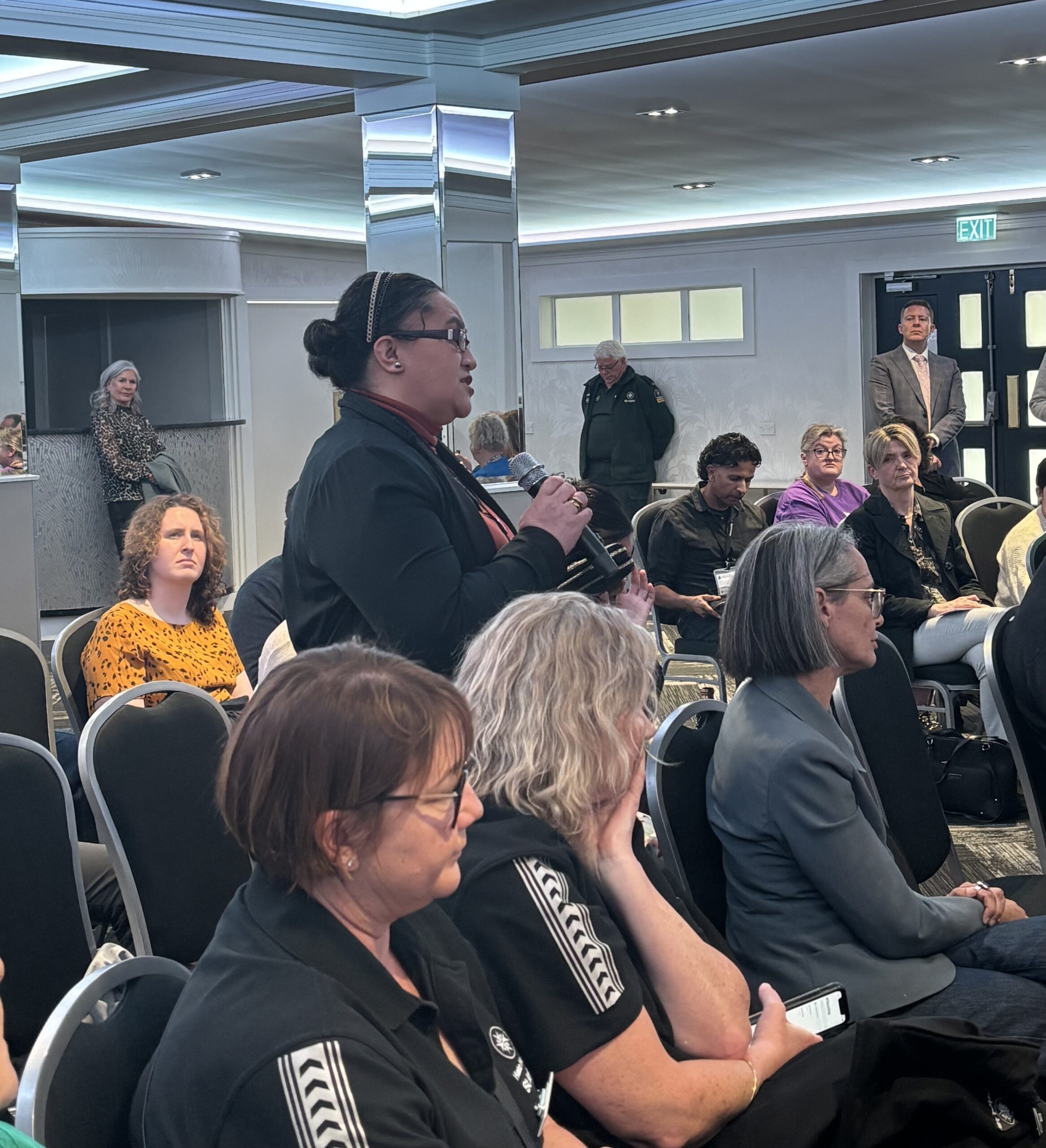
Associate Health Minister with responsibility for Rural Health, Matt Doocey and Minister for Rural Communities, Mark Patterson came to Thames today, to hear directly from the frontline about the challenges facing rural communities.
Doocey set out the five priorities of the Rural Health Strategy; recognising rural communities as a priority group, focusing on prevention for a healthier future, ensuring services are available closer to home, supporting access to services at a distance, and building a valued and flexible rural health workforce.
He also noted the review underway of the travel assistance programme, ongoing workforce pressures, and the rollout of one of six prototype digital telehealth services, with Thames chosen as a pilot site for 24/7 support.
While government priorities were outlined, much of the kōrero centred on the lived realities of staff, communities and a Māori provider of affordable health and wellness services across the Hauraki rohe for over 25 years.
Attendees described severe burnout among doctors and nurses, with calls for immediate workforce relief in Hauraki. Many emphasised that the bulk of the health workforce are women, yet parity in pay remains unresolved, creating inequity and undermining retention.
CEO of Te Korowai Hauora o Hauraki, Tammy Dehar, stood to share whakaaro about what integrated services might look like if they included the social determinants of health. She urged government to design solutions with communities rather than impose top-down targets, especially to support rangatahi. Similar calls were made for better training pathways, with regulated health body training and youth development identified as vital to the future of the rural health workforce.
Rural GP Alex McLeod also spoke out, saying good primary care services are not being given enough regard in government health design and resourcing. He said kaupapa Māori providers already deliver effective, whānau-focused care but are undermined by fragmentation and competition for funding. He urged government to consider local governance for primary care, rather than allowing secondary services to dominate leadership and decision-making.
In response, Doocey said immigration and skilled migration could help to address workforce shortages but were “not a silver bullet,” with policy settings needing to shift. He confirmed that a new mental health crisis response service is being developed with Police over the next three years and acknowledged the importance of building equity into workforce planning. A senior nurse and a nurse practitioner have also just been approved for the Thames Hospital ED.
Housing emerged as another barrier, with limited supply making it difficult for staff to stay and live locally. Safety was also raised, with communities dealing with domestic and sexual violence, drugs and alcohol, and the resulting rise in mental distress. Without adequate supports, attendees said, these pressures compound the crisis for both whānau and frontline services.
Transport and access challenges were highlighted, especially for elderly residents. After-hours services remain very limited. A short-term transport option provided by Thames Hospital earlier this year was welcomed but is not permanently funded. Seasonal pressures also weigh heavily, with the summer population in Coromandel surging from around 1,400 residents to 30,000 visitors, stretching an already fragile system.
In Waihi, residents face a three-day wait for telehealth services, with no permanent local health professionals and reliance on Thames Hospital ED. While Te Whatu Ora has committed to changes, attendees said stronger support for rural health practitioners is essential.
The hui also heard about local innovations such as the Colville Project, promoted and led by Dr Katie Armstrong, which integrates housing solutions, youth trainee pathways, and visiting specialist support. With $1.29 million already raised, the project demonstrates the ability of rural communities to design and deliver their own solutions when adequately supported.
The meeting showed that rural health cannot be transformed without resourcing the workforce, addressing housing and pay equity, and empowering local solutions that reflect the realities of rural communities. As Minister Doocey acknowledged, co-design and localism must sit at the heart of the Rural Health Strategy if it is to deliver for Hauraki and beyond.
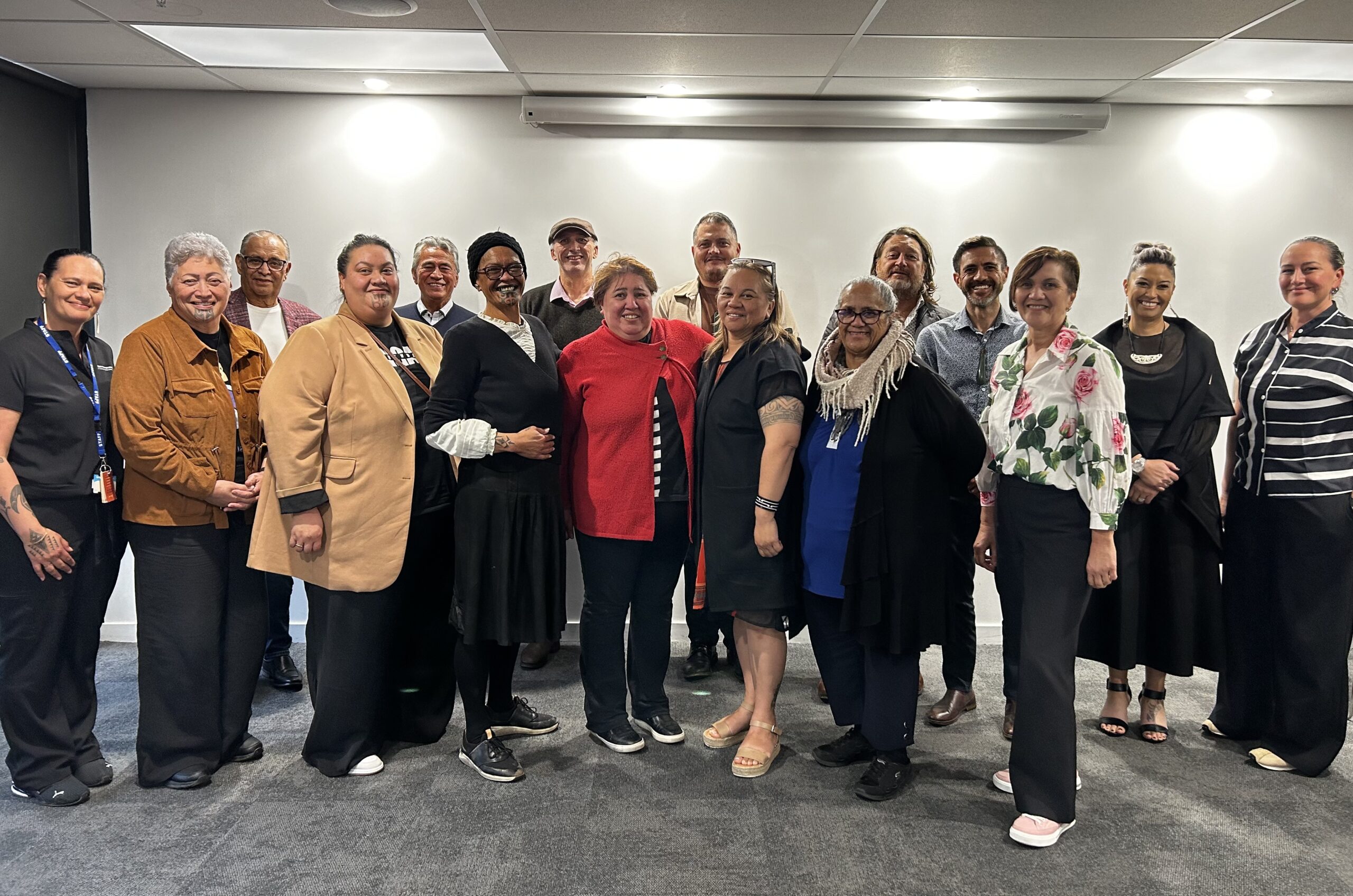
Standing together for hauora – “Unity is what gives us mana”
Today, Te Tiratū Iwi Māori Partnership Board and Ngaa Pou Hauora oo Taamaki Makaurau Iwi Māori Partnership Board, representing over 210,000 whānau Māori, and partners in Rangitāmiro Whānau Ora Commissioning Agency gathered in Kirikiriroa for their first Board-to-Board hui to discuss the future of Māori health.
The kōrero focused on how the two IMPBs can work more closely together on hauora priorities and create future opportunities for Māori communities across Tainui waka rohe and Tāmaki Makaurau. One Board member reminded the rōpū, “The issues our whānau face don’t stop at regional boundaries. When we move together, our people are impossible to ignore.”
Legislative changes under the Pae Ora Bill and the statutory role of IMPBs were a major theme. There was strong consensus on charting an independent path forward that puts Māori voice and priorities at the centre of decision-making.
A key theme of the afternoon was mana motuhake, the power of designing health systems that reflect Māori realities. “We need to design systems for delivery that are inherently rooted in kaupapa Māori rather than being adjuncts to a system that was never built with the Māori experience of health in mind,” said one Board member. Another added, “We can’t wait for the system to decide what matters. We need to set the direction ourselves.”
The hui also highlighted the importance of joint advocacy and a stronger Māori voice. By working together with other Iwi Māori Partnership Boards, especially in high-population regions like Tāmaki Makaurau and Waikato, the collective scale of IMPBs strengthens national influence.
Aligning positions, sharing data, and producing joint communications ensures that both media and decision-makers cannot ignore the weight of Māori voices. As one participant noted, “Fragmentation weakens. Unity is what gives us mana.”
A significant discussion focused on how local priorities feed into national frameworks. Members explored the intersection between their Community Health Plans, the Hauora Ministerial Advisory Committee (HMAC), and the Government Policy Statement set by the Minister of Health.
As one board member explained, “Ideally, IMPBs set the final priorities through our Community Health Plans, HMAC puts those to the Minister, and those priorities become the Government’s priorities too.” This underscores the crucial role IMPBs play in ensuring whānau voices are not sidelined in policy and planning.
Both Boards also emphasised the need to move beyond deficit narratives. While inequities remain stark, the hui highlighted the importance of celebrating whānau successes and showcasing kaupapa Māori solutions already making a difference. “We are not just a story of struggle,” said one voice around the table. “We are innovators, we are resilient, and we already have answers that work.”
By the end of the hui, both Boards affirmed their commitment to Māori health priorities and keeping Whānau Voice at the centre. The message was clear, by staying strategic and united, the IMPBs will ensure Māori health priorities are carried strongly into national decision-making, with whānau voices shaping a system designed for them, not imposed upon them.
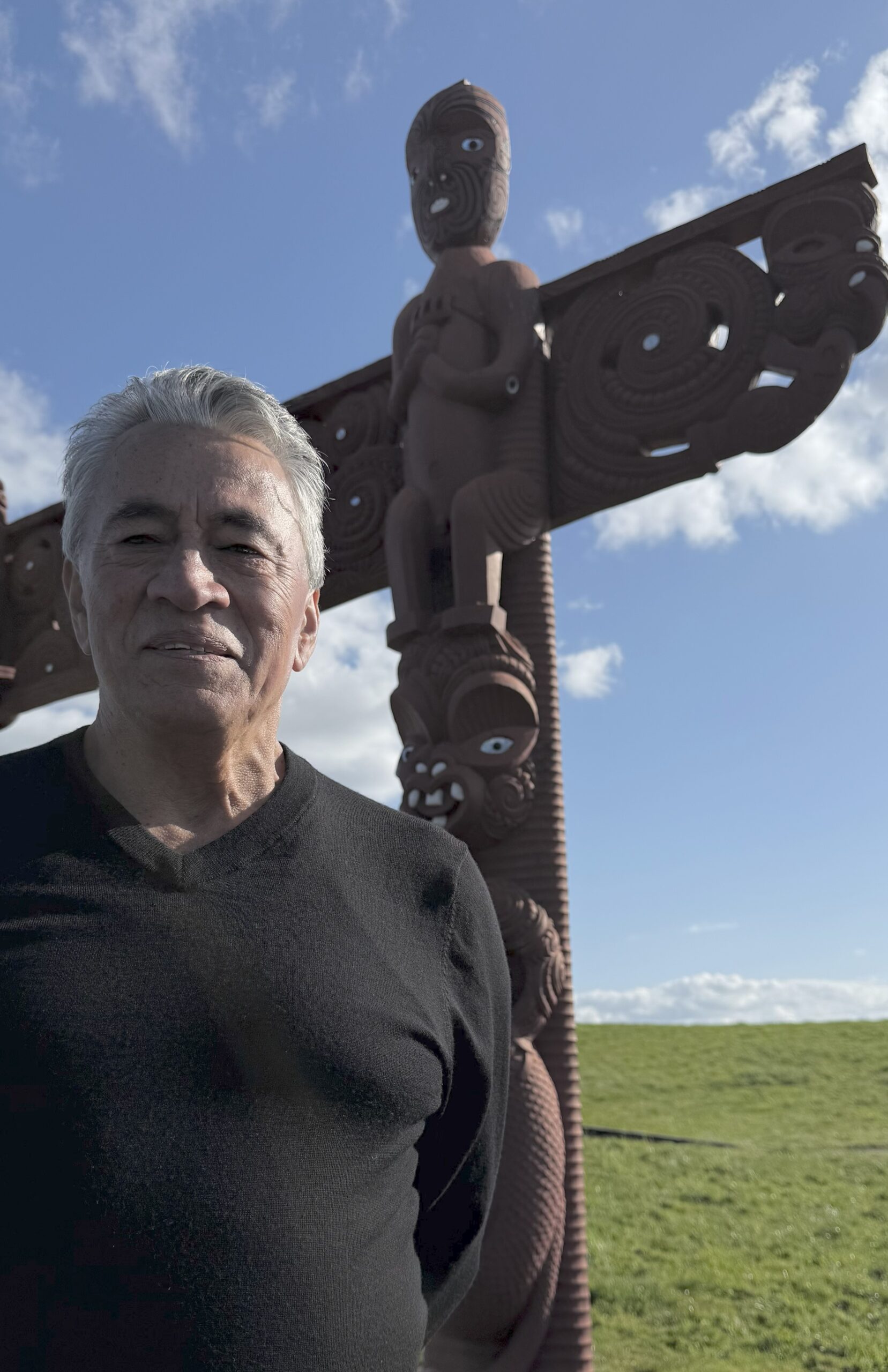
Institutions must turn the mirror – that’s where change begins
When Glen Tupuhi talks about governance, he doesn’t start with boardrooms or legislation. He starts with whānau.
In a recent radio interview with Ngā Iwi FM, he shared his vision as the new co-chair of Te Tiratū Iwi Māori Partnership Board. Known across Hauraki and beyond, Ngā Iwi FM is a trusted voice of iwi, hapū, and whānau in our Tainui waka rohe.
With more than 35 years of governance experience, Glen brings a deep understanding of leadership and accountability to his new role. For him, respect within the whānau and marae is the foundation for engaging rangatahi and building the next generation of leaders. His words of advice?
“Cut your teeth at the marae and whānau level. Our whānau are the most brilliant and the most challenging. If you can gain their respect, you’re unbeatable.”
Glen explained how the Waitangi Tribunal’s WAI 2575 inquiry shaped the Pae Ora Act, leading to the creation of Iwi Māori Partnership Boards like Te Tiratū, one of the largest across the motu.
“Most of our people are with mainstream services. For years, we’ve asked, if there’s inequity in health delivery to Māori, what is the responsibility of those services? The evidence before the Tribunal was irrefutable,” he said.
The Iwi Māori Partnership Boards under the legislation hold the health system accountable. But Glen says that monitoring role has been weakened with the proposal of the Pae Ora Bill currently before the Health Select Committee.
“We’ve ended up more like an advisory group. Meanwhile, doctors and nurses are powerful bodies in health, so what responsibility have they taken for the legacy of inequity? Everyone needs to step up.”
For Glen, becoming co-chair is a chance to carry the Hauraki voice into health governance trying to embed Māori voices and values into the heart of the system to get it back on the right path.
“On behalf of Hauraki, it’s a privilege to be here. David Taipari and I have always advocated strongly for the Hauraki voice, especially in health. Now we can strengthen that presence at the table,” he said.
He also sees rangatahi as central to the future of iwi leadership.
“I love hearing about rangatahi wānanga because they’re our forerunners. These are the spaces where they can spread their wings and build a great future.”
Glen draws on his years on the Waikato DHB Iwi Māori Council, where he saw the power of institutions taking responsibility for change.
“Instead of blaming Māori for not turning up to appointments, we asked, what is it about the way we deliver health that creates obstacles? It’s about turning the mirror on the institution. That’s where change begins.”
He believes mainstream health services need to adopt the same mindset, with clear measures to ensure equity.
“It’s not about us taking over. It’s about making sure people are delivering well to our whānau. Build equity into KPIs, audit them, and lift performance. That’s how we get real change.”
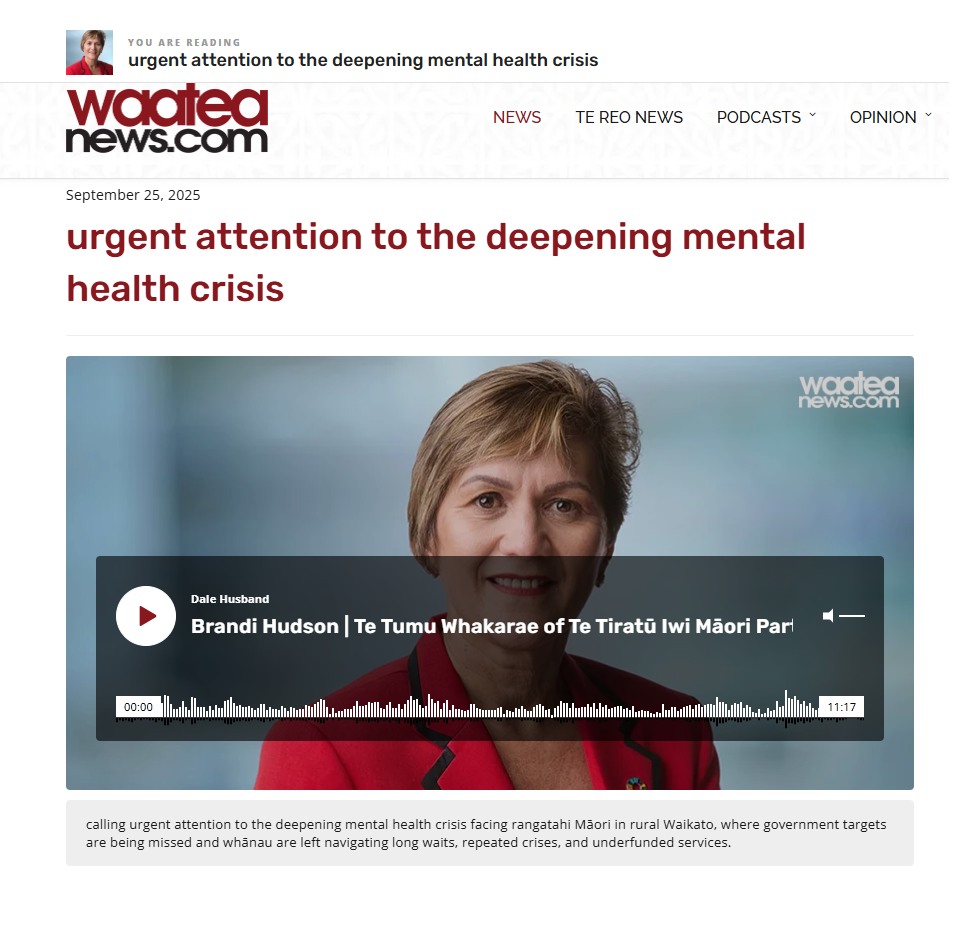
Call for urgent boost to rural Māori youth mental health services
Brandi Hudson, Te Tumu Whakarae of the Te Tiratū Iwi Māori Partnership Board, is calling for urgent improvements to mental health services for rangatahi Māori, particularly in rural Waikato.
Speaking in an interview with Waatea News, Hudson says current funding and policy fail to meet the needs of Māori youth, with many rural whānau having to accept under-resourced services as normal. While initiatives like the Pou Wai Project and Hauora Waikato have shown success, they struggle to attract skilled staff and need more support to expand.
“There’s a real need for policy and investment that prioritises rurally based programmes designed and delivered by Māori, for Māori,” Hudson says, stressing that one-size-fits-all approaches won’t address the unique challenges of rural communities.
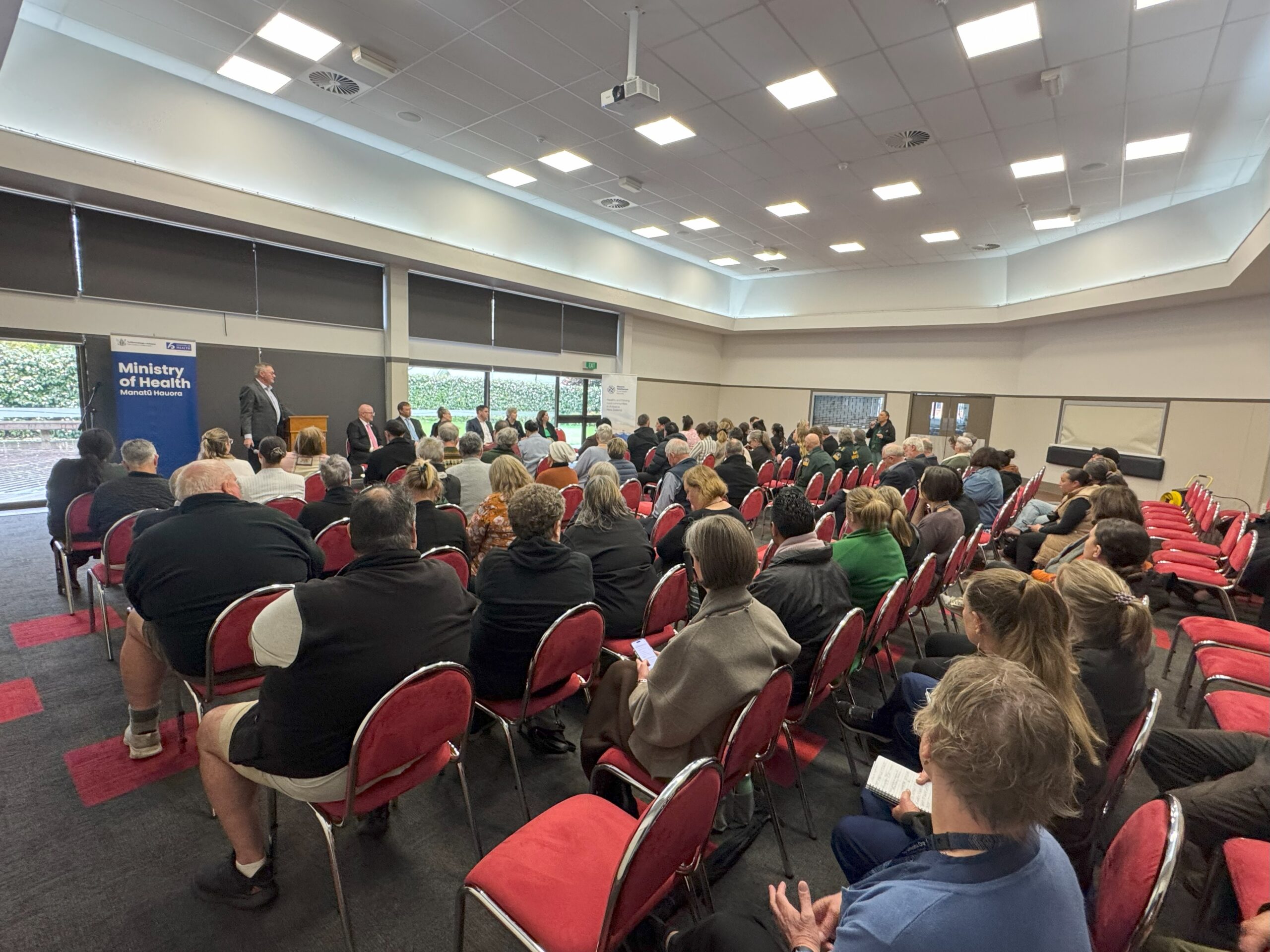
Rural Health Roadshow: Te Kūiti Speaks
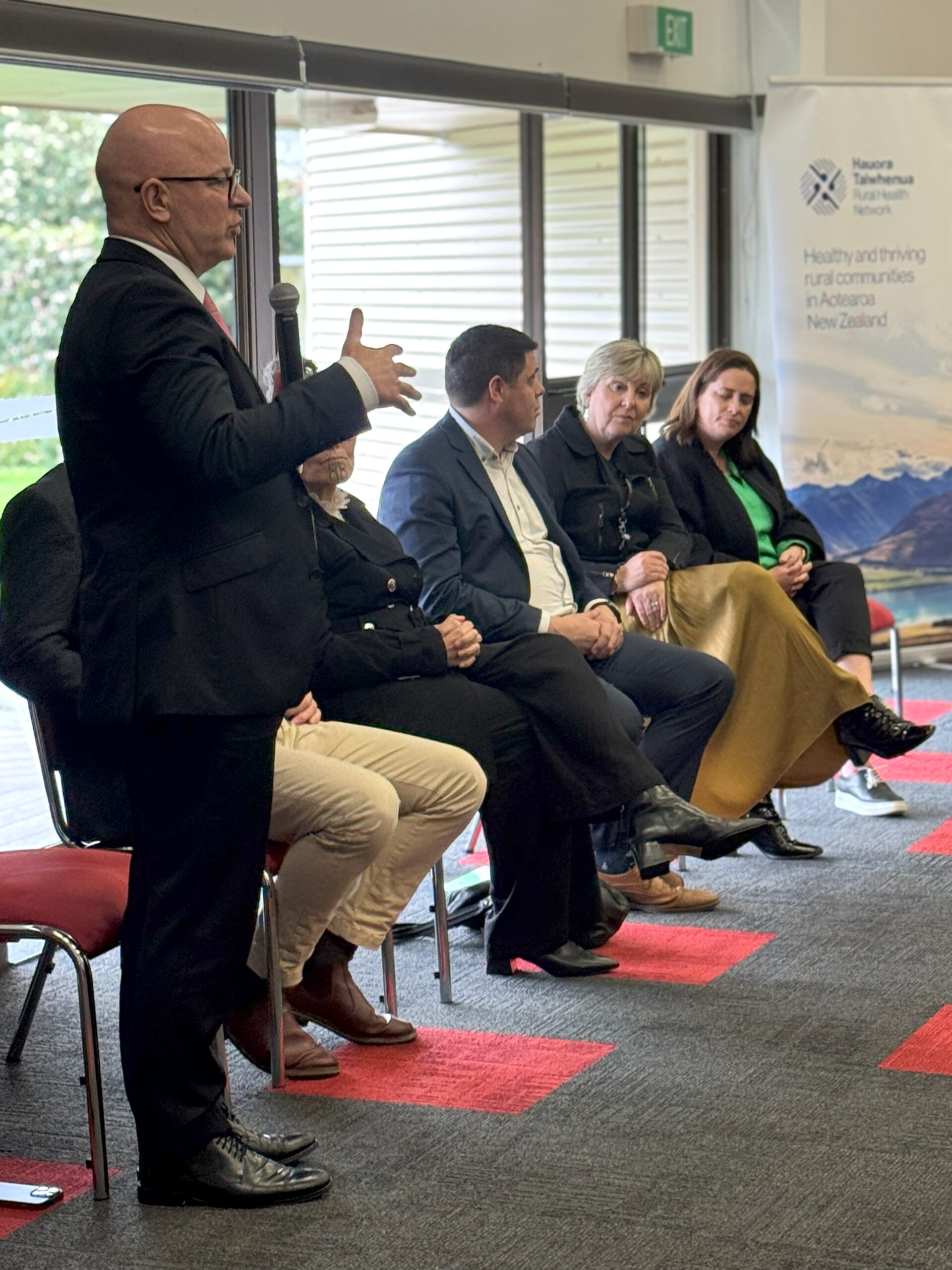
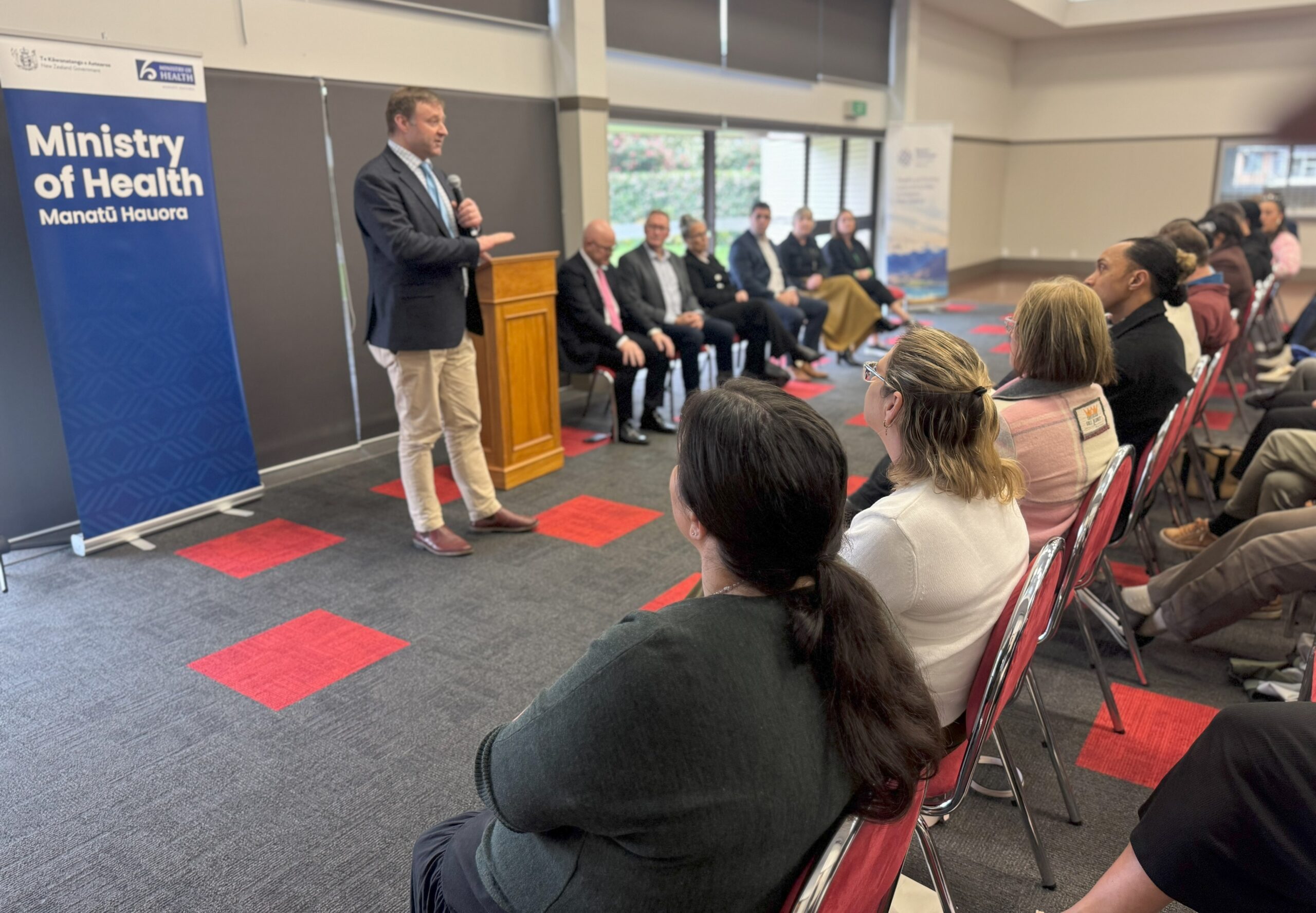
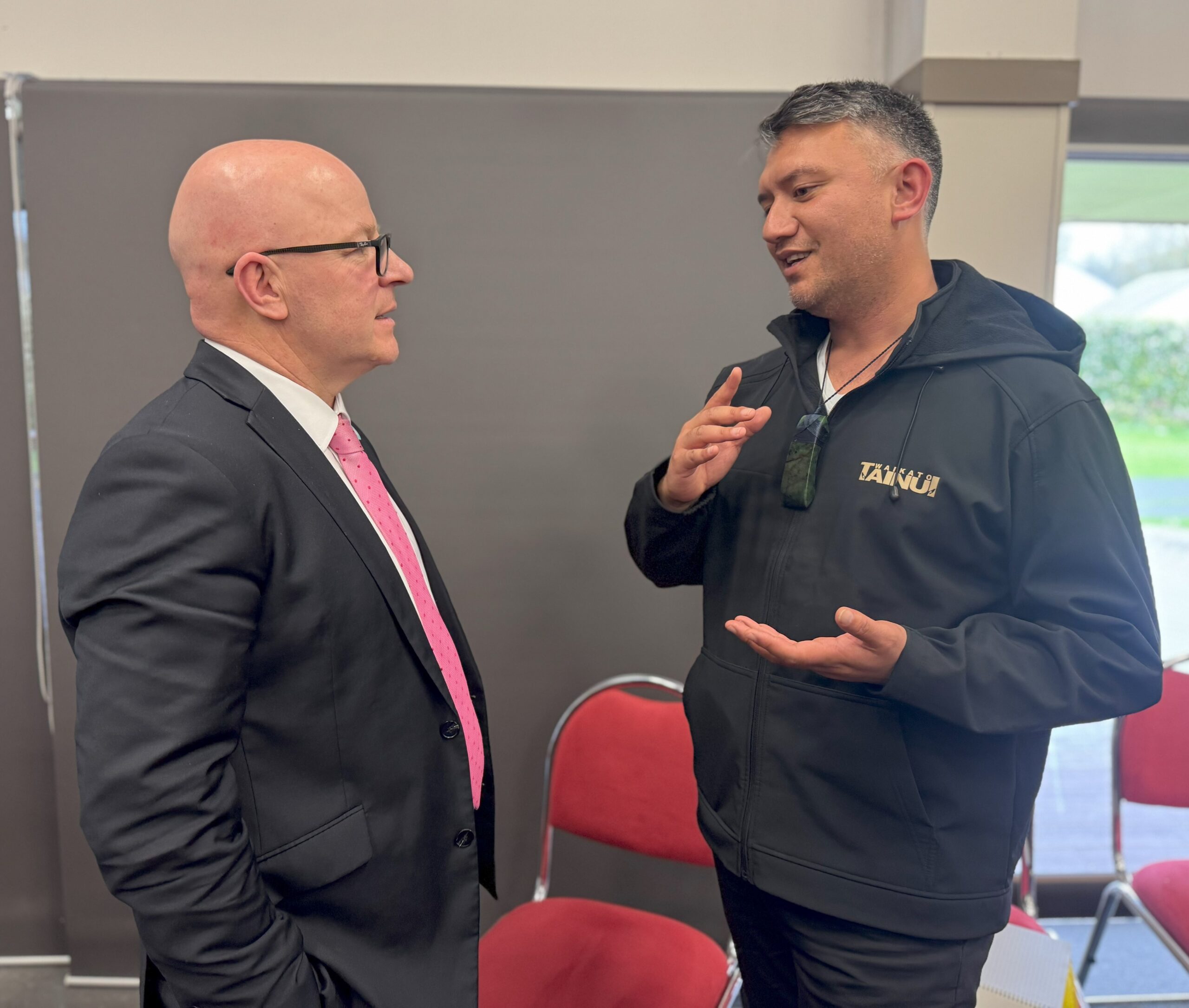
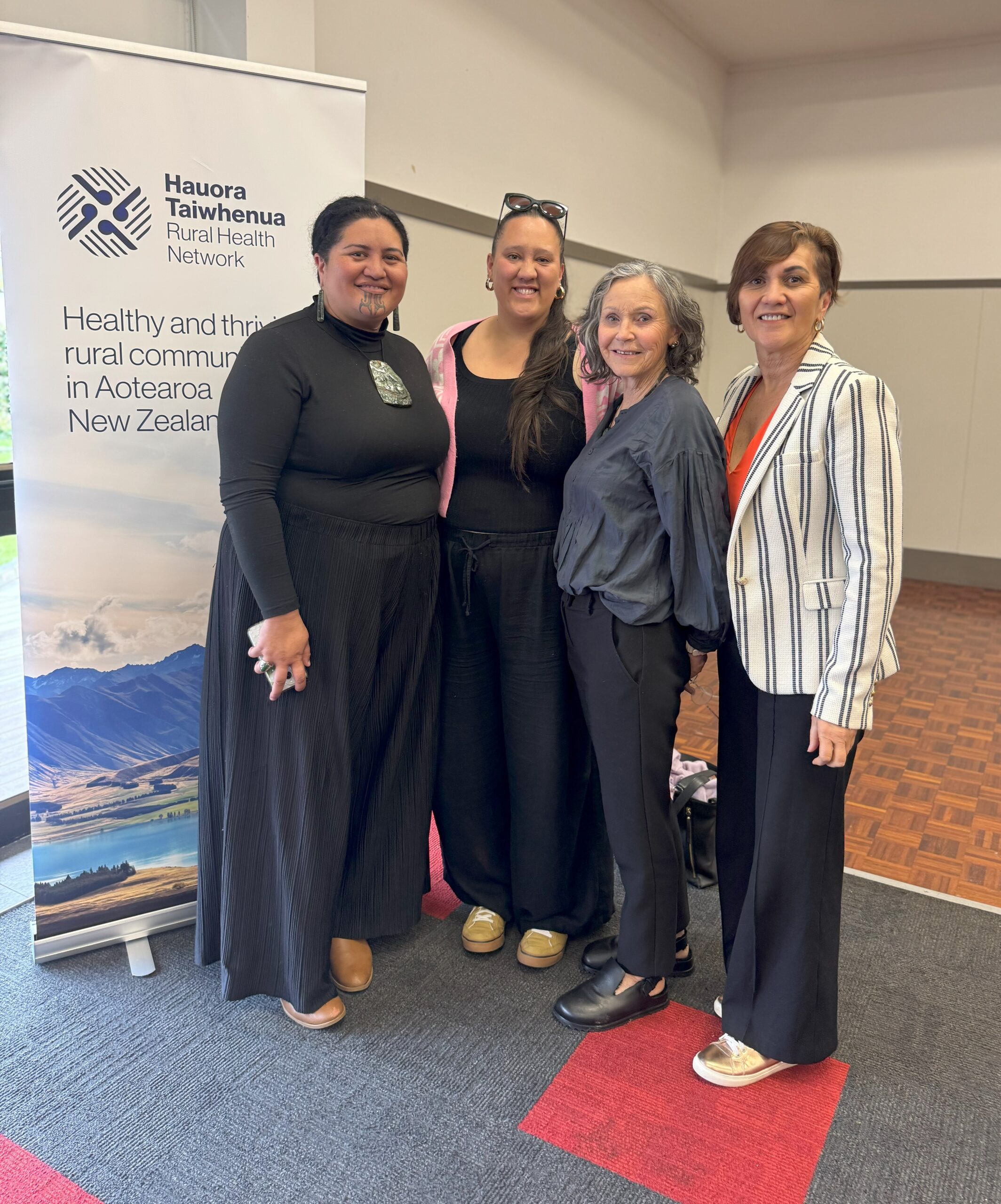
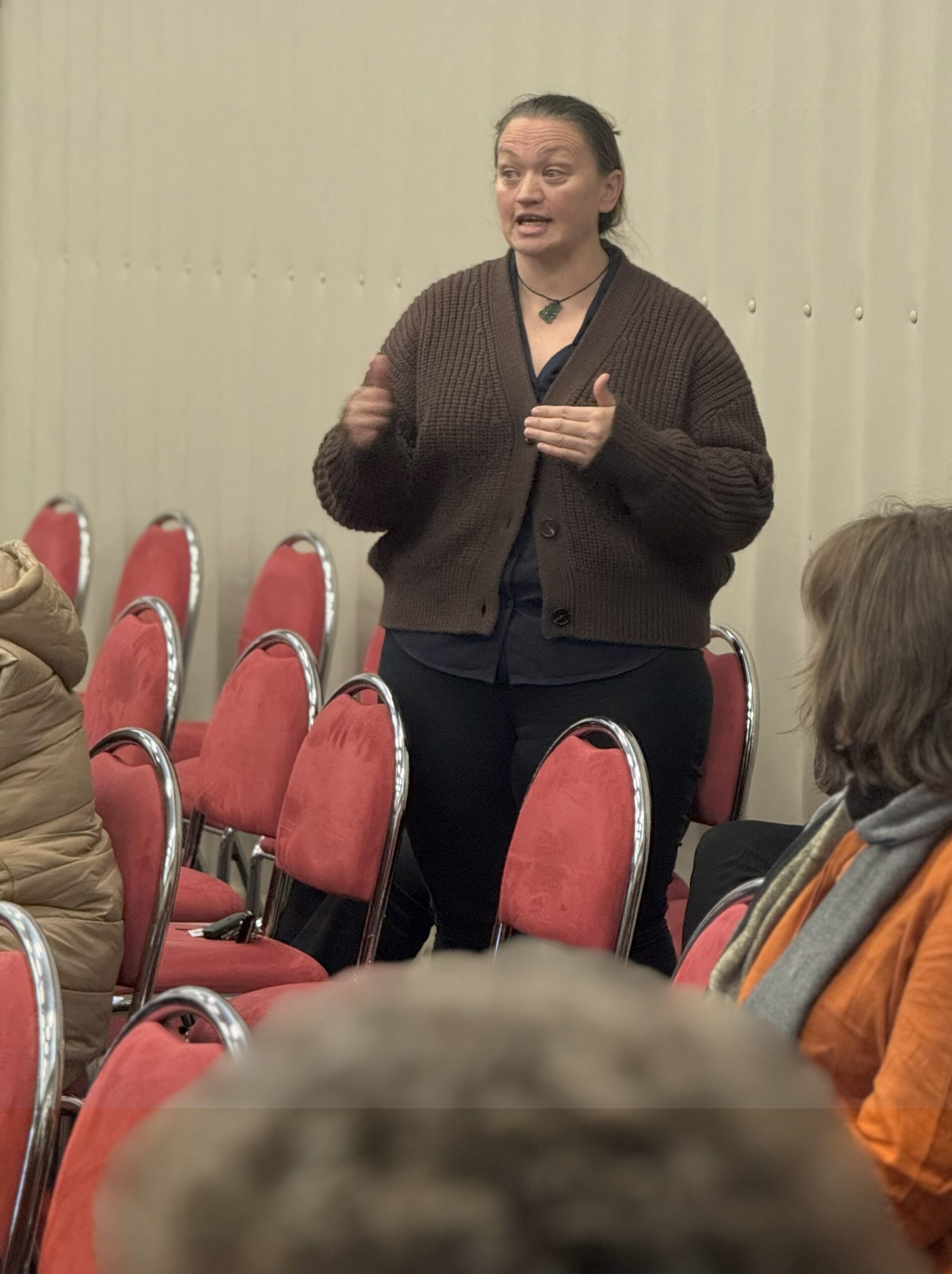
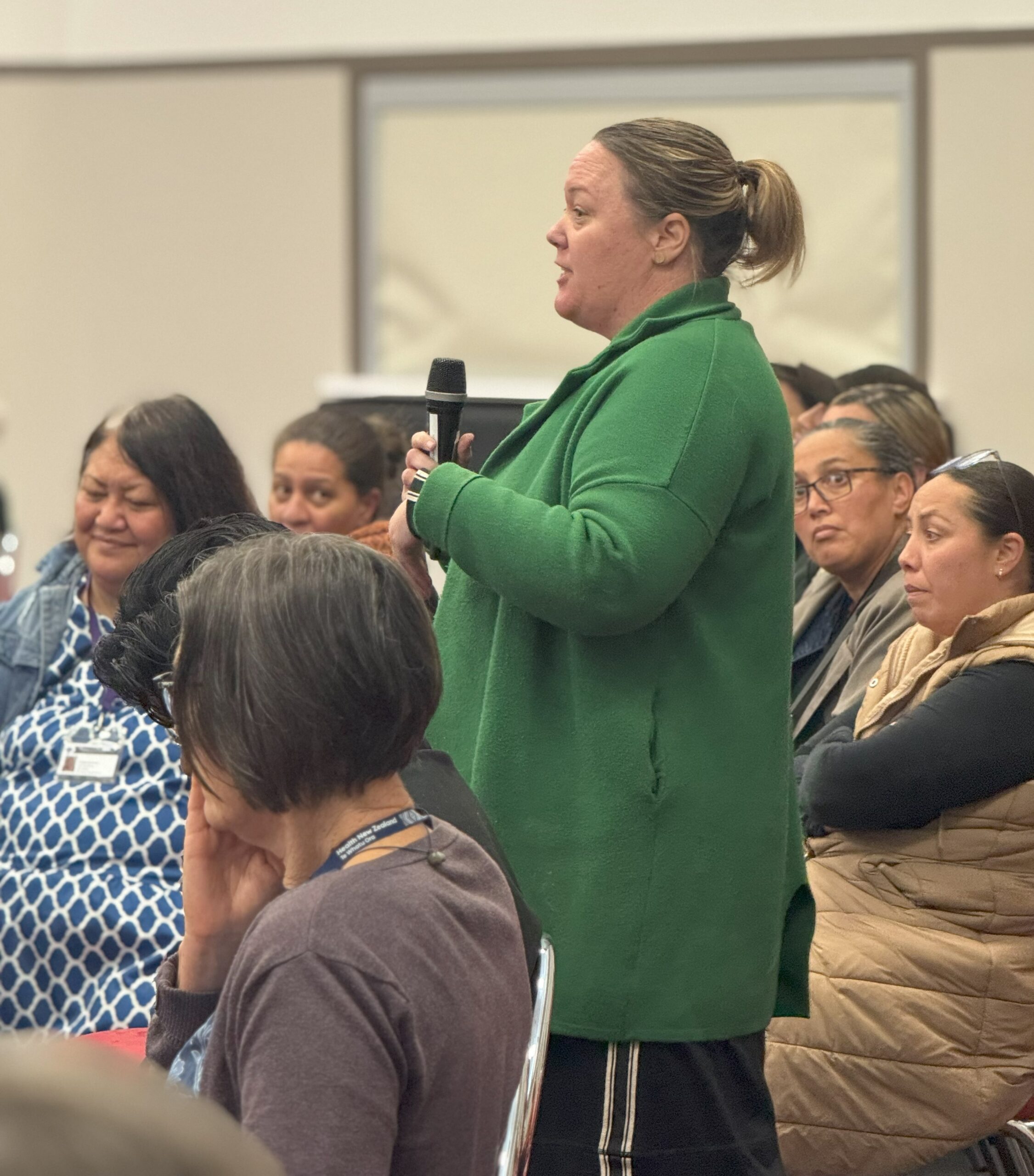
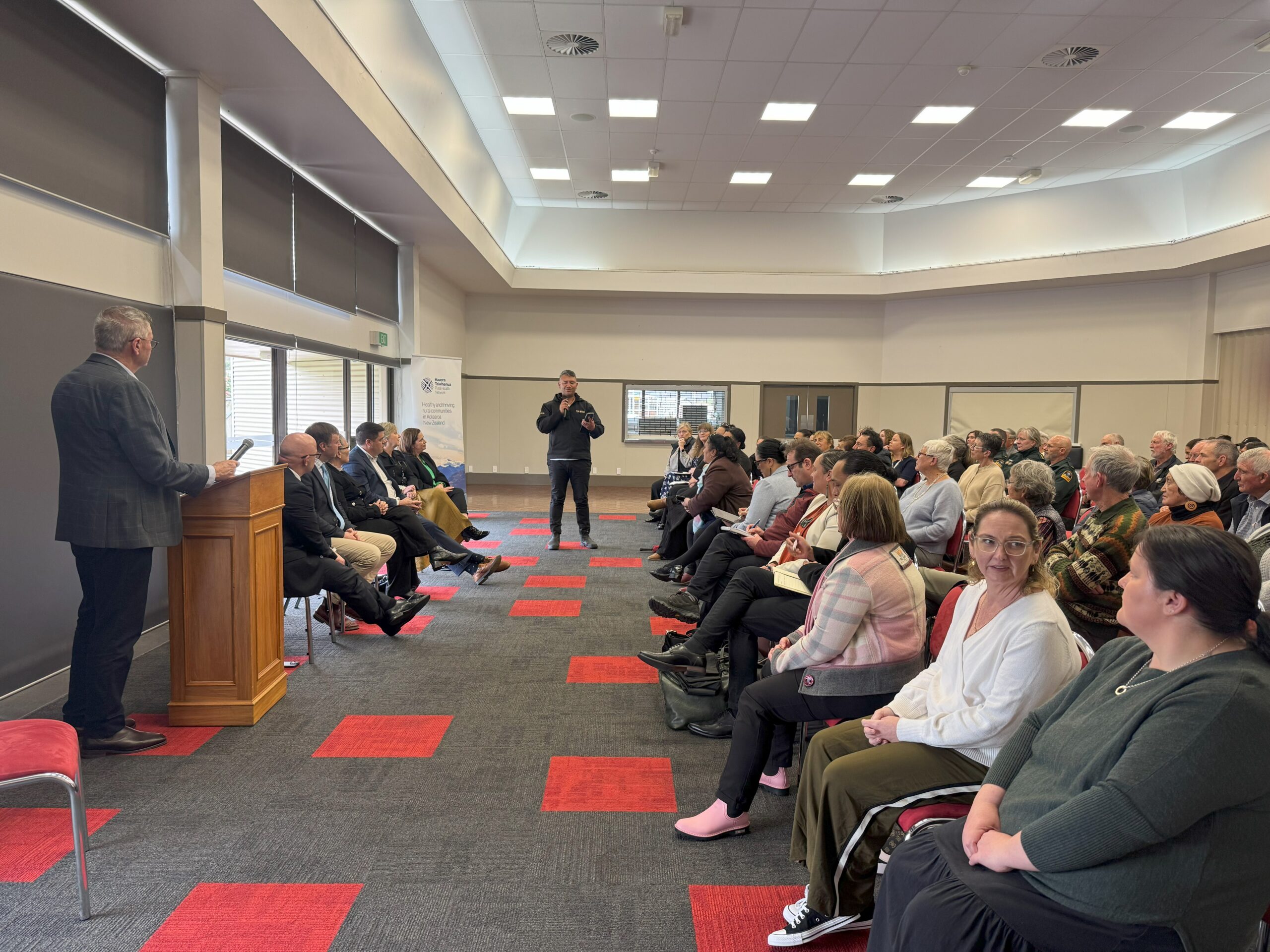
Yesterday, the Les Munro Centre in Te Kūiti was packed as Te Tiratū Iwi Māori Partnership Board attended the Rural Roadshow. Mental Health Minister Matt Doocey and Minister for Rural Communities Mark Patterson listened as the community spoke directly about the real issues affecting them so both ministers and bureaucrats heard their voices firsthand.
Minister Doocey admitted that while national targets for health services may appear strong, performance in rural areas, particularly for rangatahi Māori mental health, lags significantly behind.
“Nationally we might be hitting 80 percent, but in rural Māori communities, the figures drop sharply,” he said. He praised the importance of local decision-making, stressing that community knowledge is essential to design effective services, and shared that the government is prioritising investment in underperforming areas, with $2.8 billion committed to mental health services this year, aiming to resource local providers and lift access and outcomes.
Key Questions from the Community
Local doctors, Kaimahi, and hauora Māori providers raised concerns that included access to care, noting that in some rural areas travel times to a hospital can exceed three hours, meaning urgent care is often delayed. Workforce shortages were another pressing issue, with providers asking what strategies will be implemented to retain doctors, nurses, and Māori health practitioners in rural areas. Digital health limitations also surfaced, with communities highlighting the challenges of telehealth in areas without reliable internet. Sustainable funding and integration of services were other priorities, with providers questioning why many community services still receive only one-year contracts and how mental health, primary care, social services, and housing can be coordinated locally.
Various locals raised the broader determinants of health, including alcohol accessibility, youth vaping, housing, and poverty, noting that these factors directly influence mental health outcomes. A story was shared about intergenerational trauma, the lingering impact of war, and how past experiences of discrimination and stigma continue to shape the mental health landscape for whanau living rurally and remotely in the rohe today.
Ministers’ Responses
Minister Doocey spoke about targeted investment to underperforming regions and the importance of enabling local providers to design solutions from the ground up. Relational commissioning was highlighted as a key approach, allowing communities to develop services that meet their own needs rather than relying solely on top-down directives. He spoke about ambitious mental health targets, including one-week access for primary mental health services and three-week access for specialist services, among the fastest internationally.
Ministers discussed workforce development as a critical piece of the solution, encouraging rural students to pursue healthcare careers and return to their communities. Initiatives such as mobile health screening units, and integrated care prototypes currently on the drawing board as innovative ways to improve equity and access. Ministers also recognised the importance of preventative and early intervention services, stressing that timely support is vital to prevent minor health issues from escalating into serious conditions.
The meeting underlined that improving rural health requires both cross-agency government support and local leadership.
“Health isn’t just about seeing a doctor. It’s about housing, food security, education, and the broader environment. The government can pull a few levers, but ultimately communities drive what works,” said Minister Doocey.