
A new dawn for whānau ora: Te Tiratū at the launch of Rangitāmiro
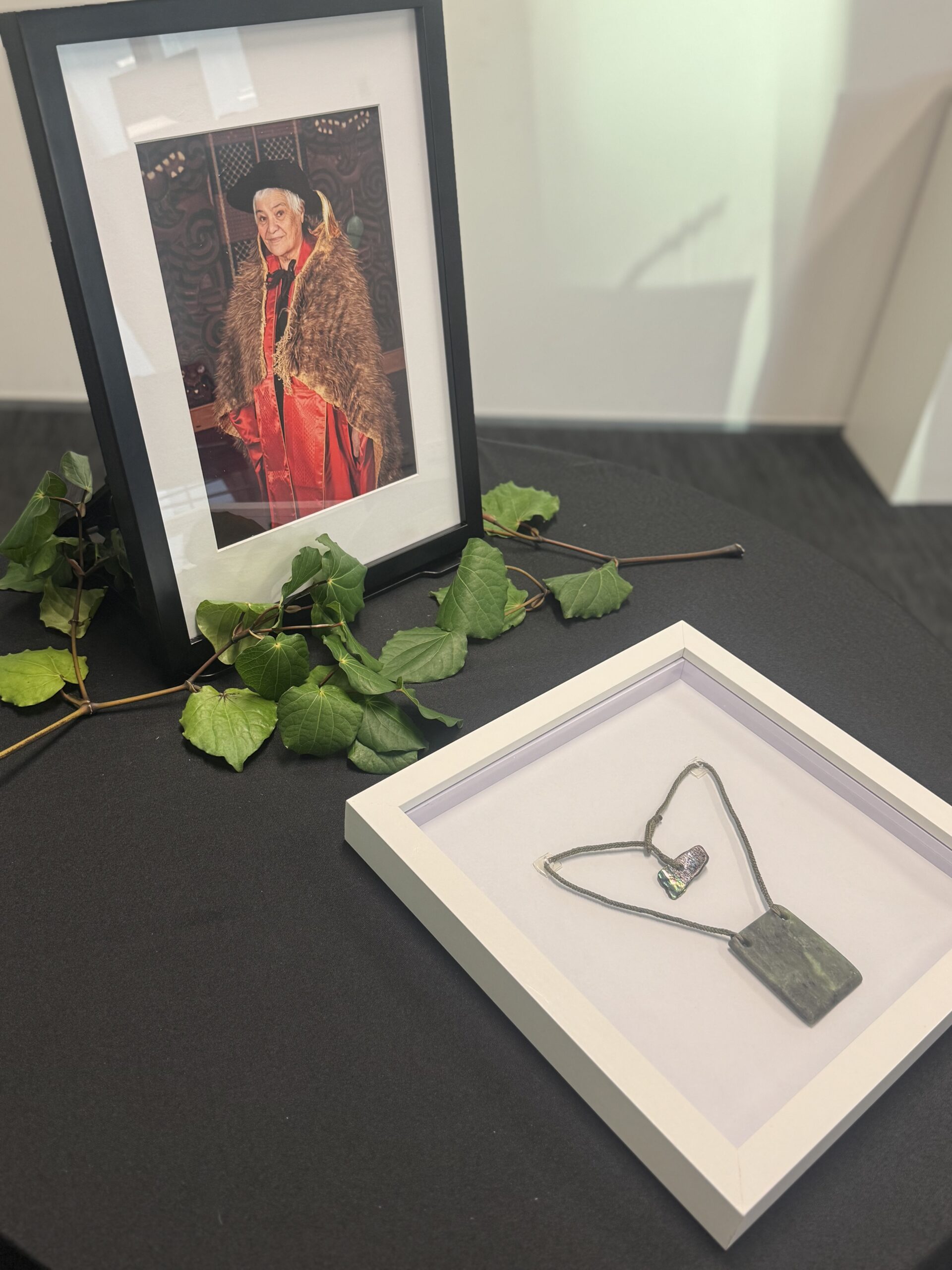
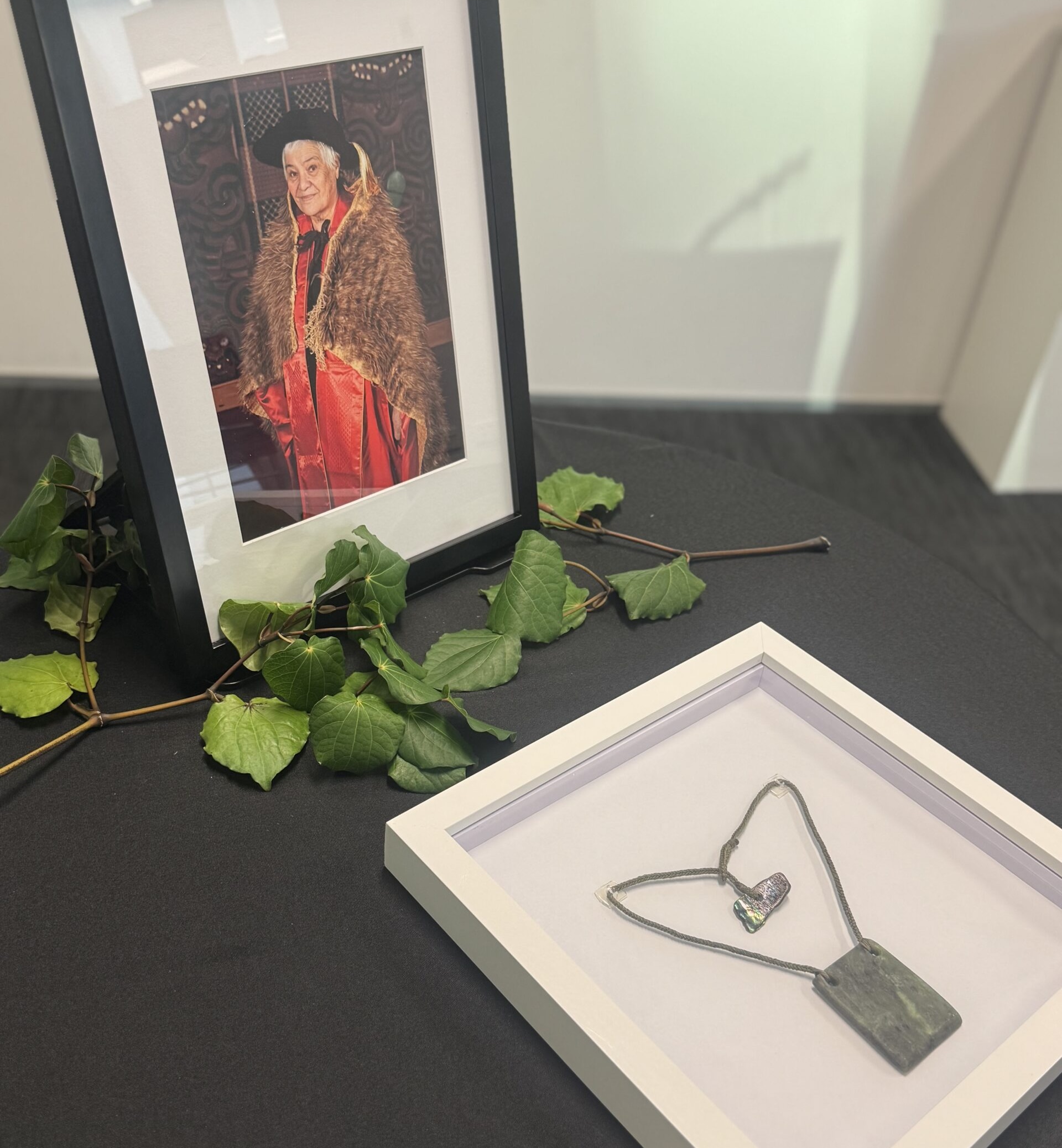
Photo: The late Kahurangi Tariana Turia and the mauri stone of Rangitāmiro
Early this morning, as the sun rose over Tāmaki, we gathered in karakia to mark the beginning of a powerful new chapter for Whānau Ora — Day One of Rangitāmiro, our new Whānau Ora Commissioning Agency for Te Tai Tokerau, Tāmaki Makaurau, Waikato, Hauraki and Tuwharetoa.
We carry forward the legacy of our beloved Kahurangi Dame Tariana Turia — with aroha, unity, and fierce determination. Her vision, rooted in manaakitanga, whanaungatanga, and tino rangatiratanga, continues to guide our mahi today. Whānau Ora is not just a policy; it’s a movement that centres whānau as the leaders and decision-makers of their own futures.
Rangitāmiro brings together the strength and vision of Te Tiratū Iwi Māori Partnership Board, Ngaa Pou Hauora oo Taamaki Makaurau, and the National Hauora Coalition (NHC). Together, we are focused on what matters most — the wellbeing and mana motuhake of our whānau.
Already operational, Rangitāmiro has contracted 301 kaimahi, including 120 new roles, to meet the growing needs of our region — from Tuwharetoa to the Far North. It holds the largest population of all four Commissioning Agencies and is committed to delivering services that support whānau across hauora, housing, kai security, oranga hinengaro, rongoā, financial wellbeing and more.
As a founding partner of Rangitāmiro, Te Tiratū stands proudly in our responsibility and honour to uphold Dame Tariana’s legacy. We were humbled to stand in karakia, to acknowledge our tūpuna, and to commit ourselves to this kaupapa once more — for our tamariki, our mokopuna, and all the generations to come.
“I mihi to all of the new commissioning agencies who put their hands up to continue this extraordinary mahi delivering Whānau Ora support. It’s evident that, despite it being our first day, it’s not our first experience with this kaupapa. We’ve been working with whānau for decades, and we’re resolute in taking those values, alongside the powerful legacy of Dame Tariana, forward into the future for our respective regions. Dame Tariana had always spoken of the importance of mahitahi, whanaungatanga, and manaakitanga for Whānau Ora,” Dr Mataroria Lyndon, Board member of both Te Tiratū Iwi Māori Partnership Board and Rangitāmiro.
Mā te huruhuru, ka rere te manu — with the right support, our people will soar.

Rangatahi real talk at the Kapa Haka regionals
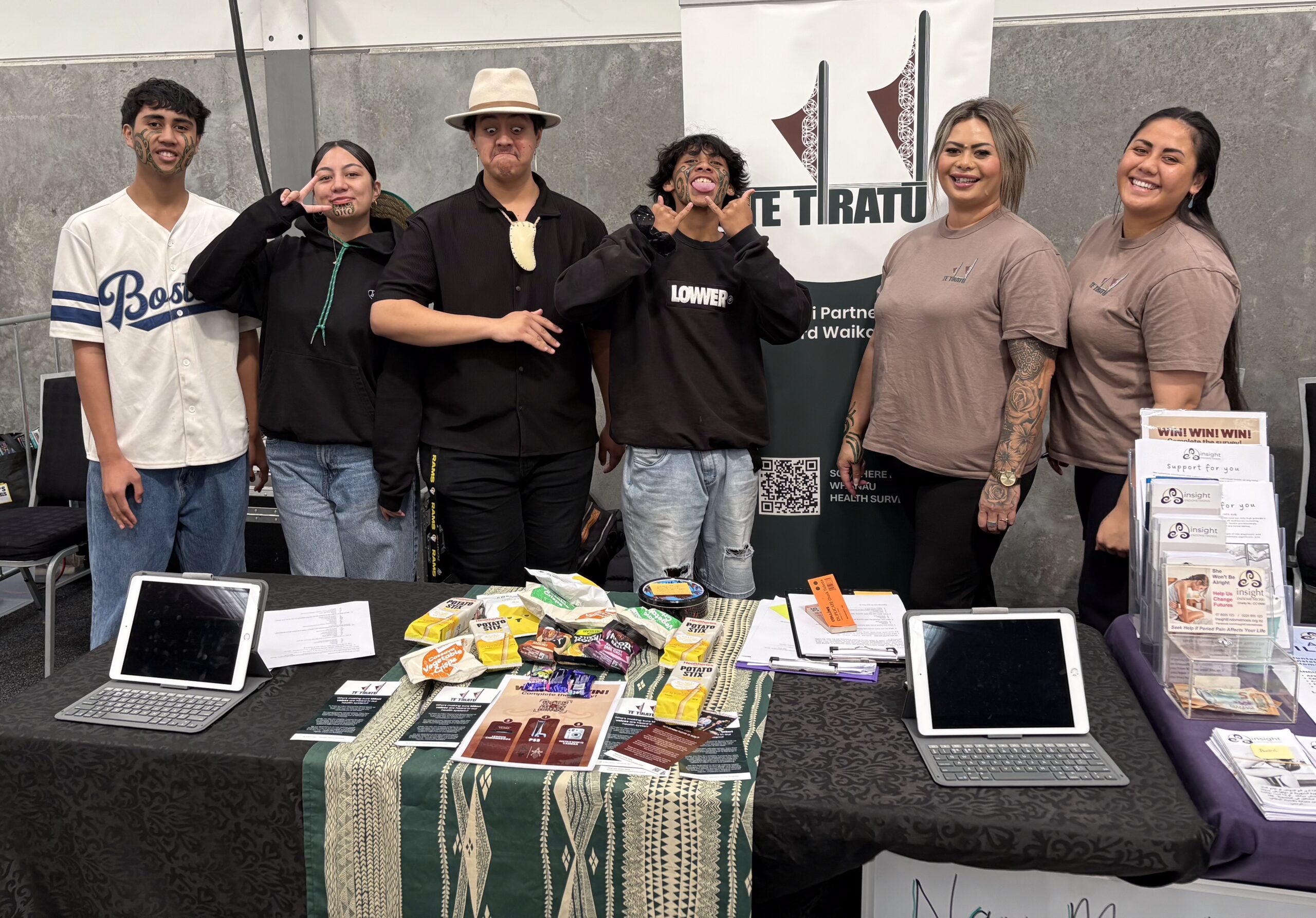
Photo: Rangatahi with Ngatini Torea and Raven Torea, Whānau Voice kaimahi
“We’re aware. We just need more support.”
That was the clear message from rangatahi and whānau who engaged with our Whānau Voice kaimahi at the inaugural Te Mokotini ki Tainui and Tainui Secondary School Kapa Haka regionals over the weekend. Alongside thousands gathered to celebrate te ao Māori, haka excellence, and hāpori, our Te Tiratū stand was part of a ‘Hauora Hub’ inside the doors of Claudelands Event Centre. The whare was humming with conversation — and concern. From rangatahi to kaumātua, whānau shared openly about their health journeys, what’s working, and what’s failing them.
What Our Rangatahi Are Saying
Across two days, rangatahi spoke frankly about what they’re facing. They’re switched on and vocal about the lack of mental health and sexual health education in schools — especially around hauora hinengaro. Many shared they learn more from social media than from the classroom. They know mental distress is a problem among their peers but feel unsupported by the current system. They want more—more kōrero, more guidance, and more honest talk in safe spaces. One rangatahi said it best: “We talk about it on TikTok, but not in class. That’s not right.”
Vaping: From “Cool” to “Can’t Stop”
We were alarmed by how widespread vaping is among rangatahi, particularly those aged 12 to 17. Nearly all told us they had easy access — either through shops not checking ID or older siblings buying on their behalf. What began as something “cool” quickly became something they couldn’t stop. Many now feel addicted. They want to quit, but said it’s hard — and support is scarce.
Their message was clear: restrictions aren’t enough. They believe a total ban is the only way to truly protect rangatahi. Importantly, they also called for earlier education, aimed at tamariki aged 10–12, before peer pressure kicks in and the dreaded addiction cycle begins.
Vaccination? Yes. Understanding It? Not So Much.
While most rangatahi had received their HPV vaccination at school, nearly none knew what it was for. One said: “I just signed the form. I didn’t even know what it was.”
This shows a huge gap in informed consent and health literacy. Our tamariki and rangatahi deserve to know what’s going into their tinana and why.
Primary Care: Cost, Wait Times & Whānau Avoiding Help
Whānau told us loud and clear: “If it’s not for the tamariki, we just don’t go.” The reasons are simple — long wait times and unaffordable costs. Standard GP visits range from $60 to $80, and after-hours care can be as high as $180. Many are turning to emergency departments by default, not because it’s ideal, but because it’s faster and more accessible. For some, the choice between paying rent or seeing a doctor isn’t really a choice — it’s about survival. While telehealth works for a few, unclear pricing has left others feeling misled — one whānau member was shocked when their father’s online consult cost more than an in-person visit.
Cancer Screening: Awareness Growing, But Gaps Remain
Many whānau had been screened for breast, cervical, or bowel cancer, but few had completed all three — and most had to initiate the process themselves, with little guidance from GPs or nurses. A registered nurse told us that while reminders appear in patient files, many health professionals simply overlook them. For wāhine, the screening experience was often described as cold and clinical, lacking cultural safety, with many feeling whakamā — exposed, undignified, and unlikely to return. There was positive feedback too, particularly around cervical screening reminders, which were clear and helpful, and the fast, reassuring turnaround times for breast screening results. However, follow-up care was inconsistent, and whānau made it clear they want more community-based education and engagement — they want to understand what to expect, why it matters, and how to access care before it becomes urgent.
Thank you For Your Truths
We’re deeply grateful to every whānau member and rangatahi who stopped by to share a laugh, a selfie, and a story — your voices are shaping the future of our hauora. Every kōrero is being carried forward in our regular reporting and meetings with Te Whatu Ora. We’re listening, and we thank you for trusting us with your truths.
Hauora at home: Everything under one roof in Whaingāroa
Poihākena Marae in Whaingāroa Raglan was the place to be this week as whānau gathered hauora check-ups, hosted by Toi Oranga in partnership with a range of local and visiting health providers. The open-door event invited whānau to drop in, share a cuppa, and check up on their wellbeing — all in a familiar, friendly environment.
Nurses were onsite offering general health checks, alongside a wide range of services including physiotherapy, mirimiri (traditional Māori bodywork), immunisation, cervical screening, and counselling. A Ministry of Social Development (MSD) staff member was also available.
Two Heart Foundation representatives were kept busy with blood pressure checks, while a local GP provided full consultations in a dedicated clinical space.
Having services close to home made a big difference, particularly for kaumātua who often face challenges accessing care, and for younger whānau looking for convenient, supportive options.
“Whānau felt more comfortable at the marae, and not having to travel far — and having everything under one roof in such a friendly space just made sense,” said Megan Tunks, one of our Whānau Voice kaimahi.
Predominantly Māori came, but some non-Māori as well. “They relaxed with a hot drink and some kai, connected with others, and visited different service providers while they waited.”
Many of the visiting providers, including the physiotherapist and mirimiri practitioners, were from the local community themselves — a powerful reminder of the strength and value of community-led solutions.
The kaupapa was simple and effective: bring health services to where whanau already feel safe, respected, and connected. The result? A whānau-first day grounded in manaakitanga, kaitiakitanga, and whanaungatanga— showing what’s possible when hauora is delivered with aroha.
Photo: Lesley Thornley, a physiotherapist and daughter of the late Dr John “Digger” Penman, who served as the local GP from the 1940s to the late 1960s before being succeeded by Dr Ellison; Megan Tunks, Whānau Voice kaimahi with the Te Tiratū Iwi Māori Partnership Board; and Pablo Rickard, affectionately known as Whāingaroa Raglan’s ‘unofficial Mayor’.

From the Frontlines at Waahi Whaanui: Mental Health and Addiction Gaps
On the frontlines of whānau support, the cracks in the system are becoming impossible to ignore.
This week, our Whānau Voice team visited Waahi Whaanui in Raahui Pookeka-Huntly that was established in 1983 by the Tainui Maori Trust Board as one of its ten Marae Cluster Management Committees that works across a vast rohe — from Mercer in the north, to Raglan in the west, Te Hoe in the east, and Kirikiriroa in the south.
They deliver an impressive range of integrated services: Whānau Ora, parenting support, family violence response, social workers in schools, rangatahi transition services, alcohol and addiction support, and more. Deeply embedded in their hapori driven by a commitment to uplift whānau. But even with all their expertise, one reality stood out: they’re doing critical mahi with our people experiencing a health system under immense strain. The need is growing significantly, particularly for our rangatahi.
Mental Health: Access Denied by Distance and Delay
For Raahui Pookeka based whānau,often access mental health assessment is to travel half an hour to Hamilton. Once seen, they’re referred back to local services in Raahui Pookeka—services that are already under immense pressure.
The latest data from Te Hiringa Mahara – Mental Health and Wellbeing Commission backs this up:
- 16,000 fewer people were seen by specialist services in the year to June 2024, compared to 2021.
- More than 10,000 of them were under 25 years old.
- The drop isn’t because fewer people need help—it’s because they can’t get it.
This is a crisis. Not just of access, but of dignity.
Addiction Support Has a Waitlist—But Pain Doesn’t Wait
There’s a four-week wait to see an addiction counsellor at Waahi Whaanui. For some whānau, that’s a tipping point. There is limited alcohol and drug support for rangatahi under 18. We heard that many rangatahi are in crisis, with no place to turn.
Kaumātua Saving Up Their Pain
Kaumātua said they “save up” their health concerns because of cost and not wanting to be hōhā or overburden already stretched services.
It is not tika that they should feel like a burden. They carry our whakapapa, our mātauranga, our mauri. They should be cherished and prioritised.
The Numbers Are Stark—But Not New to Us
Māori in Waikato are:
- 9 times more likely than non-Māori to be hospitalised for any mental or substance use disorder
- 6 times more likely for schizophrenia
- 7 times more likely for substance and alcohol-related harm
- And an average of 225 Māori (mostly wāhine) are hospitalised for intentional self-harm each year
In Hamilton, over 2,000 Māori aren’t enrolled with a GP—shut out from the most basic preventative care.
Where to From Here?
What we saw was a failure of the health system to support providers like Waahi Whaanui who are under pressure, the increased caseload of kaimahi carrying too much without the resources they need, and whānau trying to hold on without falling through the cracks.
We stand alongside them—and we raise their voices.
Last week the Government announced a $28 million investment over four years in Budget 2025 to shift the response to 111 mental distress calls from Police to mental health professionals. For frontline providers like Waahi Whaanui it will take far more to address the deep gaps in accessibility, workforce, and culturally grounded care.
Te Tiratū is calling for:
Providers to be adequately resourced to cope with the increasing demand on services
- A focus on services for rangatahi under 18 that are locally relevant and accessible
- Appropriate whanau orientated triage processes
- Culturally grounded, local solutions led by whānau, hapū and iwi
Te Tiratū will continue to amplify your voice until the system listens.
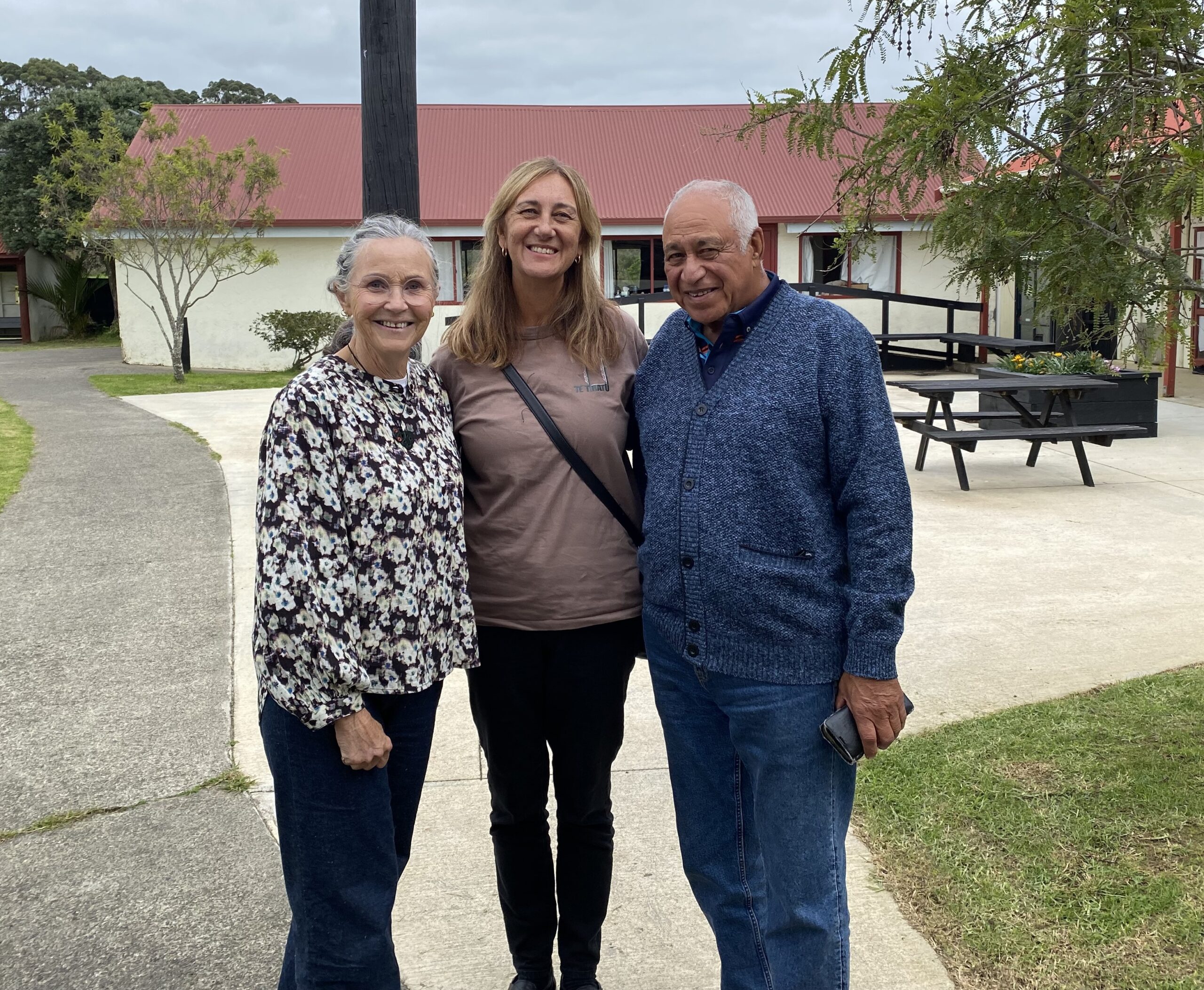
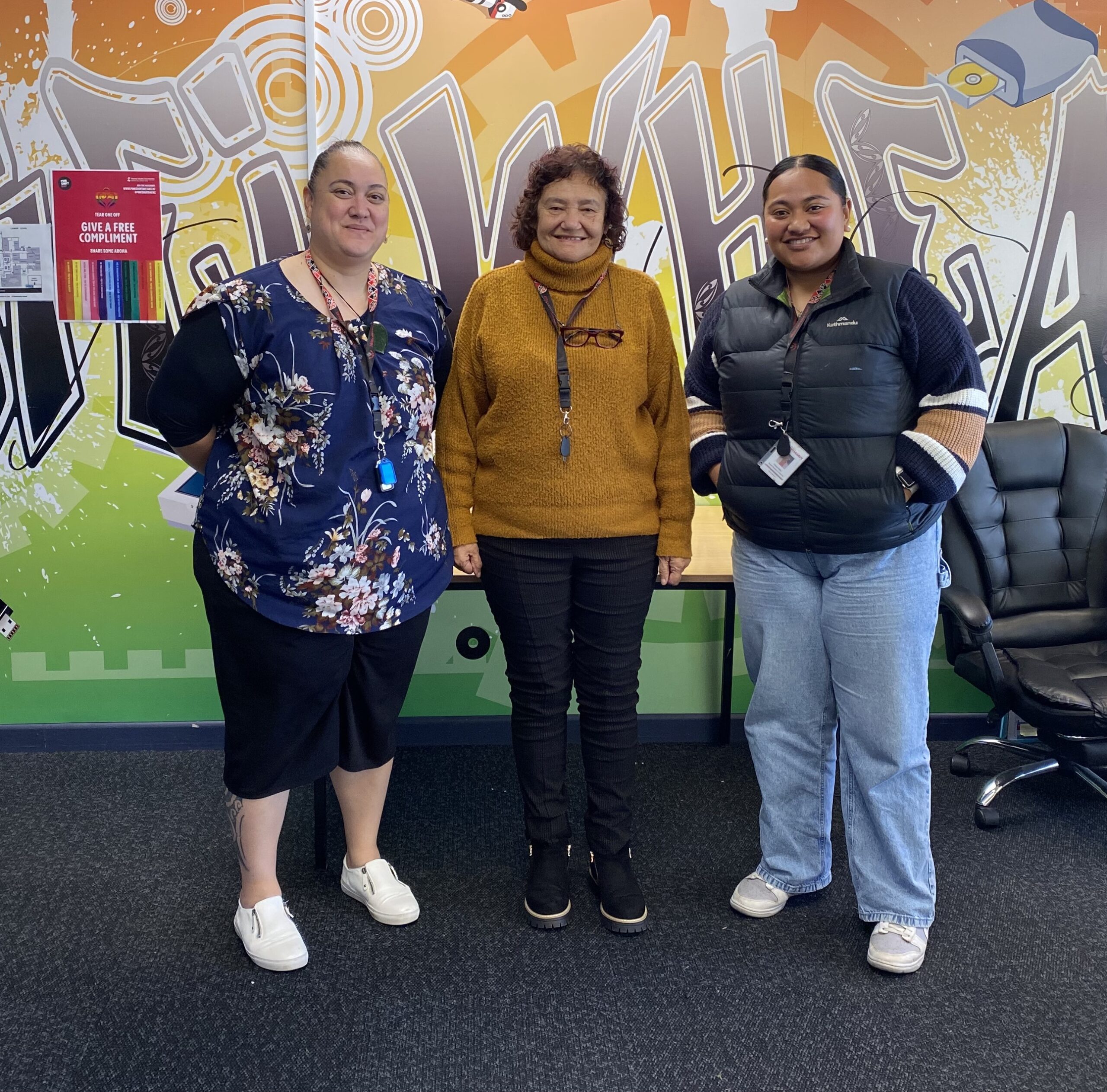
From left to right: Rawinia Marsh – Integrated Services Manager Waahi Whaanui Trust, Fiona Helu and Hemi-Lee Morgan – Whānau Ora Team.
Maniapoto rising: “We know what works”
Our Whānau Voice kaimahi and Tumu Whakarae attended a recent hui held at Te Kūiti, hosted by Maniapoto Marae Pact Trust where a strong and heartfelt kōrero unfolded about the state of hauora for whānau across the Maniapoto rohe.
Frontline kaimahi, whānau navigators, and community leaders — including CEO Shirley Turner — came together to shine a light on what’s working, what whānau are asking for, and where the system is falling short.
“Our people know what works — we just need the system to back us,” Shirley said.
Maniapoto Marae Pact Trust offers a suite of integrated health and social services designed to walk alongside whānau, ensuring every door is the right door. These include:
- Kaiārahi Services – placing whānau at the centre, helping them define and lead their own goals across multiple service areas.
- Whānau Direct – offering fast, flexible support when whānau need it most.
- Disability support and mental health services, including social workers in schools.
- Tamariki Ora – a standout success story. The Tamariki Ora nurse and whānau navigator work together in the community, achieving strong immunisation rates despite not receiving equitable funding.
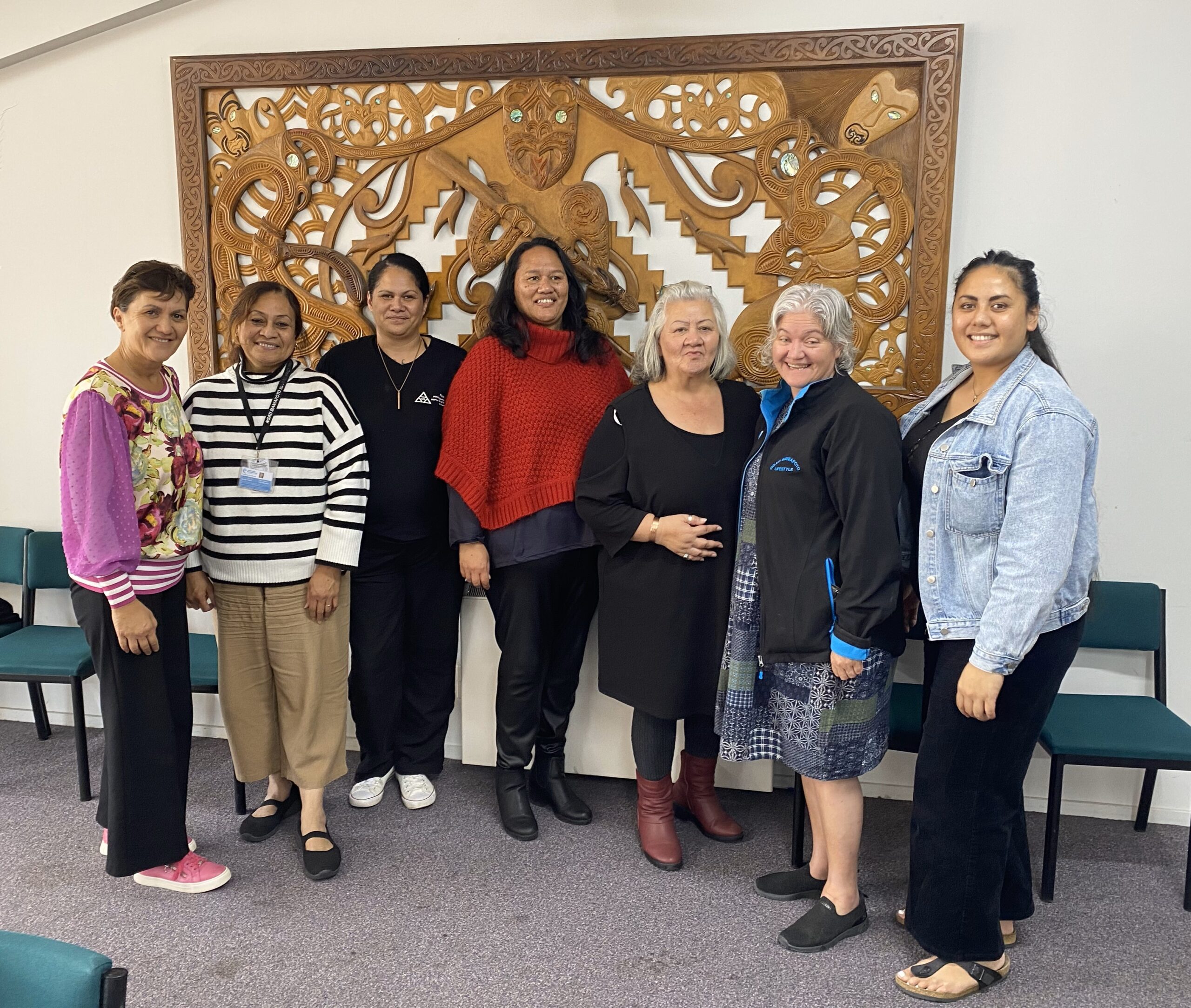
Photo from left to right: Te Tiratū Tumu Whakarae, Brandi Hudson with kaimahi of Maniapoto Marae Pact Trust – Sauaga Poliko, Lisa Kerekere, Rena Morgan, Honour Muraahi, Adrianna Astle and Raven Torea our Whānau Voice kaimahi
The Trust also contributes to Healthy Families Te Kūiti, with locals like Michelle Wi running weekly Māra Kai workshops on preserving, pickling, and food sovereignty — all part of a wider push for long-term wellbeing.
Shirley was clear about how the Trust works, “Whānau are in the driver’s seat — and that’s how it should be. Our services walk with them, not ahead of them.”
Systemic Challenges Undermining Equity
Despite these local strengths, systemic failures continue to undermine outcomes for Maniapoto whānau.
One striking example shared at the hui was of a kuia who was rushed by ambulance to Waikato Hospital with minimal belongings, only to be sent home later in a shuttle and left on the roadside.
It was only thanks to a member of the public contacting a local health worker that she made it home safely. This case highlights the urgent need for a more responsive, automatic travel support process — particularly around the National Travel Assistance (NTA) scheme.
“There needs to be a built-in, automatic system for whānau travel vouchers — not an afterthought.”
Other systemic concerns raised include:
- Falling through administrative cracks in post-hospital care and transport.
- No sustainable funding model for high-performing but underfunded services like Tamariki Ora.
- The need for better wellbeing measurement tools that reflect whānau realities.
- A desire for more regular, locally based specialist outreach, especially for kaumātua and kuia.
Networks and Ngā Kaupapa o te Rohe
The hui also acknowledged the strength of local collaborations — such as the Waitomo Community Health Forum and initiatives like Harvest to Home and Wai to Kai, which focus on food resilience, sovereignty, and wellbeing.
The message from Maniapoto is clear: local, kaupapa Māori solutions are working — but they need resourcing and system-level support.
“We’re seeing positive outcomes because our services reflect the lived reality of our whānau. But without equity in funding and process, our people continue to carry the cost,” said one kaimahi.
Rangitāmiro leads the way – First Commissioning Agency to complete Whānau Ora procurement process
PANUI FOR WHĀNAU ORA PROVIDERS
IN TĀMAKI MAKAURAU & TE TAI TOKERAU
21 May 2025, 6:00 PM
2 minutes to Read
Rangitāmiro is proud to announce that it has successfully completed its inaugural Whānau Ora procurement process and today formally notified successful providers across Region One. This is a significant milestone and reaffirms a commitment held by Rangitāmiro to honour the whakapapa of whānau ora through strengthening service networks, regional capability, reach and service coverage, ensuring and enabling whānau wellbeing.
A comprehensive and values-led procurement process that interim Rangitāmiro Chair, Dr Rachel Brown knows will shape the future of Whānau Ora delivery.
“We are honoured to be able to give providers and communities across Aotearoa confidence in the continuation of Whānau Ora services with minimal disruption, whilst ensuring growth in capacity means service reach and coverage will increase allowing more whānau to access the services they need.
Key achievements from this process include:
• Guaranteed continuity of services for whānau from 1 July 2025, with proactive steps to minimise transition disruption
• An increase in frontline Kaiwhiriwhiri Whānau FTE, supporting a stronger navigation workforce across all regions
• Expanded reach into isolated and rural communities, enabling better access to culturally anchored, whānau-centric support
• The onboarding of new providers, bringing fresh innovation, insight, and presence in areas where service gaps previously existed
Dr Brown acknowledges the tenacity of providers and whānau in the short timeframe.
“Today’s announcement signals the next chapter in our partnership with whānau and reinforces our long-term commitment to the transformation and future of Whānau Ora. Our kaupapa is grounded in empowering whānau, driving better outcomes, and expanding service reach to underserved and high-need communities.”
Rangitāmiro is a collaborative entity comprised of Te Tiratū Iwi Māori Partnership Board, the National Hauora Coalition, and Ngaa Pou Hauora oo Taamaki Makaurau Iwi Maaori Partnership Board.
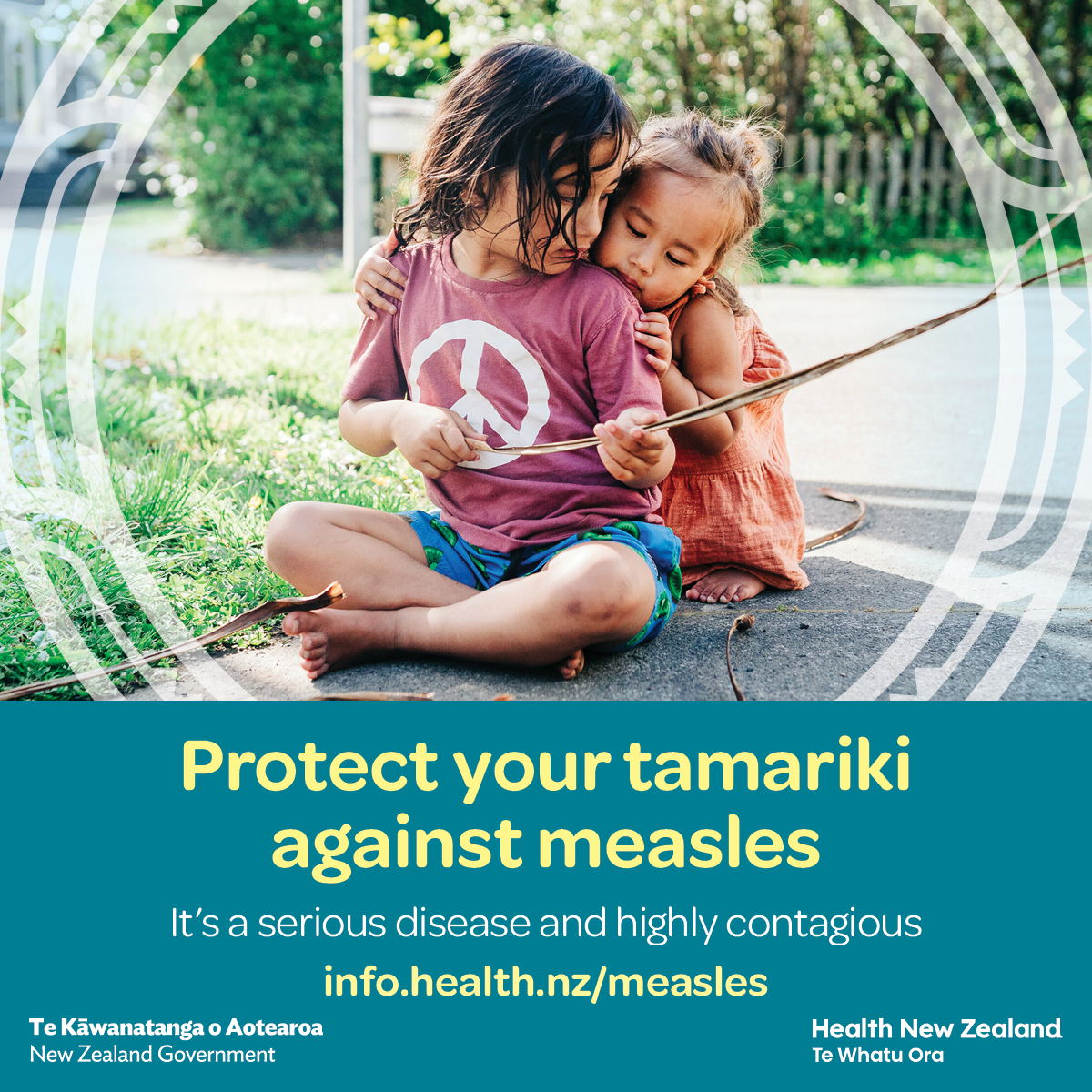
Measles is back in Aotearoa — Protect your whānau now
A confirmed case of measles has been reported in Tāmaki Makaurau (Auckland). The person had recently returned from Asia on 29 April and became infectious on 2 May.
Te Tiratū Iwi Māori Partnership Board in the last 24 hours has received a further briefing from Te Whatu Ora – Health New Zealand about the outbreak. You can check for update on locations of interest HERE.
Tainui Waka Rohe: Tamariki Immunisation Rates Are Low
In our rohe, only 62% of tamariki under 2 years old are immunised against measles — well below the national target of 95%. This makes our communities vulnerable to outbreaks and puts pēpi, kaumātua, and immune-compromised whānau at serious risk.
Protecting Our Whakapapa: Immunise Against Measles
Measles is a serious, fast-spreading illness that can affect both tamariki and pakeke.
Why Immunisation Matters
- Measles spreads quickly and can be dangerous — especially for Tamariki under five.
- Adults can catch measles too, and risk passing it to mokopuna who are too young to be vaccinated.
- The MMR (Measles, Mumps, Rubella) vaccine is safe, effective, and has been used in Aotearoa since 1990.
- Two doses after the age of 12 months protect 99% of people from measles.
What You Can Do – Right Now
- Check if your tamariki or rangatahi have had 2 doses of the MMR vaccine.
- If you’re unsure whether you’re protected, especially if born after 1 January 1969 — get vaccinated.
- Encourage kōrero within your whānau and hapū about immunisation – sharing trusted info saves lives.
Free. Safe. Effective.
The MMR vaccine is free for all under 18s, and for adults eligible for funded healthcare.
It has an excellent safety record and does not contain any pork (porcine) products.
He Pēpi? He Māmā Hapu?
Pregnant wāhine can’t receive the MMR vaccine — so it’s important to make sure everyone around them is protected.
Measles during pregnancy can cause miscarriage and premature birth.
Who Can Get Vaccinated – and When?
Tamariki:
- 1st dose at 12 months
- 2nd dose at 15 months
- Missed a dose? Catch-up vaccinations are FREE
Pakeke (Adults):
- If you’re not sure you’re protected and were born after 1 Jan 1969, get vaccinated – it’s safe to have extra doses.
- If you’re pregnant, you cannot get the MMR vaccine — but it’s safe to get it after baby is born and while breastfeeding.
Overseas-born whānau:
- Had your vaccinations overseas? Check your records with a doctor.
- No records? Still get vaccinated — it’s safe.
- Some countries vaccinate babies before 12 months – they may need extra doses here in Aotearoa.
It doesn’t matter what your immigration status is — the MMR vaccine is FREE for all under 18
- Over 18? The vaccine is still free if you’re eligible for funded healthcare.
He Pātai?
- Talk to your doctor, nurse, or health provider
- Call Healthline – 0800 611 116
- Visit: info.health.nz/measles
- Learn more at: immunise.health.nz
Tō tātou haumarutanga kei a tātou — Our collective protection starts with each of us.
Norton neighbourhood shares a few home truths
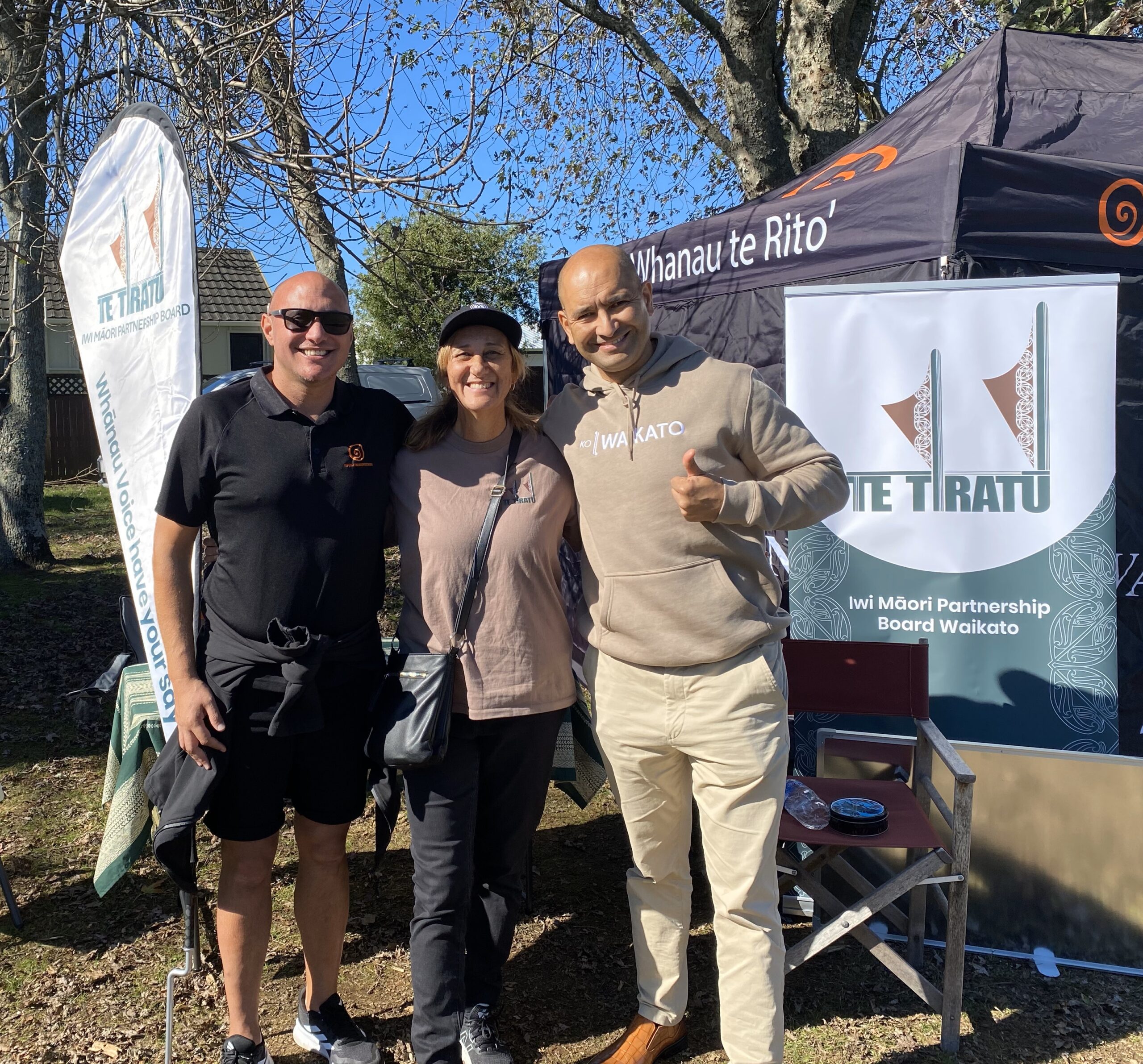
This weekend, in the heart of Norton, Hamilton, our Whānau Voices kaimahi joined a neighbourhood Hauora Event organised by the Wairiki Whānau Mentoring Trust, a Māori-led organisation dedicated to creating meaningful change for whānau living at the margins across the Waiariki and Waikato regions.
It provided a positive, safe and non-judgemental space where whānau could speak openly—free from stigma or blame. This environment allowed them to reconnect with their true selves, laying the foundation for healing and unlocking the potential for deep, transformational growth.
The gathering brought together whānau, local hapori, and the local MP, Tama Potaka. His presence highlighted the importance of connecting political leaders with the real experiences of whānau at the flax-roots willing to share their kōrero about the challenges they face within the health system.
Our Whānau Voice kaimahi were there specifically because Norton is a community marked by pockets of higher deprivation, often tied to long-standing inequities. These conditions create unique challenges for our people that need to be heard firsthand.
“They didn’t know who we were,” said Megan Tunks from Whānau Voice Te Tiratū Iwi Māori Partnership Board. “But we had more conversations in person with whānau, rather than relying on questionnaires.”
The stories shared revealed the harsh realities whānau face: “Whānau told us they’re waiting weeks just to see a GP—if they can afford it at all. Some are turning to A&E because urgent care is too expensive, and regular appointments are too short to get the help they need,” Megan said.
Photo: Waata Heathcote Chief Operating Officer Wairiki Whānau Mentoring Trust, Megan Tunks Whānau Voice kaimahi Te Tiratū Iwi Māori Partnership Board and the local MP, Tama Potaka.
One particularly poignant story was of a kaumātua who had suffered multiple strokes but was left waiting at a clinic with no clear support. “These stories speak to something deeper—it’s not just about access; it’s about trust and the way services engage with our whānau.”
For many, these struggles go beyond the healthcare system. “Our people aren’t just talking about barriers; they’re talking about survival—housing struggles, accessibility blocks, healthcare gaps, and the hopes they carry for their tamariki and mokopuna.”
Megan believes this feedback reveals a clear need for more mobile services that meet whānau where they are at. Hauora Māori services, she said, provide a safe and trusted space where whānau feel less judged and more understood.
This shift towards more accessible, mobile, and culturally supportive health services is vital for creating meaningful change in the lives of whānau.
Throughout the hui, common themes emerged around the need for culturally safe services, wraparound whānau support, and systems that honour te ao Māori ways of being.
These whakaaro are invaluable, and the voices captured will inform local priorities, service design, and future planning—ensuring that whānau are not just consulted but are co-creators of the solutions that impact their lives.
When whānau voices are elevated, transformation is not only possible, it is inevitable.
Ngā mihi nui to all who shared their time, courage, and whakaaro.
Turning whānau truths into system change - April 'whānau voice' report recap
At Te Tiratū Iwi Māori Partnership Board, our role under section 29 of the Pae Ora (Healthy Futures) Act 2022 is clear: to represent Māori voices—and to champion better health outcomes, better services, and better ways of working with the health system that reflect our realities, values, and aspirations.
Our April Whānau Voice Report lifts the lid on what’s happening in our homes, clinics, and hospitals—and what our whānau are calling for. We heard from 53 in our rohe, mostly Māori, mostly wāhine.
Behind every percentage and piece of data is a story—a lived experience of a whānau member trying to navigate a health system that too often feels cold, distant, and unaffordable.
“We’re still waiting.”
Too many whānau are waiting too long for care—GP appointments, referrals, or surgeries. Many whānau are living with multiple long-term illnesses—diabetes, cancer, heart disease—and are expected to manage complex conditions without enough support.
- 23% of respondents said the availability of healthcare is their biggest barrier.
- Many also shared that GP appointments are hard to get, and they often resort to visiting the hospital for non-urgent care.
One kuia shared how her husband finally had life-saving heart valve surgery—but no cardiac follow-up. “No specialist for his 6-week check-up—he wasn’t seen for 11 months. They found a growth and a tear around the valve.” She says they were lucky. What if they hadn’t pushed?
Whānau told us delays in accessing care—from GPs to surgery—are harming their health. “I’ve been waiting for gallbladder surgery since June 2023. It’s stopping me from going back to work.”
A mother said she’s been on the waitlist for her child’s ear operation for two years. Her tamariki has asthma, and their whare is cold. “Keeping the house warm is hard,” she said. “But we try.”
Another was battling on all fronts saying, “I’m dealing with diabetes, AFib, rheumatic fever, dementia, and a family history of cancer.” The lack of mental health services is not meeting the needs of whānau either —especially for tāne and tamariki.
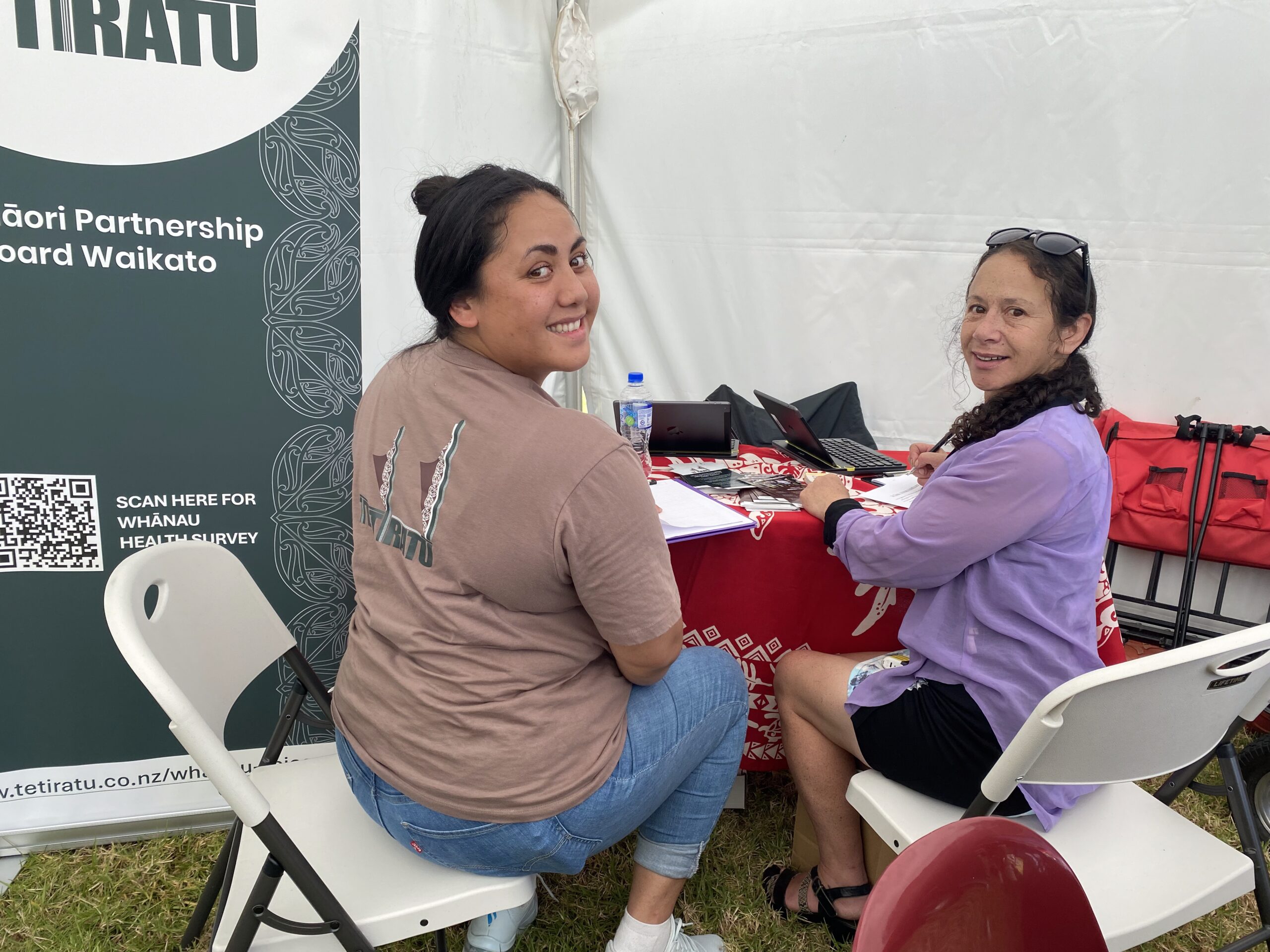
Photo: Raven Torea Whānau Voice kaimahi Te Tiratū Iwi Māori Partnership Board and local whānau giving whakaaro.
“Not enough money.”
This is the silent crisis. Whānau are struggling to afford warm homes, healthy kai, and basic healthcare. For many, choosing between kai and medication is a painful daily decision.
- 27% of whānau said the cost of care is their biggest health barrier.
- That’s more than one in four.
The cost of living came up more than any other challenge. One father shared:
“I work seasonal jobs. I can’t always afford the doctor. So I wait.”
Another said: “Appointments, prescriptions, fuel to get there—it’s too much. Sometimes we choose between kai and meds.”
This is more than just money. It’s about dignity. About being forced to choose between filling a prescription or putting food on the table. About delaying care until it’s urgent.
“We go to the hospital because there’s nowhere else.”
When GP appointments aren’t available, hospitals fill the gap—especially for rural whānau.
- Many whānau told us they use ED services for non-emergencies.
- Others described long wait times, lack of transport, and stress.
Some said they waited from 8-11 hours at A&E—long, draining hours for kaumātua, pēpi, and māmā. Rural hospitals had shorter wait times 3-6 hours. Some had to give up and go home. Others sat in shuttle vans all day to reach the nearest hospital, with no breaks, no support, and no energy left.
“We’re rural,” one koro said. “It’s hard to get anywhere. The system wasn’t built for people like us.”
“We want doctors who understand us.”
Whānau told us they feel safer and heard when care is delivered by people who understand their world, their tikanga, their reo.
- 14% of respondents said the cultural safety of care needs to improve.
- Many said Māori health workers and services made a positive difference.
“We need more Māori nurses and doctors. They get us. They listen. They didn’t just treat us. They respected us.”
“When we went to a kaupapa Māori clinic, they treated us with mana. It wasn’t just the medicine—it was the whole experience.”
But too often, not everyone receives that experience and the opposite is true. One whānau shared a story about caring for their kaumātua in hospital: “The immigrant nurse lacked empathy. No pillow, no kindness, no empathy – it hurts.”
“We’ve got ideas, if someone would listen.”
Whānau didn’t just tell us what’s wrong—they told us what would help. Their priorities were consistent, clear, and backed by strong numbers:
- 24% of whānau said we need more doctors, more appointments, and shorter wait times. Our people are tired of waiting weeks—or months—to be seen.
- 27% said the cost of care is too high. Lower costs, especially for low-income families and those not eligible for subsidies, would make a huge difference.
- 14% called for better transport and services closer to home especially for rural and remotely based whānau, distance is a major barrier. More transport options and local services are needed.
- Another 14% asked for more culturally safe, Māori-led care—where whānau feel seen, heard, and respected.
- 13% want services that talk to each other, with better coordination and communication between providers, clinics, and hospitals.
- 10% reminded us that health doesn’t exist in isolation. They want whānau-centred, holistic support that includes safe housing, stable income, kai, education, and justice.
“Our care needs to reflect our world. Te ao Māori matters in healing.”
“It’s not just one thing—it’s everything.”
Whānau know what good care looks like. The system just needs to catch up.
These stories are not isolated—they are consistent, urgent, and reflect the reality that for many whānau, the health system is not delivering what it promised.
Te Tiratū carries a legal and moral responsibility to ensure our Whānau Voice reporting is heard. We will continue to advocate for a health system grounded in manaakitanga, equity, and tino rangatiratanga.
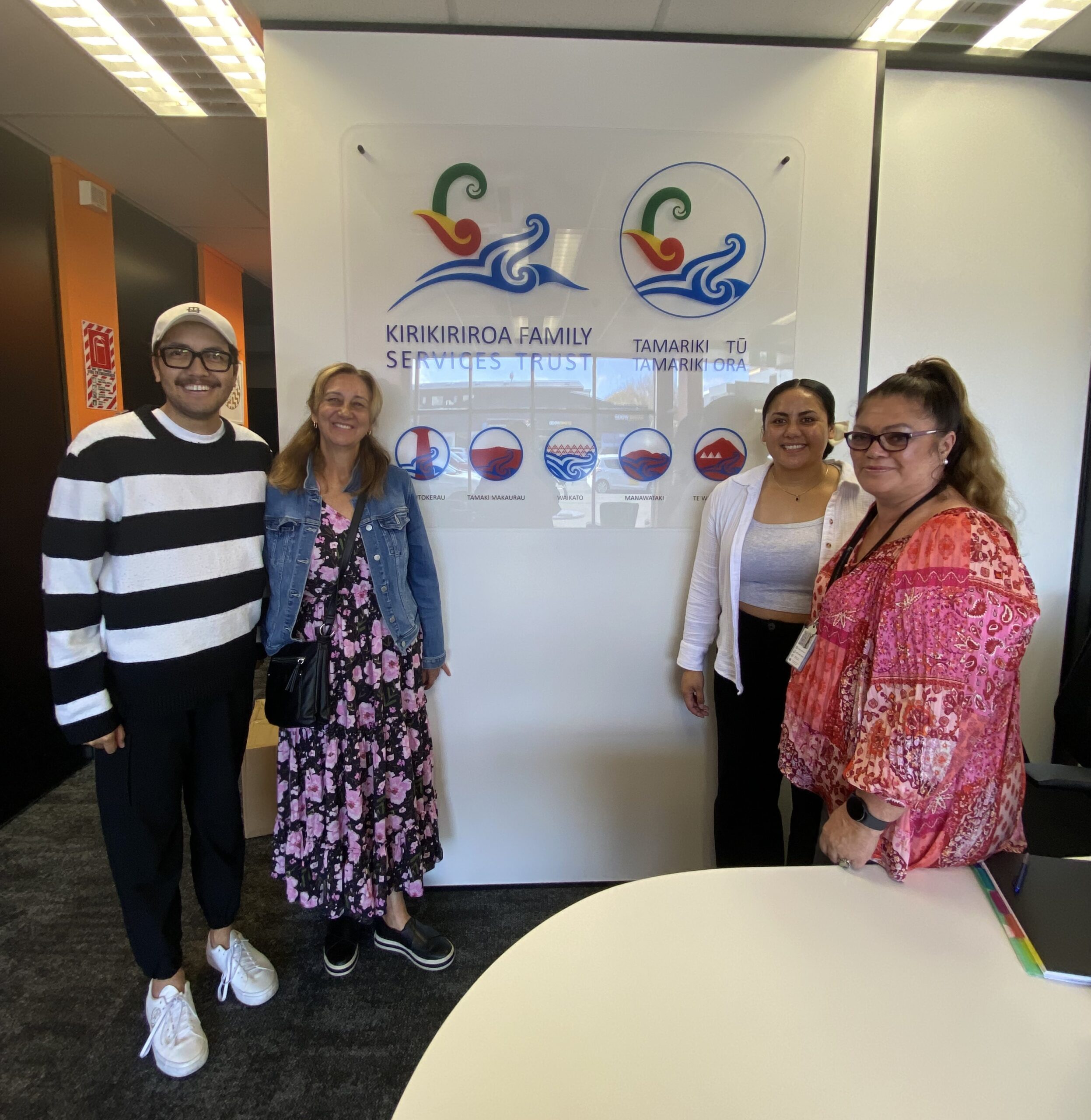
Building bridges with those who walk alongside whānau
Our Whānau Voice team had the privilege of visiting Kirikiriroa Family Services Trust in Kirikiriroa. This kaupapa has its roots in a unique tri-partnership between tripac partnership formed between Maatua Whāngai o Kirikiriroa, Specialist Education Services and Te Kōhao Health to provide the Family Start programme in Hamilton City.
Together, they built a service grounded in early intervention and strengths-based practice — empowering whānau to thrive in their communities by wrapping support around them when it’s needed most.
We were welcomed into their all-of-staff hui to kōrero about Te Tiratū — who we are, the mahi we do, and how Whānau Voice can be uplifted across the motu. We shared ways KFST kaimahi can participate in this kaupapa — as whānau themselves, and as advocates who walk alongside whānau every day.
The team at KFST were engaged and curious, especially around how insights are used to shape systems and services that work for whānau. Their openness signalled strong potential for future collaboration.
At its heart, our visit was about building bridges — whakawhanaungatanga between Te Tiratū Iwi Māori Partnership Board Whānau Voice kaimahi and those working in the community to strengthen whānau.
We know prevention starts with listening early and often. Our relationships with those who deliver frontline services to our Māmās, tamariki and rangatahi in particular are critical — especially those who may not be Māori-led but are deeply committed to whānau wellbeing.
By collaborating together, we ensure whānau are not only seen and heard, but that their voices carry influence — helping reshape the systems that impact their lives.
Ngā mihi nui ki te whānau o Kirikiriroa Family Services Trust. We look forward to continuing to walk this path together.