Our nationwide stand with all IMPBs against proposed Pae Ora Bill changes
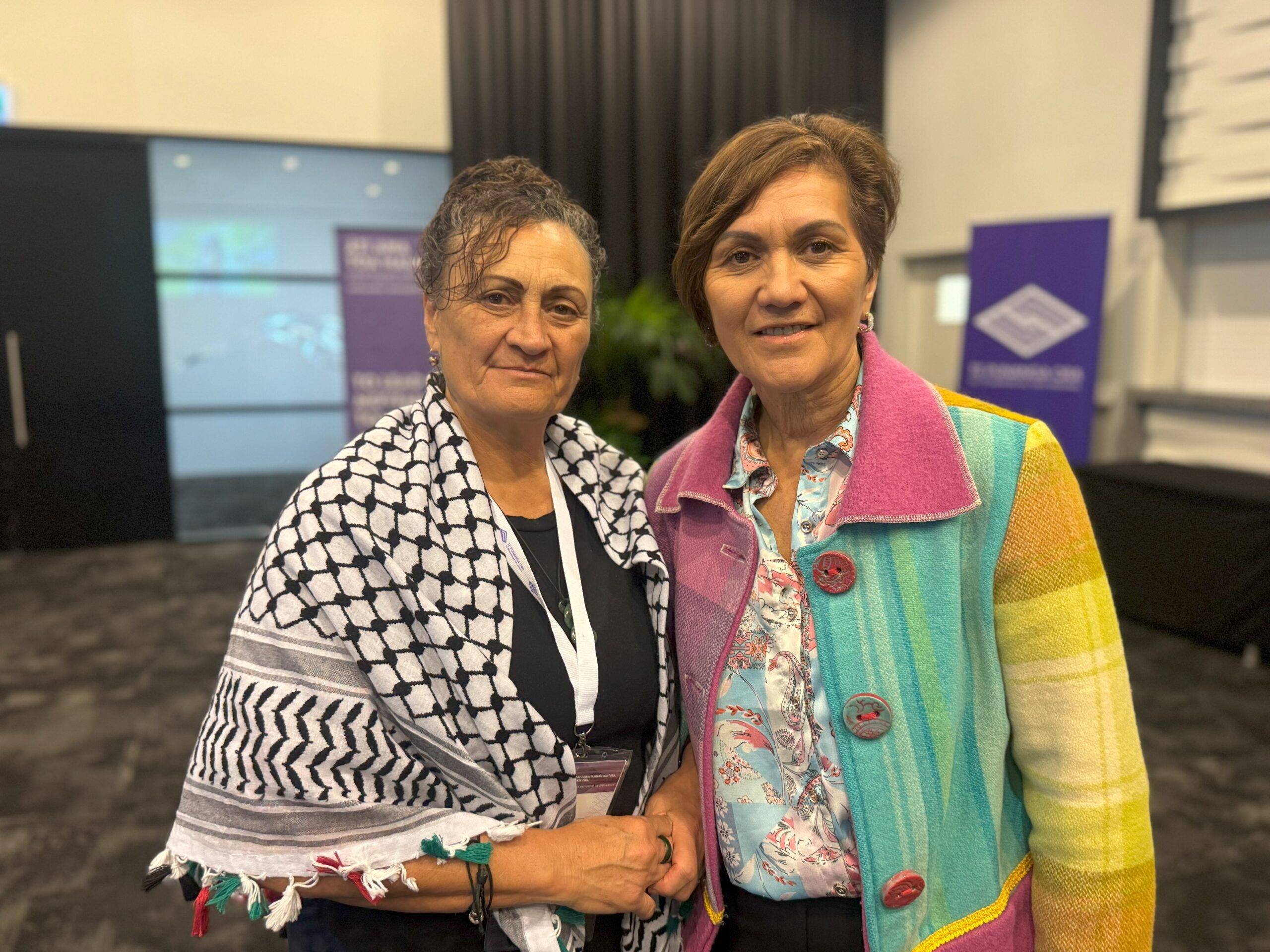
Photo: Board member Maxine Ketu and e Tiratū Tumu Whakarae, Brandi Hudson attend the National IMPB Hui in New Plymouth
Te Tiratū Iwi Māori Partnership Board (IMPB), as part of a national alliance of 15 IMPBs, opposes the proposed amendments to the Pae Ora Act, warning that the changes would weaken Te Tiriti-based partnerships and undermine progress in Māori health equity.
At a recent National IMPB Hui in New Plymouth, 15 IMPBs representing 914,400 Māori from 82 iwi aligned in opposition to the Bill. The discussions highlighted the critical importance of maintaining partnerships that are rooted in trust, respect, and intergenerational thinking, ensuring solutions are anchored in mātauranga Māori and the realities of whānau.
The hui included rangatahi voices emphasising the deep connections between hauora, whakapapa, and whenua. Their presentations stressed the need for health approaches that integrate ancestral knowledge with modern, data-driven health systems. This interweaving of the old and the new highlighted the value of locally led solutions that resonate with whānau and communities.
Te Tiratū IMPB asserts that the proposed changes would remove direct iwi accountability, replacing kanohi ki te kanohi relationships with a centralised, Minister-appointed process. This approach risks tokenistic consultation rather than genuine Māori leadership, and threatens the hard-won equity gains achieved by IMPBs over the past decade.
The Board’s position is clear: local accountability through IMPBs must remain, regional advice to Te Whatu Ora must be strengthened, and health strategies must include specific Māori equity actions. Any amendments that weaken or replace Te Tiriti principles are opposed.
Te Tiratū IMPB submitted its formal response to the Health Committee on 18 August 2025, supporting a unified IMPB call to:
- Retain HMAC accountability to iwi through IMPBs
- Strengthen IMPB roles for local and regional advice to Te Whatu Ora
- Develop health strategies with targeted Māori equity actions
- Oppose amendments that undermine Te Tiriti principles
Our Board emphasises that this is about safeguarding the right to lead local solutions for Māori communities. Analysis shows the proposed changes are unlikely to improve Māori health outcomes, reinforcing the need to maintain systems that are already showing results.
Te Tiratū IMPB remains committed to advocating for whānau-centred health solutions and ensuring Māori voices remain central in shaping Aotearoa’s health system.

What whaanau told us at Tainui Hui-aa-Tau
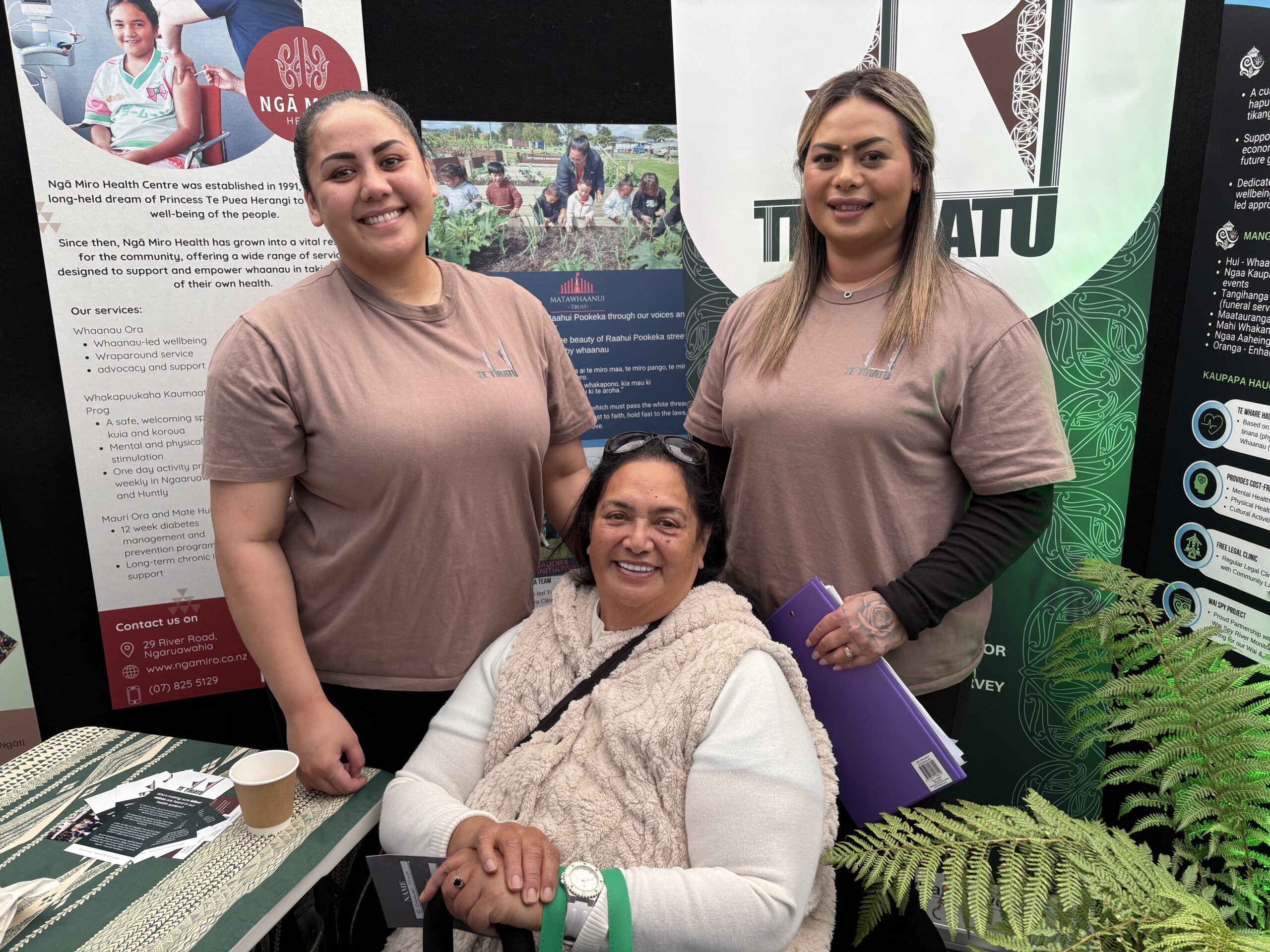
Photo: Whaaea Audrey Wildermott, Ngaati Koroki Kahukura with Whaanau Voice kaimahi
Te Tiratū Iwi Māori Partnership Board was honoured to attend Tainui Hui-aa-Tau 2025, hosted by Tainui iwi walking in the steps of their visionary Koiora strategy. This aspirational kaupapa brought together thousands of uri and providers across the motu to connect, share, and strengthen collective oranga.
We were there by invitation to support Whaanau Voice and deepen our understanding of how the Koiora Collective and Te Tiratū fit within the wider ecosystem of Māori health and wellbeing. While our original focus was on promoting our Oranga Survey the day quickly turned into something more — a space for heartfelt koorero and deep listening.
What we heard was despite government targets focused on faster cancer treatment, shorter ED stays, improved immunisation, and reduced wait times for specialist and elective care, whaanau at Tainui Hu-a-Tau described a system that remains slow, hard to access, is culturally disconnected, and difficult to navigate — especially for whaanau seeking kaupapa Maaori services and timely, affordable care.
Whaanau Voice Leads the Way
Our space at Hui-aa-Tau was a hive of activity, filled with whānau keen to share their experiences and insights about accessing healthcare. Many whaanau wanted to koorero at length, reflecting a widespread desire to be heard. Primary care was a consistent topic. Whānau spoke about long GP wait times, often up to four weeks, difficulty enrolling at kaupapa Maaori clinics due to capped rolls, and the frustration of not being able to see the same doctor for continuity of care. Many whaanau living rurally shared feelings of isolation from healthcare, relying on transport support from whaanau, iwi or local services. For those who could afford it, urgent care was preferred over long waits at emergency departments, but even this came with financial strain.
The Strain of Financial Pressure
Cost was a major barrier. Whaanau shared stories of having to choose between kai and seeing a doctor. Prescriptions added another burden. Even if a whaanau member managed to secure an appointment, the costs didn’t end there. Some spoke of giving up altogether — delaying care or avoiding it until it became urgent. Many whaanau weren’t enrolled with a GP at all. Some had been trying to enrol with kaupapa Maaori services but were turned away due to capacity limits. Several questioned why non-Maaori were enrolled in Maaori-specific services when they, as tangata whenua, were being declined. There was deep mamae in these koorero, and a desire for a fairer, more culturally grounded system.
The Challenge of Health Literacy for Kaumatua
Kaumatua shared personal journeys of navigating health conditions and the system without proper explanations or support. One kaumatua described an 18-month journey to get assistance to help manage his diabetes to get it under control which is a long time to be mauiui. Others expressed confusion around medication or what services were available to them. Many didn’t know where to go or how to ask for help, and several mentioned feeling whakamaa about not understanding their conditions. The language barrier was another big one, where whaanau are not able to understand a lot of different accents by non-Maaori health practitioners, they feel there is a lack of cultural safety too. For kaumatua living rurally, transport remains another major barrier. Many said that it was much easier for them to go to their local marae that was close. Many rely on once-a-week iwi transport or local hauora hubs that have now been scaled back due to funding cuts. In some areas, services that once operated five days a week now open for just one — creating high demand and limiting access.
Mental Health in Crisis
Mental health was another area of concern. Many who spoke were supporting a sibling, cousin or other whaanau member. The main issue raised was the lack of support available before a person reaches crisis or hospitalisation. Henry Bennett Centre came up repeatedly — described as difficult to deal with, lacking cultural safety, and disconnected from whaanau. Whaanau described not being informed about loved ones’ care, feeling shut out of the process, and being left to advocate for their whaanau without support.
There was a strong call for mental health services that are proactive, culturally safe, and easy to navigate. Many felt stuck trying to get help for their whaanau and repeatedly faced barriers in the process.
The Hidden Gaps in Women’s Health
A number of wahine raised concerns about the lack of accessible information around menopause. They described debilitating symptoms and feeling unsupported or dismissed. Some were surprised to learn just how little was publicly available in terms of education and care. The koorero made it clear that more kaupapa Maaori women’s health services are needed — both in delivery and in design.
Hearing Loss, Delayed Care and Advocacy
Hearing support was another unexpected but prominent theme. Many whaanau attending the hui wore hearing aids, yet no hearing-focused service was present. One kaumatua, a veteran of the New Zealand Army, shared that it took years to realise the extent of his hearing loss. Another wahine described the two-year process of trying to get care for her daughter — eventually only made possible with the help of a Maaori advocate. For these whaanau, accessing support required determination, energy, and navigating complex systems. Funding options, eligibility, and appointment access created further layers of stress. Even for tamariki, care was delayed — sometimes for years. While support grants like the kaumatua hearing aid fund exist, awareness and accessibility remain major gaps.
The Need for Rongoaa and Kaupapa Maaori Options
Throughout the day, whaanau called for more access to mirimiri and rongoaa Maaori. There was a hunger for services that reflect maatauranga Māori and are grounded in whakapapa and whaanau values. One whaanau member, supporting a younger relative who had experienced a stroke, spoke of the lack of Maaori-led recovery options. Others expressed interest in alternatives to mainstream medication but didn’t know where to start. The desire for Maaori-led, whaanau-centric, culturally affirming care was one of the strongest themes to emerge. It aligns closely with the aspirations of Tainui’s Koiora strategy and the values Te Tiratū holds as we walk alongside whaanau and providers.
A Call to Honour Whaanau Voice in System Change
Tainui Hu-aa-Tau 2025 was more than an event — it was a collective pulse check on how the health system is serving our people. Whaanau were open, honest, and generous with their koorero. Their insights paint a clear picture of a system that needs to evolve, one that genuinely centres Whaanau Voice, upholds Te Tiriti o Waitangi, and recognises hauora as a right, not a privilege. We are committed to carrying these voices forward — into our planning, our advocacy, and our partnership with Te Whatu Ora. We also mihi to Tainui iwi for their bold leadership and vision, and for the opportunity to stand together in kaupapa Maaori-led transformation. Te Tiratū will continue to listen and act — because when whaanau speak, the system must listen and respond.
“How do I fix this?” Terereawai’s journey from kura teacher to future nurse practitioner
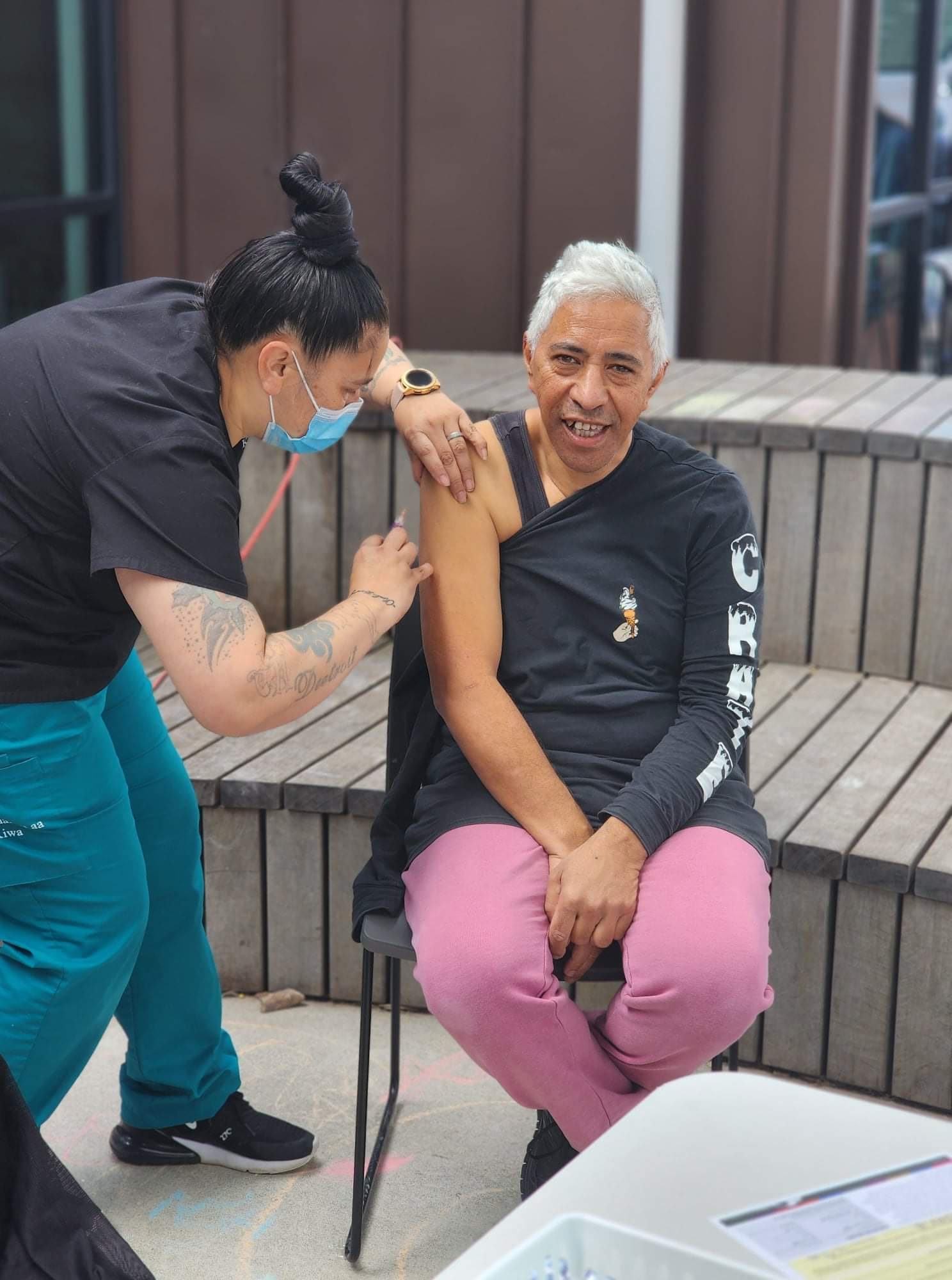
Photo: Terereawai Kipa-Kearns with whānau
When Terereawai Kipa-Kearns (Waikato, Tainui, Ngāti Mahanga, Te Papa o Rotu Marae) asked herself “How do I fix this?”, it wasn’t a casual question—it was the turning point of her life, and a spark that’s now transforming how hauora care is delivered for Māori whānau. Raised in a typical Māori whānau in Ngāruawāhia, Terereawai grew up with reo Māori and from generations on the benefit. She was the first in her whānau to pursue tertiary education, breaking cycles and building new pathways not just for herself, but for generations to come.
She didn’t start her working life in health. In fact, she was a kura kaupapa Māori teacher for more than a decade—after graduating directly from high school into teacher training, then working with both tamariki and adults to uplift reo Māori. But it was the experience of becoming a māmā—specifically her sixth baby—that changed everything.
When her pēpi became seriously ill with bronchiolitis, she found herself in hospital for weeks, grieving the lack of cultural care. “They said I couldn’t breastfeed, couldn’t sleep with my baby, couldn’t make choices that were part of who I am as a Māori māmā. My baby cried. I cried. We just cried together.”
In the middle of one of those long nights in the hospital, she googled: how to become a nurse. The next morning, she told her husband her plan. He said, “Okay.”
From Classroom to Clinic
Terereawai began nursing training a week after her pēpi turned one. Ten years later, she’s still in the thick of it—now a nurse prescriber, nearing the completion of her Master’s degree, and preparing to step into the highly specialised role of nurse practitioner, one of 66 Māori in that field across Aotearoa which is 9% out of a cohort of 703.
Her path hasn’t been typical. In fact, everything about her mahi is designed to flip the Western health system on its head.
“I started thinking I’d go into hospitals and fix things. But during my nursing training, I realised—I’m never working in a hospital. That system’s broken. I fell in love with mental health instead.”
Why mental health? Because it’s complex. Challenging. Not something that can be “solved” with a simple script. “Helping someone find their way back to wellness—that’s rewarding,” she says.
A New Model of Care, Built from the Ground Up
Seeing gaps became part of her superpower. From community mental health, to child and adolescent support, to COVID response leadership—Terereawai saw firsthand how the existing system failed whānau. “Every time I thought I’d removed a barrier, another would appear.”
This motivated her to become a community prescriber, then a designated prescriber, extending her clinical scope to treat whānau with long-term conditions like diabetes and hypertension—especially when they couldn’t afford or access a GP.
But the real shift came when she realised: she couldn’t do what was needed under someone else’s rules. “I kept getting told no—by people who weren’t clinical. They didn’t see the need.”
So, she founded her own charitable trust: Te Ngakau-aa-Kiwa. Now, she and her team deliver wraparound hauora care on whānau terms.
Whānau-First Healthcare
At Te Ngakau-aa-Kiwa, the model is simple: go to the people, not the other way around.
- Home-based care, not clinic-only appointments
- Flexible hours, including evenings and weekends
- Cultural safety, always
- Health prevention and literacy, not just treatment
- Whānau-led solutions, not system-driven ones
“Western models of care don’t work for our whānau,” Terereawai says. “Expecting someone to take time off work, find transport, and get to a GP during office hours—how is that realistic?”
As Clinical Director, she and her team adapt their hours to suit the needs of the people. Mondays, Wednesdays, and Fridays are late-night days. Tuesdays and Thursdays are dedicated to kaumātua day programmes. They see whānau when they need to be seen—early mornings, weekends, whatever it takes.
And the kaupapa works. “We’re seeing real shifts. Because this mahi honours people’s time, their lives, and their tikanga.”
Changing the System, One Whānau at a Time
Even as a nurse prescriber, she sees barriers. “I can treat a sore ear—but if I find something undiagnosed, I still can’t do anything. That’s why I’m becoming a nurse practitioner.”
As a nurse practitioner, Terereawai is the nurse equivalent to a GP. She’ll be able to assess, diagnose, treat, and prescribe—all from inside a whānau home, without them ever stepping into a clinic. That autonomy is rare. Even rarer among Māori.
“In the last three years of postgraduate papers, I’ve been the only Māori in my classes. Out of 80 students.”
That reality drives her every day—to encourage more Māori into health careers, to push for equity in training and workforce development, and to create a new generation of Māori health professionals who are community-rooted and clinically empowered.
“Fixing It” Her Way
What started with one crying mother and a baby in a hospital bed has grown into a movement. A kaupapa. A vision of hauora that centres Māori solutions, Māori leadership, and Māori care.
And she’s not finished yet.
“As soon as I walk into that whānau’s home, I want to be able to do something. Not refer them. Not wait. Just fix it. That’s what this is all about.”
Mauri ora, Terereawai. You’re exactly what our hauora system needs.
Story shared with permission for the Te Tiratū Iwi Māori Partnership Board.
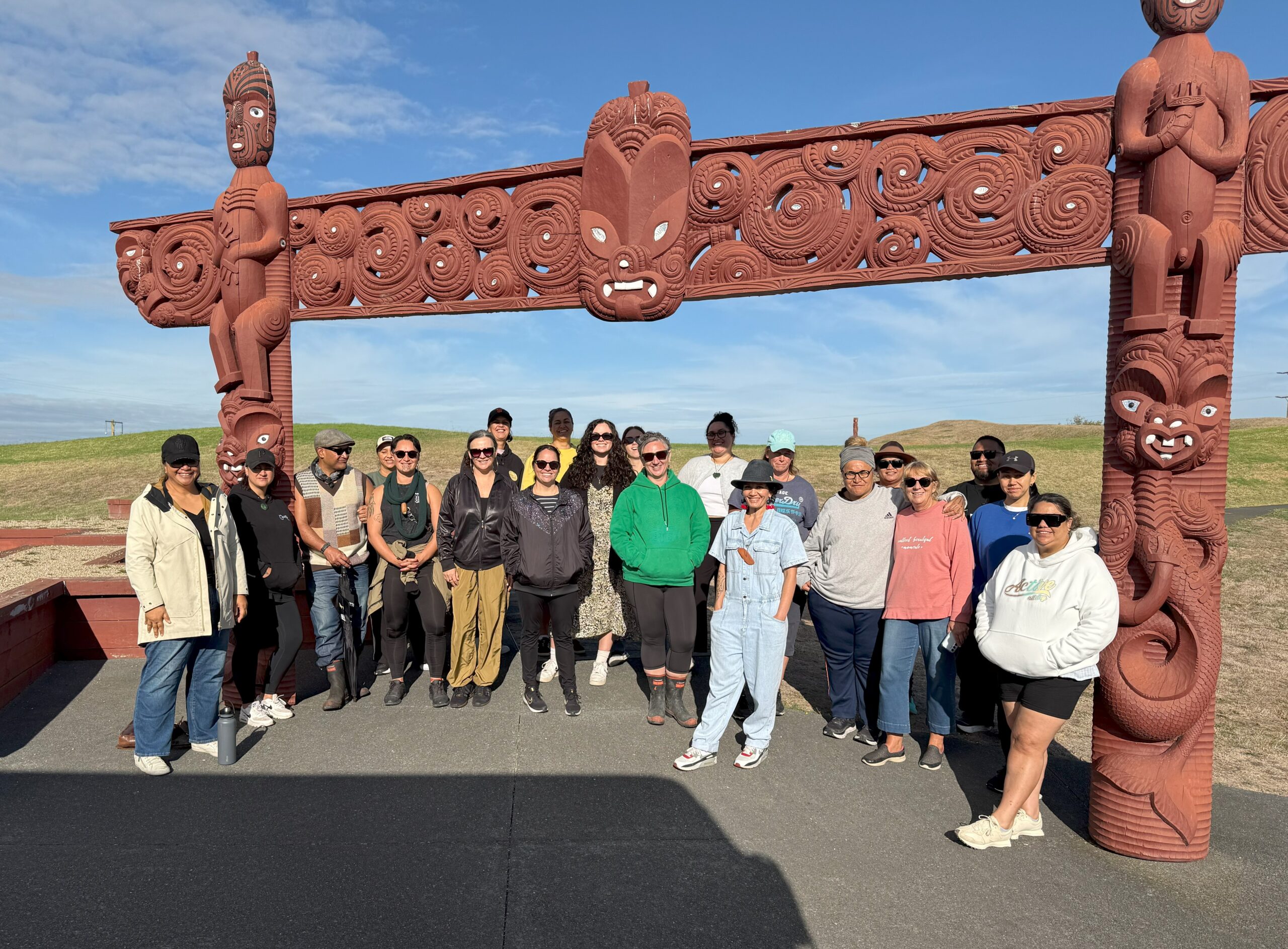
He Puāwaitanga – A sacred circle of care for wāhine Māori with cancer
Photo: ĀKI Innovations Ltd (ĀKI) kaimahi with whānau
Our Whānau Voice results consistently highlight that wāhine Māori are seeking not only more Māori health professionals within the system but also greater access to rongoā Māori as they navigate healing—especially from mate pukupuku (cancer). Approaches like this one, which place cultural safety, wairua care, and whānau voice at their heart, are exactly what’s needed.
There’s a palpable sense with this kaupapa that the celestial wisdom of our tūpuna has been drawn down from Ranginui, guiding the work with deep ancestral strength and presence. He Puāwaitanga is a hauora Māori wānanga series delivered by ĀKI Innovations Ltd who deliver rehabilitation, rongoā Māori and kaitiakitanga services within the Tainui waka rohe, created by and for wāhine Māori walking the cancer journey.
For many whānau, this powerful programme of He Puāwaitanga offered a profound experience—it was the first time they felt truly seen and heard as Māori within a cancer care setting. The aim of the kaupapa is to provide a culturally responsive service that acknowledges the barriers to fundamental and systemic whānau change.
Marlana Maru, Manukura (Director) shared feedback from wāhine on why it works. One said, “This is the first space where I could speak openly and be understood.” Another told her, “I felt safe here—to be Māori, to ask my questions, and to just be myself.” And another reflected,
“It wasn’t just about having cancer. It was about being alive, and being well, right now.”
These voices reflect the need for culturally grounded care—care that honours identity, nurtures wairua, and holds space for the whole person. Grounded in manaakitanga, clinical expertise, and mātauranga Māori, He Puāwaitanga offers wraparound care that centres the whole person—not just the diagnosis. Waikato-based, the programme weaves cancer support into a broader service that includes ACC injury rehabilitation and traditional rongoā Māori healing.
Leading the programme is Renee Wood, a senior physiotherapist with over 15 years’ experience in oncology rehab and lymphedema management. Using a bioimpedance machine, she is able to monitor tinana indicators such as fluid retention and lymphatic health—especially vital for those affected by node removal or cancer-related swelling. So successful is the kaupapa, Renee presented internationally at the 2024 World Indigenous Cancer Conference in Melbourne.
Co-designed and delivered by a multidisciplinary team from ĀKI, the initiative brought together a physio, social worker, counsellor, kairongoā and kaiārahi to support wāhine in culturally grounded healing. They facilitated workshops on rongoā and rongoā rākau, shared knowledge of maramataka and movement, and held space for emotional wellbeing in a safe and supportive environment. To enable participation, petrol vouchers were offered—particularly for those travelling from outside Hamilton—and nourishing kai was provided to meet the nutritional needs of attendees.
Culturally Safe Care, Centred on Wāhine
The first He Puāwaitanga wānanga ran as an eight-week series three years ago. Each wāhine participant was at a different point in their cancer journey—some receiving active treatment, some post-treatment, and some told there were no medical options left. They came seeking information, connection, and space to be fully themselves.
What they received was a safe te ao Māori space where:
- Physical wellbeing could be tracked and understood
- Individualised nutrition plans were developed (including for those on strict diets like carnivore or keto)
- Emotional and spiritual health was honoured through kōrero, rongoā, and movement
- Deep topics like intimacy, end-of-life care, and legacy were approached with honesty and aroha
A Whānau of Experts, Chosen by the Wahine
One of the unique strengths of He Puāwaitanga was the ability for wāhine to choose their support team. A truly transdisciplinary approach involving physiotherapists, occupational therapists, counsellors, rongoā practitioners, and social workers—with a strong belief in whānau-led decision making.
Most wāhine chose Renee for follow-up physiotherapy, but a few also requested nutrition support. This included working with a non-Māori nutritionist grounded in holistic philosophy. Wāhine learned to align their nourishment to their body’s unique needs, with protocols that might include keto, high-fat, or low-sugar diets.
Others sought rongoā Māori support, including mirimiri, oro mauri (sound healing through the use of taonga pūoro). These therapies provided deep wairua release and support through vibration, rhythm, and presence.
At one-day wānanga, wāhine were introduced to poi movements paired with pao—a short song written by Renee’s cousin, in memory of her mother who passed from breast cancer. The pao spoke of anguish, transformation, and hope—offering a healing journey through sound and movement. Renee’s father even made kukau / porotiti from reclaimed rimu, which wāhine could take home.
Removing the Barriers, Making It Accessible
In most cancer care models, services like oncology rehab, physio, or mental health support are only available to those with ACC claims or private insurance—and even then, only if the right packages are in place. Most standard insurance doesn’t cover oncology rehab. He Puāwaitanga overcomes these barriers. With public funding from Te Aka Whai Ora, the programme gave wāhine access to the same care typically reserved for the insured—without the cost. It meant Māori were no longer left out of essential recovery services.
But funding only stretches so far. While some one-on-one sessions are still available thanks to a donation made to ĀKI by a private insurance company, the full group wānanga hasn’t been delivered since late 2023. The desire and need are still there—what’s missing is sustainable resourcing. He Puāwaitanga has shown what’s possible when cancer care is led by cultural safety, clinical skill, and kaupapa Māori. Wāhine left not only with new knowledge, but with strengthened relationships, tools to stay well, and restored mauri.
As we look to the future, Te Tiratū Iwi Māori Partnership Board strongly supports the vision of He Puāwaitanga to build a sustainable version of this kaupapa—one that continues to meet wāhine where they are, honours their stories, and provides the wraparound support they should have access too.
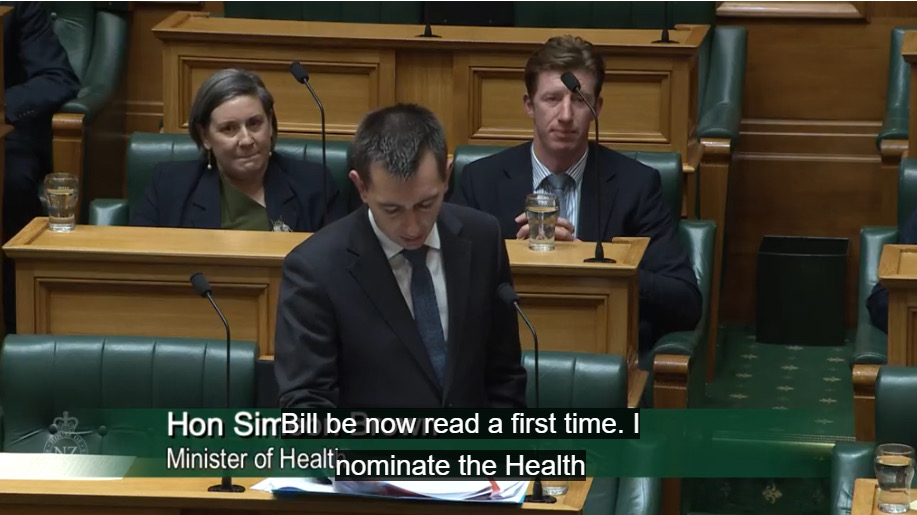
Healthy Futures (Pae Ora) amendment Bill passes first reading
The Healthy Futures (Pae Ora) Amendment Bill aimed at reforming the Pae Ora (Healthy Futures) Act 2022 has passed its first reading in Parliament. The legislation was introduced by Health Minister, Hon. Simeon Brown who says it “puts patients first”. He described the reforms as a move toward “less Wellington waffle, more results,” with legislated specific health targets, stating “what gets measured gets managed.”
Opposition MPs from various parties strongly criticised the Bill during its first reading, warning it would roll back Māori health equity, strip Te Tiriti o Waitangi commitments, and shift the system away from prevention and public wellbeing. All-in-all it was “devastating” to the aspirations of Māori.
While acknowledging the need to improve hospital wait times and workforce pressures, MPs argued that reform should not come at the cost of Māori-led solutions or equity. They condemned the removal of Te Tiriti obligations, how Iwi Māori Partnership Boards have become advisory roles, and the loss of Māori health targets — describing it as an attempt to “whitewash” Māori governance.
Broad opposition across the sector was also raised in the House which spanned Māori and non-Māori organisations — including the National Iwi Chairs Forum, PSA Māori Caucus, Hauora Māori groups, and Waitangi Tribunal claimants.
Several experts, including Dame Naida Glavish, Professor Sue Crengle, and Dr Rawiri Keenan, labelled the Bill a “direct attack on Māori wellbeing”, with Keenan calling it “ethnocide.” Opposition speakers also highlighted the key role iwi and Māori providers played during COVID-19 for all of society and warned that their leadership was now being undermined.
Members also said the Bill shifts the system’s focus from Pae Ora (healthy futures) to Pae Mate (illness), weakening prevention and population health strategies. They also accused the Government of politicising the public sector and offering hollow praise for health workers amid ongoing workforce burnout and departures to Australia. Opposition leaders vowed to repeal the Bill if elected in 2026.
The Bill will now go to select committee for public submissions. It will report back on 25 November 2025.
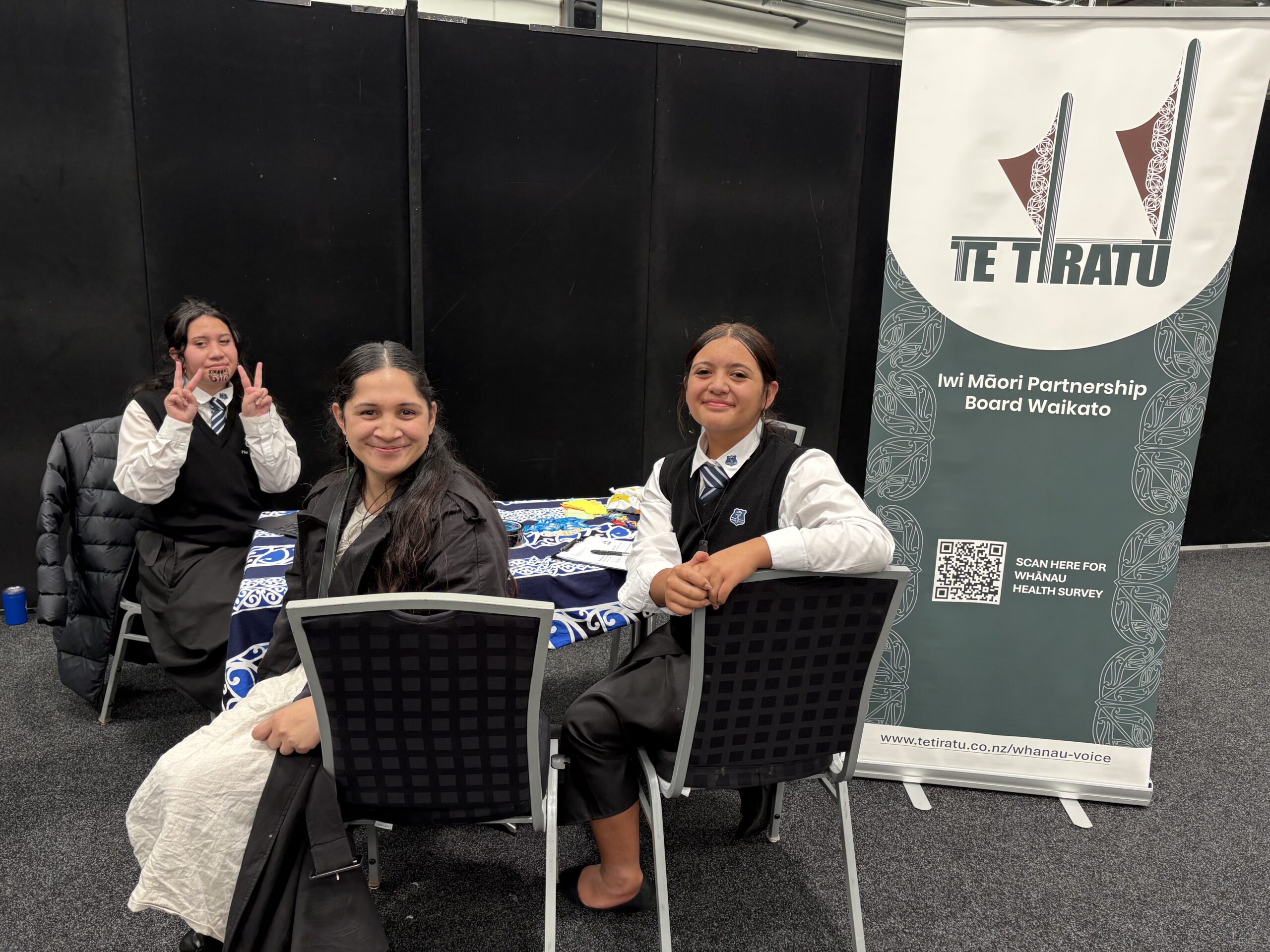
Rangatahi straight-up truths about hauora
Photo: Rangatahi Mokoia Hamiora-Houghton, the Kaitautoko/Kaitiaki of students from Rototuna High School attending the Kapa Haka and a Taiohi forum organised at Claudelands by Te Puna Wananga o Wairere.
Our rangatahi aren’t just open to kōrero—they’re confident, articulate and have important whakaaro that health leaders must listen too. In June, 96 chose to share their views through Whānau Voice surveys gathered both online and face-to-face. Combined with broader findings from our Community Health Plan, first Monitoring Report, and engagement activities between March and June, their voices offer powerful and direct insights into the health and wellbeing issues they care about most.
While many rangatahi were unfamiliar with some medical terms—particularly questions around the HPV vaccine—they showed curiosity and deep interest in learning more once questions were explained in plain language. What followed was a series of straight-up reflections that reveal the aspirations and challenges our young people face every day.
Mental health emerged as the number one concern. A third of all respondents saying they want more support and information in this space. Sexual health was another key area, especially among rangatahi worried about teen pregnancy and gaps in knowledge. Nutrition, the rising cost of healthy food, the dangers of vaping, and curiosity about rongoā Māori also featured strongly.
Here’s some of what they said:
- “Mental health & the dangers of vaping.”
- “As there’s so much teens who are hapū I feel like there needs to be more health info regarding sexual health and pregnancy.”
- “Nutrition info, particularly considering veggies and fruit are so expensive.”
- “More info about mirimiri in general would be awesome.”
What would help rangatahi stop – or not start – vaping? A lot of rangatahi told us they had tried vaping or were still vaping, even those as young as 12–17. They’re worried about how easy it is to access vapes, and many felt there should be tighter rules – like bans, stricter age checks, less advertising and more support.
Some of their whakaaro:
- “Ban vaping”
- “More restrictions, not advertising, and explaining the danger”
- “Need ID to purchase. There are places you don’t need it”
- “Give out methanol mints to encourage them to stop vaping”
Almost one in four said vaping should be banned or more tightly restricted. They also pointed to peer pressure as a key driver, and many said more mental health support and access to alternative activities—like sport, music, or creative outlets—would make a real difference.
“It’s the popularity of it, if mates do it others will too,” one rangatahi said.
Do rangatahi know about the HPV vaccine? Just over half had heard of the HPV (Human Papilloma Virus) vaccine. But nearly a third hadn’t, and some weren’t sure. It highlighted a mixed picture around the HPV vaccine. A significant number weren’t sure if they’d even been offered the vaccine at all, showing that school-based communication and consent processes may need strengthening. Even among those who had the vaccine, many still lacked clear understanding about what the vaccine is, why it’s important, or what it does in their bodies. This shows there’s still a big gap in the way health info is shared with our rangatahi – and it’s something we can work together to improve.
This kōrero with rangatahi reminds us that they are thoughtful, brave and full of ideas. When we take time to kōrero properly, they show up and are ready to lead, if we’re willing to listen. Their insights call for us—whānau, schools, health providers, and communities—to create safe space for deeper conversations and to ensure our health systems are reaching them with the right tools, messages, and manaakitanga. Our rangatahi have the answers. It’s time we act on them.
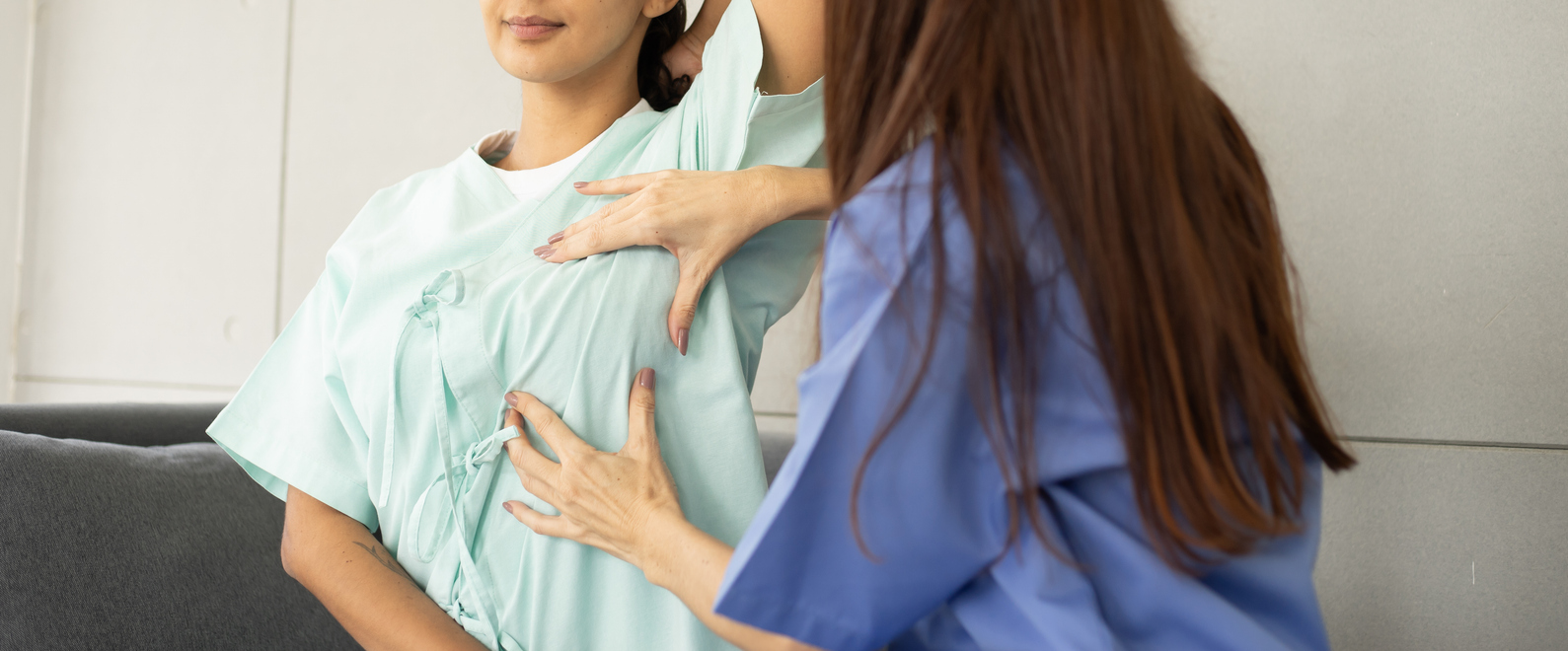
What’s really happening with cancer screening our rohe
Cancer impacts countless whānau across Waikato—and feedback from 23 whānau within the Tainui waka region, together with broader insights from our Community Health Plan, initial Monitoring Report, and engagement efforts from March to June, is revealing what’s effective, what’s falling short, and where services need to improve.
Our first Monitoring Report, released this month, shows that breast screening rates for wāhine Māori in Waikato continue to lag behind. Currently, just 54.5% of our wāhine are up to date with screening—7% lower than the national rate for non-Māori (64.6%). While there has been a small improvement of 1.1% since the last quarter, the pace of change remains too slow to close the equity gap.[1]
Most surveyed by our Whānau Voice team (nearly 74%) told us they regularly take part in cancer screening, particularly breast and cervical checks. Many said this is driven by personal or whānau experience of cancer. One participant shared: “My mum had cancer… I made self-referrals. I know how important it is to catch it early.”
But behind those statistics lies a more complex picture. Screening isn’t always comfortable. Over half of respondents said the process left them feeling whakamā, exposed, or in pain. Several described experiences that were rushed or poorly explained—leaving them uncertain, anxious, or unlikely to return. One woman shared: “Didn’t want to go back after last time—felt exposed.” Another added: “It was painful and no one explained anything.”
This discomfort was often made worse by a lack of cultural safety. Māori participants talked about mispronounced names, feeling spoken over, or being asked sensitive questions without privacy. “The lady at reception was white and made no effort to pronounce my Māori name,” said one. Others spoke of rushed appointments and the feeling that their experience wasn’t respected or mana-enhancing.
Not everyone receives timely results, either. Some whānau said they had to chase clinics for updates, while others described waiting months for treatment—even when a diagnosis had already been made. One respondent noted: “We waited 3–4 months, even with private insurance. Treatment took 6–9 months. Too long.”
The good news? Whānau know what would help.
They asked for more Māori doctors and support workers, better access to information, and culturally grounded care that includes warm, respectful service and more whānau-friendly settings—like marae, mobile clinics, or iwi spaces. Many called for free screening for kaumātua, flexible appointment times, and reminders by text or email, noting that these are not offered consistently.
Suggestions were practical and clear:
- “More Māori health professionals, please.”
- “Better-informed and pre-screening promotion.”
- “Use marae and iwi groups to get the message out.”
- “Have a Māori support person due to the medical language.”
A little over half of those surveyed also had a whānau member diagnosed with cancer in the last three years, and nearly half of them said they did not receive enough information about the treatment journey or support services.
There’s a clear call here—not just for more education and outreach, but for services that genuinely listen, respond, and hold space for whānau with care. As one whānau put it: “We need more manaaki-focused care. It makes all the difference.”
This kōrero reinforces the need for screening services that don’t just invite people in but hold them with dignity, understanding, and culturally safe support. Because early detection saves lives—but only if our people feel safe enough to walk through the door.
[1] Pg 13 Source: https://tetiratu.co.nz/wp-content/uploads/2025/07/2025-Te-Tiratu-IMPB-Monitoring-Report-to-March-2025.pdf
GP door closed for many: Whānau speak out
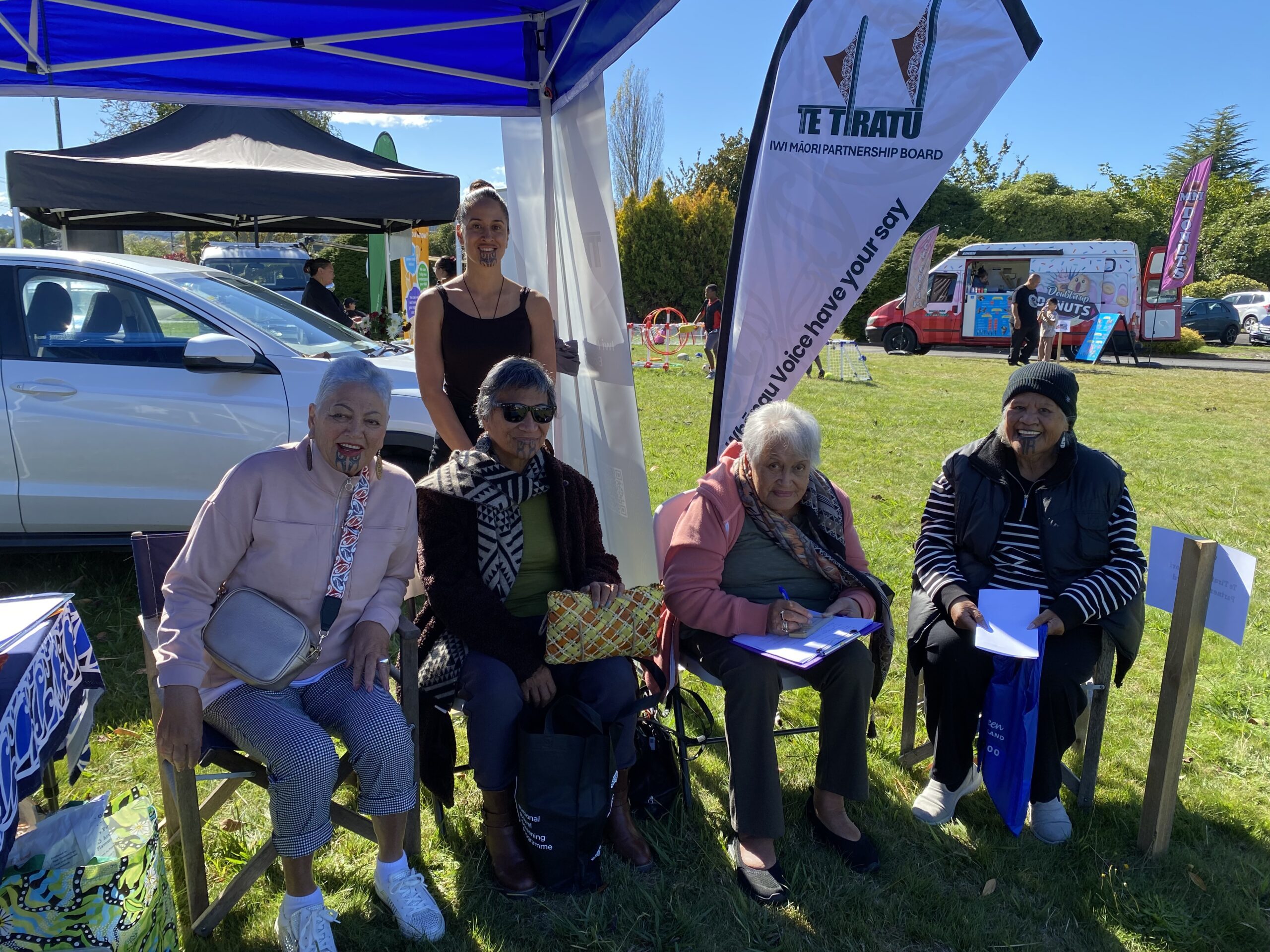
Photo: Kuia providing feedback at a recent Taumarunui Hapori Hauora Day
“We waited eight hours, and no one even told us how long it would be.”
This is the reality for many Māori whānau in the Waikato region, as shown in the latest Whānau Voice quarterly results that reveals the deep cracks in our primary care system.
These insights are drawn from a snapshot survey completed by 88 participants, alongside wider data gathered through our Community Health Plan, first Monitoring Report and engagement activities held between March and June. Their voices paint a clear picture judging by the indicative results, that our local health system is under immense pressure, and it’s pushing whānau to breaking point.
Despite more than 90% of respondents being enrolled with a regular GP, nearly 40% said they were unable to get an urgent appointment when they needed one. For many, the GP door feels effectively closed—whether due to fully booked clinics, high costs, or services being unavailable altogether.
In the first Health System Monitoring Report by Te Tiratū released this month, we note that key data from Te Whatu Ora is still missing. This includes:
- GP enrolment figures compared to the population (Māori vs non-Māori by age)
- Māori utilisation of GP services over the past 12, 24, and 36 months
- Māori utilisation by type of service (in-clinic vs virtual)
This lack of data limits our ability to assess equity in access and use of primary care services for Māori.[1]
So, in these moments of urgency, whānau are being forced to turn to urgent care clinics or hospital emergency departments for care that should be delivered by a GP. Nearly three-quarters of those surveyed said they had gone to A&E when they couldn’t get a GP appointment.
Of those, 29 percent reported waiting six to eight hours. Nine percent said they waited more than ten hours. Most waited without receiving any updates or basic information—86 percent received no health information during their wait, and 84 percent weren’t told how long the wait would be.
Adding to the strain, more than half of respondents said cost had stopped them or their whānau from getting care. This was particularly true for those in remote or rural areas like Tokoroa, Waharoa, and Huntly, where choices are limited and even getting to a clinic can be a challenge.
Some whānau reported being unable to enrol with a GP because no clinics were accepting new patients, or they lacked the required ID. These are not isolated stories; they reflect systemic barriers that need urgent attention.
What is Working?
Not all findings were bleak. Most people reported being able to get planned appointments when needed, and those who used telehealth services found them useful—90 percent said the advice met their needs.
Enrolment in a regular general practice remains high, which shows that there is a foundation to build from. But trust and consistency remain issues, with more than half saying they don’t get to see the same doctor each time.
This survey doesn’t just reveal long wait times or stretched services—it highlights the emotional weight of a system that too often leaves Māori whānau out of reach. It tells a story of people navigating closed doors, cost barriers, and uncertainty, just to access the care they deserve.
Te Tiratū Iwi Māori Partnership Board is using this data to advocate for urgent investment in services that are responsive, affordable, and culturally safe. Because no one should have to wait ten hours in an emergency room for care that should have been delivered in a clinic—least of all our tamariki and kaumātua.
[1] Pg 4 Source: https://tetiratu.co.nz/wp-content/uploads/2025/07/2025-Te-Tiratu-IMPB-Monitoring-Report-to-March-2025.pdf
From knowing to showing: Social value in focus at provider Forum
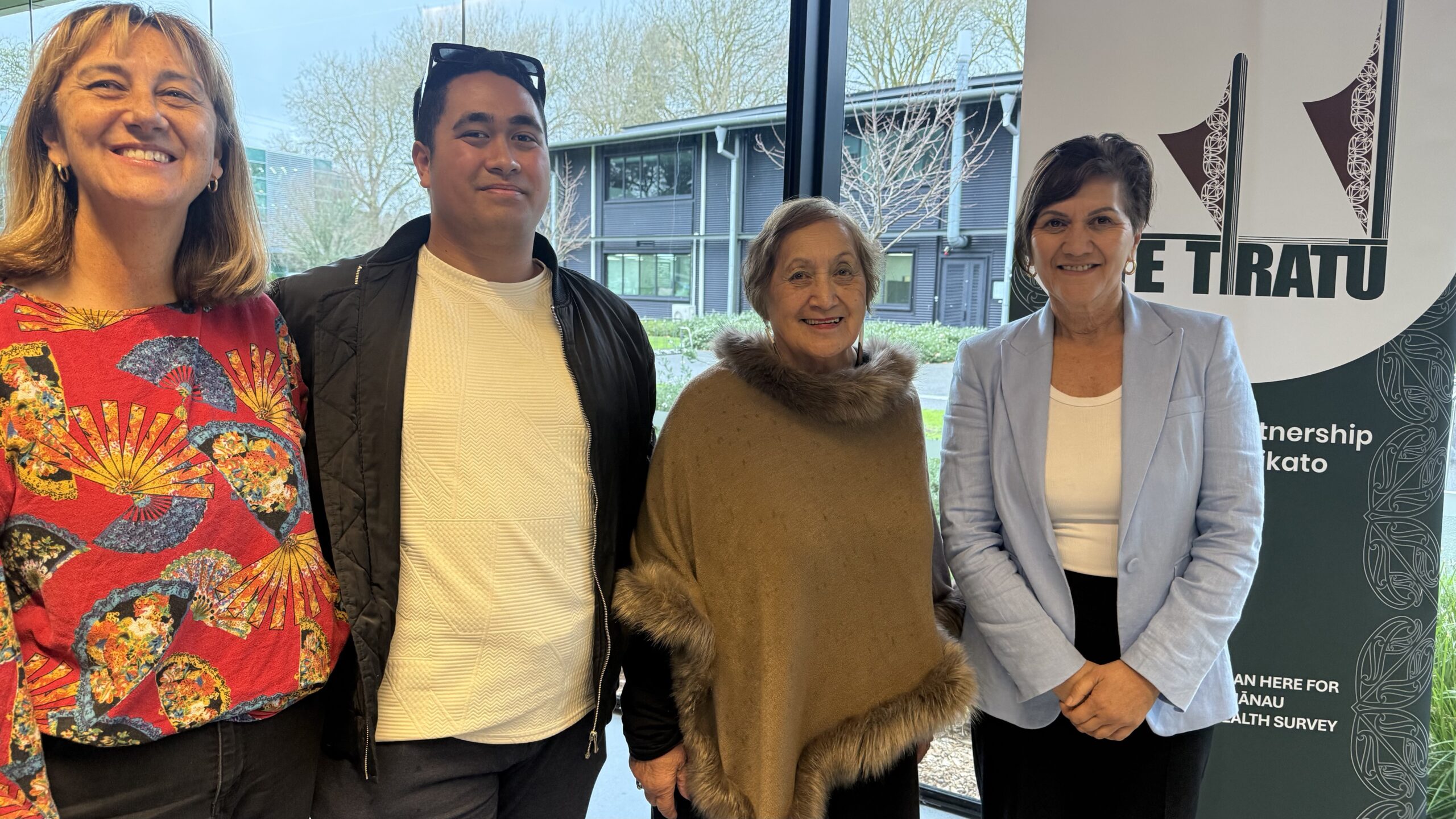
Photo: Te Tiratū Tumu Whakarae, Brandi Hudson (right) with Christine Arihia Brears (second right) and her kaimahi who travelled all the way from Taumarunui Kokiri Trust and Maniapoto Whanau Ora Centre to the Forum.
How do we truly shift the dial on health outcomes for whānau? For Te Tiratū Iwi Māori Partnership Board, the answer lies in listening to our providers, communities, whānau, aligning systems, and proving impact.
On Friday, over 30 kaimahi gathered at the Waikato Innovation Centre for Te Tiratū’s second Provider Forum, where Tumu Whakarae Brandi Hudson shared an update on kaupapa milestones before the rōpū moved into a wānanga on how data—can be a powerful tool for transformation, including a deeper kōrero on Social Return on Investment (SROI).
Two self-confessed, “old hands at this” Tammy Lehar and Susan Turner appreciated how space was created for partners who haven’t yet had the opportunity or experience, to come into a common kōrero together. “It’s something beautiful — if it’s done with the right intentions,” they said.
Tammy also highlighted the importance of building intentional data infrastructure “so we’re collectively working towards a shared vision—rather than duplicating efforts or collecting data in siloes.”
“We have the National Iwi Board Chairs Forum and the Iwi Māori Partnership Boards (IMPBs) with a common intention of strengthening data collection in this space. But to create meaningful connections between data and whānau outcomes, we must first build strong, integrated connections between these existing and emerging infrastructures—especially if we’re committed to a Whānau Ora approach.”
“This requires multiple, layered conversations. Personally, I’d challenge the assumption that Primary Health Organisations (PHOs) alone can provide a full picture, as they mainly reflect the primary health care lens. We also need to draw on data from other sectors, such as those funded under MSD and elsewhere, to understand the broader context of whānau wellbeing,” she said.
“There’s a foundational conversation needed—both at a local level and across the larger infrastructure. These discussions are already happening, but it takes time to bring the right people together in the right forum.” Innovation analyst Mari Tanioka from ImpactLab shared case studies on how to turn deep community knowledge into visible, trusted evidence.
“It’s a shift from knowing your mahi matters, to showing it clearly—using stories, numbers, and whānau voices. Often, what’s seen as anecdotal or informal is actually powerful insight. When made visible, it becomes a force for accountability and change,” she said.
Mari encouraged providers to start simple—by collecting clear, useful data such as how many whānau are being reached, or what barriers they face.
She gave the example of a provider who discovered, by tweaking just one survey question, that they were reaching over 63,000 tamariki—far more than they had previously realised. That kind of insight validates the mahi of kaimahi and helps funders better understand the scale and impact of their work.
The forum brought the philosophy of social investment into sharp focus. In a world of scarcity, complexity, and urgency, targeted support can change the course of a life. The difference between what a whānau’s future might look like without help—and what becomes possible with it—is what we call social value.
“Transforming lives through targeted interventions”— that, said Mari and her colleague Sarah Tuck, Engagement Manager at ImpactLab, is the heart of social investment.
Measuring that difference isn’t just about proving value—it’s about understanding what really works. Mari shared how one provider used SROI analysis to demonstrate that their slower, trust-based approach to health visits wasn’t inefficient—it was essential. With that evidence, they secured further funding.
Another organisation shifted strategy entirely, moving from diabetes treatment to prevention, after data showed how early engagement with whānau could help avert long-term harm.
For Te Tiratū, this mahi is about building strong, integrated systems that transform the system itself. Data alone is not the goal—it’s the pathway to transformation.
The shift from knowing to showing is more than a technical process. It takes time, care, and connection—but it’s what builds the momentum to reshape outcomes for our whānau, now and for generations to come.
Te Tiratū at the table of Rangitāmiro operating from Tūwharetoa to Te Tai Tokerau
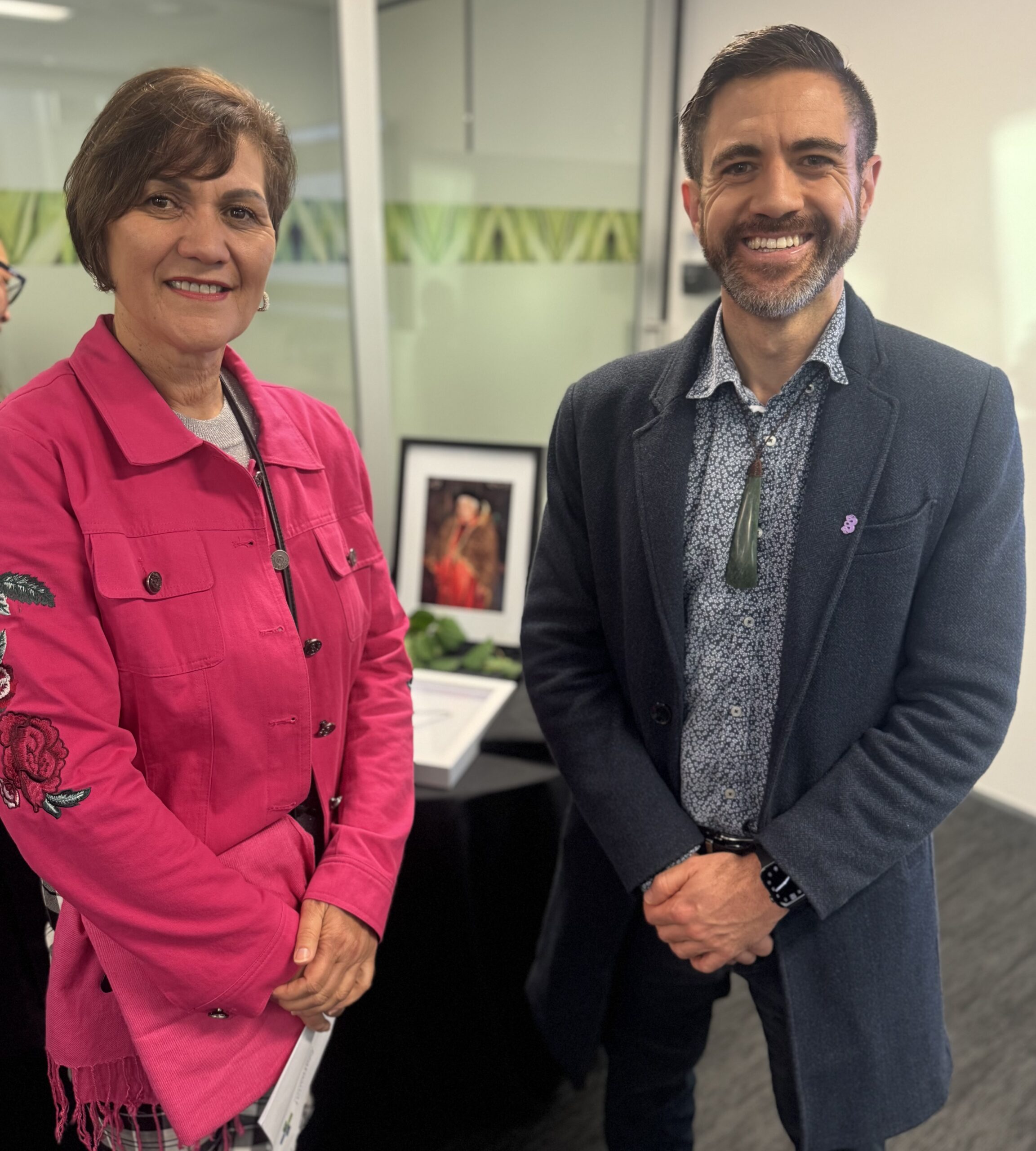
Photo: Te Tiratū Tumu Whakarae, Brandi Hudson with Te Tiratū and Rangitāmiro Board member, Dr Mataroria Lyndon
Rangitāmiro is now fully operational, prepared to serve whānau across the largest region of all four new Whānau Ora Commissioning Agencies — stretching from the Far North to Tūwharetoa. This readiness is no accident. It reflects months of deliberate and intensive engagement, with more than 300 hui held with whānau and providers throughout Te Tai Tokerau, Tāmaki Makaurau, Waikato, Hauraki, and Tūwharetoa.
These conversations have shaped our approach and ensured that those already receiving Whānau Ora support will experience continuity, not disruption, during this transition.
Among those helping to lead this kaupapa is Dr Mataroria Lyndon (Ngāti Hine, Ngāti Wai, Ngāti Whātua, and Waikato) — a board member of both Te Tiratū Iwi Māori Partnership Board and Rangitāmiro. With deep whakapapa ties across the region and a lifetime of service to whānau health and Māori-led systems change, Dr Lyndon is confident that Rangitāmiro will continue to uplift whānau across Aotearoa.
From today, 301 Whānau Ora Navigators are on the ground through Rangitāmiro providers — reaching 100% of Rangitāmiro’s contracted target with Te Puni Kōkiri. This includes a net increase of 120 new kaimahi to meet the deep need across our rohe. These roles are not just numbers — they are trusted relationships, born from community, delivering support that reflects the real lives and aspirations of our whānau.
The Rangitāmiro commissioning model has also evolved. More pūtea will reach communities, where it is most needed. A stronger data system will help Rangitāmiro see what’s working, for whom, and why — improving outcomes and accountability. Direct relationships with providers will ensure transparency, responsiveness, and impact.
What remains unchanged is the unwavering focus of Rangitāmiro: whānau.
Whānau wellbeing. Whānau dreams. Whānau tino rangatiratanga.