
Rangatahi across the Waikato have a clear message about mental wellbeing. Listen to us. Understand us. Don’t judge us. Make it easier to ask for help.
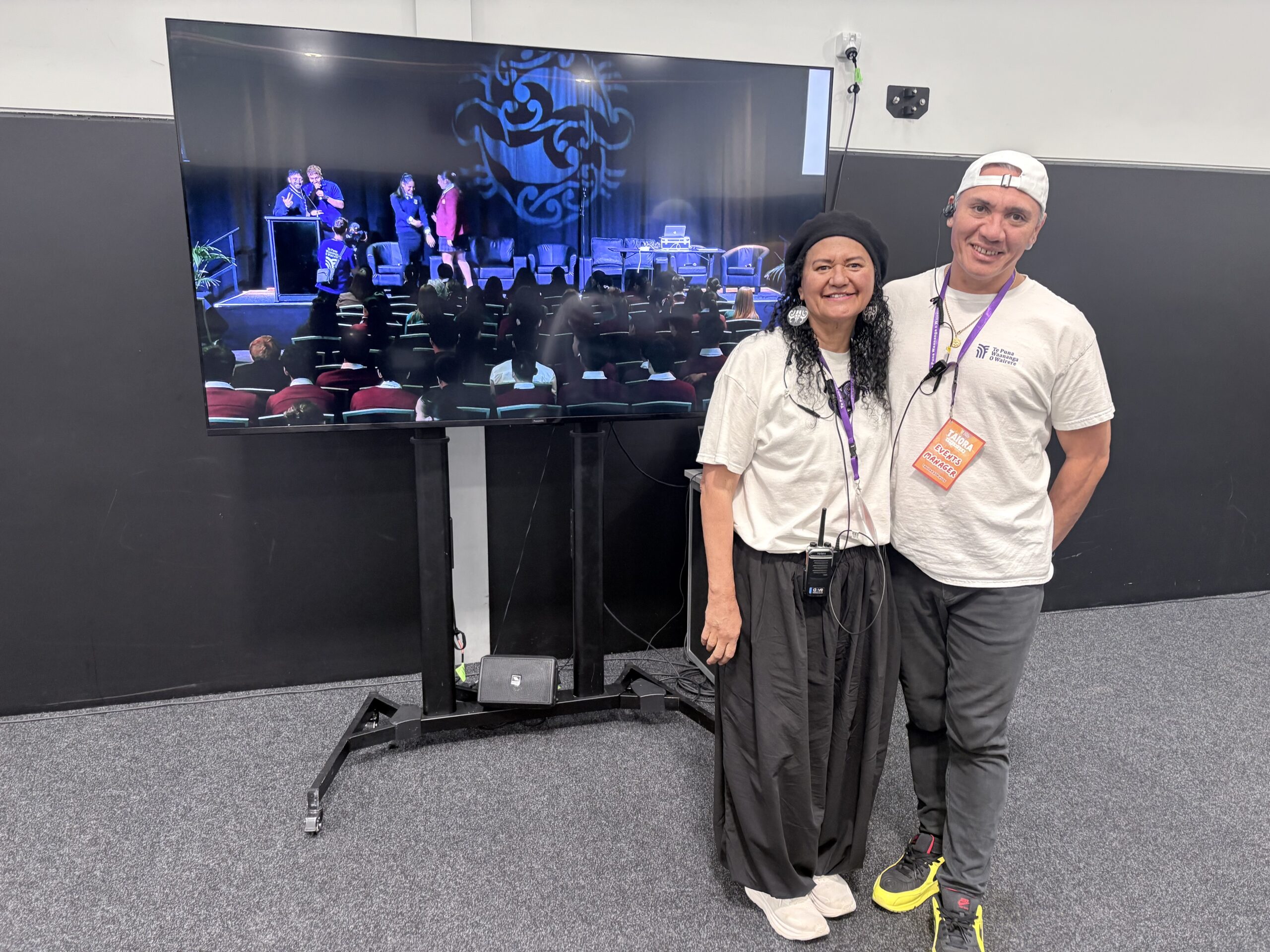
Te Tiratū Iwi Māori Partnership Board heard that message directly at Tai Ora Huihuinga 2026 at Claudelands Event Centre that was organised by Te Puna Waananga o Wairere (TePWoW) Charitable Trust.
The annual event creates opportunities for rangatahi to grow their leadership, strengthen their connections to whānau and whenua, and draw on mātauranga Māori to shape healthy, connected futures.
Seventy rangatahi completed Te Tiratū’s Hauora Hinengaro survey, sharing what is affecting their wellbeing, what keeps them well and what makes it harder to get support.
Three quarters of rangatahi surveyed rated their wellbeing as good or very good. Of the 68 rangatahi who answered the question, 31 said their wellbeing was good and 21 said it was very good.
Fourteen said their wellbeing was okay and two rated it poor or not good.
For Te Tiratū, this is an important reminder that supporting rangatahi wellbeing means acting early and strengthening the things that help young people stay well.
Sleep and school are taking the biggest toll
Sleep was the biggest factor affecting mental wellbeing, identified by 70 percent of rangatahi. School and study followed closely at 63 percent.
Four in ten rangatahi said feeling anxious, stressed or low had affected their wellbeing. Whānau relationships affected 27 percent, having enough kai affected 25 percent, friend relationships affected 24 percent and money affected 17 percent.
These numbers show that rangatahi wellbeing is closely connected to everyday life. Getting enough sleep. Managing school. Having enough kai. Feeling connected to whānau and friends. Having enough money.
All of these things matter.
Connection is what keeps rangatahi well
The strongest message from the survey was the importance of people and connection. More than eight in ten rangatahi said friends and peer support helped their mental wellbeing.
Almost three quarters identified whānau support. Almost two thirds identified sport and physical activity.
Creative and cultural connections were important too. Music, art and creative activities were identified by 41 percent of rangatahi.
Kapa haka was identified by 24 percent. Te reo Māori and Te Ao Māori by 21 percent. Marae and kaupapa Māori programmes by 17 percent.
Wellbeing is not just about mental health services. Rangatahi are strengthened by whānau, friendships, culture, sport, creativity and being part of their community.
The biggest barrier is fear of being judged
More than half of rangatahi surveyed, 57 percent, said worrying about being judged made it harder to access mental health support.
Cost was another major barrier at 45 percent. Long waiting times affected 40 percent. Almost one third did not know where to go for help.
A similar number said services did not understand young people. For one in five rangatahi, concerns included privacy, transport and services not understanding Māori culture.
This tells us that having a service available does not automatically mean rangatahi will feel comfortable using it. They need to feel safe. They need to feel respected. They need to know they will be listened to without judgement.
Rangatahi want support that feels less formal
When asked what would make the biggest difference, rangatahi asked for people who listen, support that feels welcoming and less formal, better information about where to get help and culturally appropriate support.
One rangatahi said, “Don’t make it so formal.” Another said, “Let the youth speak about their experiences and mental wellbeing.”
Others talked about wanting Māori counsellors and people who understand their culture.“People who understand Māori and who don’t judge.”
Another rangatahi said, “Finding someone you could relate to, someone who understands you.”
There was also a strong call to make conversations about mental health more normal, so rangatahi do not feel embarrassed about asking for help.
Rangatahi want to be heard
The survey was one part of the kōrero at Tai Ora Huihuinga, which brought rangatahi together from across the Waikato.
Most respondents were still at school, with rangatahi from Kirikiriroa and communities including Te Awamutu, Te Kauwhata, Cambridge, Rāhui Pōkeka, Raglan, Tokoroa and Morrinsville.
Rangatahi also shared their experiences through kōrero and video during the event. They are saying listen to us, understand us and don’t judge us.
For Te Tiratū, hearing directly from rangatahi is essential. Their voices tell us what is working, where the gaps are and what needs to change. Most importantly, they remind us that the foundations of hauora are already there.
Whānau. Friends. Culture. Sport. Creativity. Community. Connection.
Our job is to strengthen those foundations and make sure that when rangatahi need extra support, they know where to find it and feel safe enough to reach out.
We acknowledge Te Puna Waananga o Wairere for hosting this important hui, and the inspiring speakers and role models who shared their whakaaro and experiences. It was a valuable forum focused on uplifting rangatahi wellbeing, leadership and connection. Special thank you to Trustee, Taniora Robinson and Maria Love from Te Puna Waananga o Wairere, Ngāti Wairere for inviting our Whānau Voice team.