
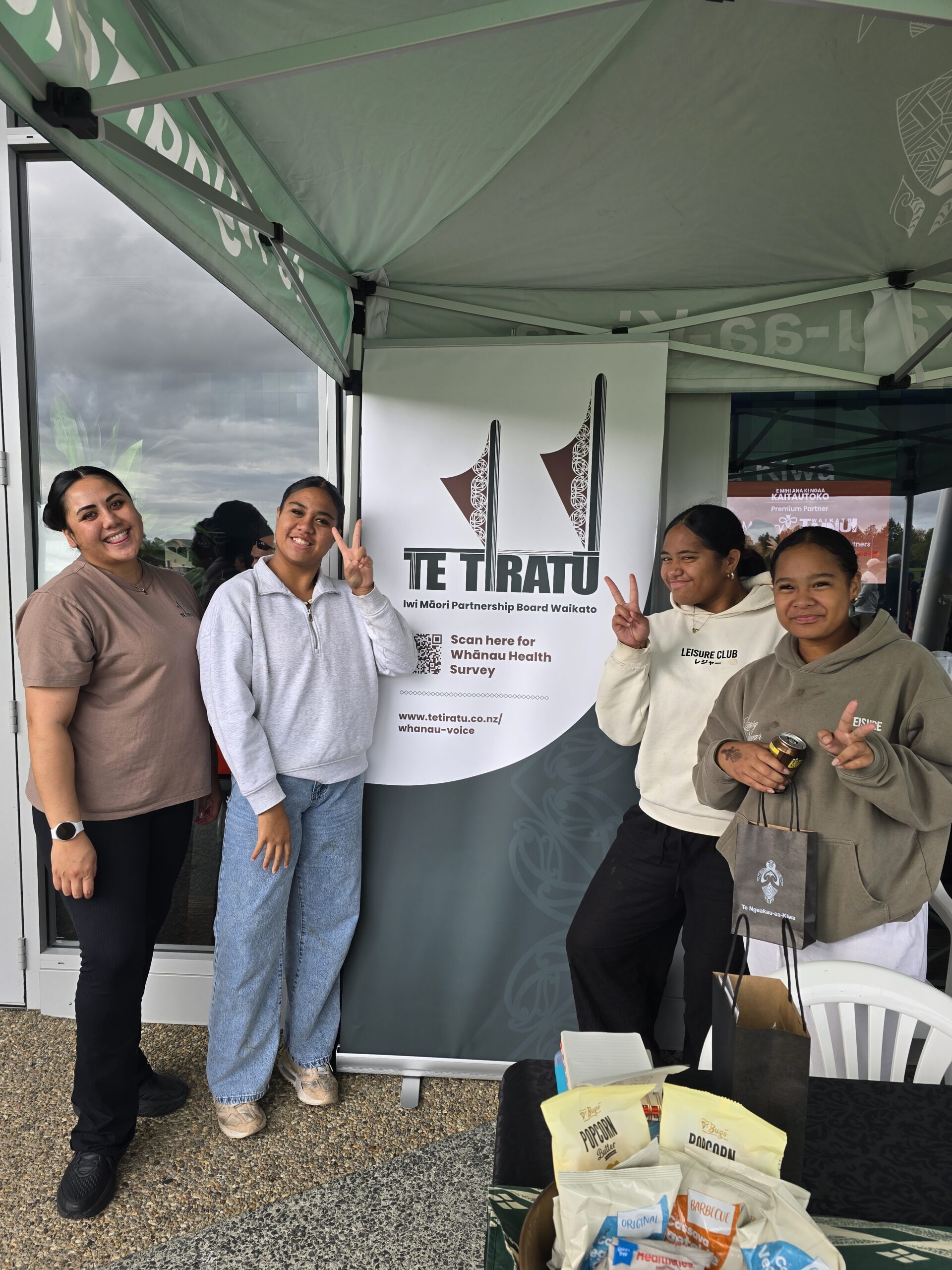
In April rangatahi across our rohe shared their experiences of hauora using our dedicated Rangatahi Whānau Voice Survey. It offered an unfiltered snapshot of what wellbeing looks like in their everyday lives. This mahi is about something simple but powerful, listening.
Responses came from Kirikiriroa, Tokoroa, Te Awamutu, Te Kūiti, Ngāruawāhia, Taumarunui, and surrounding communities, each bringing their own realities of whānau life, identity, and access to health services.
What comes through strongly is that hauora for rangatahi is not defined by services alone. It is shaped in the spaces between home, school, sport, culture, and community. Many spoke about what keeps them well in simple, consistent terms like:
- playing sport
- kapa haka
- eating kai at home
- sleeping well
- spending time with friends
- being active in te ao Māori
- learning te reo
- attending marae-based Kaupapa
- being in the taiao
- or connecting through hunting, fishing, and diving
At the same time, rangatahi were clear about what sits beneath their wellbeing. Mental health featured consistently, alongside school pressures, relationships at home and with peers, and the ongoing stress of money, kai insecurity, and housing.
Safety, both at home and in the wider community, was raised alongside concerns about social media, gaming, vaping, and exposure to drugs and alcohol. For some, the ability to feel valued, understood, and culturally connected was just as important as more material needs. The picture that emerges is of a generation negotiating multiple layers of pressure while trying to stay grounded in identity and connection.
Access to health services was generally described positively, particularly where rangatahi had relationships with school nurses, practice nurses, GPs, counsellors, and other frontline providers. Many described services as friendly and welcoming, with comments reflecting a sense of ease when engaging with care. Telehealth was also mentioned as an option alongside in-person appointments, particularly for general practice and mental health support.
However, this accessibility is not experienced evenly. While some rangatahi reported being able to get appointments when needed, others pointed to gaps, delays, or limitations in what is available particularly in relation to mental health and youth-specific support.
In smaller towns especially, access feels more constrained, and transport was raised as a practical barrier to receiving care. Even where services exist, they are not always easy to reach or navigate.
When asked whether health services in their towns meet rangatahi needs, responses were mixed. Some felt services were working well enough, describing them as welcoming and supportive. Others were more cautious, noting that there is still room for improvement, or that services do not yet fully reflect what rangatahi actually need.
What is consistent across the kōrero is that rangatahi are clear that services need to reflect this reality not just in availability, but in how they are designed, delivered, and experienced.
These voices from rangatahi provide not only feedback on current services, but direction for future design. They point toward a system that is more relational, more culturally grounded, more accessible, and more responsive to the realities of young people’s lives in the Waikato.
They shared they value strong cultural foundations while trying to be resilient in the face of very real pressures and gaps in support. Rangatahi are already showing what wellbeing looks like in practice. The challenge now is whether systems will move to meet them there.