
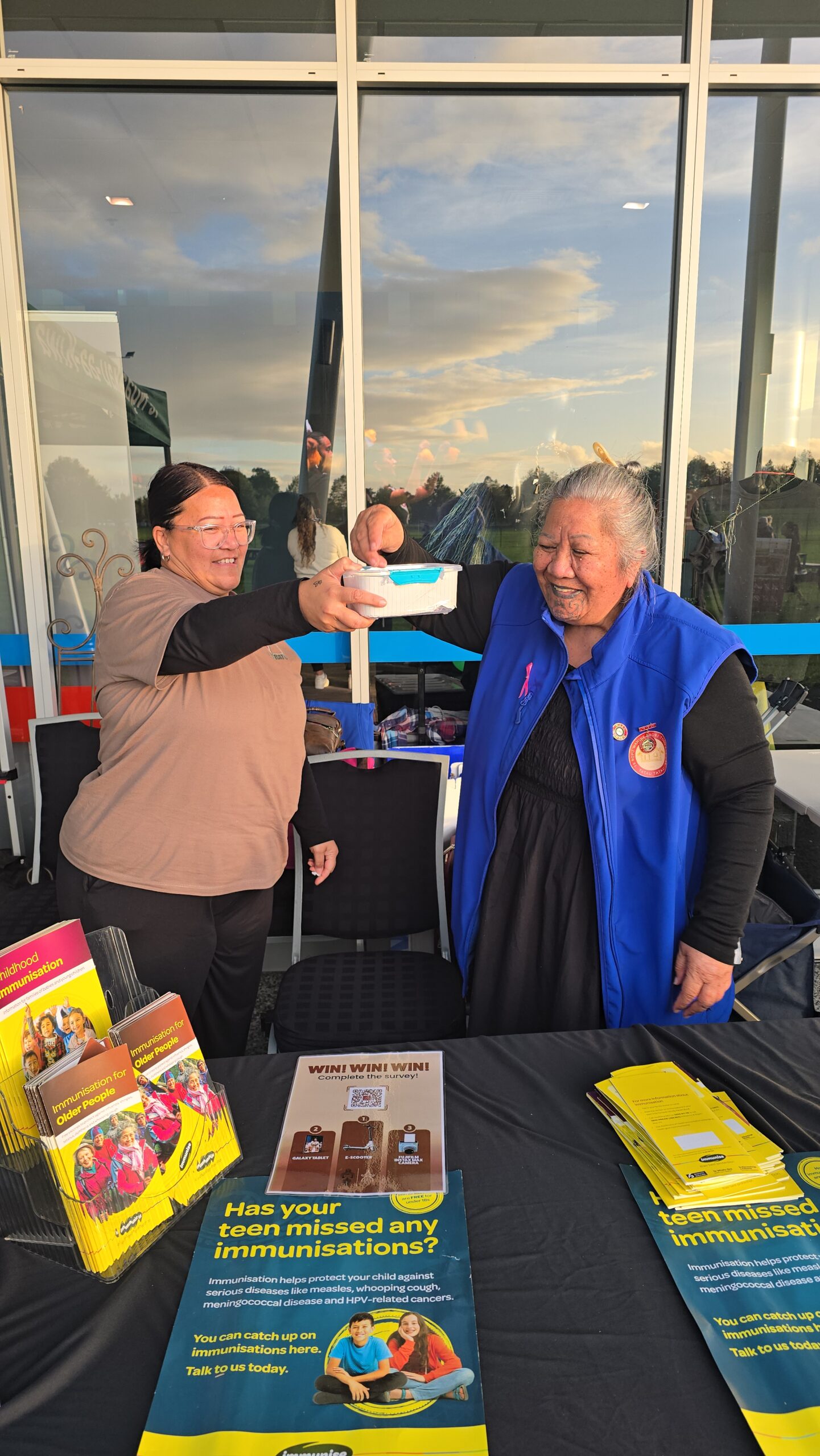
Last month our Whānau Voice surveys collected whakaaro from sixty-five whānau. What came back is not abstract data. It’s lived experience, spoken plainly and without filter.
The strongest thread running through their whakaaro is that hauora is never just one thing. Whānau are carrying multiple conditions at once, asthma alongside diabetes, mental health alongside work stress, chronic illness alongside caring for tamariki. It’s not isolated. It’s layered. And it’s constant.
One of the clearest messages is how hard it can be to actually get care when you need it. Even when whānau say “yes, I can access help,” the reality often sits underneath that answer. Wait times. Booking weeks in advance. Costs. Transport. Or simply deciding it’s too hard this time. Access exists, but it is stretched, delayed, and uneven.
Housing sits right in the middle of this. Whānau talked about cold, damp homes, poor ventilation, and babies living in conditions that worsen existing health issues. These aren’t separate from healthcare, they are part of it. For many, health starts in the home, not the clinic.
At the same time, whānau showed their inner wisdom of their own hauora. They know their conditions. They know what works for them. They know when to push through and when to adapt. This lived expertise is one of the most powerful things in our surveying. We’re witness to whānau managing complex situations with limited support, drawing on experience, whānau knowledge, and sometimes rongoā or lifestyle change to keep going.
There is also a clear imbalance in experience. Some whānau have steady, supportive relationships with services. Others are still navigating systems that feel slow, confusing, or unresponsive. The difference is not always need, it is often access, timing, and how well the system responds when it matters.
Mental health came through strongly, not as a standalone issue, but as a critical factor tied to everything else; pressure, money, work, whānau responsibility, and exhaustion. Whānau spoke about anxiety cycles, depression, and the effort it takes just to keep moving forward. Alongside that, they spoke about resilience and the way whānau, culture, and everyday practices hold people up when systems don’t.
What stands out most is the honesty. Our people did not soften their experiences. They spoke about long waits for surgery, the cost of going private, frustration with being unheard, and the emotional weight of repeating their stories. But they also spoke about what sustains them like kapa haka, whānau time, walking, gardening, marae, and being together.
These surveys are a reflection of how whānau are living right now, what is working, what is not, and what sits in between. Collected in a space of connection rather than formality, they carry a clarity that is hard to ignore.