
MEDIA STATEMENT
FOR IMMEDIATE RELEASE
Monday 30 March 2026, 5:00 AM
2 minutes to Read
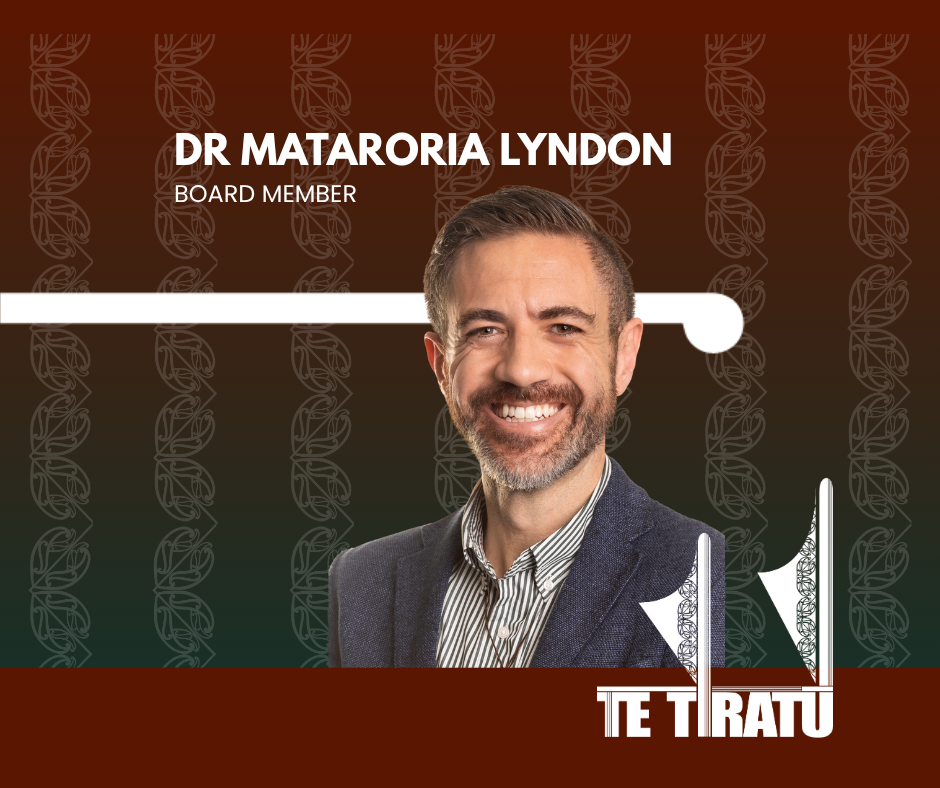
Te Tiratū Iwi Māori Partnership Board (IMPB), the largest in Aotearoa representing 121,300 whānau across the Tainui waka rohe, supports lowering the national bowel screening age to 58. It says the change will save lives, but only if equity for our Māori and Pacific whānau are central to how the programme is delivered.
Board member and clinician, Dr Mataroria Lyndon says the expansion is a positive move, but the data shows Māori and Pacific peoples are still being left behind at every stage of the screening pathway.
“Lowering the screening age is progress because it will help catch more cancers earlier. But the reality is stark. Around 60% of wāhine Māori and 50% of tāne Māori with bowel cancer are diagnosed before age 60, compared with about 30% in non-Māori. That means that even with screening starting at 58, a substantial proportion of Māori bowel cancers are likely to develop before people become eligible for screening.”
“Screening at 58 is better than 60, but it is not enough. The earlier we can detect bowel cancers among whānau Māori and Pacific, the more lives we can save. Ideally, the screening age should be lowered further and paired with equity-focused outreach and support.”
Data from the Te Tiratū IMPB priorities summary report highlights the scale of the challenge in the Waikato rohe. As at June 2023, 40.6 percent of the eligible Māori population in Waikato District had been screened for bowel cancer, compared with 57.4 percent of non-Māori.[1] Screening rates are lowest in younger age groups, where the largest numbers of Māori stand to benefit from earlier detection.
An average of 161 Māori die from cancer each year in Waikato District, and Māori are around twice as likely as non-Māori to die from any cancer. Dr Lyndon says these inequities reinforce the need for screening programmes that are not only broader but better designed.
“Expanding eligibility on its own is not enough. Equity must be built into delivery. That means services must be accessible, culturally appropriate, and actively reach whānau who are currently missing out.”
He acknowledged the leadership of kaupapa Māori providers in the region, including Taakiri Tuu wellness and diagnostic centre built and operated by Te Kōhao Health, who are already working to improve early detection and outcomes through whānau-centred models of care within the community.
“What we are seeing locally is what works. Māori providers are engaging our people in ways the mainstream system often cannot. They are trusted, connected, and delivering services that reflect the realities of our people’s lives. That is where continued investment and support are critical.”
Dr Lyndon says younger Māori remain a key priority, particularly given the evidence that bowel cancer can present earlier and progress more rapidly.
“The evidence is clear. Māori are more likely to develop bowel cancer at younger ages and experience worse outcomes. That means earlier screening must be paired with proactive outreach and support, especially for those in younger age groups who are currently underrepresented in screening programmes.”
Lowering the screening age is consistent with what the evidence has been telling us. Rates of colorectal cancer before age 50 have been increasing, with Māori experiencing faster growth compared to non-Māori. Findings published in the New Zealand Medical Journal show Māori are more likely to be diagnosed before screening begins, highlighting the urgency of earlier, equity-focused intervention.
Te Tiratū IMPB says it will continue to work alongside iwi, Hauora providers and hapori across the Waikato to ensure the expansion of bowel screening delivers meaningful gains for Māori.
“This is an opportunity to do things differently. We support the intent to extend access, but success will be measured by whether it actually reduces inequity. That requires sustained focus, investment, and accountability.”
[1] Source: https://tetiratu.co.nz/2024/09/30/hauora-maori-priorities/