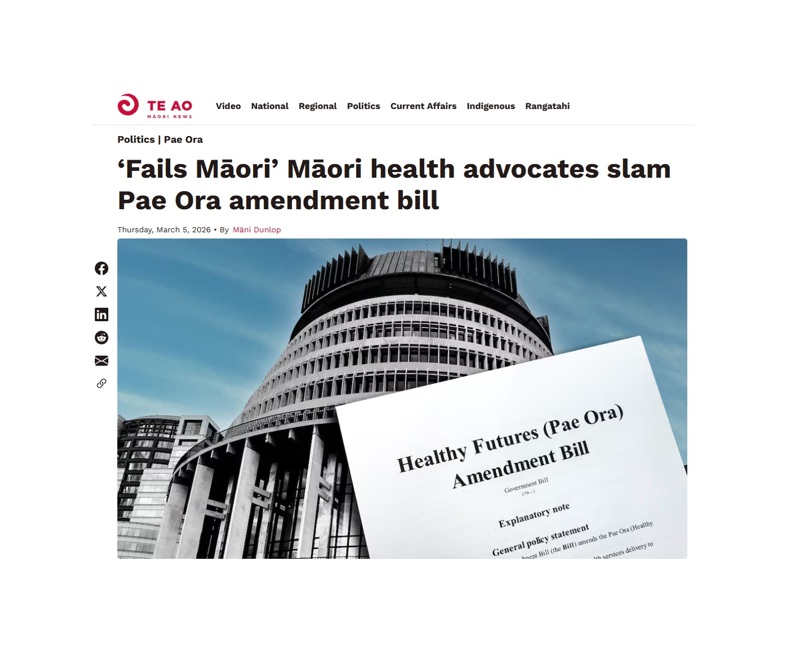
‘Fails Māori’ Māori health advocates slam Pae Ora amendment bill
Whakaata Māori has reported on opposition from Te Tiratū Iwi Māori Partnership Board to changes proposed in the Pae Ora (Healthy Futures) Amendment Bill, which has now passed its second reading in Parliament but is not yet law.
Te Tiratū says the amendments would weaken the role of Iwi Māori Partnership Boards and sideline iwi authority within the health system. The boards were established under the Pae Ora (Healthy Futures) Act 2022 to ensure Māori communities have a formal role in health planning, priorities, and accountability.
Te Tiratū Co-Chair Tipa Mahuta said the proposed changes would dilute the influence of iwi in health decision-making and weaken the protections intended to give effect to Te Tiriti within the health system.
“This government talks about strengthening Māori voices, but these amendments sideline our authority. Iwi Māori Partnership Boards exist to ensure equity and accountability in health, not just to provide advice when convenient. We need genuine power, not paper pathways,” Mahuta said.
Mahuta said weakening Section 30 of the Act would reduce Māori decision-making and strip away important protections linked to Te Tiriti. She said evidence gathered through Te Tiratū’s work shows that iwi-led planning improves access, outcomes, and efficiency across health services.
“Our reports clearly show that iwi-led solutions improve access, outcomes, and efficiency across health services. From chronic disease management to cancer screening, the evidence demonstrates that local, Māori-led planning works. Yet the proposed reforms ignore this capability entirely.”

Whānau speak up about state of health system at Taumarunui hauora day
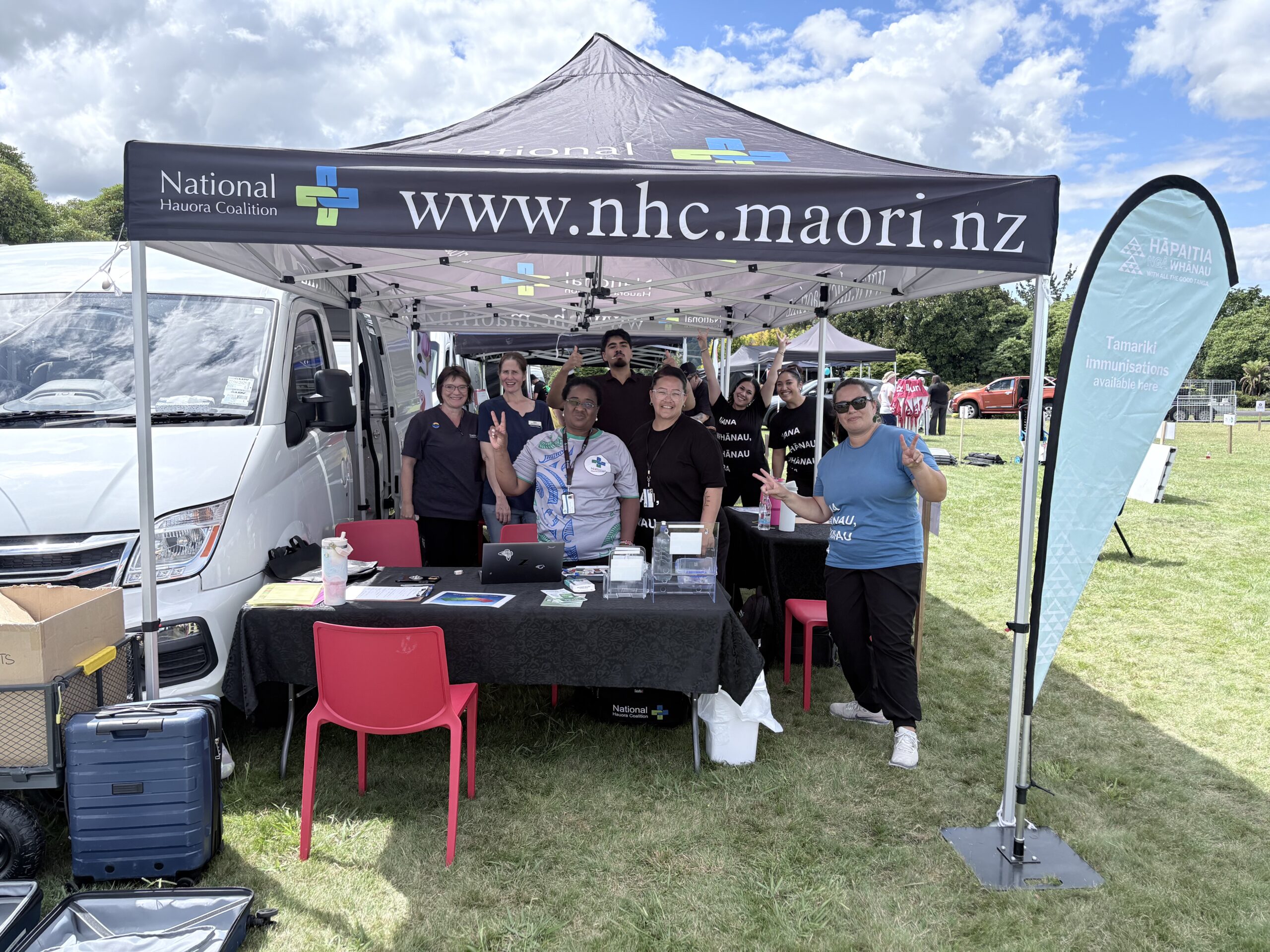
Whānau came together this past weekend at Taumarunui Hospital for the annual Hauora Day that was supported by a range of health specialists, community service providers and health teams.
We’d like to tautoko three wahine for their dedication organising this outstanding event. Atarina Peta, a health promoter from Taumarunui, and Willow Brady and Briar Downes from the Screening Team of the Waikato National Public Health Service.
Their leadership created a space where whānau could share their experiences and access vital health support. Community teams included National Hauora Coalition kaimahi, the Te Nehenehenui Health Bus, and the Ngāti Maniapoto Marae PACT Trust who provided information, advice, and resources.
Our Te Tiratū Whānau Voice team listened to whānau in Taumarunui as they shared the realities of accessing healthcare, highlighting common themes of long travel for services, gaps in local care, transport challenges, pressures on mental health and addiction support, and the difficulty many face navigating the health system.
Hāpū Māmā often travel six hours for ultrasounds due to the lack of local facilities, and there is no respite or hospice care available nearby.
Long waits for MRIs, cardiology scans, and GP appointments create stress and anxiety, while pharmacy hours are limited, forcing whānau to travel significant distances for medication. Public transport, such as the health bus, often requires better support, safer conditions, and kaumātua guidance to ensure whānau can travel with confidence.
Mental health and wellbeing were a major focus. Rangatahi anxiety and the pressures on grandparents raising grandchildren due to adult children struggling with meth use were recurring concerns. Many whānau expressed uncertainty about how to support those affected by addiction and highlighted the lack of services for gambling and other behavioural challenges.
The day also revealed gaps in health services, including a need for diabetes programs, sleep clinics, physiotherapy, and rongoā Māori services in Taumarunui. Whānau often face challenges navigating complex health systems, including ICAMS referral processes for infant, child, and adolescent mental health. Reduced Kaitiaki staffing, conflicting medical advice, and inconsistent oral health and counselling services add to the strain.
Despite the challenges raised, whānau also shared positive experiences. Asthma Waikato provided helpful online consultations, Awhi Healthy Homes responded quickly to urgent housing needs, and Te Puawaitanga counselling support was highly valued by those who had accessed it.
Whānau spoke clearly about what they need, like culturally safe services, local advocacy, support to navigate the health system, and more accessible health programmes closer to home.
Taumarunui Hauora Day highlighted both the strength and resilience of the hapori, and the urgent need to improve access to health services locally that Te Tiratū Iwi Māori Partnership Board is exploring further in its soon-to-be-released town-by-town Hauora Report on health access and equity.
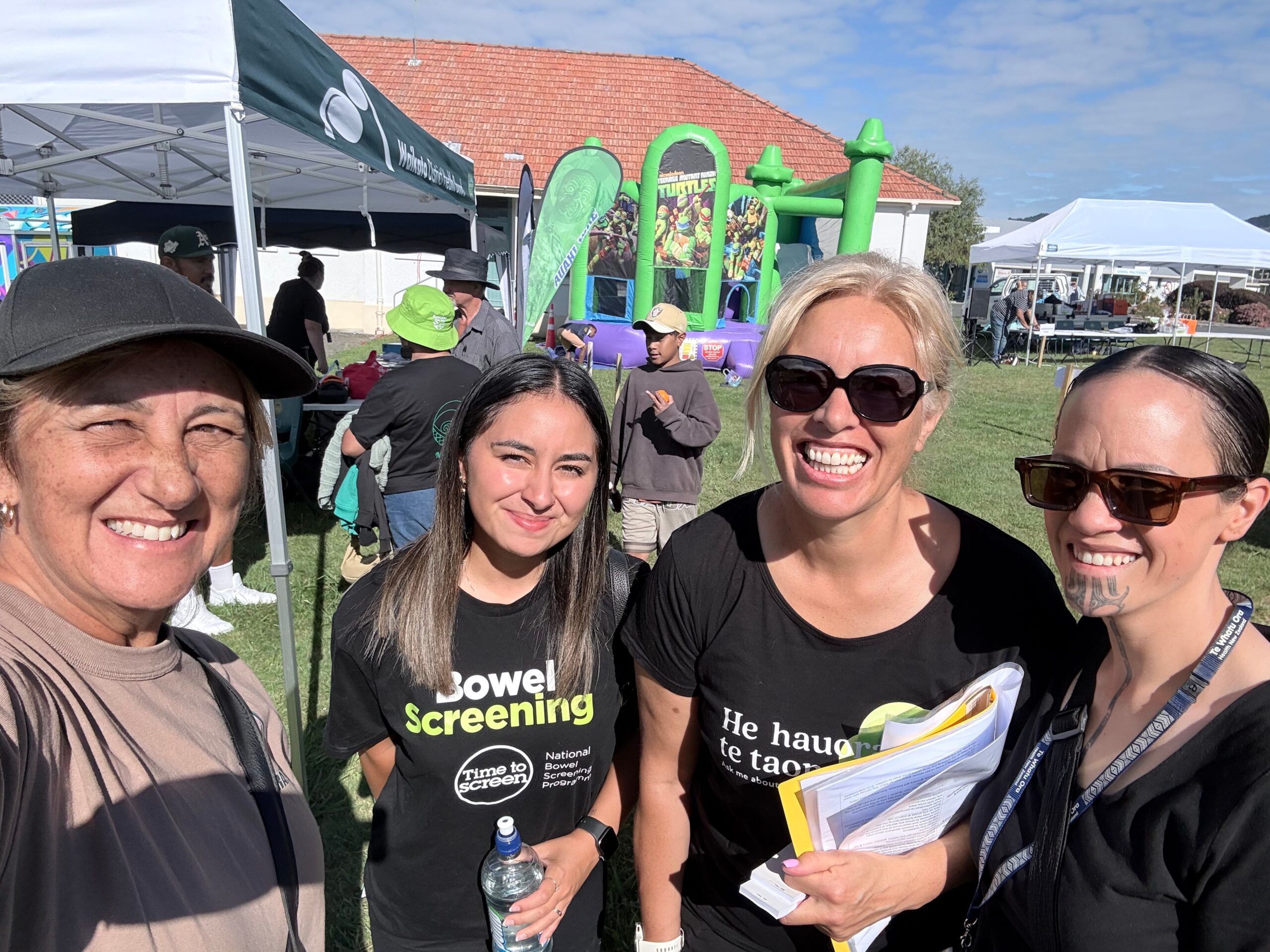
Photo: Te Tiratū Iwi Māori Partnership Board kaimahi Megan Tunks of Whānau Voice with Te Whatu Ora kaimahi – Willow Brady , Briar Downs and Atarina Peta who is the Health Promoter based in Taumarunui Hospital.
Independent investment governance signals structural reset for Whānau Ora
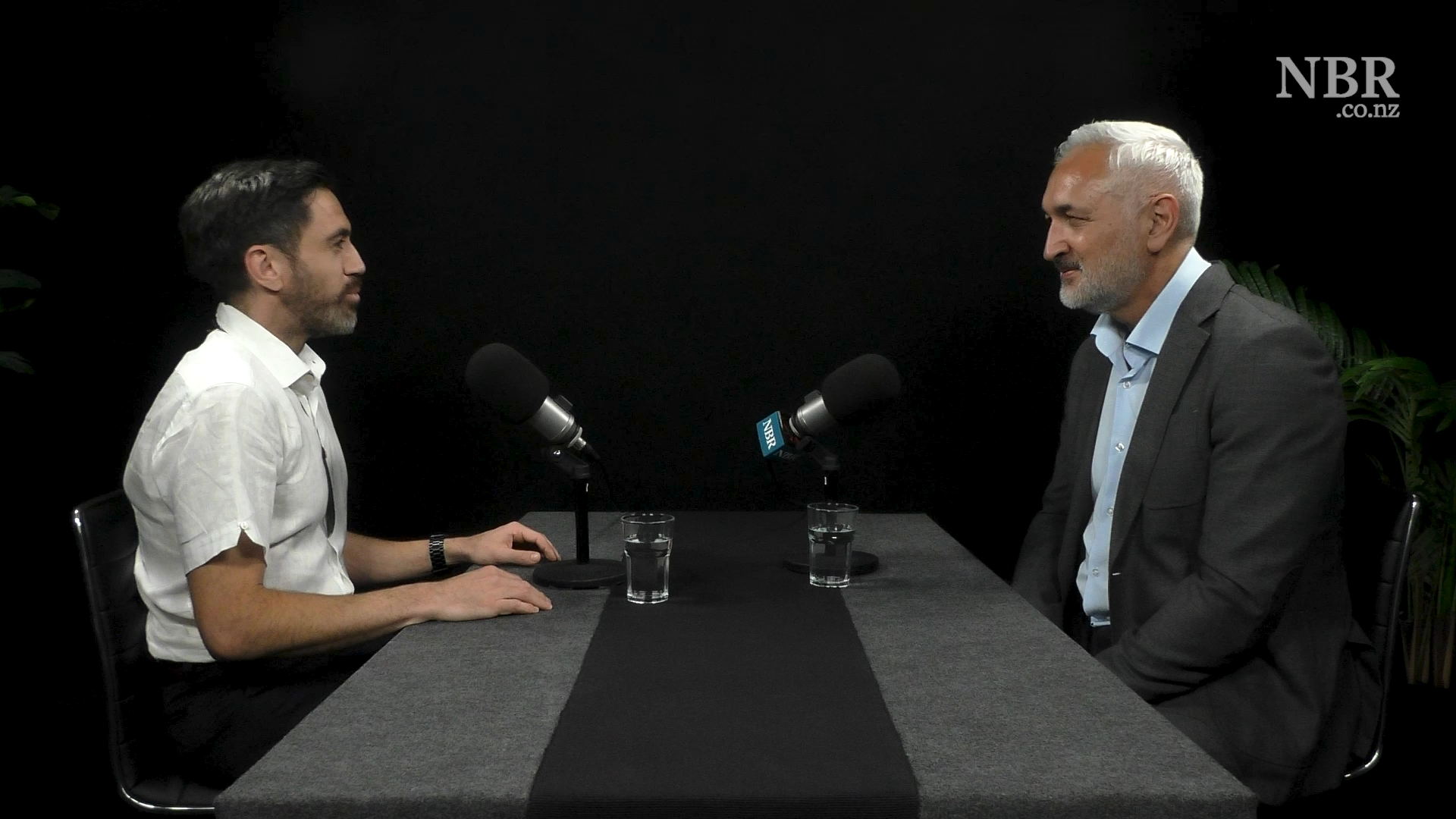
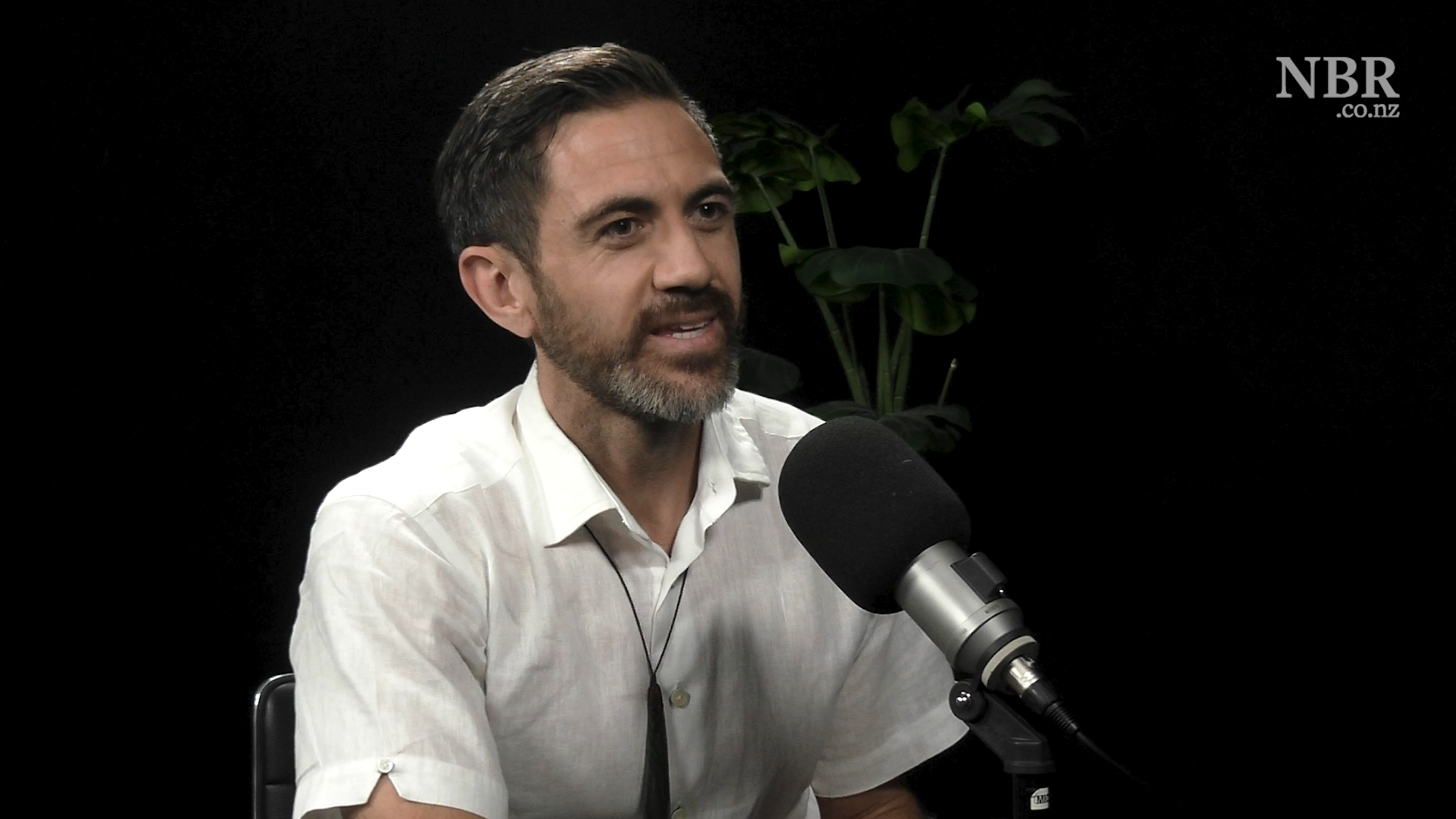
There’s a significant governance shift underway in the Whānau Ora landscape and at the centre of it is Dr Mataroria Lyndon, one of our board members.
Recently he was appointed Chair of the Independent Investment Board for Rangitāmiro, one of four newly established Whānau Ora commissioning agencies.
It’s a role with real weight.
Rangitāmiro covers the country’s largest population base from the central North Island through Waikato and Tāmaki Makaurau to Te Tai Tokerau and holds approximately $67 million in commissioning funding within a national Whānau Ora allocation of around $180 million.
But this appointment is about more than numbers.
It represents a structural evolution of Whānau Ora. Strengthened independent investment oversight, clearer accountability mechanisms, and a sharper focus on measurable impact all while maintaining whānau voice at the centre of decision-making.
Independence, Investment and Evidence
One of the defining features of the new model is the establishment of independent Investment Boards for each commissioning agency.
Dr Lyndon spoke to The NBR recently and describes the mandate succinctly. It provides arms-length advice on commissioning priorities, guide needs analysis, and ensure funding is directed where it can achieve the greatest long-term impact.
The board itself brings expertise across Te ao Māori leadership, rural health, commercial investment, epidemiology and data science. It’s a deliberate mix designed to blend kaupapa Māori values with rigorous evidence frameworks.
“It’s a collective expertise,” he says. “That independence allows us to make strong, evidence-informed recommendations that centre whānau.”
How that balance is struck and how independence is maintained in a politically visible funding environment is a key theme explored in his korero with editor, Mike McRoberts.
Scaling the Frontline
One of the most visible shifts under Rangitamiro is the expansion of the Whānau Ora navigator workforce.
It has expanded its navigator workforce to 301 which is an increase of 120 alongside 51 providers operating across a geographically and socially diverse rohe.
That scale matters.
Dr Lyndon sees this as critical, “We’re putting more funding directly into frontline roles. Navigators are where Whānau Ora lives and breathes.”
Navigators are the frontline expression of Whānau Ora working directly with whānau, responding to crises such as recent extreme weather events in Te Tai Tokerau, and helping coordinate cross-sector services to avoid duplication and fragmentation.
But expansion raises important questions: sustainability, measurement of impact, and long-term investment certainty.
Dr Lyndon addresses each of these including how data, Whānau Voice and social return on investment metrics will be used to demonstrate effectiveness.
“We call it Whānau Ora 7.0 thinking intergenerationally. It’s about being good tūpuna ancestors. Not just outcomes for now, but pathways for the future.”
He says it is not only as a social policy platform but is an intergenerational investment model. Grounded in the long-standing outcomes framework first established under the leadership of the late Kahurangi Tariana Turia.
How it evolves and intersects with growing iwi economic capacity is elaborated on in more depth in the full interview.
The Political Question
With an election year underway, questions naturally arise about stability of funding and political appetite.
Dr Lyndon he has seen Whānau Ora supported across governments of different stripes. His focus, he says, is not on partisan cycles but on demonstrating impact convincingly enough to justify increased investment.
Exactly how that evidence case will be built and what success looks like under the new commissioning structure forms one of the most substantive parts of the conversation.
“We know there is hardship among our whānau right now. The question is what can we do with the pūtea and resources we have to support aspirations and outcomes?”
Why This Matters
Whānau Ora remains one of the most debated and scrutinised social investment models in New Zealand.
The shift to independent investment governance signals a maturing phase one that combines kaupapa Māori foundations with sharper accountability expectations.
For business, policy and governance audiences, the Rangitāmiro appointment is worth attention. It signals where Māori health and social investment strategy may be heading next.
To hear Dr Lyndon outline the vision, the risks, and the opportunities in his own words, listen to the full interview at NBR.
Whānau Ora's proof point
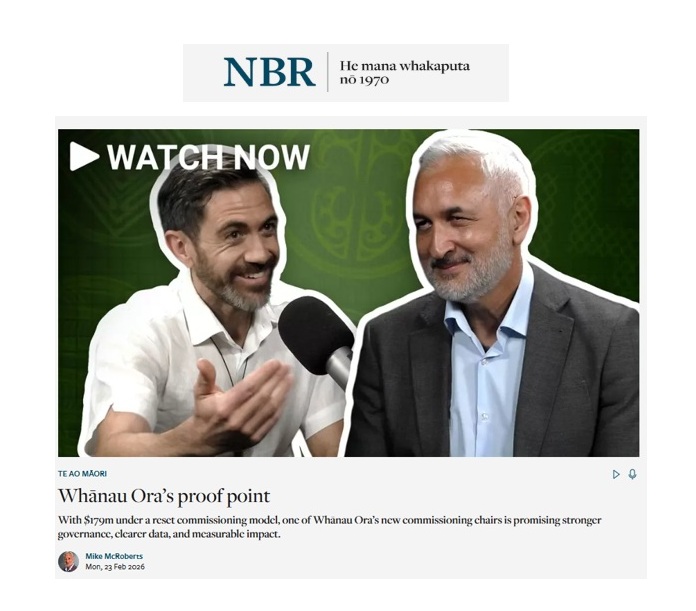
Dr Mataroria Lyndon, a board member of Te Tiratū Iwi Māori Partnership Board, has recently been appointed Chair of the Rangitāmiro Whānau Ora Commissioning Agency independent Investment Board, serving 2.3 million people across the upper North Island.
In an interview with Te Ao Māori Editor Mike McRoberts of The National Business Review, he shares his whakaaro on the kaupapa, the responsibility of stewardship, and the strategic mahi ahead to strengthen whānau wellbeing and long-term investment impact.
Explicit safeguards wanted for 12-month prescribing for Māori
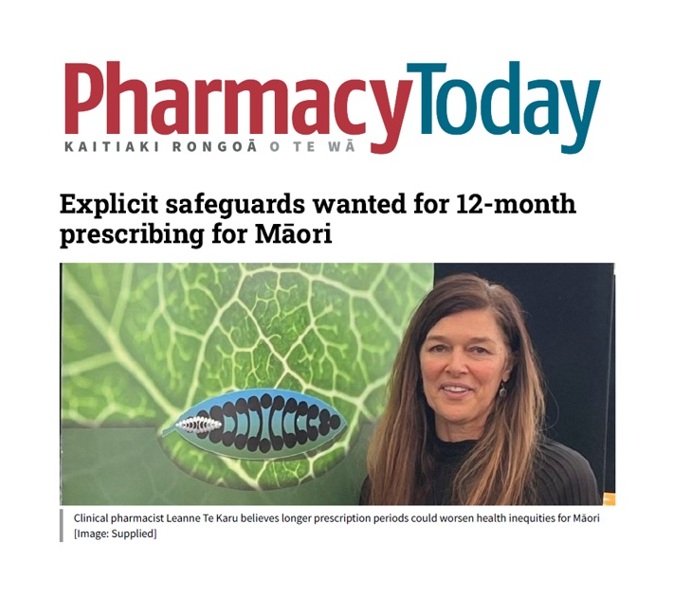
For 12-month prescribing to be safe for Māori explicit safeguards are needed, Te Tiratū Iwi Māori Partnership Board says in a Position Statement authored by pharmacist Leanne Te Karu.
Ensuring barriers to access are recognised and removed is key, rather than reduced Māori engagement with their prescriber and medicines by way of a longer prescribing period.
The extended period will work well if it reduces routine GP visits for people with stable conditions, easing pressure on primary care services, but may not provide the same benefits to Māori Tiratū chief executive Brandi Hudson says.
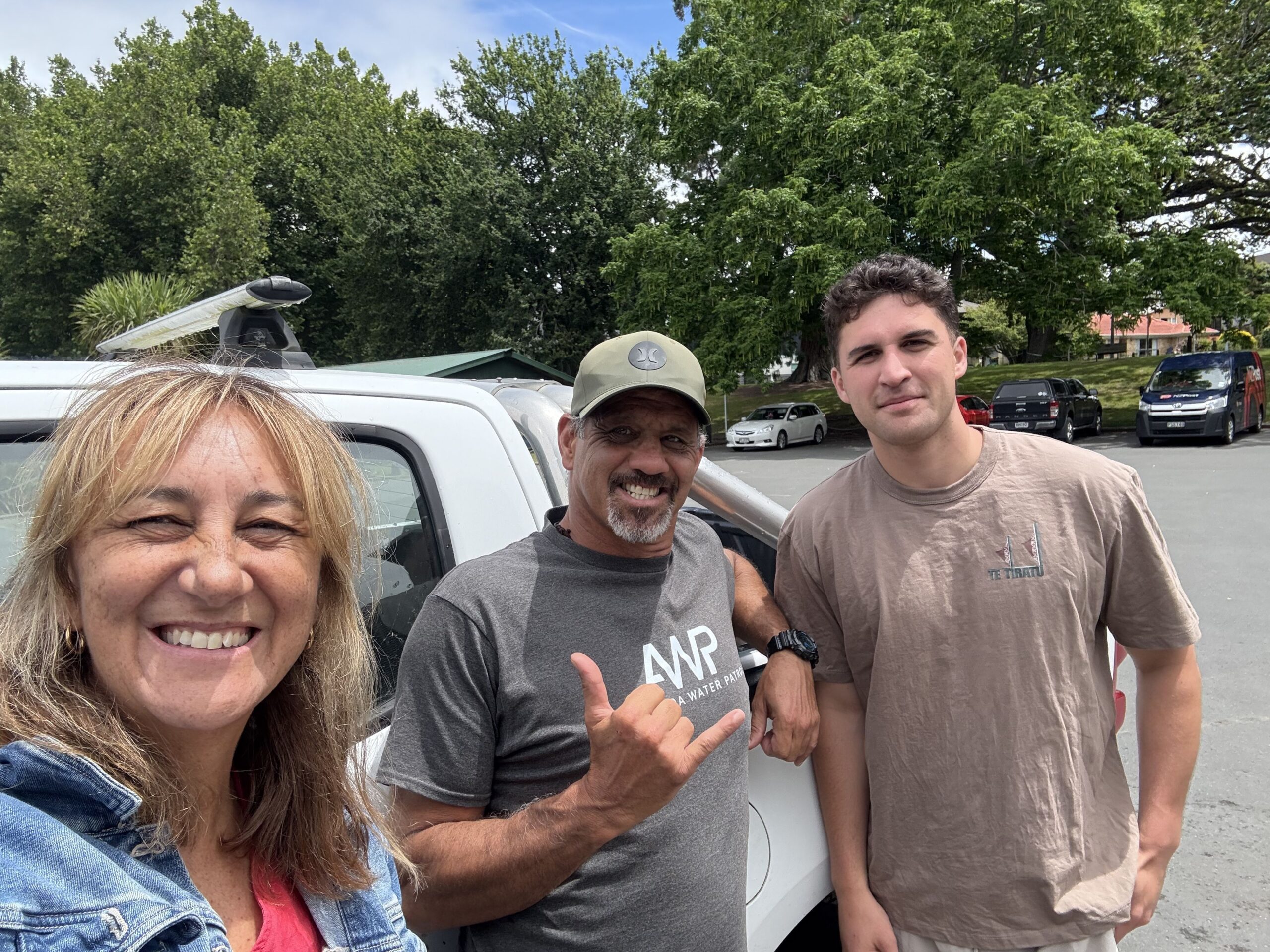
Koha & water safety kōrero that saves lives with Mark Haimoana
Photo: Megan Tunks of Whānau Voice, Mark Haimoana and Kōare Hudson, Te Tiratū Iwi Māori Partnership Board social media kaimahi.
When Mark Haimoana talks about the moana, he speaks with the mana of someone who has spent a lifetime in it.
Known across Aotearoa for his leadership in water safety, swimming and surfing, Mark has long championed a simple but powerful Kaupapa, that while our people belong in the water, our people must be safe in the water.
For Mark, safety begins long before you reach the shoreline.
The first thing he says is clear. You need to know how to swim. Not just once, not just as a child, but continuously. Swimming, floating, breath control and survival skills need to be practised and maintained.
“Many of us”, he says, “have not dived for a year or more. If you are heading out for a deep dive or even a simple skin dive for kina, pāua or crayfish, you need to be honest about your fitness. The ocean does not lower its expectations because we have been busy or because we are getting older. Preparation is part of respect.”
He also reminds us that in a world where nearly everyone carries a phone, “there is no excuse for silence whānau”. Before heading out on the water, whānau should know where you are going and what time you expect to return.
That simple act of communication can make the difference between a quick response and a long, frightening delay. Letting someone know your plan is not about restriction. It is about care.
Reading the conditions is another expression of that care. The moana is constantly changing. Tides shift, winds turn, swells build. Heading out without checking forecasts or understanding what the water is doing places unnecessary risk on yourself and those who may have to come looking for you.
Mark says, “know your tides, watch the wind and understand how quickly weather can move”. Awareness is protection.
Yet perhaps the most important message he shares is one grounded in our values. “Stay together. Look after each other. Mahi ā whānau.” When we move as a collective, we notice when someone is tired, when conditions feel wrong, when it is time to turn back. Water safety is not an individual pursuit. It is relational.
Mark has kindly donated a lifejacket to Te Tiratū that we will be giving away to whānau on our Facebook page.
It carries that same spirit. It is practical, yes, but it is also symbolic. It represents manaakitanga in action. It says that every life matters, that preventable loss is not something we accept, and that leadership is shown through generosity as much as words.
Te Tiratū Iwi Māori Partnership Board is deeply grateful to Mark Haimoana for this koha and for the decades he has spent strengthening water safety across our communities. As the warmer months draw more of us back to the coast, rivers and lakes, his message is timely.
Skill up. Stay connected. Respect the conditions e te whānau.
Kia haumaru tātou katoa.
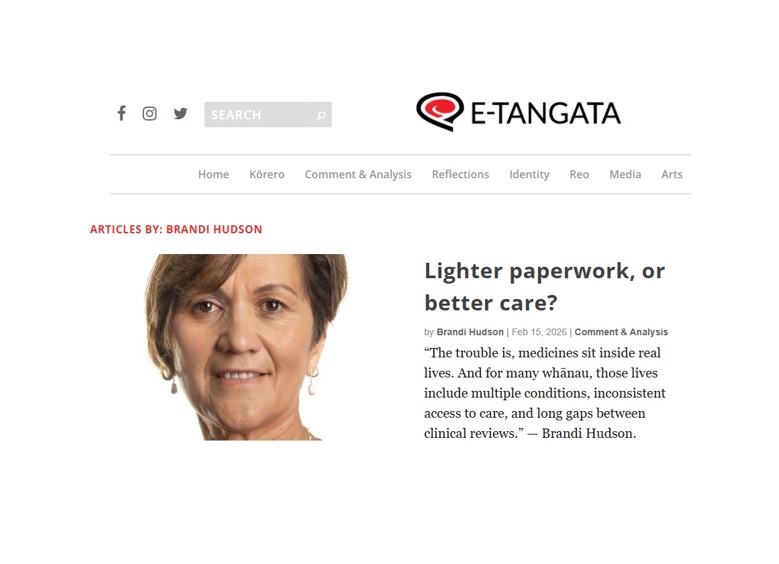
Lighter paperwork, or better care?
A change to prescription time-frames isn’t a win for all whānau, writes Brandi Hudson.
I understand why some people welcomed the policy change extending the prescribing period to 12 months. It means fewer repeat appointments. Less admin. Less cost. More convenience.
But where I work, at Te Tiratū Iwi Māori Partnership Board, we’re deeply concerned.
Without strong equity and safety safeguards, this change risks widening Māori health inequities, increasing under-care, delaying diagnosis, and causing medication-related harm.
The policy itself sounds tidy. Prescribers can issue prescriptions for up to 12 months for some medicines, while dispensing at the pharmacy still occurs in maximum three-monthly periods. Controlled drugs are excluded. It’s framed as a way to reduce unnecessary appointments and ease pressure on the system.
The trouble is, medicines sit inside real lives. And for many whānau, those lives include multiple conditions, inconsistent access to care, and long gaps between clinical reviews.
It’s easy to imagine a “stable patient” who takes one medicine and has no complications as the basis for policy change. But many of our whānau are managing complex comorbidities, such as diabetes alongside asthma, cardiovascular disease alongside kidney issues, chronic pain alongside depression, and respiratory illness alongside poverty-related stress. Even the presence of two conditions can create risks, interactions, and side effects that need regular review.
For those whānau, prescribing is not just a matter of being told: “Here’s your tablets for the year.” The prescription is part of a care plan that should include monitoring, blood tests, screening, follow-up, and the chance to adjust treatment before harm occurs.
That’s why Te Tiratū supports reducing barriers, but we can’t support a change that reduces the number of touchpoints without putting in place safeguards to protect those who are already missing out.
Māori face significant barriers to accessing medicines. Despite higher rates of chronic conditions such as diabetes, cardiovascular disease and respiratory illness, Māori are overall less likely than non-Māori to access dispensed medicines. In some cases, prescriptions aren’t collected at all because cost, transport, and system barriers make it too difficult.
Extending the length of a prescription doesn’t automatically fix those issues. In some cases, it could even mask them. On paper, a person might look “covered” for 12 months. In reality, they might still be missing doses, skipping follow-ups, not getting blood tests done, or deteriorating quietly until they end up in hospital.
There’s another risk we need to talk about honestly, and that’s the assumption of “clinical stability”.
Who will get labelled stable enough for a 12-month prescription? And who won’t?
In a health system where bias can shape decision-making, sometimes unconsciously, our whānau may be less likely to receive careful follow-up, or more likely to be deemed “fine” without the monitoring that should come with long-term medicines.
Māori don’t experience ill-health in isolation. We live with higher rates of the country’s top five killers — cancer, diabetes, heart disease, stroke and respiratory illness — often all at once. These conditions don’t arrive one by one. They stack, interact, and compound over time.
Add to this the realities many whānau face, such as not always having enough kai, stable housing, or financial security. These are not side issues — they directly affect whether medicines are taken as prescribed, whether follow-up appointments are kept, and whether pain or deterioration is noticed early.
For many of our whānau, poor oral health and chronic foot problems are not minor inconveniences. They affect mobility, sleep, ability to work, and self-esteem. Pain becomes normal. Limited mobility becomes normal. Struggling through becomes normal.
And when complexity becomes normal in a health system under strain, it can quietly slip through the cracks.
Instead of prompting closer monitoring, long-term medicines and complex conditions can be treated as “baseline”. Symptoms are more likely to be interpreted as expected rather than concerning. Whānau may be assessed as “stable” or “fine” not because they’re well, but because their level of unwellness has been unconsciously normalised.
This is how bias can operate without intention. Not through overt neglect, but through lowered expectations of recovery, stability, and follow-up.
Equity in healthcare doesn’t mean treating everyone the same. It means recognising when people are carrying more medical, social, and economic burdens, and responding with more care, not less.
Dr Leanne Te Karu, our expert advisor, has warned that reducing prescribing touchpoints can reduce opportunities to detect deterioration, review side effects, adjust treatment, or optimise medicines. And while community pharmacists are essential, they can’t replace comprehensive clinical review and diagnostic reassessment.
That’s why the solution isn’t simply to provide longer prescriptions. The solution is to build stronger systems around them.
We need national guidance on who isn’t clinically-appropriate to receive a 12-month prescription, and we need equity-focused monitoring that shows what is happening for Māori, not just what is happening on average across the whole population.
We need transparent reporting of adverse events, hospitalisations, medication changes, and wastage. We need Māori-led evaluation of safety, trust, communication and cultural safety.
Most importantly, we need to stop treating medicines as isolated clinical decisions and start treating them as part of a Treaty-aligned system of care.
Te Tiriti obligations of partnership, equity and active protection aren’t optional extras. Partnership means Māori are involved in designing and governing the processes that provide access to medicines, not merely consulted after decisions are made.
Equity means Māori achieve the same access to subsidised medicines and support services as everyone else, with real-world barriers like transport and culturally appropriate information addressed directly. Active protection means outcomes for Māori are monitored, and the policy is adjusted quickly if harm is emerging.
There is a better way forward. Māori pharmacy experts like Dr Te Karu have long advocated for a Te Tiriti-aligned strategy, grounded in Pae Ora and mātauranga Māori, to bring all the right expertise into the room and design medicines pathways that reflect whānau realities, not just administrative convenience.
A 12-month prescription might reduce hassle. But it won’t keep you well if the system stops checking in.
If we want this change to succeed for whānau, we have to measure success by whether Māori are safer, healthier, and better supported — not whether the paperwork got lighter.
Brandi Hudson (Ngāti Maniapoto, Ngāti Rarua, Ngāti Pikiao) is the tumu whakarae (chief executive) of Te Tiratū Iwi Māori Partnership Board, providing strategic leadership across the Waikato rohe to strengthen Māori influence in health system design, planning and service delivery.
She has held senior roles across community, government and not-for-profit sectors, including inaugural CEO of the Independent Māori Statutory Board in Auckland.
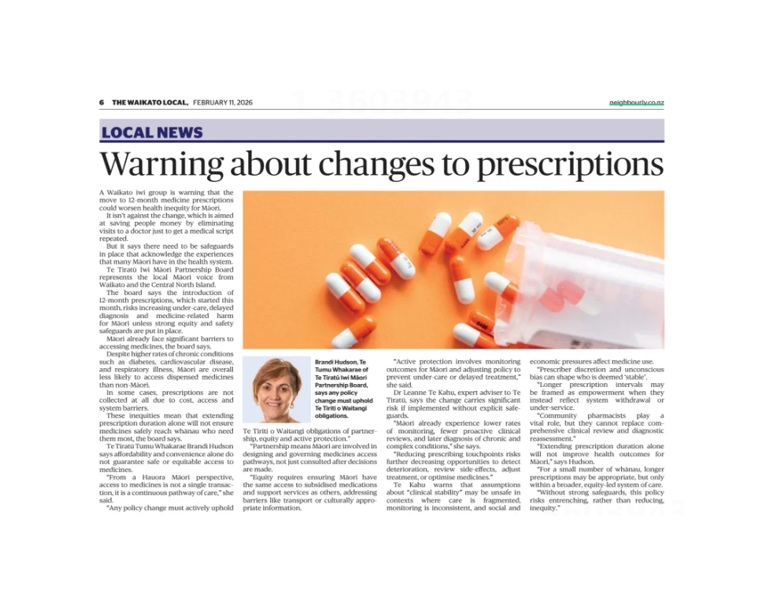
Gaps remain in Māori health
The Waikato Local has covered Te Tiratū Iwi Māori Partnership Board’s warning about the 12-month prescription medicine policy change and its potentially adverse impact on whānau Māori as outlined in our Position Statement.
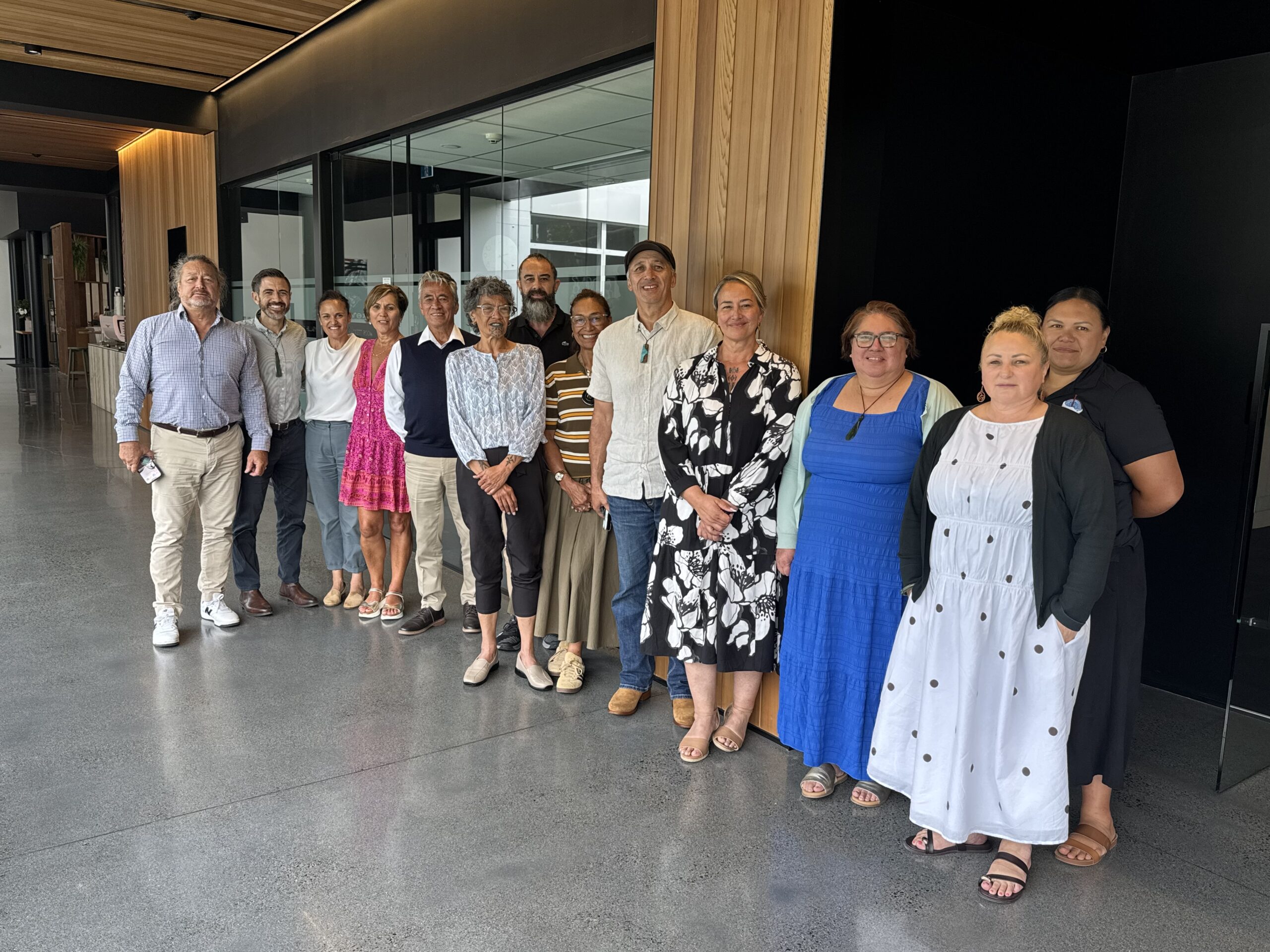
Rangitāmiro & shareholders strengthen shared vision
Photo: Governance and operational rangatira of Rangitāmiro with shareholders, Te Tiratū Iwi Māori Partnership Board, Ngaa Pou Hauora oo Taamaki Makaurau Iwi Māori Partnership Board, National Hauora Coalition (NHC)
Board members from Rangitāmiro Whānau Ora Commissioning Agency and its three shareholders, National Hauora Coalition, Ngaa Pou Hauora oo Taamaki Makaurau Iwi Māori Partnership Board, and Te Tiratū Iwi Māori Partnership Board came together in early February to strengthen their shared commitment to improving outcomes for whānau.
The hui brought governance and operational leaders around the same table to reflect on progress, discuss current challenges, and look ahead to the future of investment and support for hapori.
During the hui, Te Tiratū shared insights from its latest quarterly monitoring report on Te Whatu Ora. The report highlighted that many whānau are still facing barriers within the health system. These include long waits to see specialists, delays for surgery, reduced funding for health promotion initiatives, and lower screening rates for some conditions. Gaps also remain in making health information accessible and easy for whānau to understand.
At the same time, there were encouraging signs of progress. Screening rates for cervical and breast cancer have increased by around ten percent, showing the impact of targeted outreach and the strength of community-based engagement. Leaders at the hui reflected on how consistent data, trusted relationships, and clear health messaging all play an important role in helping whānau access care earlier.
Chair of Rangitāmiro, Eru Lyndon, spoke about the importance of maintaining optimism and purpose when working in the social development space.
“Whānau trust the people delivering services and the information they receive, they are more likely to engage with health initiatives such as immunisation, health checks and prevention programmes,” he said. “Building that trust remains one of the most important tasks for those working to support whānau wellbeing.”
The hui also recognised the vital role played by Whānau Ora navigators who walk alongside whānau, supporting them to achieve their aspirations and helping them connect with services, information, and practical support.
Rangitāmiro Chief Executive Te Rōpu Poa provided an update on how Whānau Ora supported communities during the recent cyclone. The kōrero highlighted the critical role marae and hapū play as first responders when emergencies affect their communities.
Leaders emphasised that while immediate support during disasters is essential, building long-term resilience is just as important. Strengthening preparedness and ensuring communities have the support they need to recover and rebuild will remain a key focus moving forward.
Further insight was shared by Te Tiratū board member Dr Mataroria Lyndon, who recently took on the role of Chair of the Independent Investment Board advising Rangitāmiro. He spoke about how the board will help guide equitable and effective commissioning decisions that support whānau wellbeing across generations.
Dr Lyndon also encouraged leaders to think boldly about the future vision for “Whānau Ora 7.0” looking forward seven generations. While the original framework focused on supporting self-managing whānau, he suggested the next phase should aim even higher supporting self-determining whānau exercising tino rangatiratanga, living longer and healthier lives, creating intergenerational prosperity, strengthening economic security through wealth creation, and protecting whenua and the environment through kaitiakitanga.
These whakaaro will help shape future investment priorities and the direction of Rangitāmiro.
Leaders are expected to meet again in May or June to continue building this shared strategy and long-term vision for whānau wellbeing.
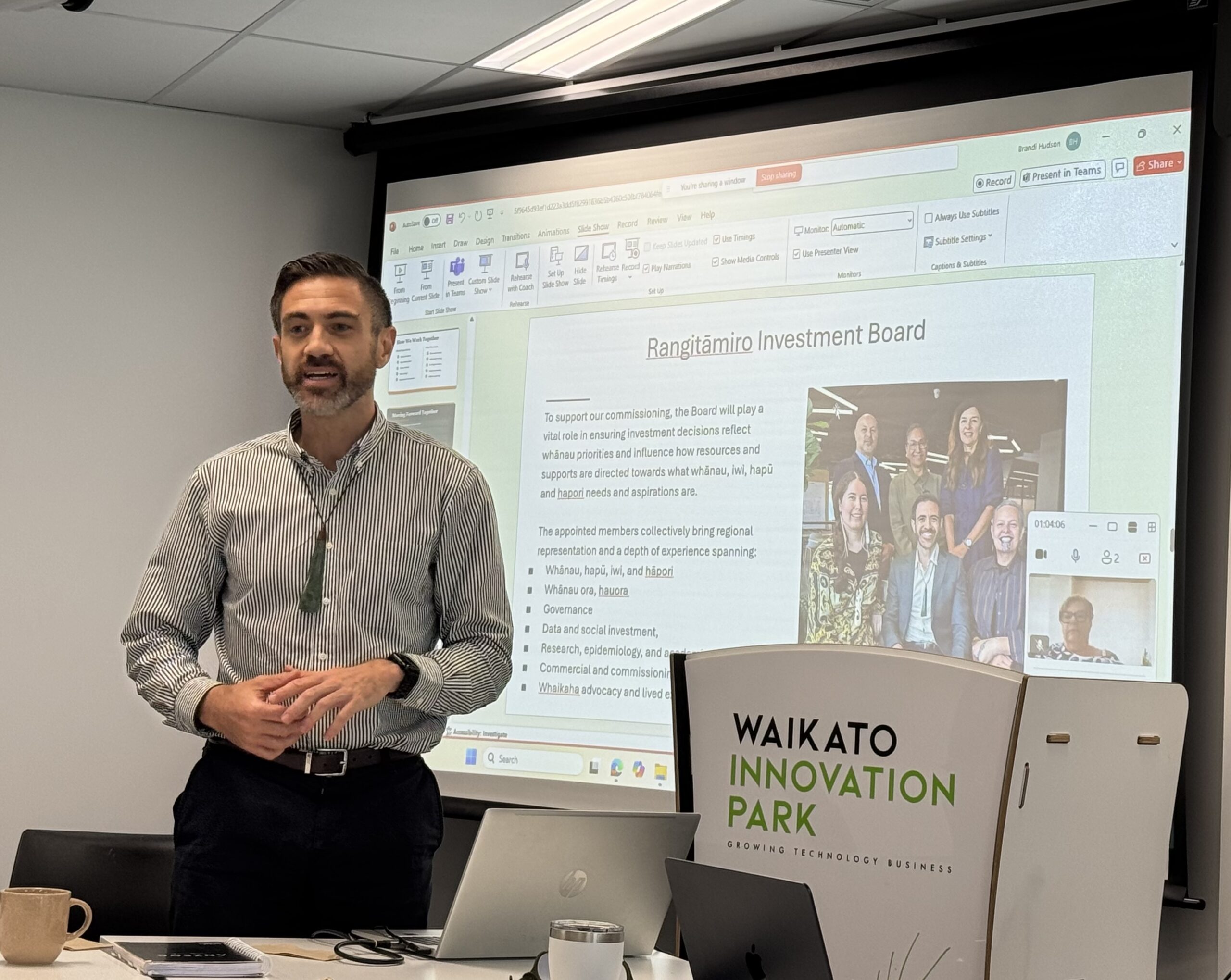
Photo: Te Tiratū Iwi Māori Partnership Board member and Chair of the Independent Investment Advisory Board for Rangitāmiro, Dr Mataroria Lyndon
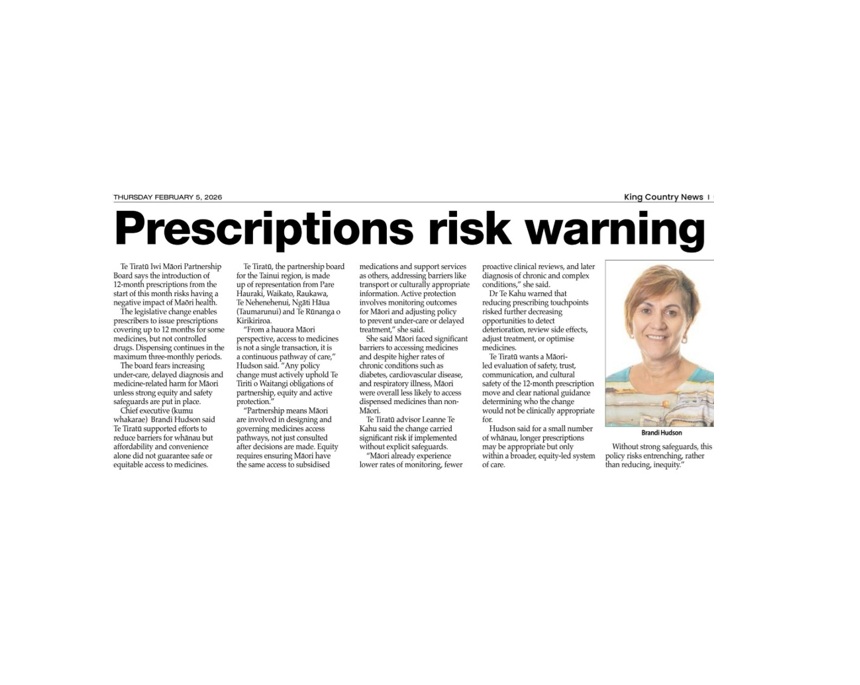
Prescriptions risk warning
The King Country News has covered Te Tiratū Iwi Māori Partnership Board’s warning about the 12-month prescription medicine policy change and its potentially adverse impact on whānau Māori as outlined in our Position Statement.