Largest iwi Māori partnership board calls for Māori-focused equity in access
Te Tiratū Iwi Māori Partnership Board that serves 114,000 Māori in the Waikato rohe welcomes the Government’s decision to lower the eligibility age for free bowel cancer screening from 60 to 58 announced today.
“Screening is an essential tool for prevention and early detection, and expanding access will definitely save lives,” said Hagen Tautari, co-chair Te Tiratū Iwi Māori Partnership Board.
“However, what we don’t want is to leave our people who are high-risk behind as they face substantially poorer health outcomes. What we need is an easier diagnostic process that removes systemic barriers.”
Published tested evidence shows that Māori are twice as likely to die from all types of cancer compared to non-Māori.
Research shows the rate of colorectal cancer diagnoses among young Māori under 50 years has increased by an average of 36 percent per decade.
In the rohe Te Tiratū operates Māori cancer numbers are some of the highest in the country.
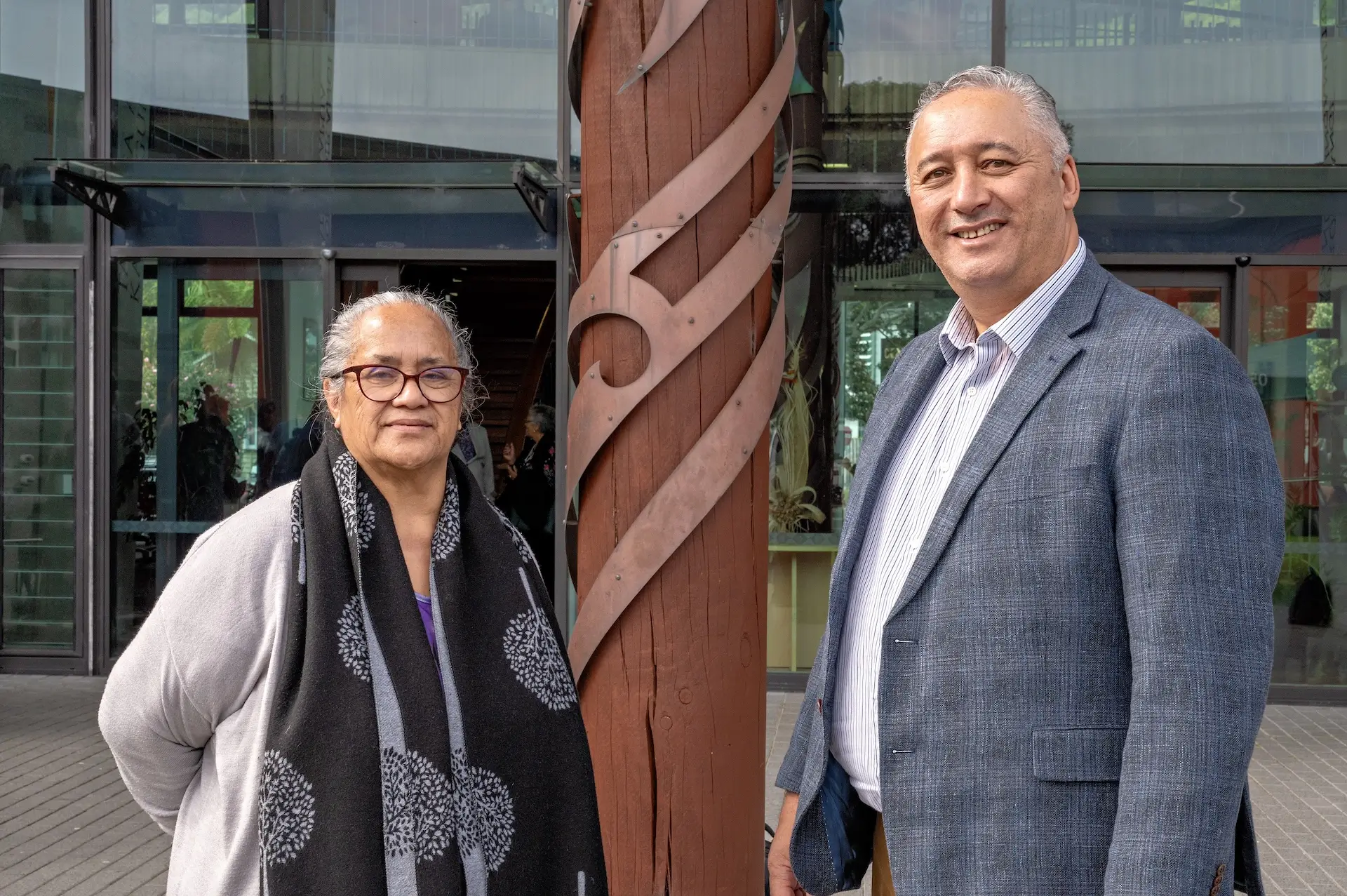
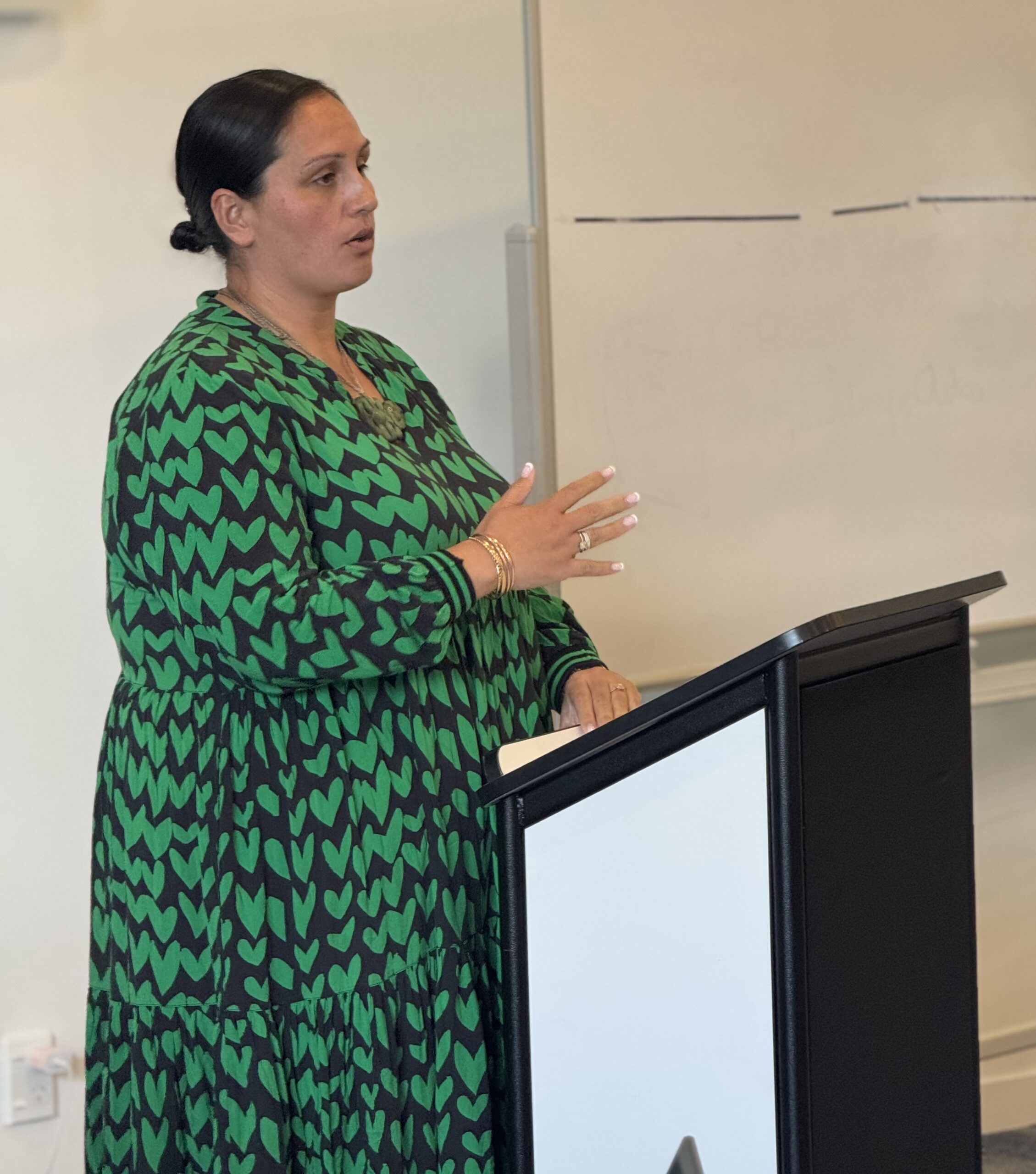
Photo: Co-chairs of Te Tiratū Iwi Māori Partnership Board Kataraina Hodge and Hagen Tautari
While Māori continue to face grave Māori health inequities and significantly lower cancer screening rates, Te Tiratū prioritises prevention as a fundamental step toward improving outcomes.
This adjustment in funding, which moves away from a previously targeted approach for Māori and Pacific communities discontinued in December, raises concerns about whether the expansion will effectively reach and benefit those most at risk.
Pae Tū, the Hauora Māori Strategy is currently being redesigned, following extensive public consultation. Te Tiratū expects it will reflect the needs and expectations of the region to better address the specific needs of Māori and ensure more effective, equitable health outcomes – access to screening being one of them.
Te Tiratū advocates strongly that cancer screening must be culturally appropriate and properly resourced to ensure Māori participation over a lifetime.
It acknowledges that the solutions lie in true partnership between the community and Te Whatu Ora. A prime example is the Taakiri Tuu Wellness and Diagnostic Centre, established in 2024 by Māori health provider Te Kōhao Health in a high-deprivation area, specifically designed to serve whānau Māori.
Kataraina Hodge, co-chair of Te Tiratū Iwi Māori Partnership Board, believes that without targeted strategies, partnerships in community and resourcing for high need populations existing disparities could be reinforced rather than reduced.
Te Tiratū Iwi Māori Partnership Board invites clear commitments by Te Whatu Ora to support:
• Resourcing Māori-led, community-driven promotion of screening.
• Accessible screening locations, particularly in rural areas where services are often out of reach for our whānau.
• Investment in workforce and resources to support increased demand without creating further barriers to timely diagnosis and treatment.
“Te Tiratū remains committed to advocating for hauora solutions that reflect the needs of our people. We urge the Government to engage with Hauora Māori providers and leaders to ensure that screening programmes deliver equitable outcomes—not just increased numbers,” Tautari said.
The Te Tiratū Iwi Māori Partnership Board given their legislative responsibility under the Act monitor and represent local Māori perspectives on the design and delivery of services and public health interventions.
The Board represents the whānau of Pare Hauraki, Waikato, Raukawa, Te Nehenehenui, Ngāti Hāua (Taumarunui) and Te Rūnanga o Kirikiriroa from the localities of Waikato, Hauraki, Maniapoto, Raukawa, Ngāti Hāua.
Sources of Statistics:
Pg 49 Waitangi Tribunal Hauora Report
University of Otago 2024 Early onset cancer on the rise
Pg 17 Te Tiratū Iwi Māori Partnership Board Hauora Priorities Summary Report
Pg 14 Waitangi Tribunal Hautupua Report

Elevating Whānau Voices at Te Matatini 2025
Our dedicated Whānau Voice team from Te Tiratū IMPB, who travel across our rohe, proudly attended Te Matatini o Te Kāhui Maunga 2025 in February.
While 55 incredible groups took the stage at Pukekura/Bowl of Brooklands, the real magic happened behind the scenes—a cherished time of whakawhanaungatanga with the Māori backbone of Hauora.
Ngā mihi nui to Te Punanga o Te Ao Iwi Māori Partnership Board in Taranaki for your manaakitanga. Congratulations to Te Kapa Haka o Ngāti Whakaue for claiming the championship title!
Throughout the event, we connected with a diverse cross-section of hāpori—whānau, dedicated Māori health providers, rangahau leading vital research, expert Hauora advisors, peak bodies, professors, and public servants—all committed to strengthening our collective wellbeing.
Special mihi to all the wonderful kaimahi at Te Atawhai o Te Ao Independent Māori Institute for Environment & Health, New Zealand Heart Foundation, Cancer Society, Te Rau Ora, Toi Tangata, Manawa Ora, Te Ataaranga Trust, Netsafe, Office of Vice Chancellor Māori at Te Whare Wānanga o Waikato, Māori Health Directorate and National Public Health Service at Te Whatu Ora.
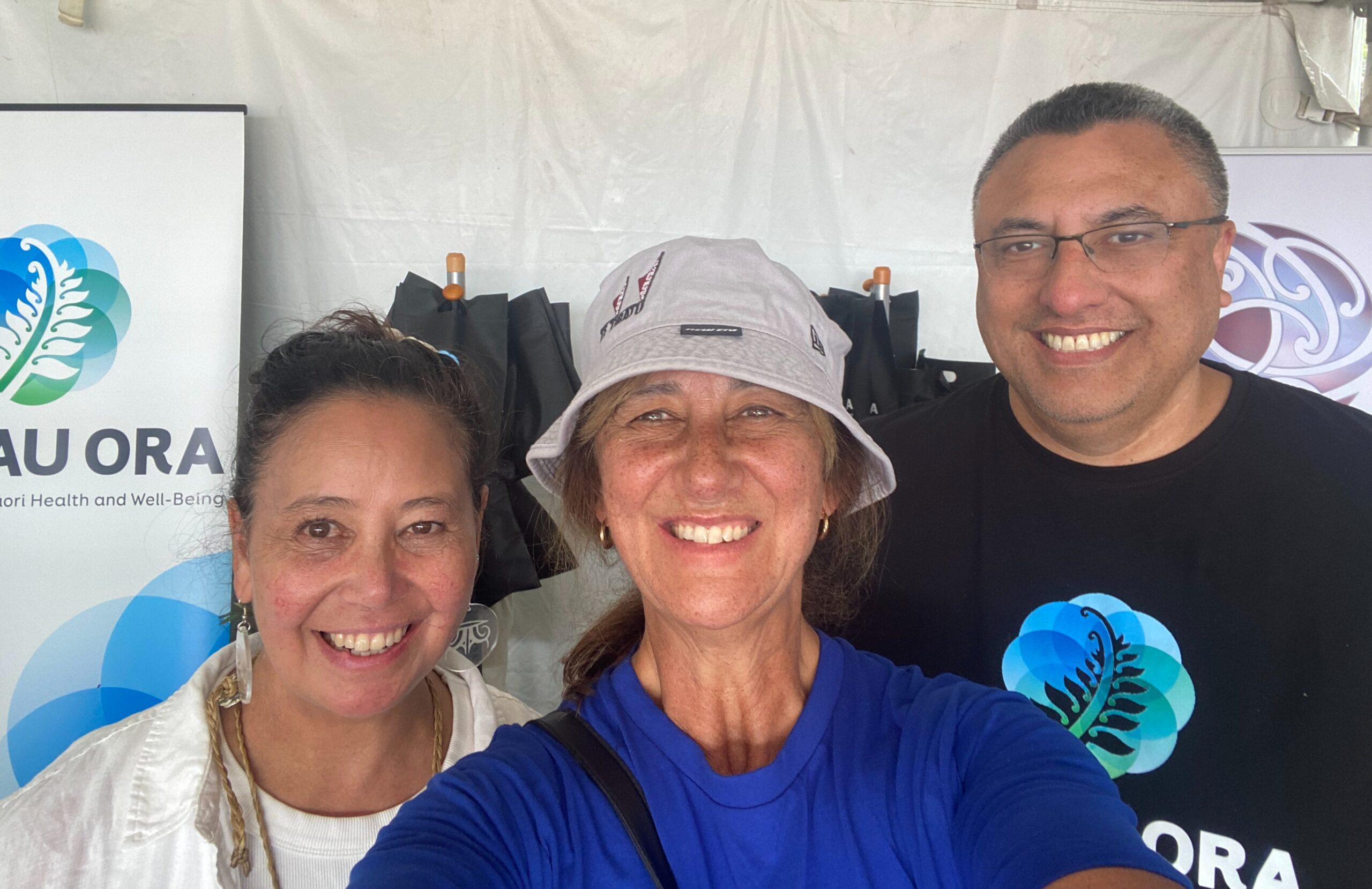
Photo: Marama Tauranga, Chief Nursing Advisor Māori Health Directorate Te Whatu Ora, Megan Tunks Te TiratūIMPB Whanau Voice, Riki Nia Nia CE Te Rau Ora
Keep an eye out for our distinctive Te Tiratū flag flying proudly at local events across the rohe this year!
Our team will be there to listen to whānau about what being healthy and well looks like, what is working well or not working well, what is the biggest health or wellbeing challenge, what would make it easier to access the support, how can health services be improved?
Because the statutory role of Te Tiratū is to advocate for whānau trying to navigate the complex health system, especially with the many changes happening at the moment.
The ripple effects of uncertainty and instability in the health system on whānau are profound, particularly for those facing serious health conditions like cancer.
We tautoko the ongoing pain points faced by whānau when accessing healthcare such as the cost and long wait times for GP appointments, transport and parking issues at hospitals, and lack of kai and comfort during visits.
Through Whānau Voice we are collecting all your whakaaro in our regular reports to Te Whatu Ora to play out part in transforming the health system so it is accessible and equitable for our hāpori.
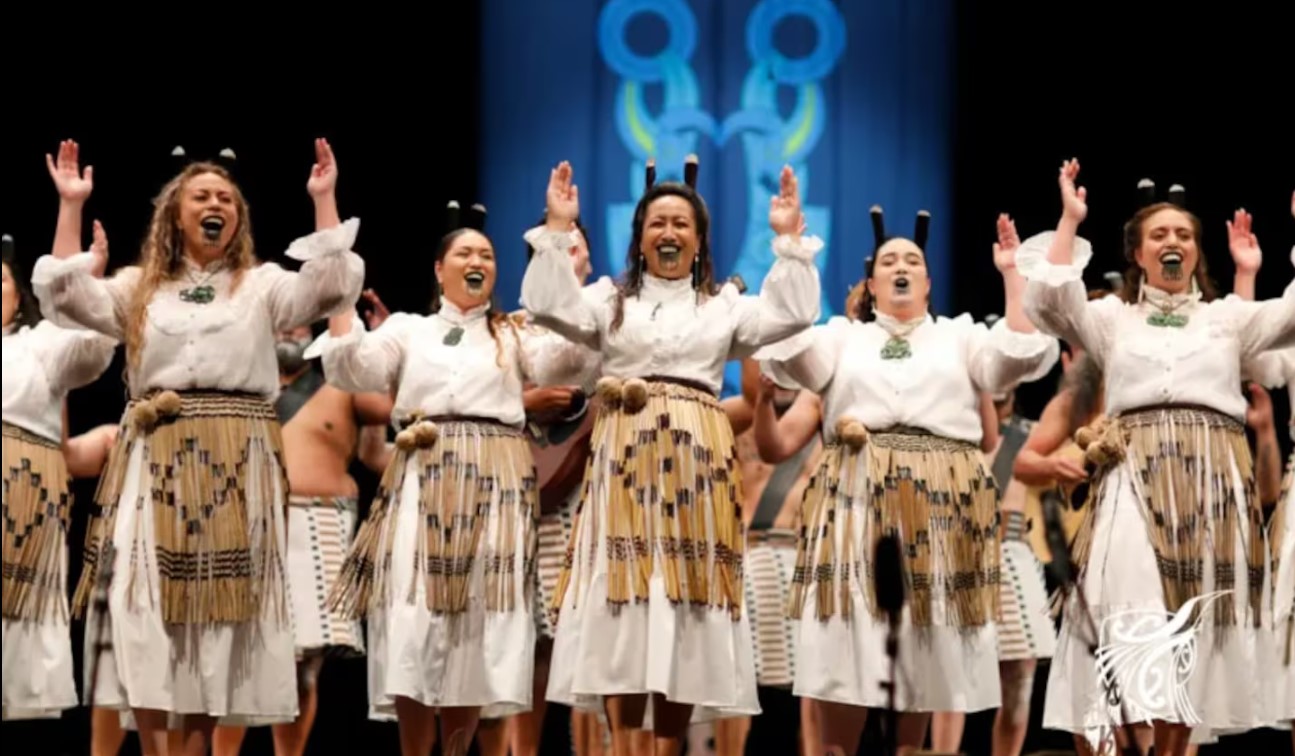
Photo: Credited to Te Matatini Enterprises via NZHerald
Achieving progress & collaboration regionally with Te Manawa Taki IMPB collective
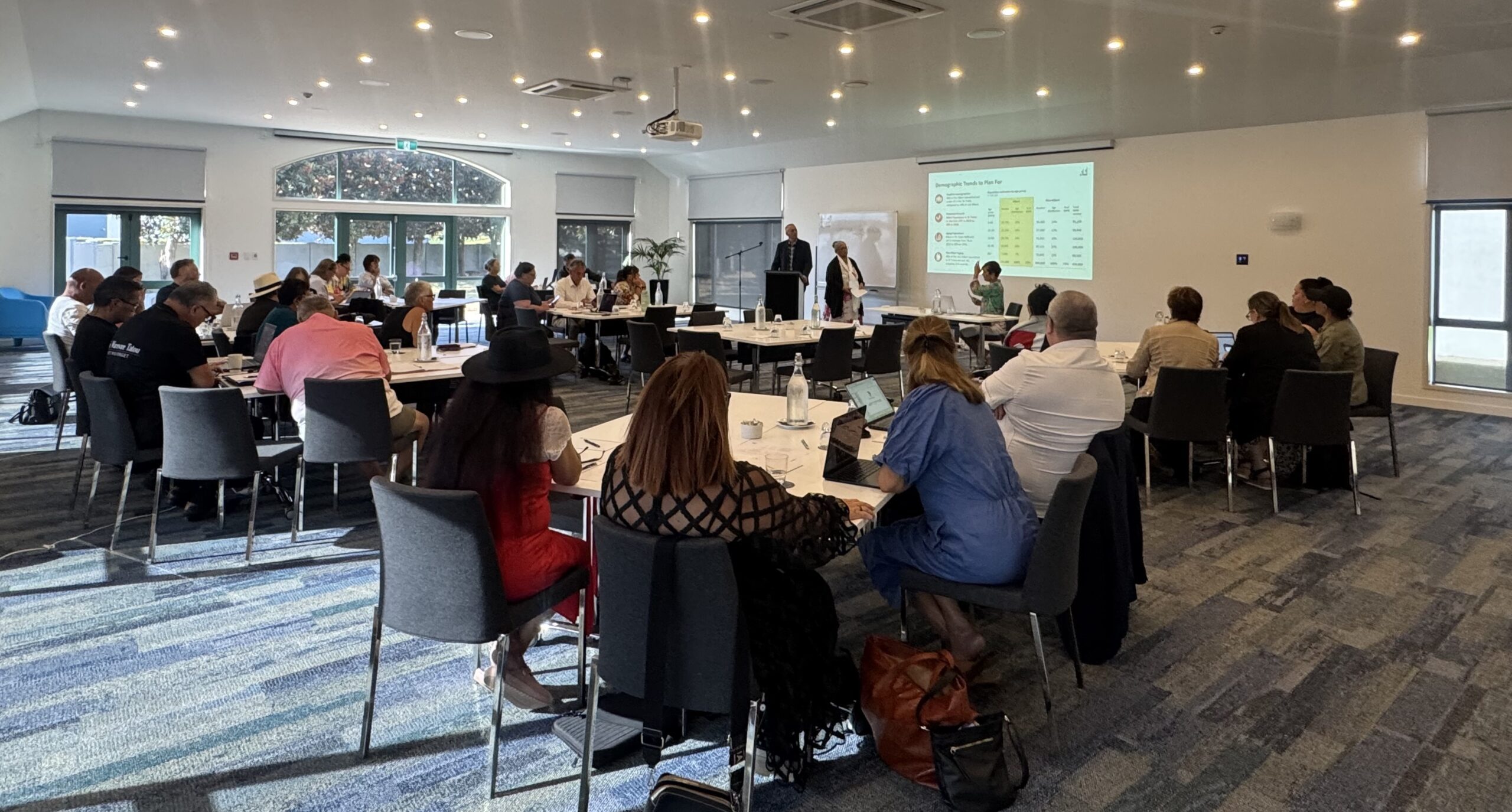
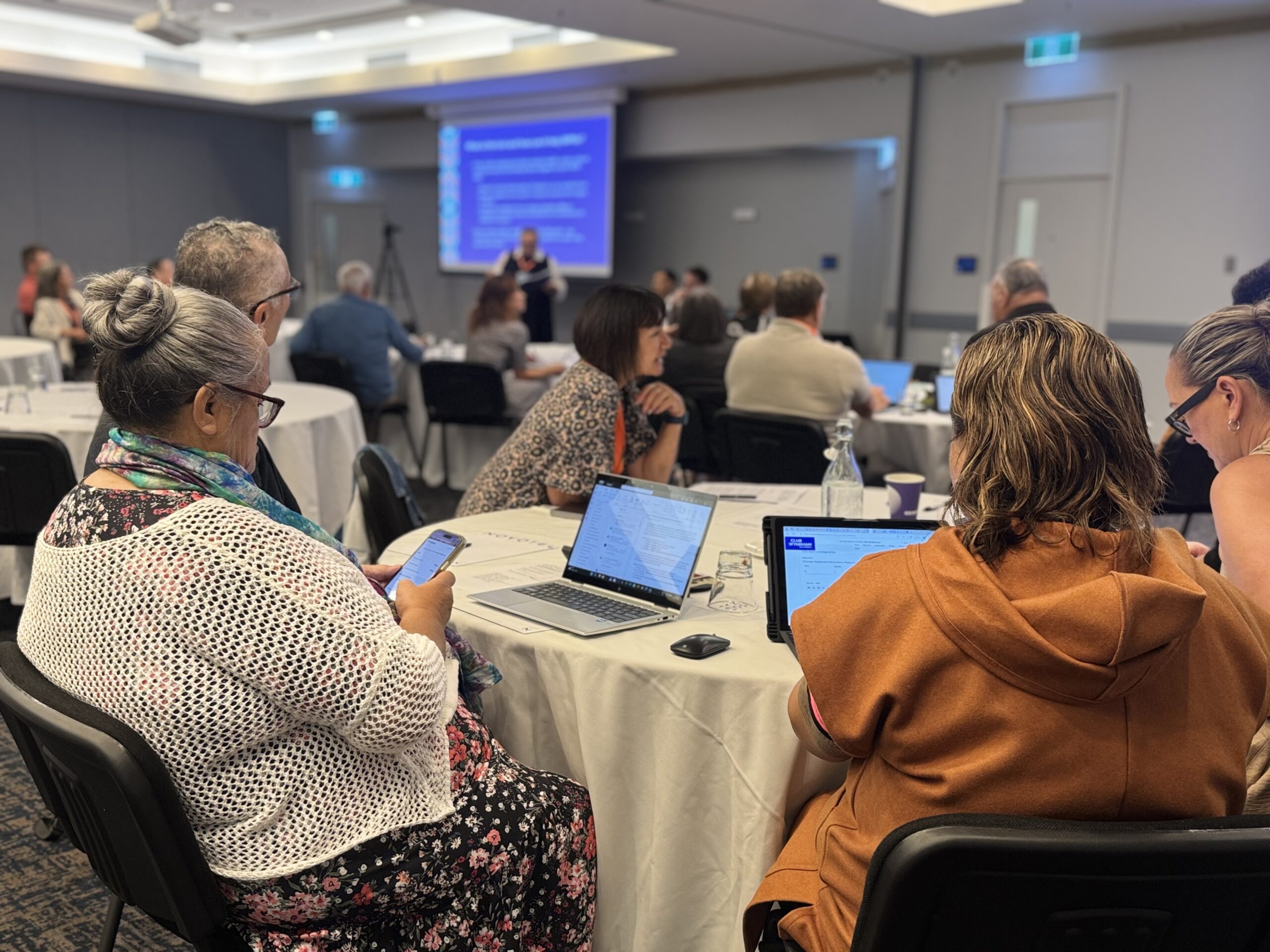
Te Tiratū IMPB hosted the Te Manawa Taki Iwi Māori Partnership Board collective regional hui in Kirikiriroa in February, with six IMPBs participating: Te Tiratū, Toitu Tairāwhiti, Te Moana a Toi, Te Taura Ora o Waiariki, Tūwharetoa, and Te Pūnanga Ora. Presentations included updates from each board, discussions on data platforms, data-sharing agreements, data sovereignty, cyber security and building capacity in data governance. A Pharmac senior executive and Board member explained its role in the health system, its approach to pharmaceutical supply and prioritisation, and the need for earlier engagement with Māori in the decision-making process. Toitu Te Waiora presented on employment training outlining its ongoing work with Māori and Pasifika communities to ensure diverse voices are represented in workforce development. Te Whatu Ora Hauora Māori kaimahi provided a detailed update on the health system’s current status, focus on cost-saving measures, structural changes, and the current review of Pae Tū: Hauora Māori Strategy. They highlighted the appointment of new CEOs and a 12-month task force aimed at improving clinical safety to address regional challenges, particularly in Tairāwhiti and Whakatāne. Moving forward, there is a focus on strengthening governance, enhancing data transparency, and ensuring the sustainability of Māori health priorities within both regional and national health strategies.
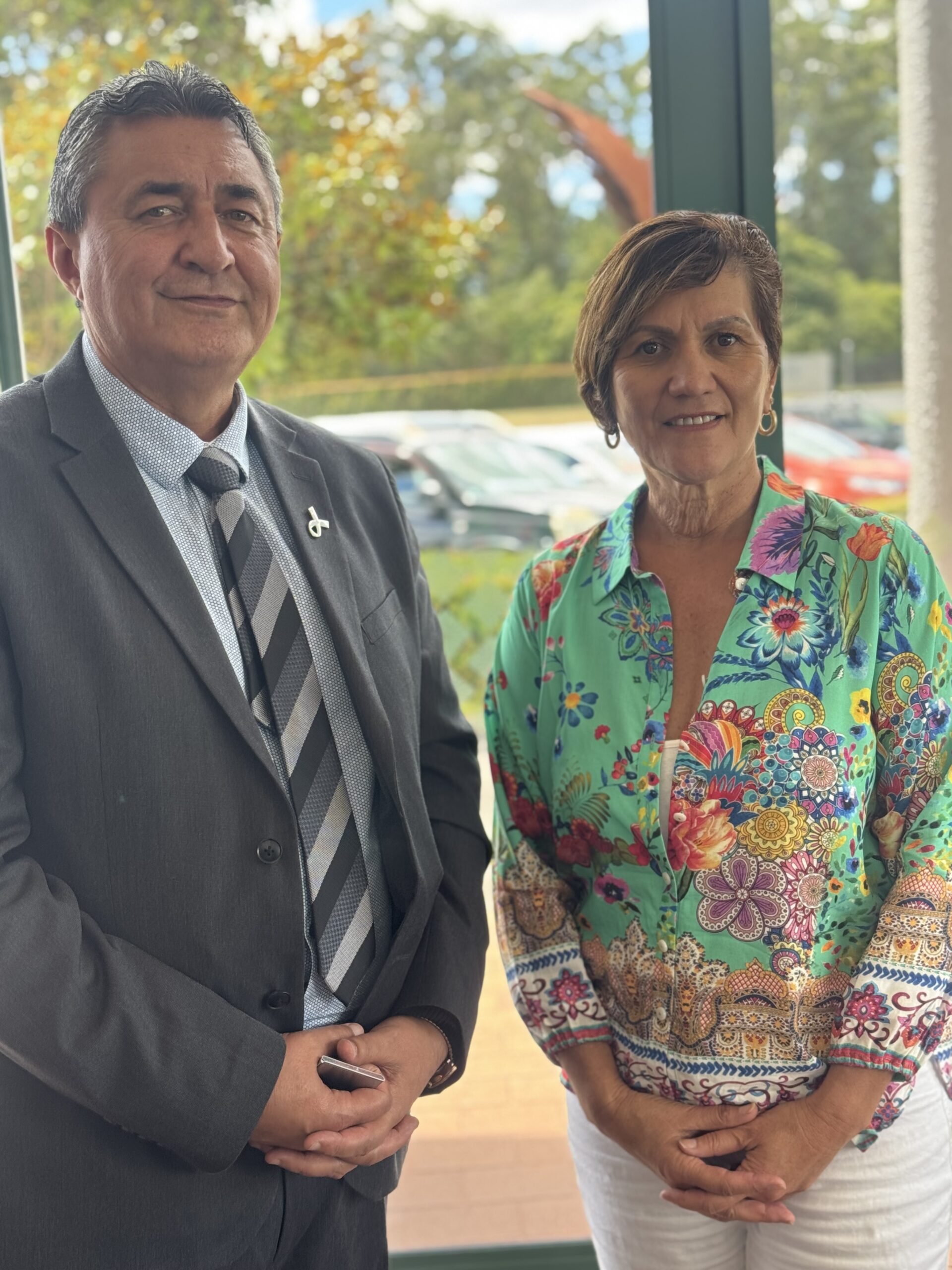
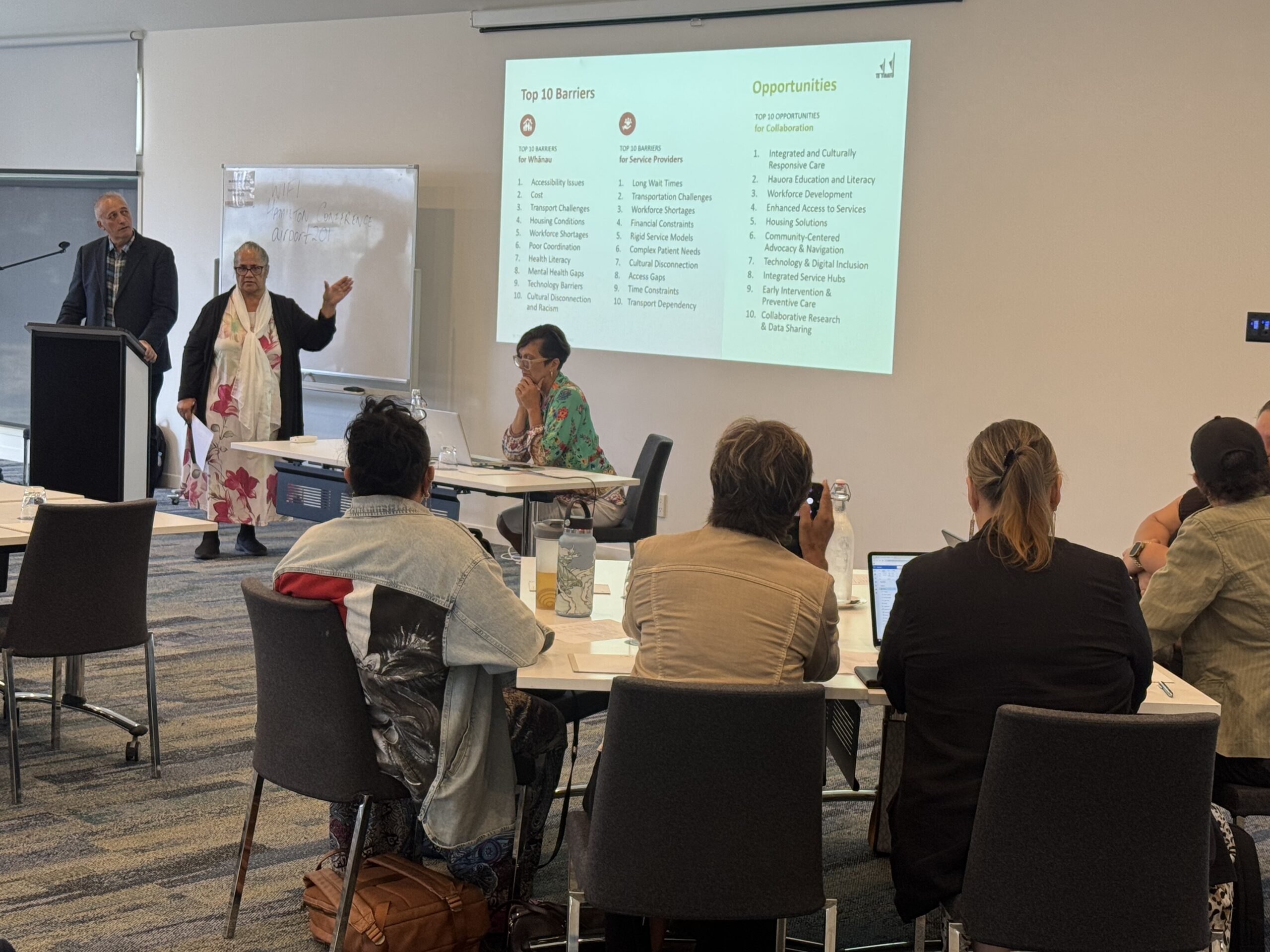
Photos from Left to right: Trevor Simpson, Kaituruki Māori Director Māori, Pharmac with Te Tumu Whakarae of Te Tiratū, Brandi Hudson, Te Manawa Taki IMPB collective in session, Selah Hart, Maiaka Hapori Deputy Chief Executive, Public and Population Health, Te Whatu Ora.
Uniting nationally to strengthen Māori Health outcomes
In January 2025, Te Tiratū IMPB joined Iwi-Māori Partnership Boards (IMPBs) from across the motu at a national hui convened by Te Taumata Hauora o Te Kahu o Taonui – Te Tai Tokerau IMPB in Tāmaki Makaurau. This kaupapa focused on whakawhanaungatanga, sharing regional priorities, and strengthening governance strategies to ensure collective impact. A key highlight was the demonstration of data mapping by Health Quality and Safety Commission engaged by Āti Awa Toa Hauora, showcasing how data-driven insights can identify inequities and inform strategic health planning and policy design.The hui reinforced the importance of kotahitanga in governance, operational planning, and advocacy, particularly in a shifting political landscape. IMPBs together appreciate the strength of their unified voice to influence health policies, secure sustainable funding and aligning national and regional priorities to drive better health outcomes for whānau. With a focus on equity and Māori-led solutions, the discussions set the foundation for strategic collaborations, improved data-sharing agreements, and targeted health initiatives that put whānau at the centre. Te Tiratū will continue to engage with key stakeholders, advocate for systemic change, and amplify the voices of our rohe in shaping a stronger, more responsive health system.
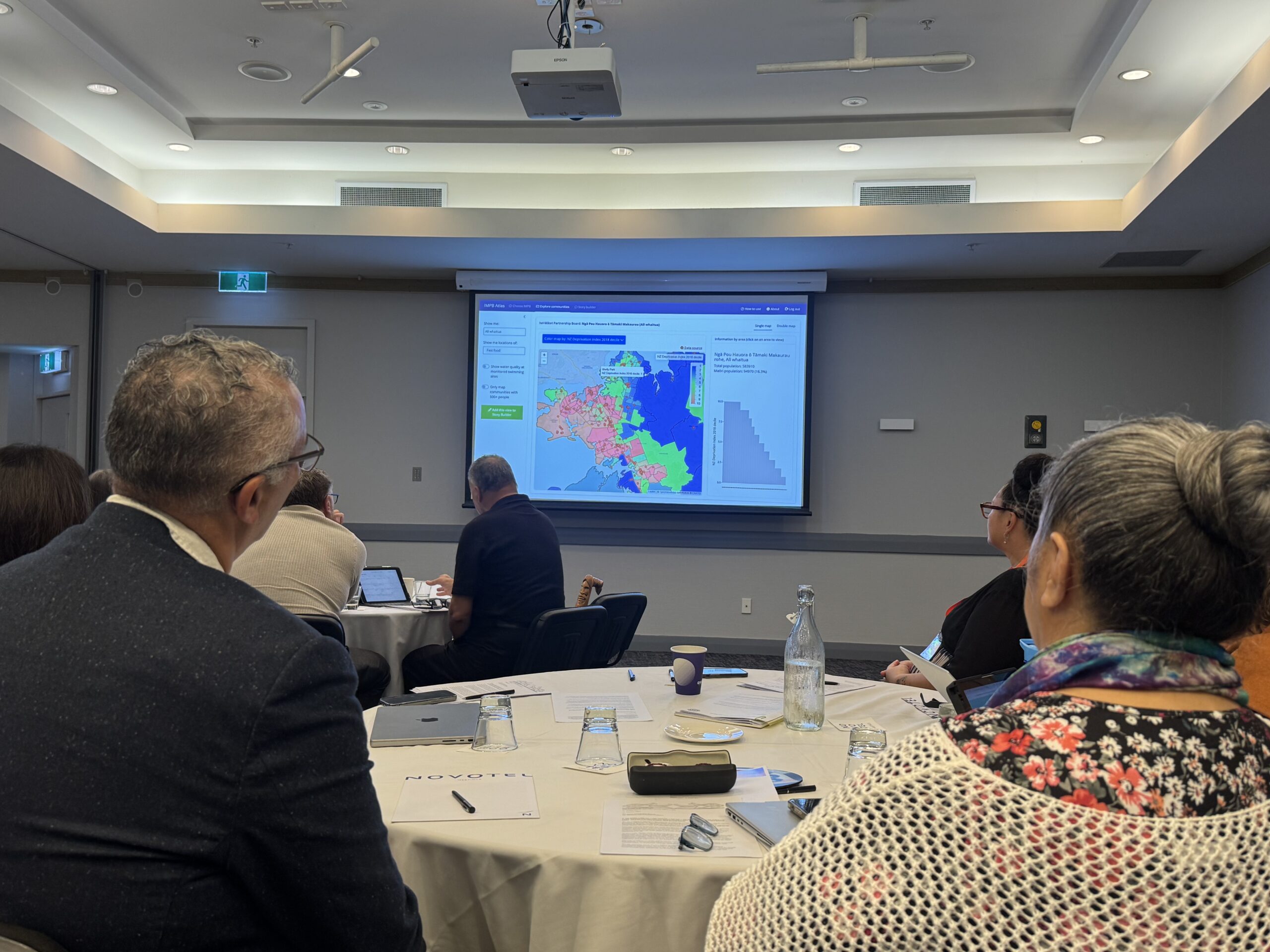
Photo: Co-chair Hagen Tautari with our board member Kataraina Hodge viewing data sets by the Health Quality and Safety Commission.