Independent investment governance signals structural reset for Whānau Ora
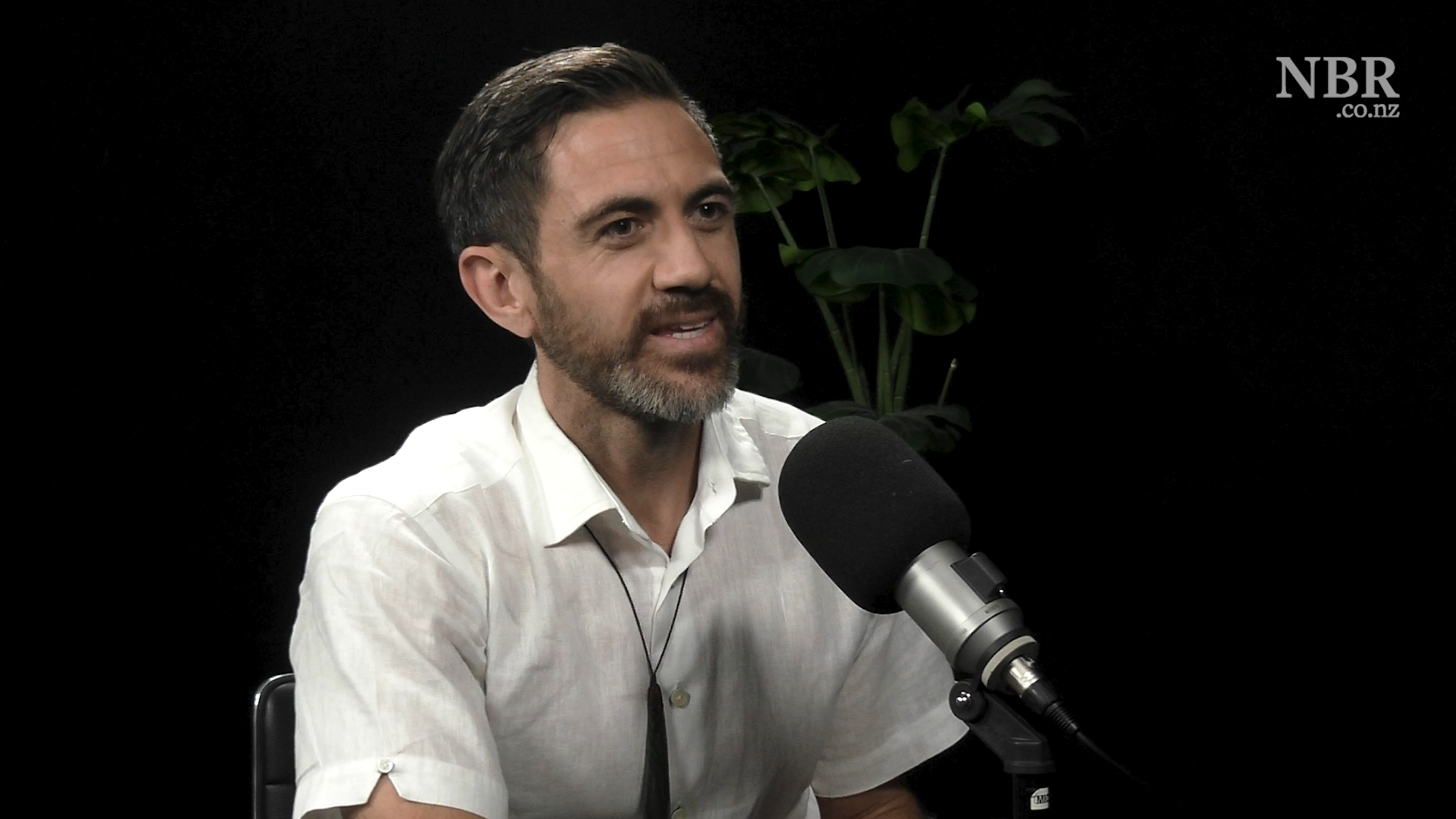
There’s a significant governance shift underway in the Whānau Ora landscape and at the centre of it is Dr Mataroria Lyndon, one of our board members.
Recently he was appointed Chair of the Independent Investment Board for Rangitāmiro, one of four newly established Whānau Ora commissioning agencies.
It’s a role with real weight.
Rangitāmiro covers the country’s largest population base from the central North Island through Waikato and Tāmaki Makaurau to Te Tai Tokerau and holds approximately $67 million in commissioning funding within a national Whānau Ora allocation of around $180 million.
But this appointment is about more than numbers.
It represents a structural evolution of Whānau Ora. Strengthened independent investment oversight, clearer accountability mechanisms, and a sharper focus on measurable impact all while maintaining whānau voice at the centre of decision-making.
Independence, Investment and Evidence
One of the defining features of the new model is the establishment of independent Investment Boards for each commissioning agency.
Dr Lyndon spoke to The NBR recently and describes the mandate succinctly. It provides arms-length advice on commissioning priorities, guide needs analysis, and ensure funding is directed where it can achieve the greatest long-term impact.
The board itself brings expertise across Te ao Māori leadership, rural health, commercial investment, epidemiology and data science. It’s a deliberate mix designed to blend kaupapa Māori values with rigorous evidence frameworks.
“It’s a collective expertise,” he says. “That independence allows us to make strong, evidence-informed recommendations that centre whānau.”
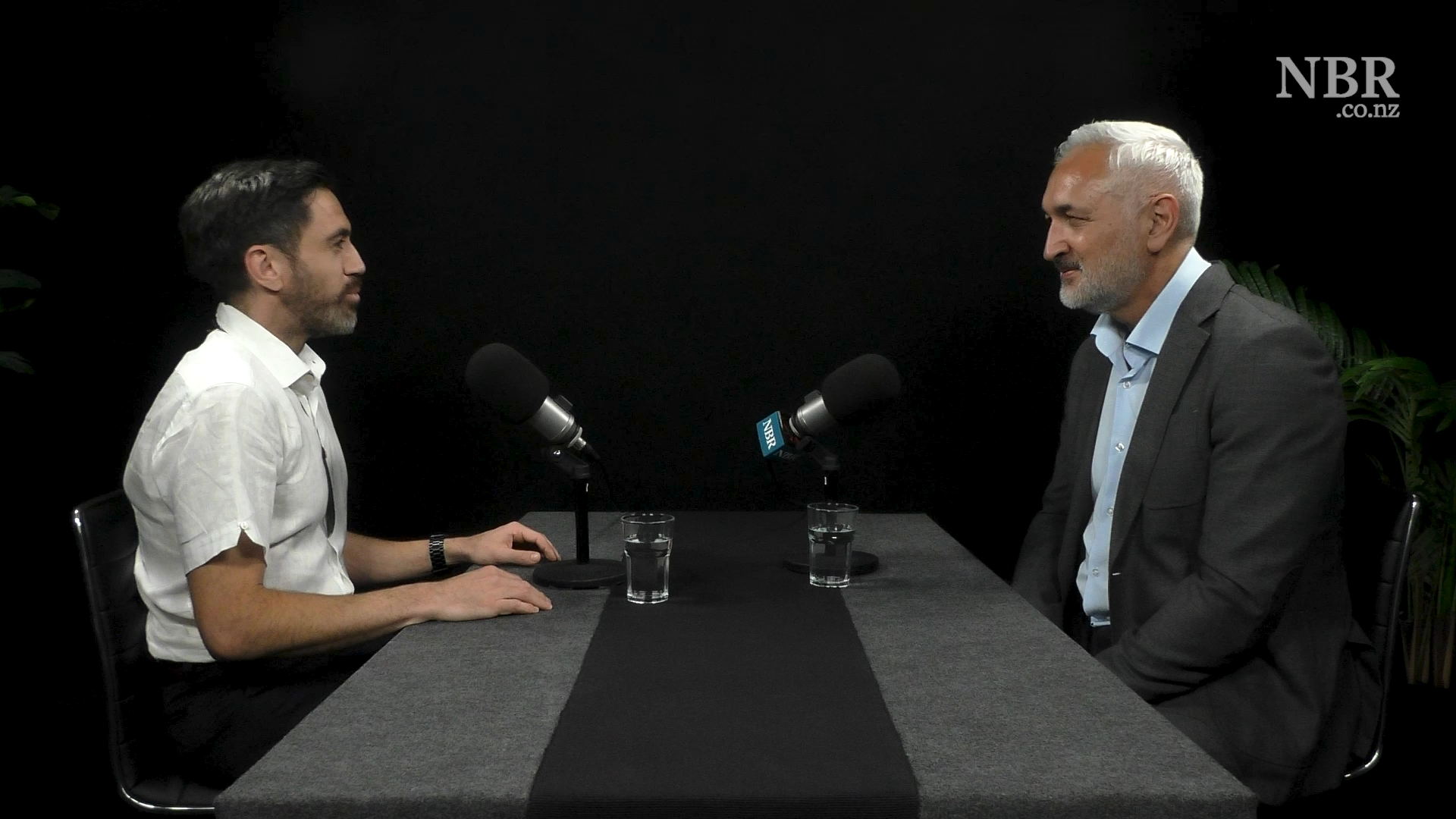
How that balance is struck and how independence is maintained in a politically visible funding environment is a key theme explored in his korero with editor, Mike McRoberts.
Scaling the Frontline
One of the most visible shifts under Rangitamiro is the expansion of the Whānau Ora navigator workforce.
It has expanded its navigator workforce to 301 which is an increase of 120 alongside 51 providers operating across a geographically and socially diverse rohe.
That scale matters.
Dr Lyndon sees this as critical, “We’re putting more funding directly into frontline roles. Navigators are where Whānau Ora lives and breathes.”
Navigators are the frontline expression of Whānau Ora working directly with whānau, responding to crises such as recent extreme weather events in Te Tai Tokerau, and helping coordinate cross-sector services to avoid duplication and fragmentation.
But expansion raises important questions: sustainability, measurement of impact, and long-term investment certainty.
Dr Lyndon addresses each of these including how data, Whānau Voice and social return on investment metrics will be used to demonstrate effectiveness.
“We call it Whānau Ora 7.0 thinking intergenerationally. It’s about being good tūpuna ancestors. Not just outcomes for now, but pathways for the future.”
He says it is not only as a social policy platform but is an intergenerational investment model. Grounded in the long-standing outcomes framework first established under the leadership of the late Kahurangi Tariana Turia.
How it evolves and intersects with growing iwi economic capacity is elaborated on in more depth in the full interview.
The Political Question
With an election year underway, questions naturally arise about stability of funding and political appetite.
Dr Lyndon he has seen Whānau Ora supported across governments of different stripes. His focus, he says, is not on partisan cycles but on demonstrating impact convincingly enough to justify increased investment.
Exactly how that evidence case will be built and what success looks like under the new commissioning structure forms one of the most substantive parts of the conversation.
“We know there is hardship among our whānau right now. The question is what can we do with the pūtea and resources we have to support aspirations and outcomes?”
Why This Matters
Whānau Ora remains one of the most debated and scrutinised social investment models in New Zealand.
The shift to independent investment governance signals a maturing phase one that combines kaupapa Māori foundations with sharper accountability expectations.
For business, policy and governance audiences, the Rangitāmiro appointment is worth attention. It signals where Māori health and social investment strategy may be heading next.
To hear Dr Lyndon outline the vision, the risks, and the opportunities in his own words, listen to the full interview at NBR.

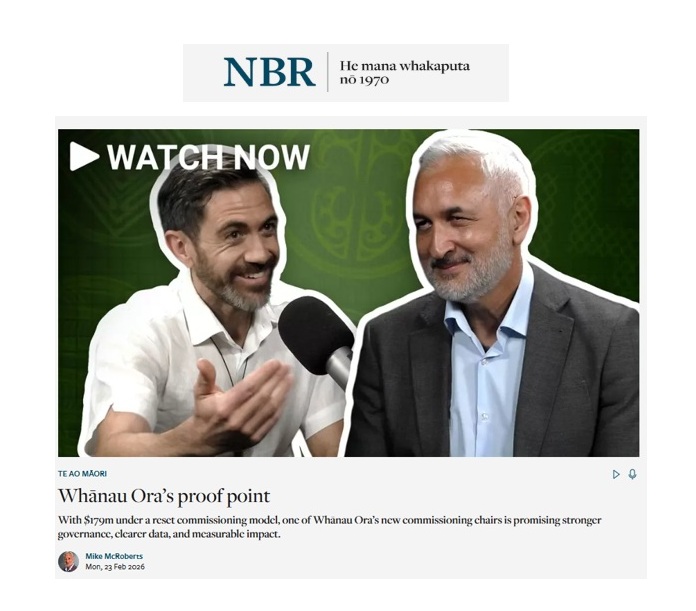
Whānau Ora's proof point
Dr Mataroria Lyndon, a board member of Te Tiratū Iwi Māori Partnership Board, has recently been appointed Chair of the Rangitāmiro Whānau Ora Commissioning Agency independent Investment Board, serving 2.3 million people across the upper North Island.
In an interview with Te Ao Māori Editor Mike McRoberts of The National Business Review, he shares his whakaaro on the kaupapa, the responsibility of stewardship, and the strategic mahi ahead to strengthen whānau wellbeing and long-term investment impact.
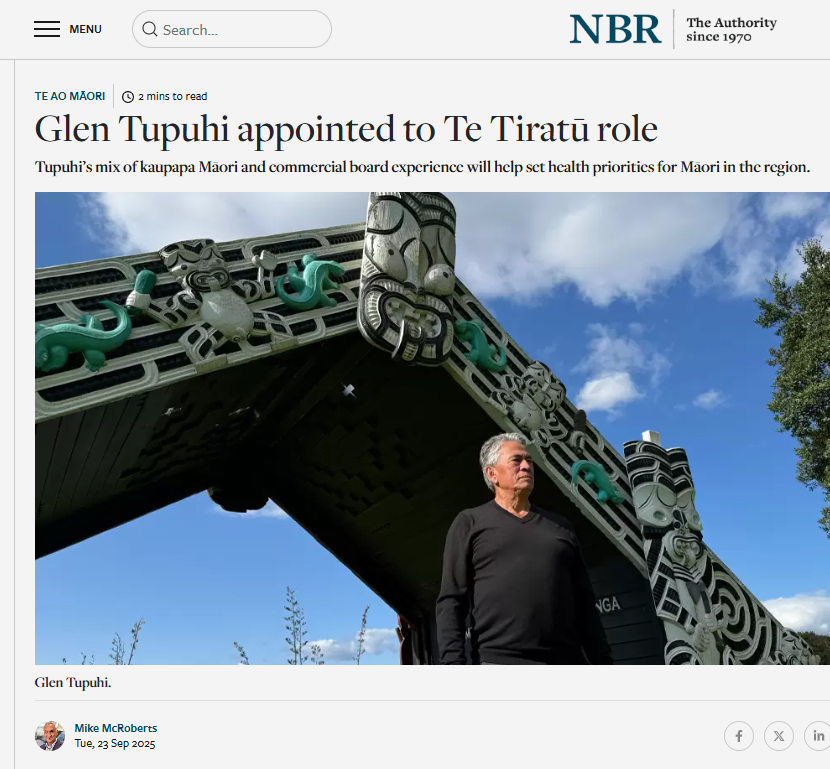
Glen Tupuhi appointed to Te Tiratū role
The National Business Review (NBR) reports that Glen Tupuhi has been named co-chair of Te Tiratū Iwi Māori Partnership Board, joining Tipa Mahuta and succeeding Hagen Tautari. Te Tiratū, one of 15 boards established under the Pae Ora Act, represents around 121,000 Māori whānau across the Tainui waka region and ensures Māori perspectives shape local health services.
Tupuhi brings over 30 years of experience in Māori development across health, education, and justice, with leadership roles at Oranga Tamariki, Health Waikato, Hauora Waikato, Corrections, and Te Rūnanga o Kirikiriroa. He also serves on multiple boards, including Winton Land, Te Korowai Hauora o Hauraki, and the Hauraki PHO, and has led key economic and development initiatives in North Waikato.
Affiliating with multiple iwi across Waikato and Tāmaki Makaurau, Tupuhi’s appointment underscores Te Tiratū’s commitment to strong, culturally informed governance. Co-chair Tipa Mahuta welcomed him, thanking Tautari for his service and expressing confidence in Tupuhi’s leadership.