
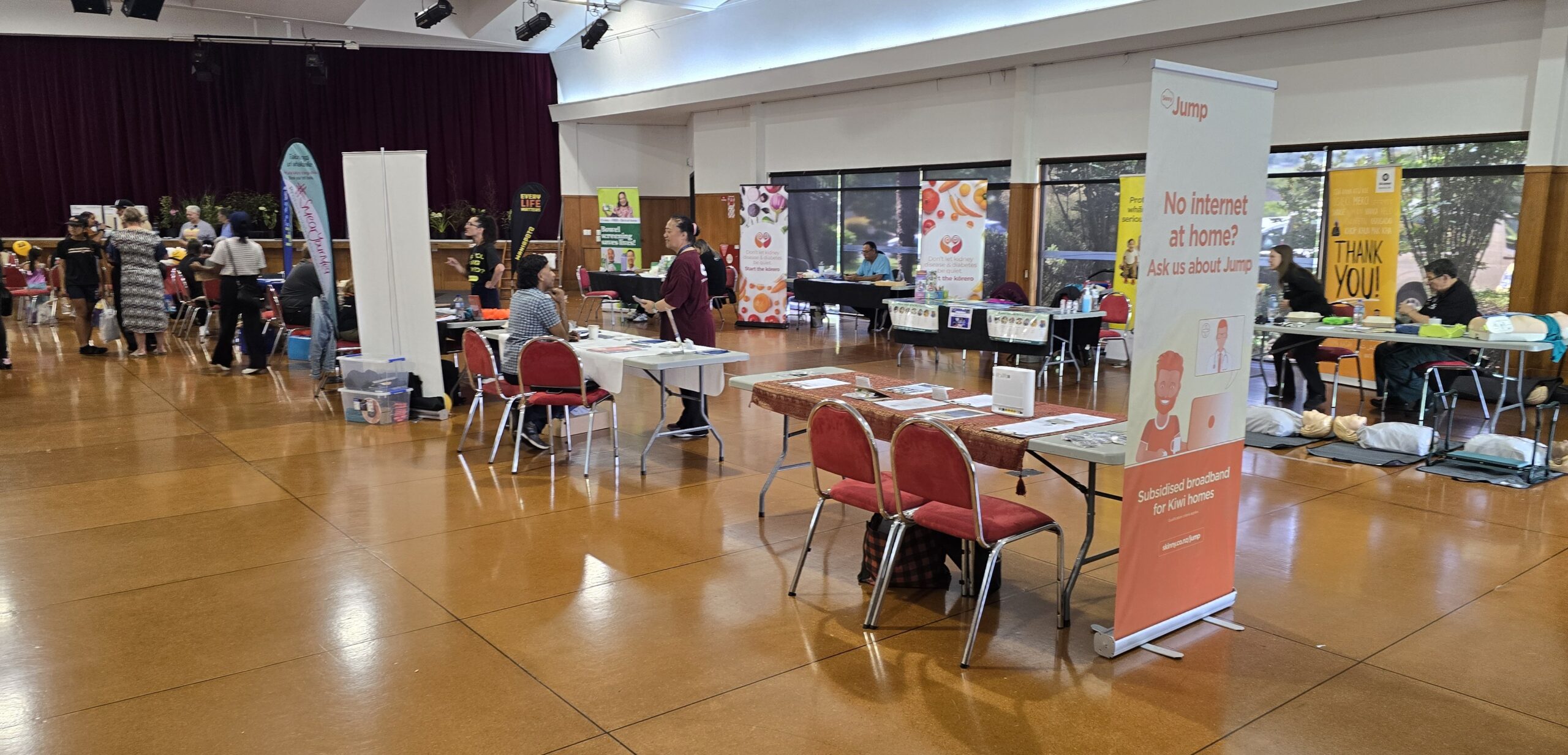
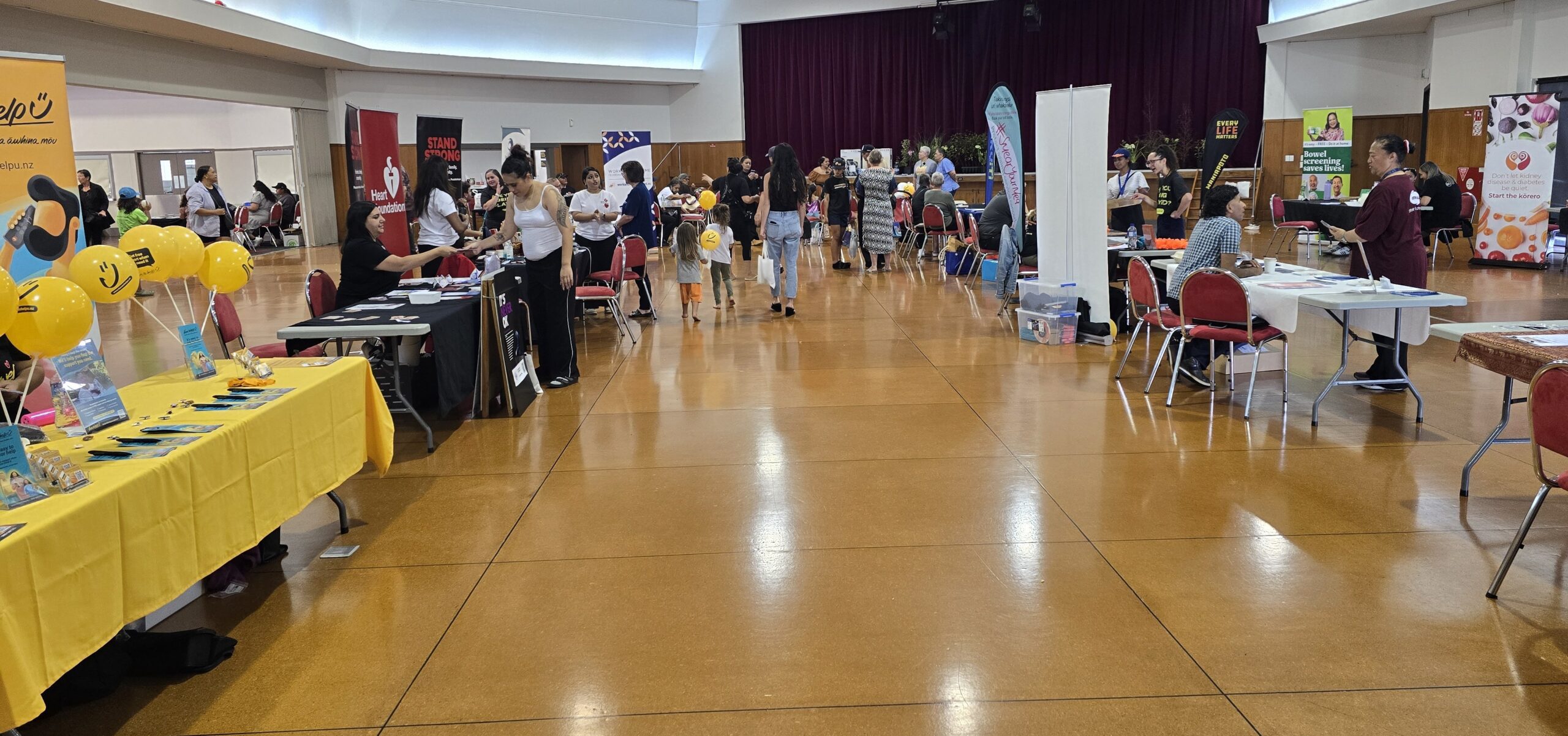
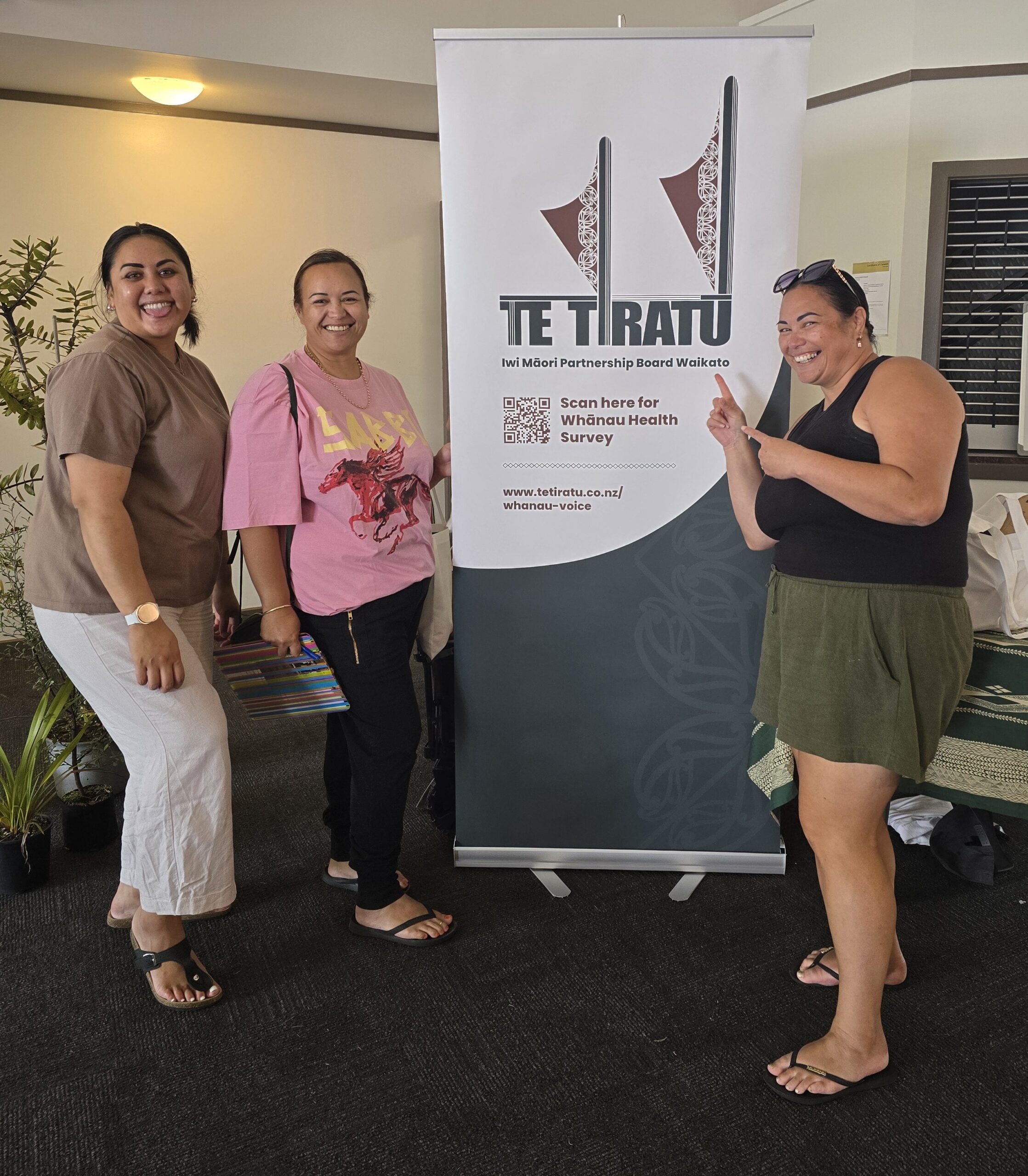
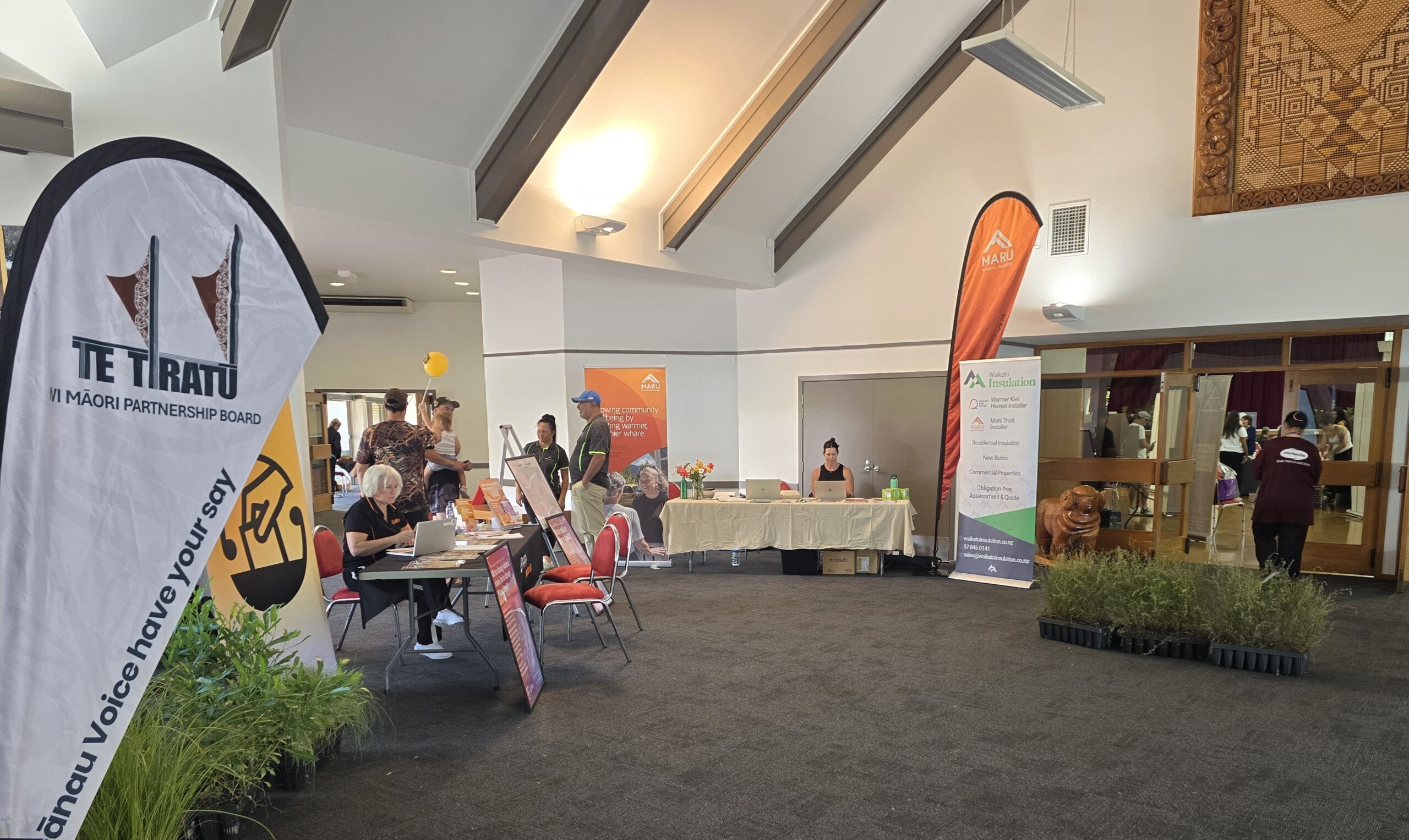
Whānau at the Hauora Day at the Les Munro Centre in Te Kūiti spoke openly about the everyday challenges they face, from the cost of petrol and healthy kai to limited support for rangatahi and tamariki dental care. Even with these pressures, they highlighted solutions already working, demonstrating how they exercise mana motuhake, kaitiakitanga, and manaakitanga.
One of the strongest solutions already in place was whānau supporting each other day to day. In homes where Type 2 Diabetes is common, some are managing it collectively, cooking together, sharing kai, supporting medication routines and keeping each other well.
Accessible and affordable local services are making a difference for many whānau. Some shared they could get appointments quickly and at low cost, showing that when services are responsive and trusted, whānau will use them.
Whānau stepping up to support others is another strength already working in the community. One tane took things into his own hands and started doing it all himself, because he felt like he couldn’t trust the system. He became a volunteer to help navigate others through the journey. Now he walks alongside others, helping them understand the system and what to expect.
Outreach services that already serve surrounding areas are valued by whānau. For example, foot care services travelling to places like Maniaiti / Benneydale were seen as helpful and something that could be built on.
At the same time, whānau were clear about where these solutions need to grow.
Whānau called for more services closer to home, especially for mental health and addiction, so support is available earlier and not only in times of crisis. For rangatahi, services need to feel safe and accessible, with options that allow for privacy. Outreach, online support and services outside the immediate area were all identified as ways to build on what is already working.
Access to care remains uneven. A big one for Mama’s was oral health. They told us how hard it is for tamariki to get into oral health services; the mobile dental bus is not enough. Whānau want to see more consistent dental services, more health workers across the region and visiting specialists like podiatry and pain support to reduce the need for travel.
Transport and cost continue to shape whether whānau can access care. Building on existing supports, whānau said more help with petrol, more transport options and more local delivery of services would make a significant difference.
Whānau also highlighted the importance of strengthening what they already do. Support for healthy kai, services that work alongside whānau routines and approaches that recognise collective care were all seen as ways to build on existing strengths.
For kaumātua, the focus remains on maintaining independence. Improving access to mobility support, transport and social connection would strengthen what is already helping kaumātua stay well.
Housing also sits at the centre of hauora. Warm, dry homes and the ability to afford heating were identified as essential foundations that would support all other health gains.
Across the day, 27 Whānau Voice surveys were completed, but it was the kōrero behind them that mattered most. Whānau shared not only the challenges they face, but the solutions they are already living every day.
The hauora day in Te Kūiti showed a community that is not starting from zero. The foundations are already there. What whānau are asking for now is the support to grow what is already working.