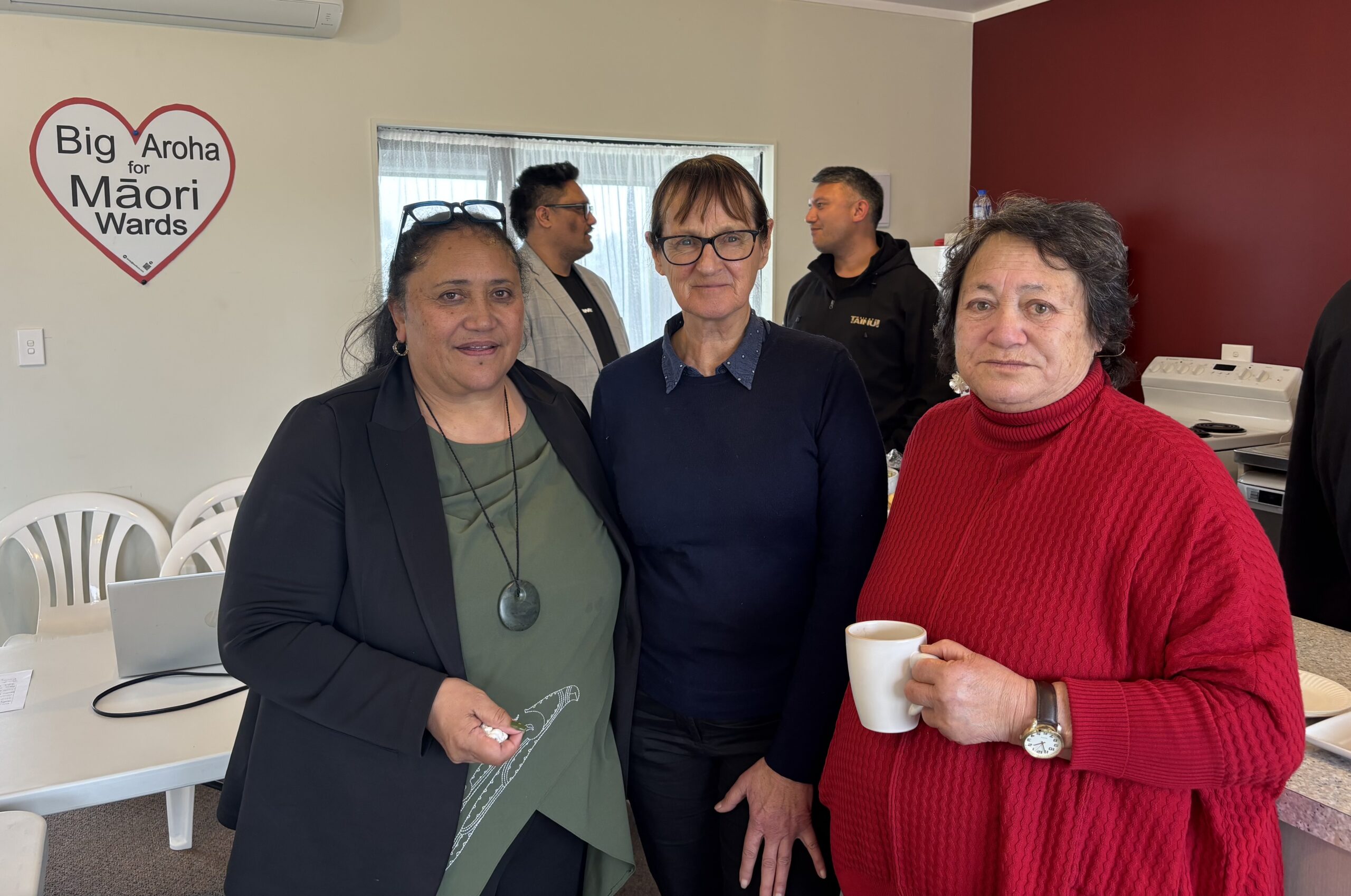
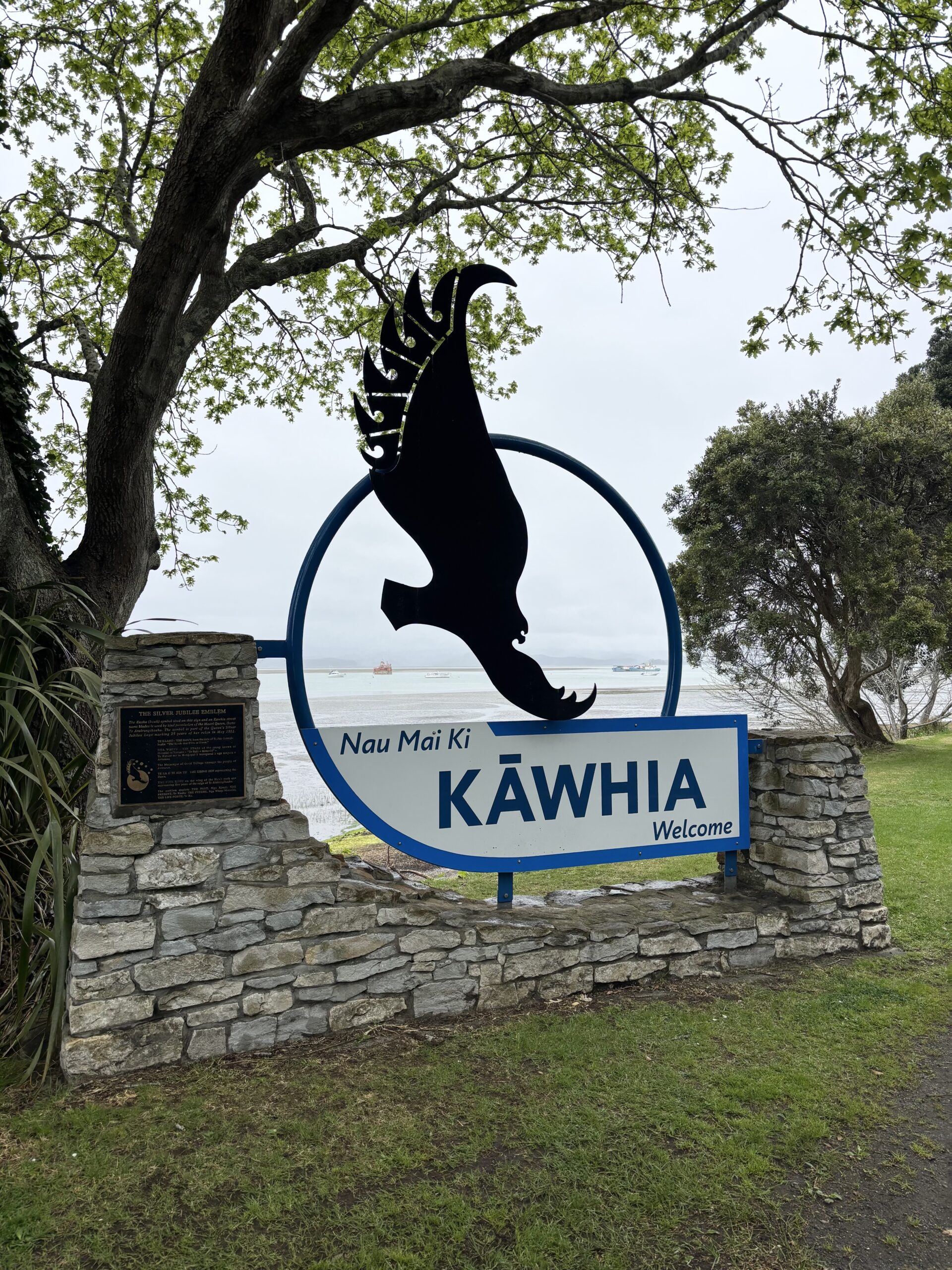
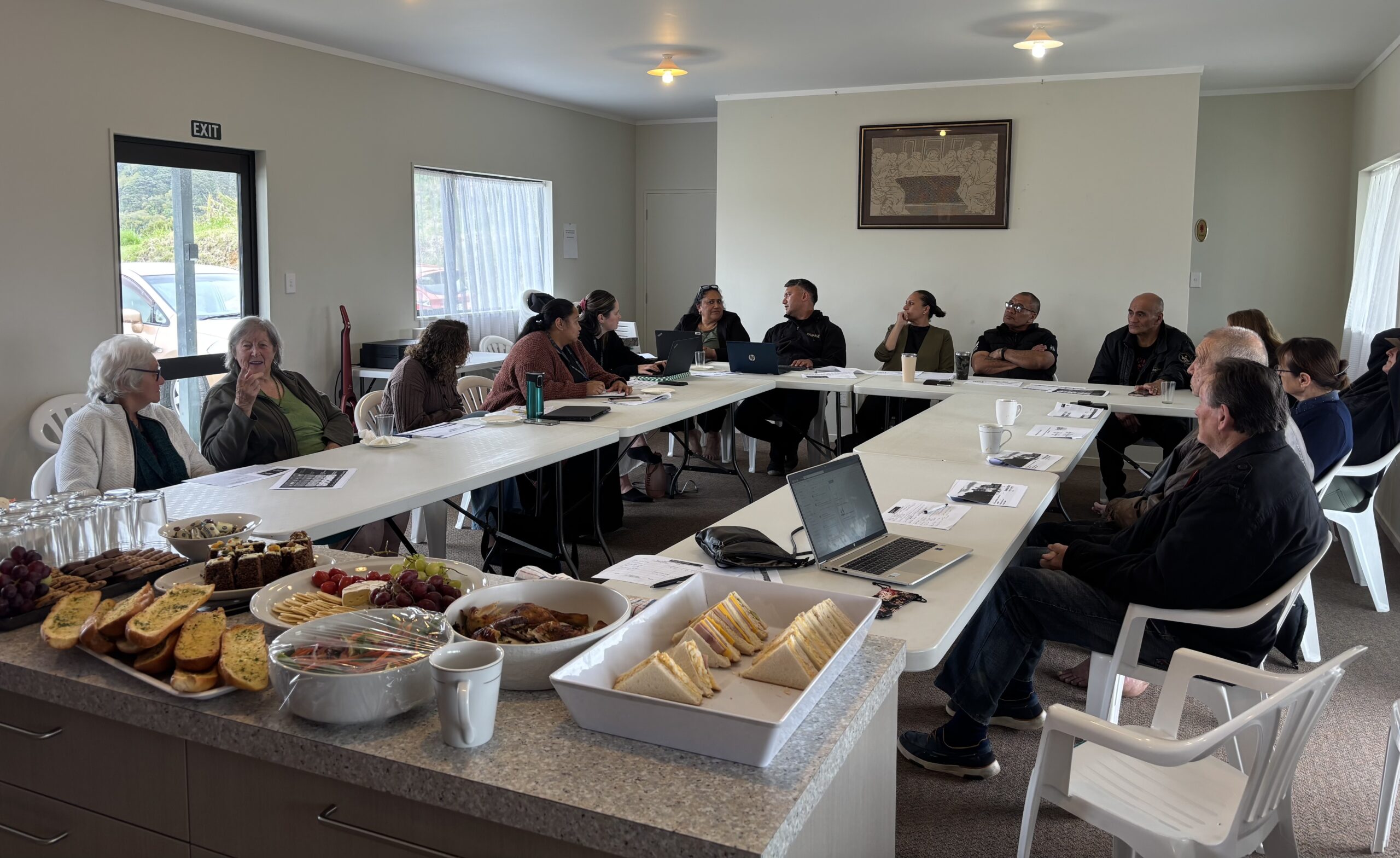
This morning in Kāwhia, a close-knit community of just 378 people, we joined the latest Community Health Forum to kōrero, listen, and offer tautoko. Te Tiratū acknowledges the vital work of Te Whatu Ora kaimahi, who coordinate these hui across the rohe to connect with whānau, share updates, and ensure their voices are heard.
Whānau travelled from across the West Coast Harbours to share their stories, experiences, and priorities for the wellbeing of their whānau and community.
A key priority was funding awareness and support. Whānau highlighted the need for proactive guidance from Te Whatu Ora staff to help them understand and access available funding opportunities. Clear advice, they said, empowers whānau to improve wellbeing, build resilience, and strengthen independence.
Another strong theme was community connection. Whānau spoke about the importance of small, humble events, from karaoke nights to kaumatua creative workshops, which lift spirits and reduce isolation, especially for those living alone.
The forum also highlighted kaumātua support needs. Many kaumātua are struggling with everyday tasks and require consistent, daily support. Whānau spoke about the need for a kaumatua bus, tailored services, and culturally appropriate care to help uphold their dignity and independence.
Transport challenges were another key concern. Funding and reliable transport to Waikato Hospital and nearby towns remain a significant barrier, especially for those requiring regular appointments, specialist care, or after-hours help.
Accessing home help is difficult in isolated areas. Limited carer training and high travel costs make services unaffordable for many whānau. Investment in workforce development and travel support is urgently needed to ensure everyone receives the care they need.
Rangatahi mental health was a serious topic of discussion. Suicide among rangatahi is a concern in isolated communities. Whānau want more clinical expertise, suicide prevention support, and culturally responsive mental health services available close to home.
Primary care workforce shortages were raised as a pressing issue. Dr John Burton, the local GP, has been a lifeline for Kāwhia whānau, but there is uncertainty about future care provision once he retires. Succession planning and investment in rural healthcare are critical to maintaining services.
Whānau also spoke about the need for Disability Allowance awareness. Clear communication and outreach regarding support available through WINZ and ACC will ensure that entitlements are accessed and whānau can receive the help they need.
After-hours care is available through Ka Ora Telecare and 24/7 telehealth services, but these user-pays services can be costly for those without a Community Service Card. Affordable options are needed to ensure whānau can access care at any time.
Public health preparedness was another focus. The Waikato Immunisation and Public Health Teams are coordinating plans in case of measles or other outbreaks. Community awareness and readiness are key to keeping whānau safe.
Finally, whānau highlighted the urgent need for affordable dental services for adults in rural areas, to ensure everyone has access to essential care.
It was clear that the Health Forum shone a light on the power of connection. It reminded everyone that strong kōrero, listening, and care can make a real difference in whānau wellbeing.